Author: Rachel Lishman
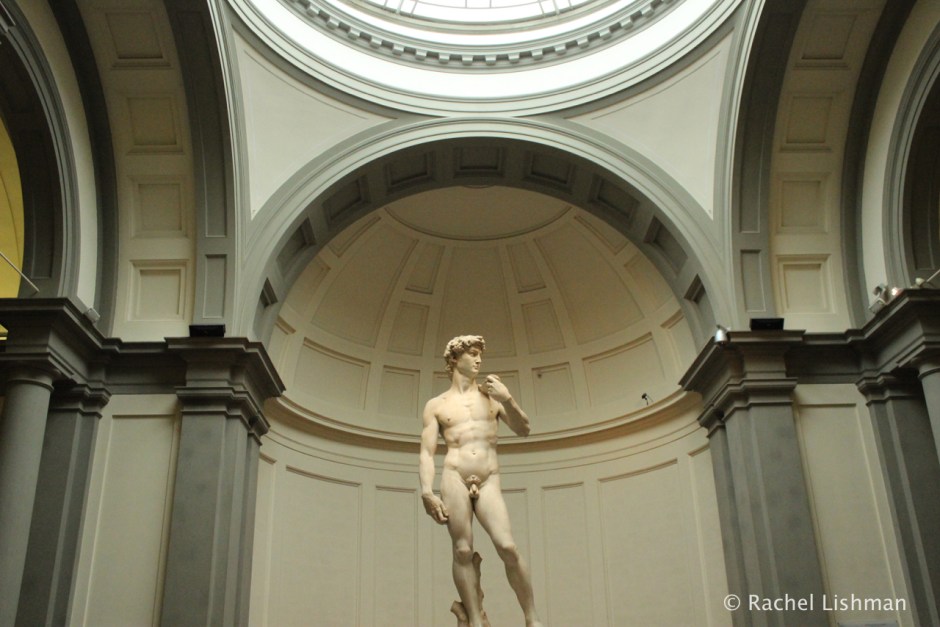
Three Reasons I Fell For Florence, Italy
If I’m honest, I was drunk. The Chianti had gone to my head and the already glowing evening had taken on an ethereal quality, framed by a heavy Photoshop vignette.
Continue reading “Three Reasons I Fell For Florence, Italy”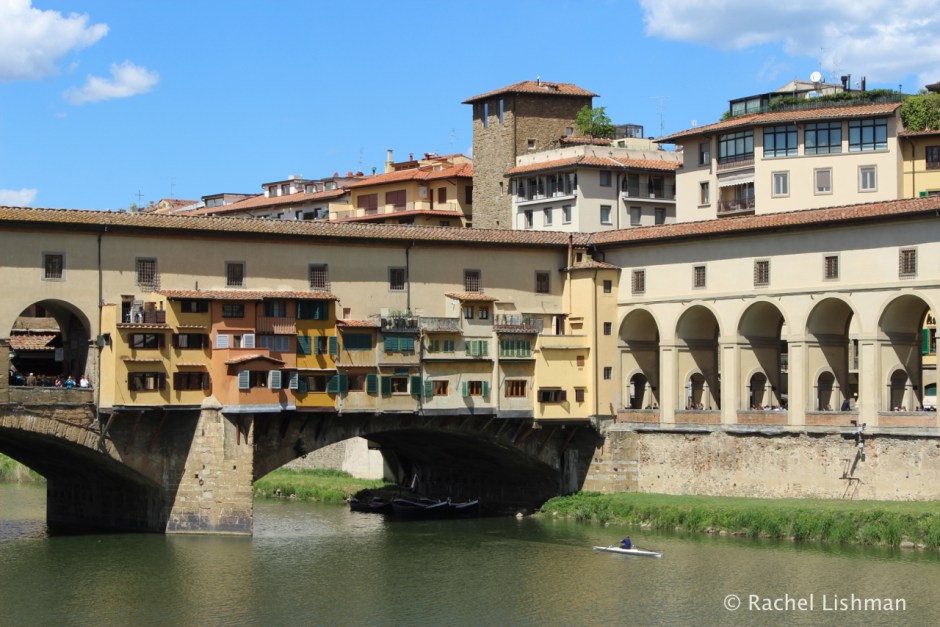
Bridges: Do They Connect or Divide Us?
Florence’s famous Medici family constructed an entire network of secret passages across the city to connect them to their residences, work and places of worship. Many take the form of tiny bridges that span narrow streets; barely noticeable at first glance.
Continue reading “Bridges: Do They Connect or Divide Us?”
Always Looking Up: Two Days In Venice, Italy
Venice’s celebrity stems from its wonders of engineering, its diversity and its rich ancient trade, but often we only think of its canals.
Continue reading “Always Looking Up: Two Days In Venice, Italy”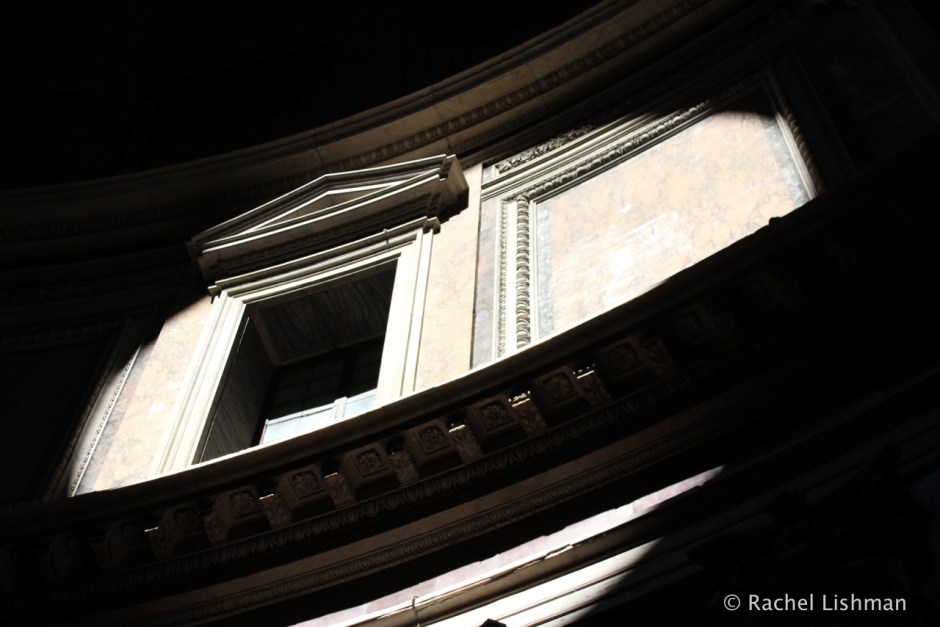
Delta: Passing Time In Rome’s Pantheon
I got an acute sense of time passing inside Rome’s Pantheon. Not only because it was built almost two millennia ago, but because its ancient architecture acts as a colossal sun dial.
Continue reading “Delta: Passing Time In Rome’s Pantheon”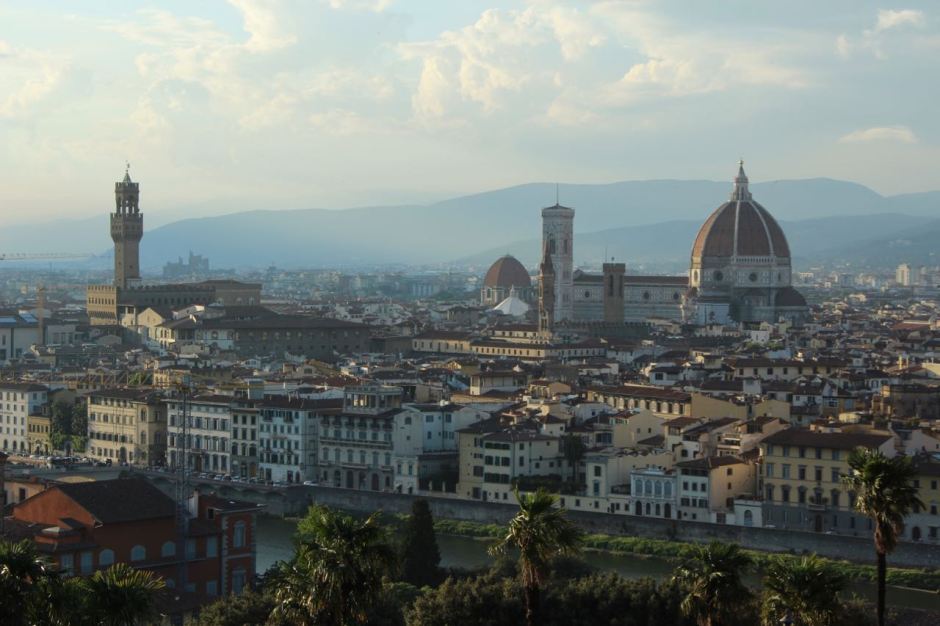
The Grand Tour: An Itinerary For Italy
From the 1620s Italy has attracted and rewarded the inquisitive. The Grand Tour, as it later became known, saw British youngsters of the upper classes travelling slowly into southern Italy from London. They often encountered treacherous alpine passes, terrible weather and disease on route.
Continue reading “The Grand Tour: An Itinerary For Italy”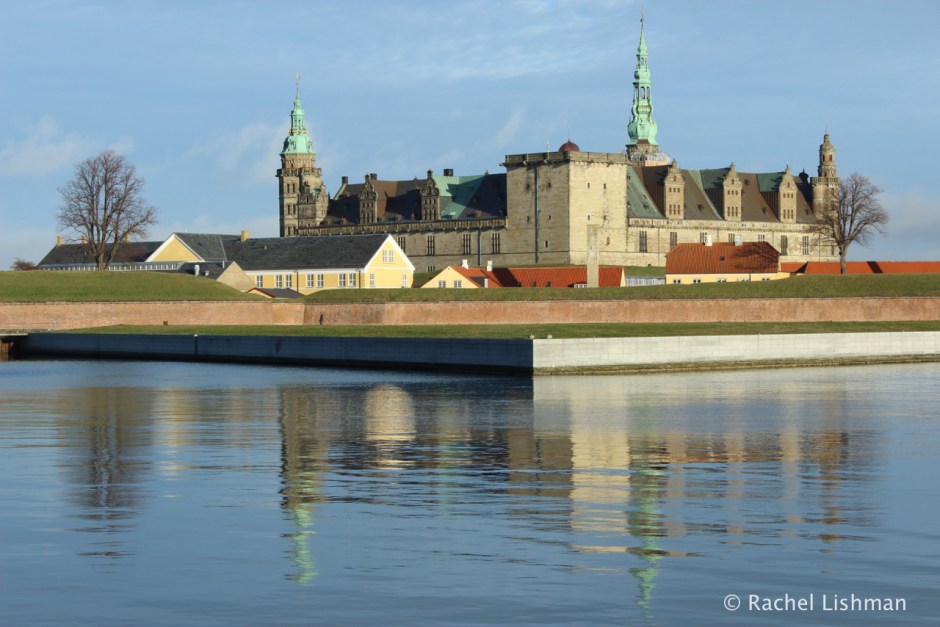
Did Denmark’s Kronborg Castle Inspire Hamlet?
Only half an hour from Copenhagen, the Danish waterside town of Helsingør. has a completely different feel.
Continue reading “Did Denmark’s Kronborg Castle Inspire Hamlet?”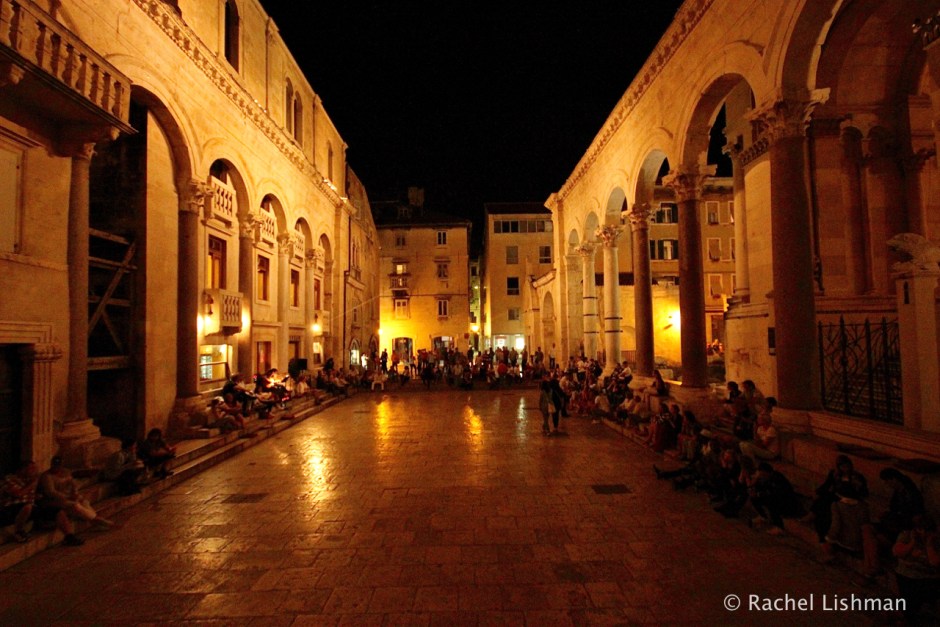
The Revival Of A Roman Palace in Split, Croatia
Through the narrow windows of the cathedral’s bell tower, the landscape was split in two. Dazzling blue sky sliced across layers of terracotta rooftops and behind them, lay the Adriatic Sea.
Continue reading “The Revival Of A Roman Palace in Split, Croatia”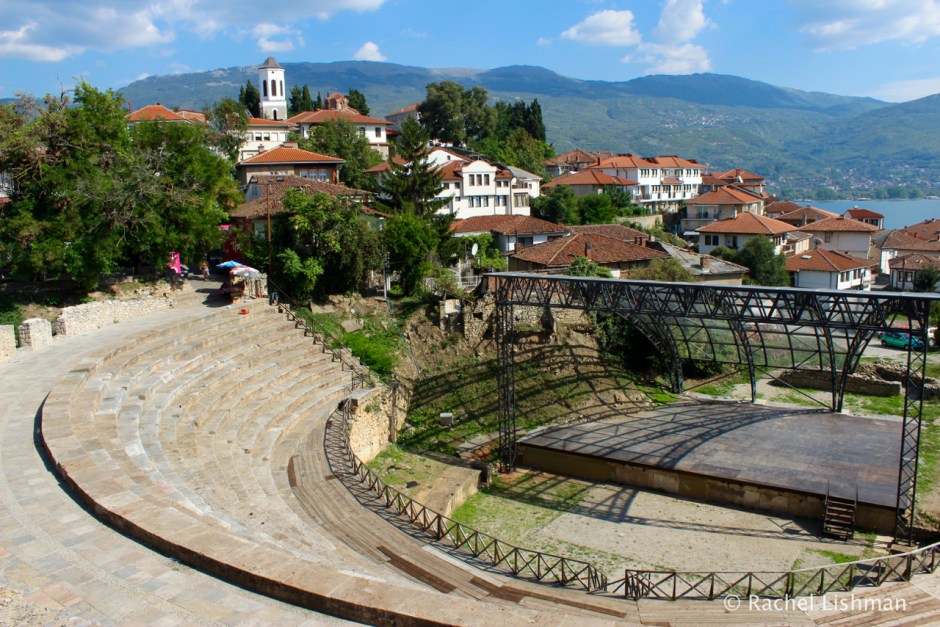
A Walk Through Five Historical Treasures In Ohrid, Macedonia
The postcard A-lister, St John’s church stands over the small cove at Kaneo. It’s the final focal point on a peninsula that suddenly gives way to the blue waters of Lake Ohrid beyond, and has been for over eight hundred years.
Continue reading “A Walk Through Five Historical Treasures In Ohrid, Macedonia”

