On a stretch of Norfolk’s wild coast I place one boot in front of the other in total darkness. Part of a silent, pre-dawn pilgrimage of more than two hundred people marching towards mudflats in the hope of seeing something sensational.
It’s a chilly October morning. The markers of sky and ocean threaten purple as the first traces of daylight create bright silver lines of lapping shoreline. The tide is rising. I brace against a blustery wind not loud enough to drown out a very distinct sound. Through a cloak of navy shadows the wibbles and churls of hundreds of thousands of wading birds are unmistakable. At moments a mellow backdrop to our procession then, on occasion, a deafening climax of calls and shrills broken and tossed around by the boisterous honks of geese.
Every year on specific dates around the Autumn and Spring equinoxes, Snettisham plays host to one of wildlife’s great wonders. Beautiful facets of the natural world combine: The extreme speed of a rising estuary tide; the migration of bird species south from their Artic breeding grounds; the plentiful food sources of the UK’s shorelines; and lastly, the ever changing times of dawn as summer becomes winter and winter becomes spring.
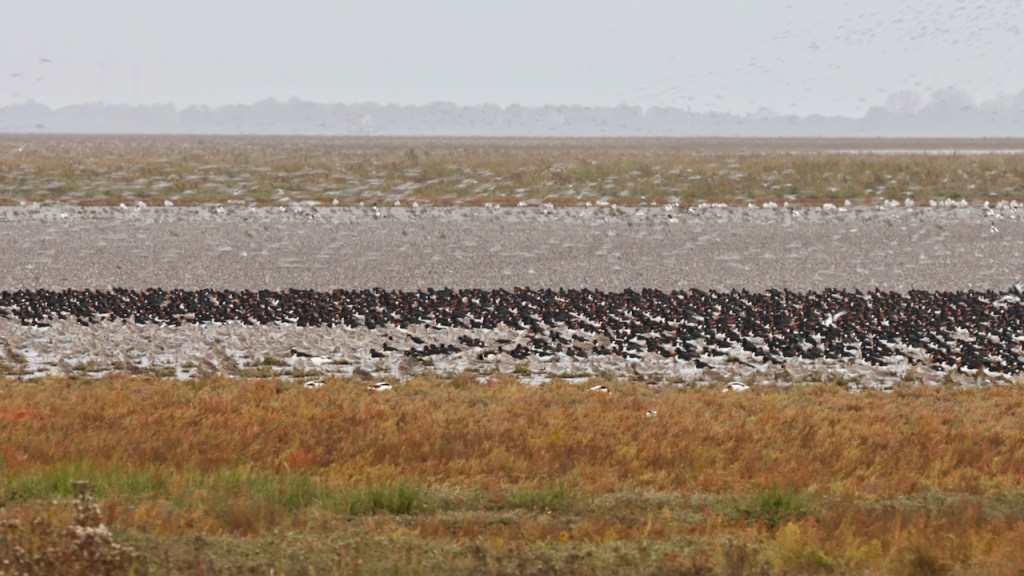
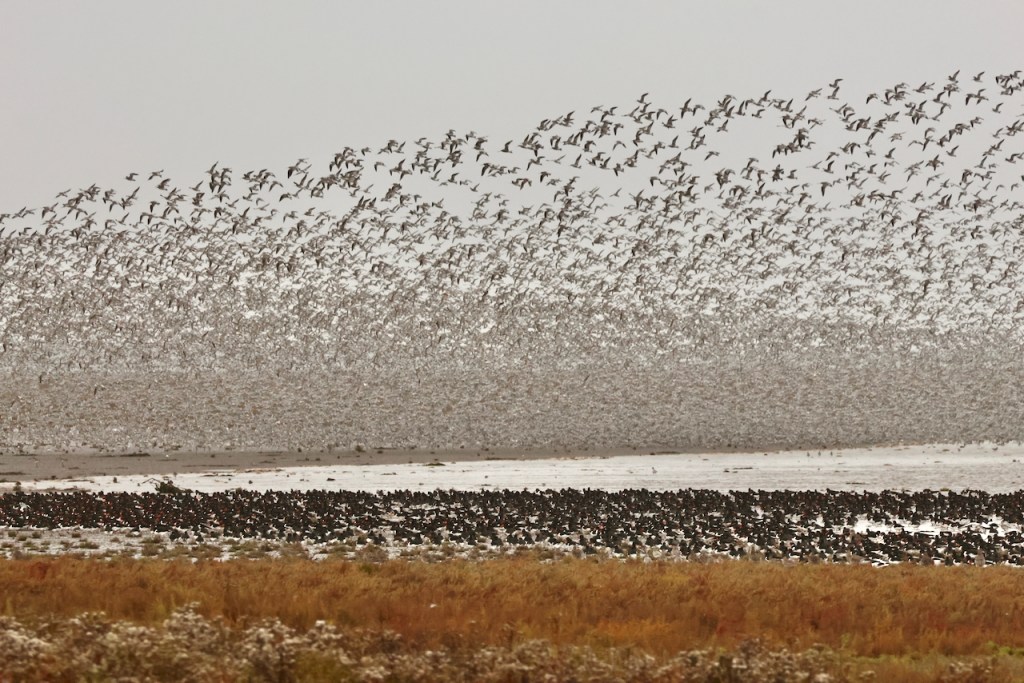
The result? A rapidly shifting shoreline that throws thousands of wading birds into the air at once. Red Knot, Oyster Catchers, Black and Bar-tailed Godwits, Sanderlings, Curlews, Lapwing and many more. They fly in unison, forging swirling shapes across the dawn skies at Snettisham for hours. Moments that are known as The Snettisham Spectacular.
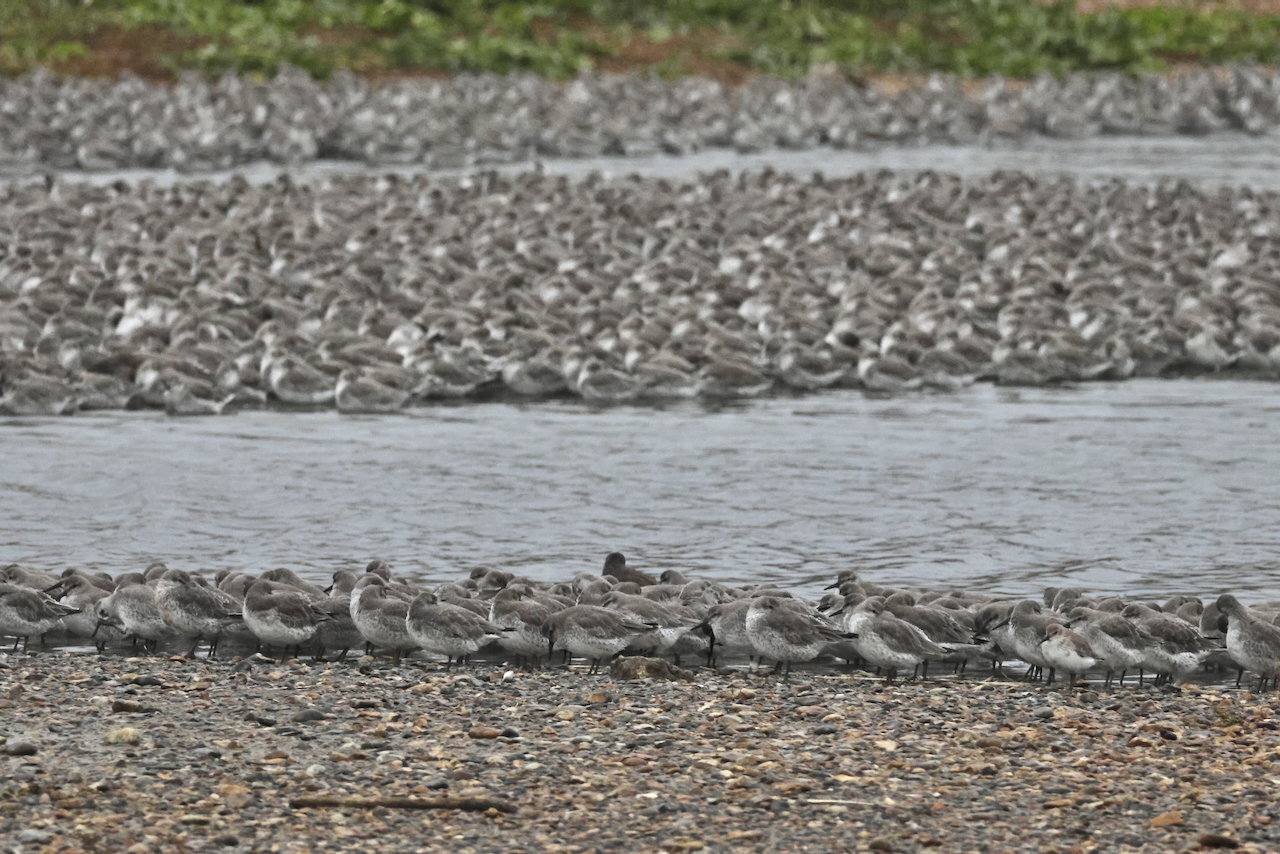
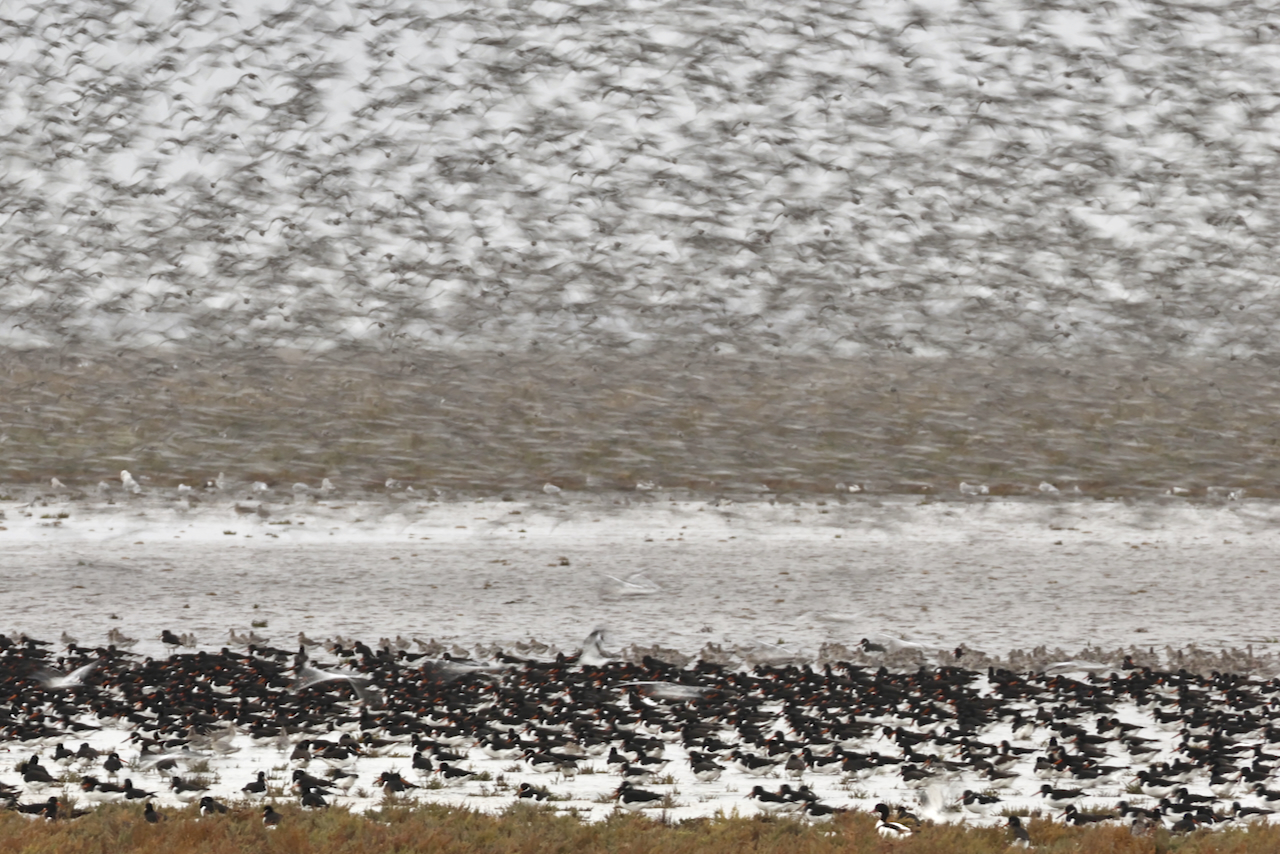
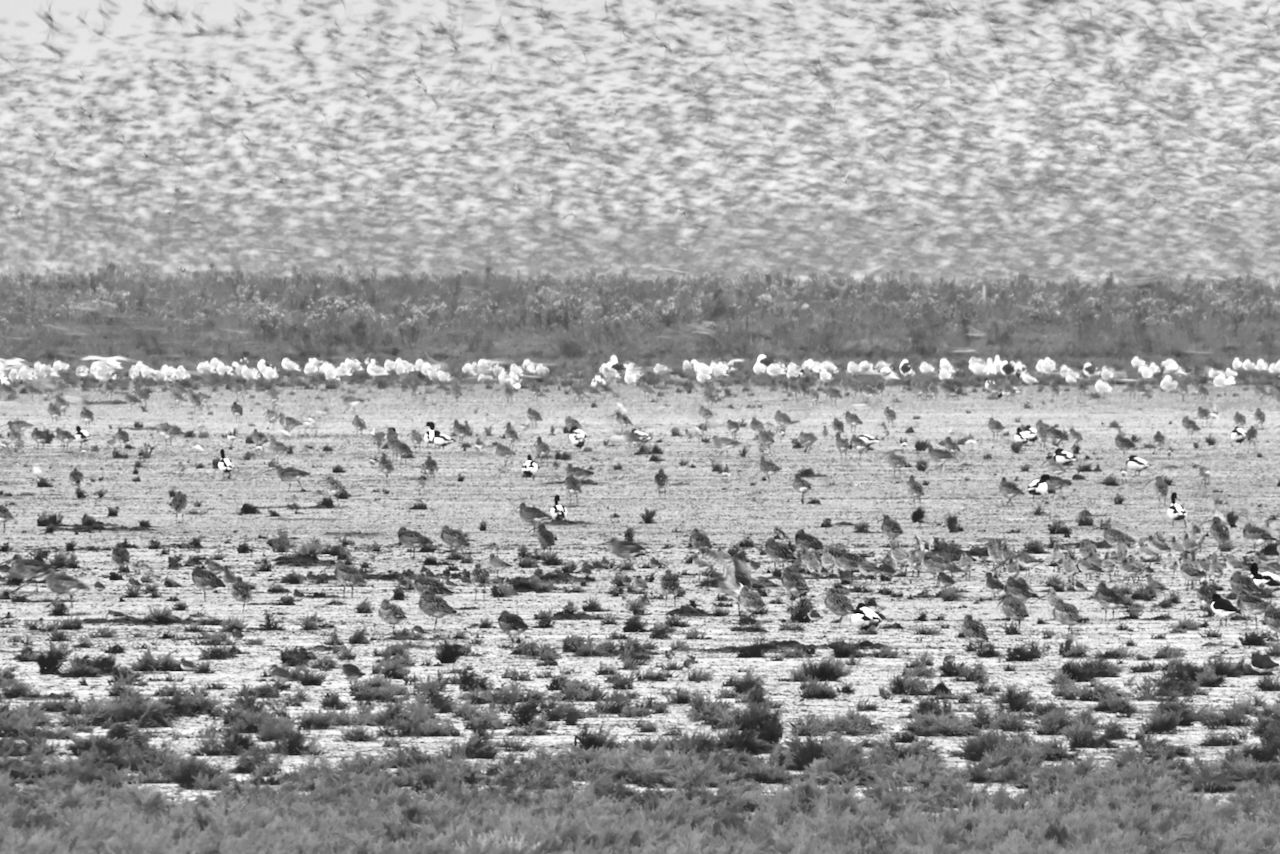
Huge groups of shore birds gather closely on the remaining sections of estuary
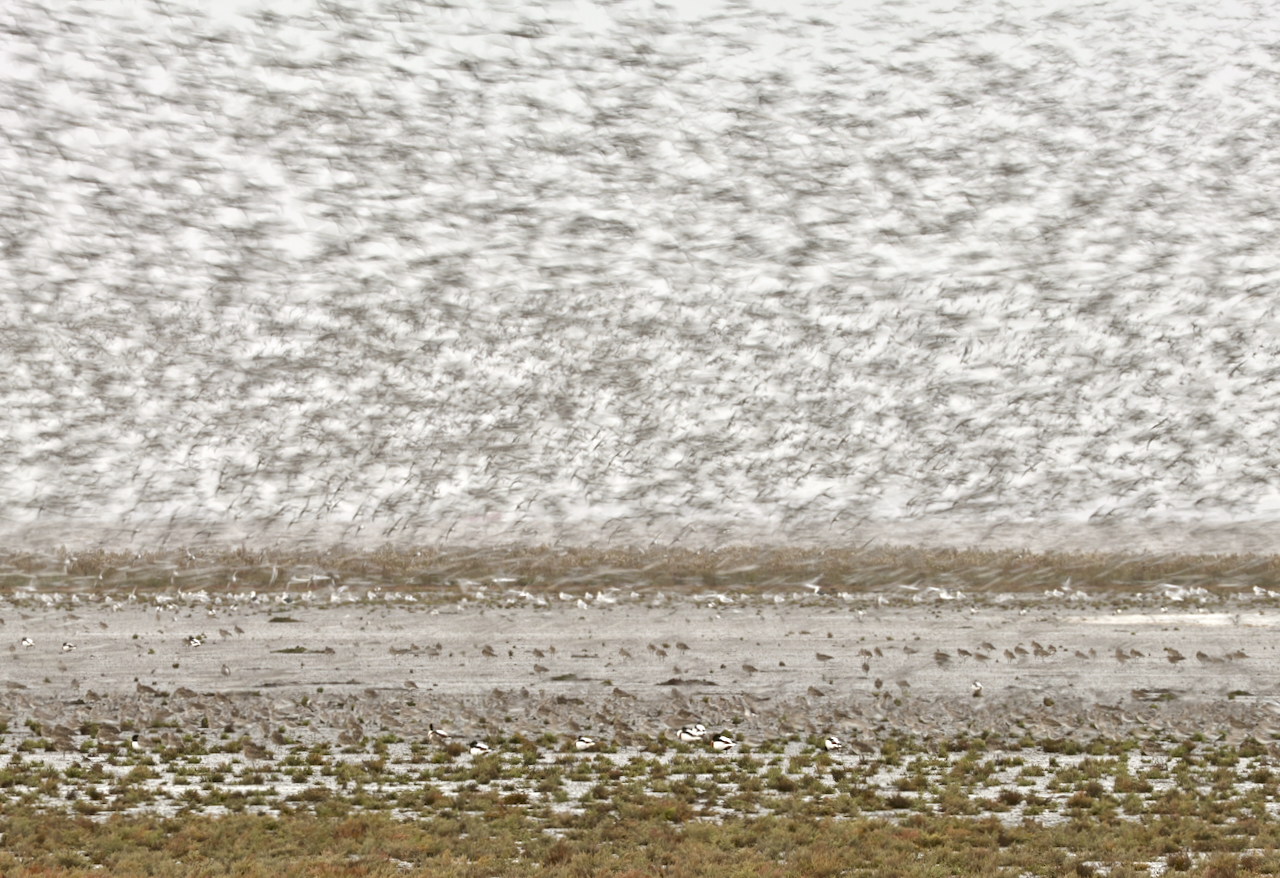
As the tide rises, the first groups of waders are forced to flee into the air
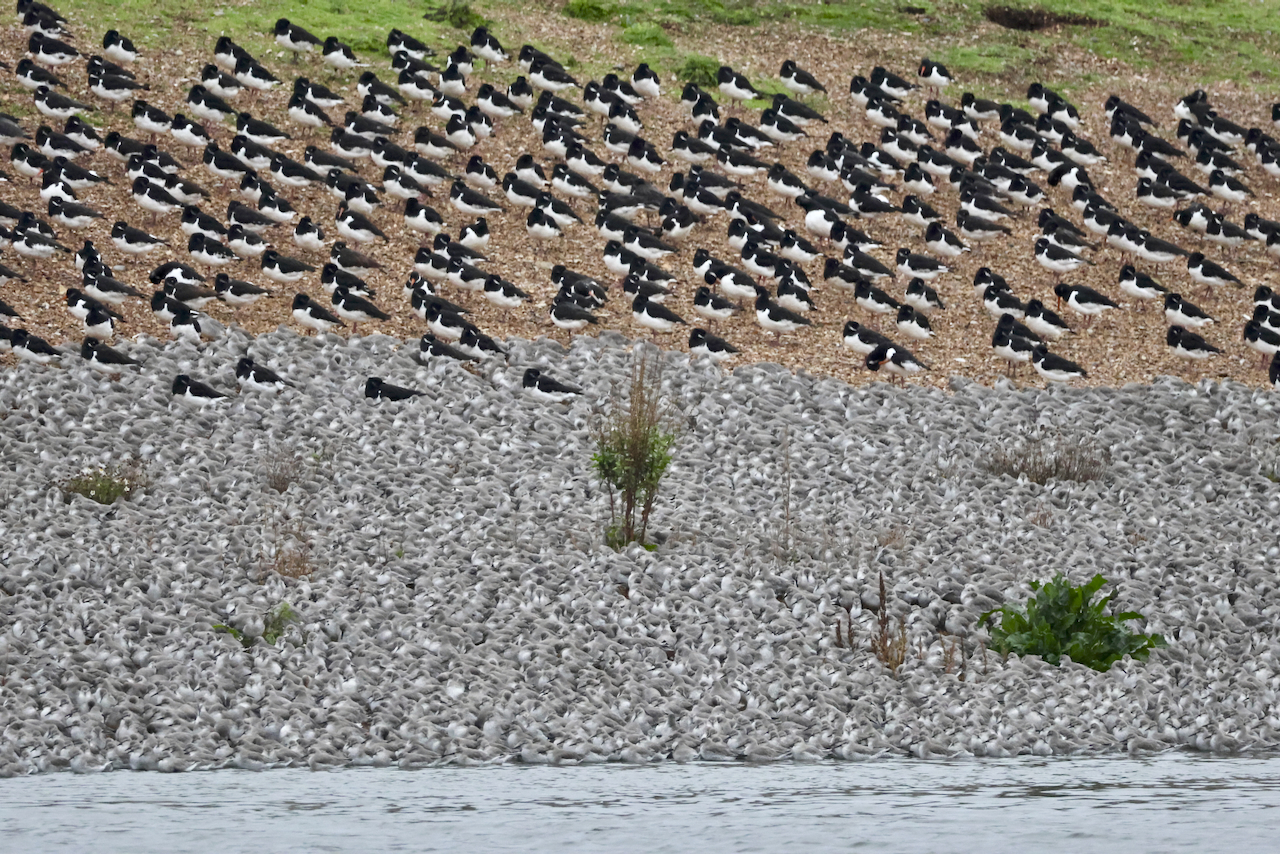
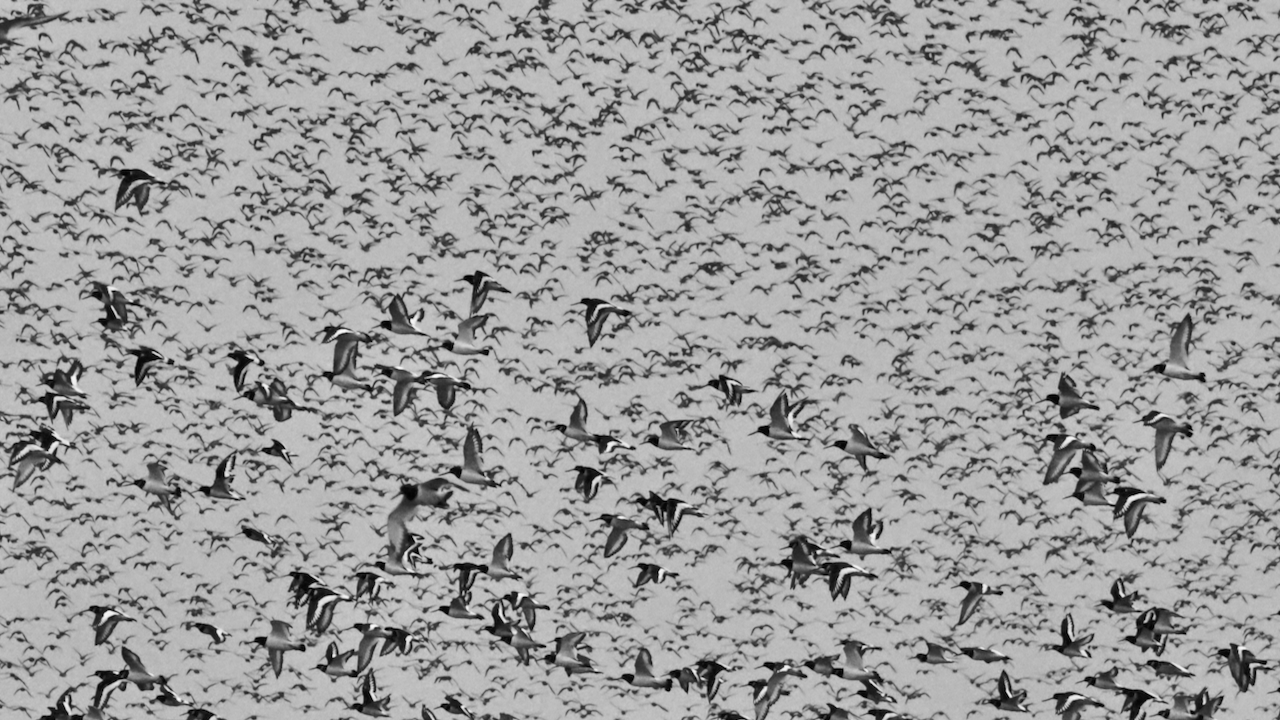
Red Knot, a stunning medium sized wader that breeds on the Artic tundra is generally considered to be the star of the show. These photos show the knot’s size and shape relative to more well known oyster catchers as well as a closer view of their feathers. In Autumn the knot show their winter plumage; A neat grey and white compared to the salmon pink of their breeding colours.
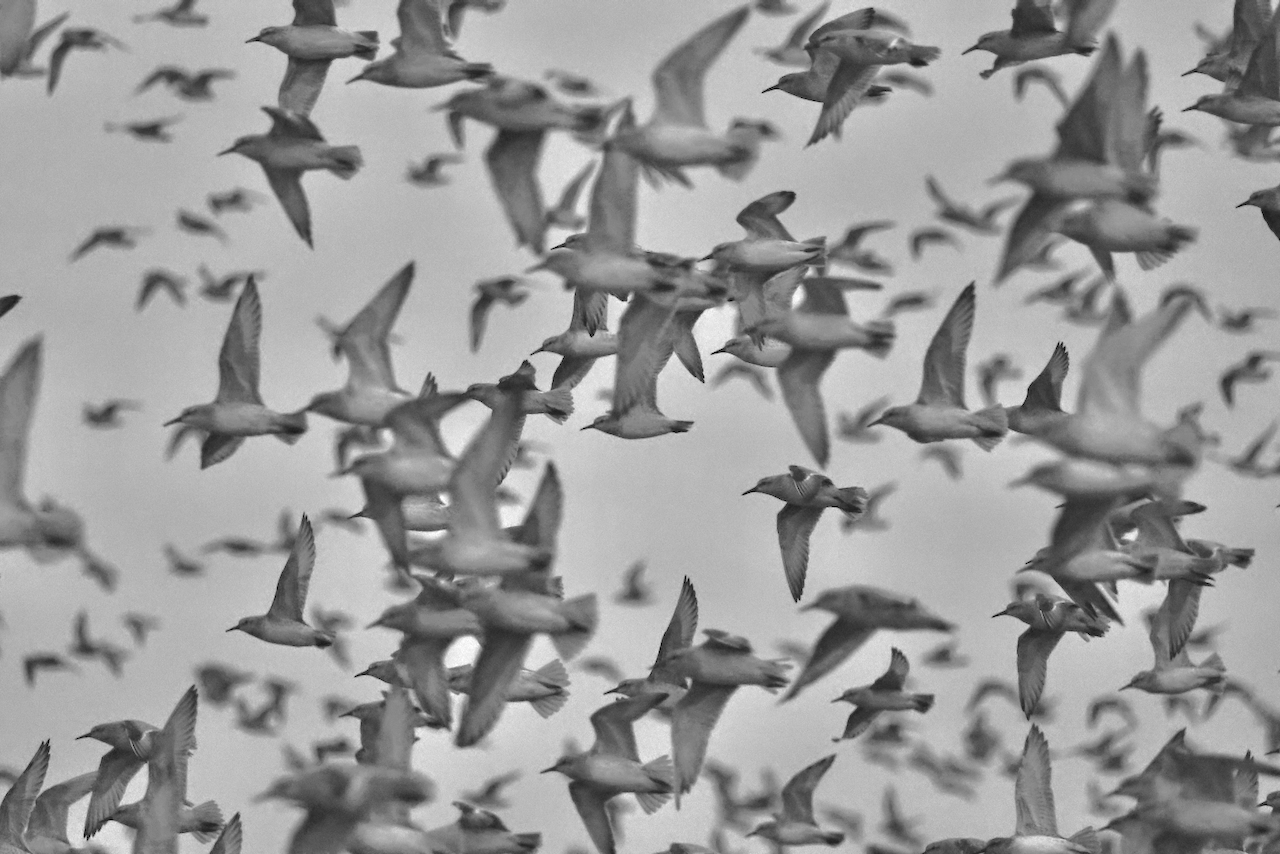
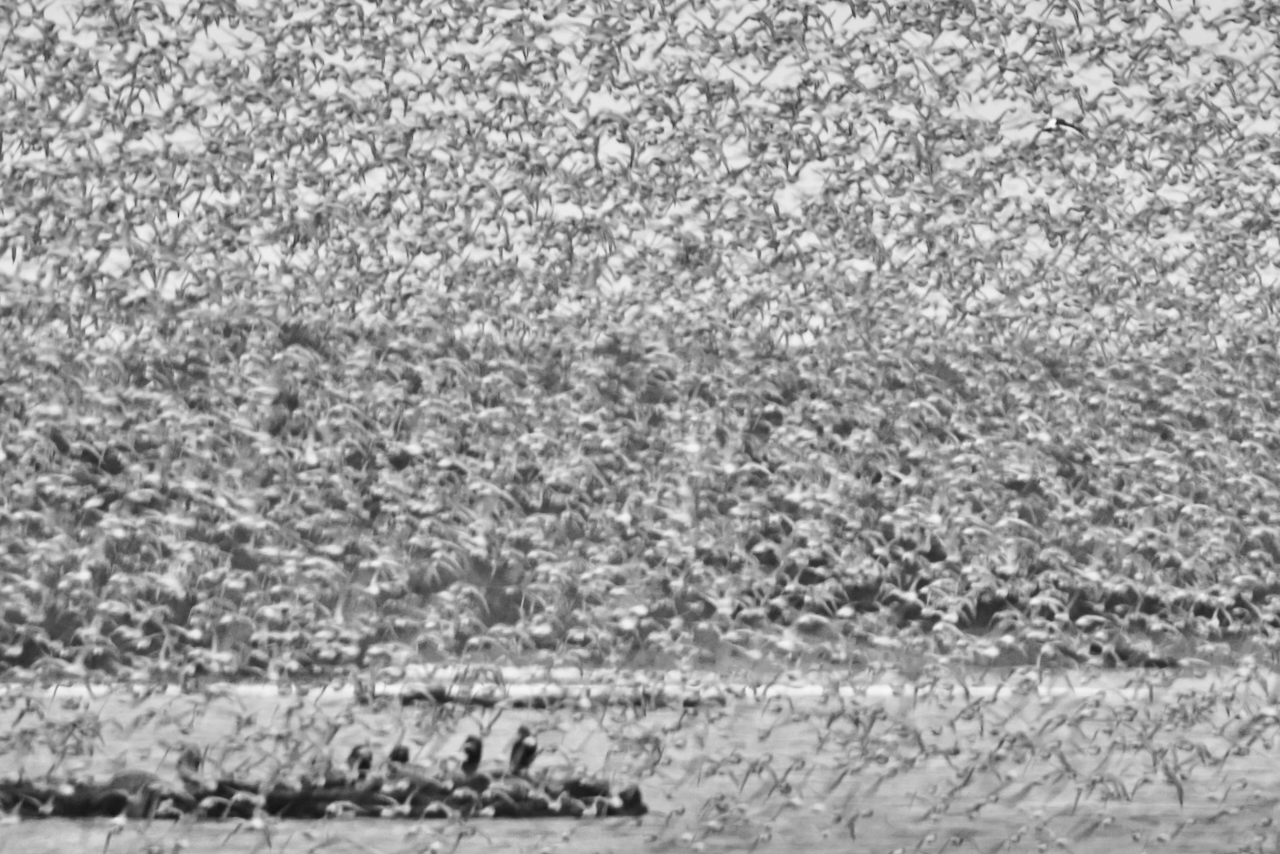
As the high tide peaks, the skies fill with waders
My experience of The Spectacular went beyond my imagination. The noise, the sheer volume of birds in the air and the sense of companionship from others gasping with me was fantastic enough. Although above all of this, I was astounded by the continual sense of natural motion around me. The sea encroaching onto land without mercy, the patterns that different bird species made as they were flushed upwards and the constant swirling of waders jostling for position is something I’ll never forget.
It was more important to me to capture this movement rather than achieve exact identification of each animal. I slowed my camera’s shutter speed and slowed myself, as the knots swelled again ready for their encore.
A train journey from Málaga to Madrid takes in Roman, Moorish and modern Spain. A delight of food, flamenco and often forgotten histories.
Despite the Romans’ reputation, it took them a while to conquer the Iberian Peninsula. Moving south over several centuries, they built a network of roads connecting Cádiz in the western Mediterranean with modern-day Catalonia. They made Emerita Augusta (contemporary Mérida) their capital before another wave of conquerors, the Visigoths, arrived from the north.
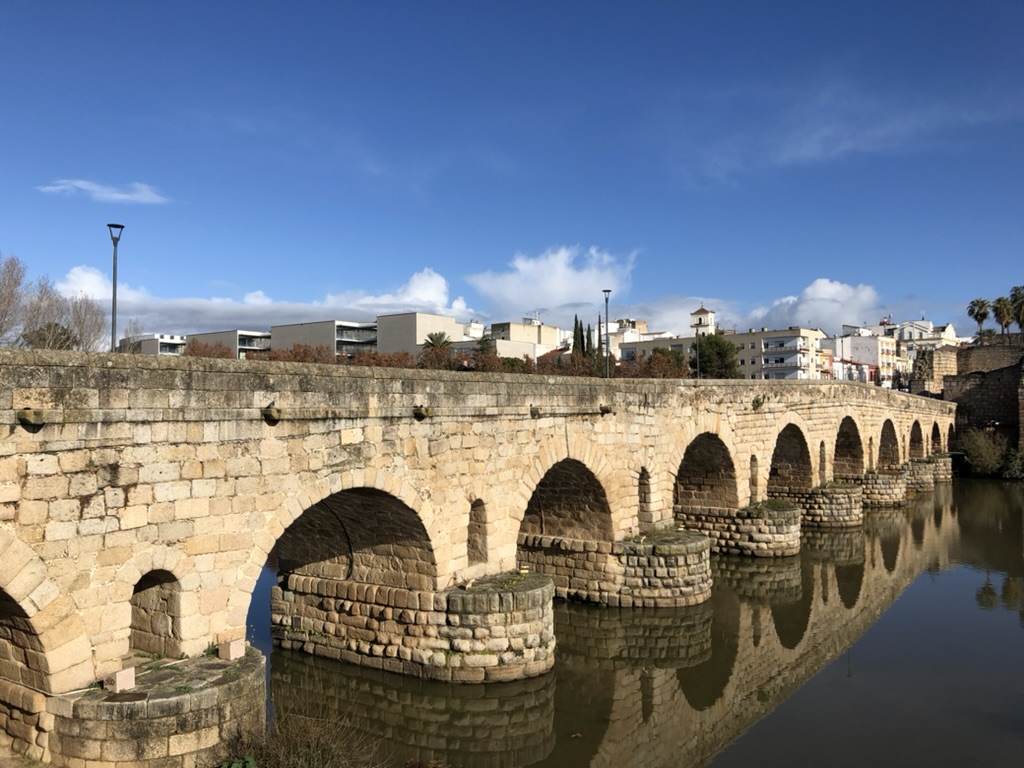
Merida’s puente romano in Extremadura
Tumultuous Visigothic rule ended when the Moors invaded in 711AD. They were intent on taking the entire peninsula from the south and more or less succeeded. At its peak, the Caliphate bled into Spain’s most northern provinces, with its epicentre of power stretched across today’s Andalucía. Granada was the final city of Al-Andalus to fall in 1492, as Spain’s rulers looked to the Atlantic for new territory to conquer.
In 2021 I traced a route that both shaped and shows the shape of today’s Spain: Roman roads, Moorish expansion, Ferdinand and Isabella’s Reconquista and the civil war that led to Franco’s dictatorship. Like a tapas-laden table, my trip pieced together Spain’s identity, while I was left wanting more.
Málaga: An Introduction
The preamble to my very own book of Spain is more known for its coastal resorts. So I take one last look at the sea before heading into the city to explore its ancient Phoenician walls, roman-era amphitheatres and the first Alcazaba of my journey. This example of Moorish architecture will repeat with increasing grandeur each day I move north. I visit Picasso’s birthplace and consider the artist he grew into. My mind jumps ahead to the ticket I’ve booked to see his Guernica. A entire record of the the pain inflicted by Spain’s civil war on a single canvas.
Málaga also brings me into Spain’s rhythm. I’m out early to make the most of soft December light. I devour large meals at lunch. Then take siestas to the rumbling narration of TV’s Grandes Documentales nature show. Each evening doy un paseo. I take a stroll. Grazing on ibérico ham, marinated anchovies or the city’s signature cold soup; Ajoblanco. On the third day my bus turns inland between mountains that hug the Costa del Sol, direct to Granada.
Granada & Córdoba: The Zenith Of Moorish Spain
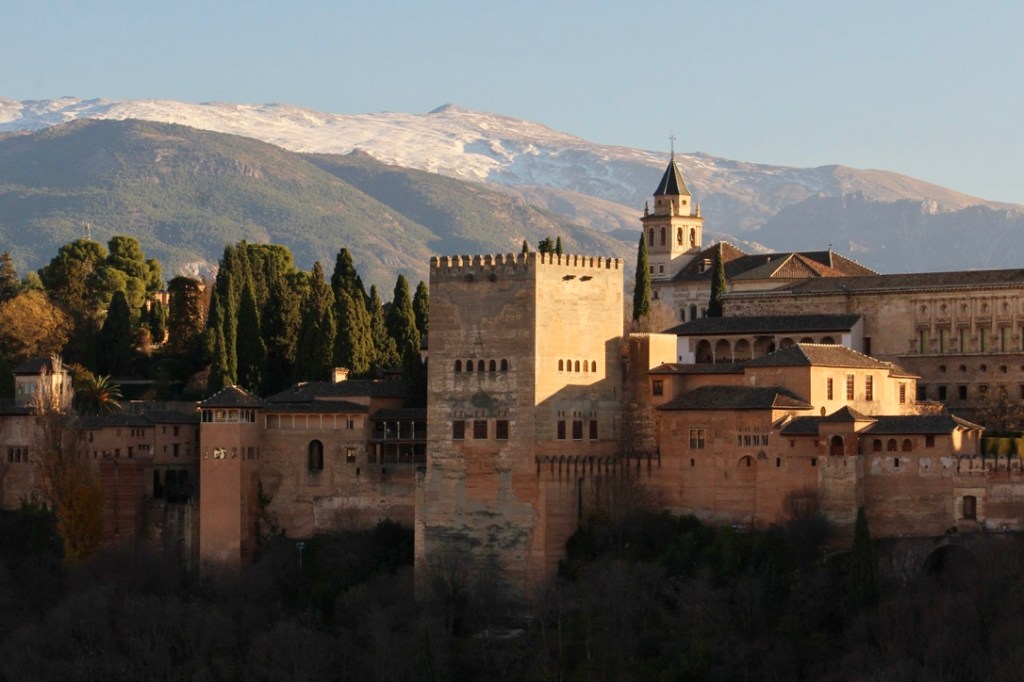
I feel silly starting at the end. Although I know that the Alhambra Palace – the final stronghold of the Moors in Spain – is the best place to understand just how successful they were. From its ramparts, I have uninterrupted views of Granada. The perennially white-washed Albaicín. Sacromonte and its flamenco caverns. The monolithic cathedral. A statement piece commissioned by Ferdinand and Isabella shortly after their expulsion of the Moors and subsequent Inquisition.
Granada’s Alhambra Palace in front of the Sierra Nevada
From my tower, I’m even able to map the area’s natural history. The snow-capped Sierra Nevada almost diminishes the formidable palace. Below, an icy River Darro runs through the city centre. The Roman’s river of gold now only carries dancing December sunlight past the Albaicín’s medieval iron doors.
I succumb to the colder climate. I take my time over hot garbanzos (chickpea) stews and morning churros with my café con leche (flat white). Hours slow down as I watch dance groups salsa in the doorways of renaissance mansions and families prepare for Christmas at the markets around the cathedral, once the city’s mosque.
At risk of losing myself in a Moorish romance, I arrive in Córdoba. Al-Andalus was ruled from here. Trade and literacy thrived, wealth built and with it, architectural wonders found nowhere else in the world. In fact, I discover a city so jam-packed with historical importance that UNESCO has created one mammoth site at its centre.
I spend a morning in La Mezquita. An entire day in its surrounds. I spin into shafts of rainbow light in between its infinite arches. I’m sure no building demonstrates a country’s early evolution as clearly. Over a millennium this has been an ancient church, the grandest mosque in the Muslim world and a christian cathedral. Visigoths repurposed roman columns, Emirs built upon them and christian conquerors were uncharacteristically sensitive in their adaptations. Lastly a gold-encrusted catholic centrepiece pierced La Mezquita’s heart during the Renaissance. Making it one of the most unique buildings on the planet.
La Mezquita like the tight bud of an early rose, is the centrepiece of opening petals showing Córdoba’s eras. Roman roads, bridges and theatres. A Jewish Quarter holds its sombre tales as subtle references from the pavement tiles to the high ceilings of miniature synagogues. The Guadalquivir River flows into surrounding countryside and I trace its banks throughout my stay. I spot kingfishers and cormorants on its green islands, imagining what it looked like in roman times as a functional gateway for Mediterranean trade.
Seville: Quintessential Andalucía
If I was in the weeds of Moorish Spain the week before, then Seville plucks me out. I remember the Spanish phrase Para picar: To nibble small plates of different food. Seville is this. A little bit of everything all at once.
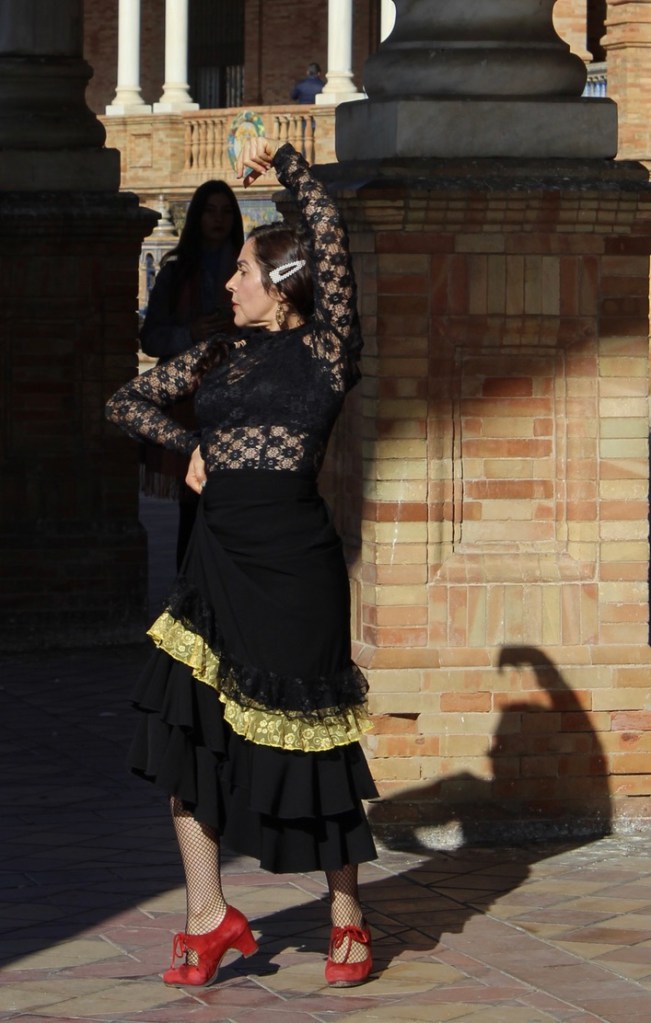
Flamenco shows in Plaza de España
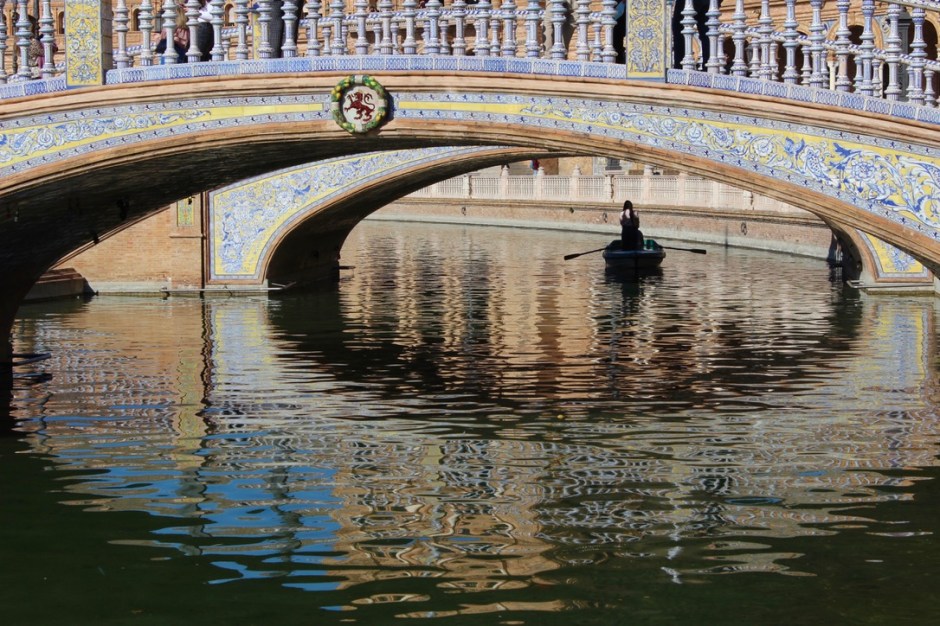
I still linger within its Mudéjar architecture. The Alcazaba blends gothic, islamic and baroque styles into dreamlike kaleidoscopes of dripping stars. Although I also spend a morning in the early 20th century Plaza de España. A sweeping construction sporting a ceramic who’s who of Spain. I beeline to the tiles that show the route I’ve travelled so far and where I’m headed next. I love it. It’s utterly unique and shiny in the lemony-low sun.
I slog to the top of La Giralda. The largest gothic church on earth. Its shadow passes ominously over rooftop pools in nearby streets. Downstairs I pass the resting place of Christopher Columbus. Once a Spanish hero, now considered one of history’s most contentious characters.
By now I don’t follow a Spanish rhythm. The rhythm owns me. I’m tired after lunch so rests become mandatory. I’m alive of an evening, looking down narrow bar streets and sniffing out my next montadito. In a few days I’ve made my Seville montage: Flamenco, tapas crawls, conquistadors, white wine at lunchtime, more Mudéjar, matadors, hip patisseries, glorious sunshine, smiles from chatty taxi drivers and unlimited salmorejo. Would you like a little bit of Spain? Sí, por favor.
Cáceres: Growth Of An Empire
As I start to question how on earth Spain’s rulers afforded all this decadence, I arrive in Extremadura.
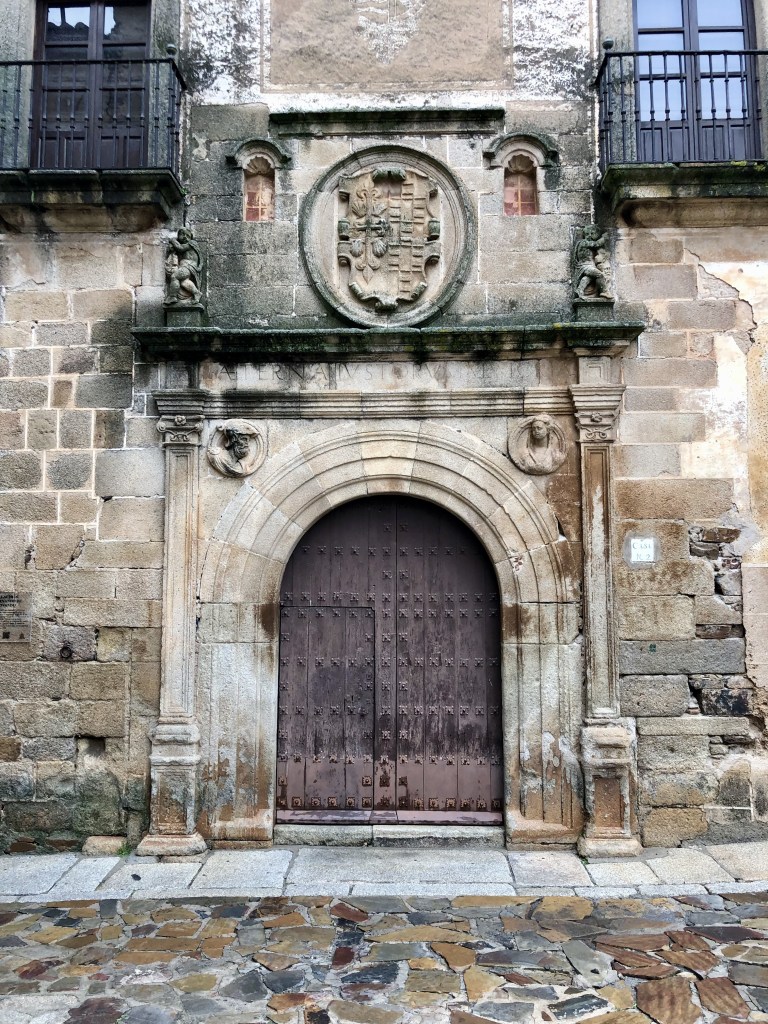
The rich doorways of Cáceres old town
Four hours’ train ride is enough time to watch Andalucía’s sharp sierra peaks give way to undulating, rugged farmland. I occasionally spy the region’s renowned pigs gnawing at low-slung oaks. Not a quaint view but indicative of where the area’s wealth now lies: The subtleties of its farming traditions that drive culinary excellence.
Though I recall reading about a time when its farmers left in droves. Because as Granada fell, Christopher Columbus was on course to arrive in the Americas. And while his original voyage was uncertain, its eventual success is abundantly clear in nearby Cáceres.
In teaming rain I explore its renaissance palaces. Stone walls as wide as the streets they sit in and colossal bronze doorways, each distinguished by its own family shield. I realise that Extremadura’s farmers became conquerors. The Roman Via de la Plata became a river of gold. Inca and Aztec riches flooded north via Cáceres into other parts of Iberia. They funded the growth of an empire, centralised its leadership and secured Spain’s future as a nation.
The rain continues for six days and I’m reminded by a local waiter called Juan that it’s critical for next year’s crop. In a province where farm to fork is a very literal practice, predictable seasons are key. Still, the weather thwarts some plans. I postpone a visit to Monfragüe Park, prioritising history books and delicious food from midday onwards. I sip too much Pedro Ximenez and siestas slip into three-hour affairs.
I squelch around Merida, the old Roman capital. Seeking shelter in its stunning contemporary museum. One of the world’s largest roman collections. I mooch in Trujillo. A mountain monastery town exposed to the elements, from where Francisco Pizarro left to conquer Peru’s Inca empire. I munch pan con tomaté and reminisce in Don Benito. A country town close to my heart that draws on its fertile fields and friendly people as its main trading currency.
I being to understand why those Golden Age farmers fled. Life can still be tough in this part of Spain. Some people are always one poor crop away from financial stress. Regardless, those young men who bought into rumours of glittering treasure across angry oceans were arguably the making of modern Spain.
Madrid: Modern Spain After Franco
Like a nervous system feeding the brain, all trains pulse into Spain’s capital. I arrive across its high plateau on a typically crisp December morning.
Madrid was born as a Moorish outpost and grew rapidly with the Renaissance, as monarchy moved in and empirical administration was centralised. Although perhaps its true rebirth began with Franco’s death in 1975. Freedom from the dictatorship sparked a cultural resurgence known as La Movida Madrileña. While southern cities sparkle with the trappings of caliphates and empire, Madrid’s buildings are statements of a more modern power. The opulence of its royalty and the wide, symmetrical facades of Franco’s regime. Over forty years since its collapse, the dictator still looms large from his austere vantage points.
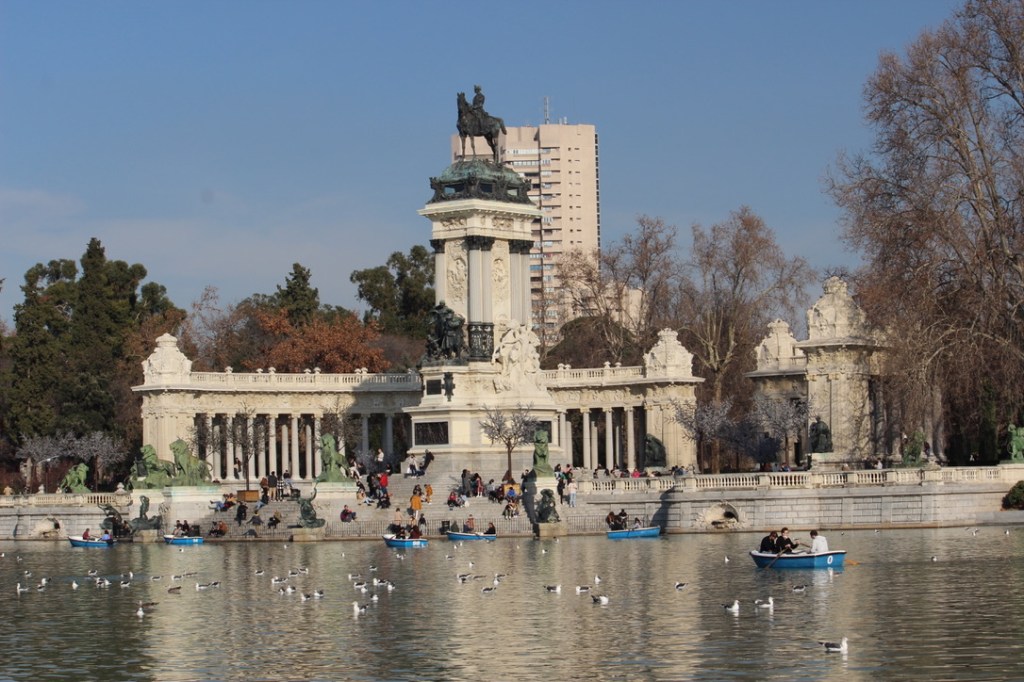
A statue of King Alfonso XII in Retiro Park
I spend a morning at Reina Sofía art museum with Dalí, Miró and Picasso for company. Finally appreciating the latter’s Guernica. Depicting the annihilation of a Basque town during the civil war, it’s so brutally absorbing that an hour with its details is barely enough.
I walk the length of Retiro Park. Alfonso XII and I watch everyone row boats around its lake. He’s known as the Peacemaker. A symbol of relative calm after years of royal exile, turmoil and revolution in the early 19th century. I eat around the capital’s indoor markets. A culinary review of my journey to date: Gambas pil pil have been brought up from Seville that morning. Glistening ibérico is fresh from Merida. And Pintxos – a Basque speciality – give me wanderlust for a northern coast I’ve yet to explore.
One evening I treat myself to dinner at LHardy. I guzzle copious portions of sopa de fideo and the city’s namesake stew. People have been stuffing themselves here since 1839. Famous politicians, spies and royalty have all sat down before me so my meal’s significance goes beyond food. Here, the leader of the second Spanish republic was chosen. If there’s a place to finally break my Spanish rule of no large evening meals, it’s LHardy.
On my final night I welcome a new year in Puerta del Sol and wonder what’s next for Spain. All around me Madrileños once again celebrate freedom. Not from a dictator but from the grip of a global pandemic. After experiencing loss and uncertainty they now seem joyful together.
For me this country’s appeal lies in its patchwork of unique regions. Each rich in their own way. Each with their own story that tethers to that of its neighbour. Each with increasing autonomy. Although as we go further into the 21st century, cementing that sense of unity which Madrid’s original government sought to create, may become Spain’s biggest challenge yet.
Owaru pointed into the dawn as it shook its wan greys into the golden beams of a warm morning. “The hippos have taken the rice fields back now. Theirs again”.
The idea of marauding hippos was an interesting one as I perched on a caked wave of soil. A woman stood as a wobbling island amid pools of old rice paddy that reflected dawn like a mirror. If the hippos decided they didn’t want us in their paddies, running wouldn’t be an option. Although strangely, after spending a day with Owaru I felt immeasurably calm. His mild presence like a heavy blanket that comforted me.
The Chimpanzee Rehabilitation Project (CRP)
Owaru, a retired chimpanzee expert and village shaman, started work at the CRP as a boy in the early eighties. Now he dips in occasionally. Purely for the enjoyment of spending time with the chimps and educating tourists.
Stella Brewer’s idea to create a space for orphaned chimpanzees in the 1960s led to a decade-long search for the right spot. In 1979 with Janis Carter’s help, the first chimpanzee group was brought to River Gambia National Park. Today almost 150 chimps roam free in different troops across the river’s Baboon Islands. The CRP monitors them and provides extra food. While the thick gallery forest that drops straight into the currents of a wide section of the River Gambia keeps them safe from poachers.
Working with local communities is a cornerstone of the project. In fact, Janis, who now leads the project, remarked twenty years ago that “The best hope is to forge a relationship between people and chimps living close to them.” Today, a maximum of four visitors can also stay overnight. This supports seven nearby villages who have made continual sacrifices for their wild neighbours. Owaru and his expertise is a product of that deep collaboration over more than forty years.
Out On The Water
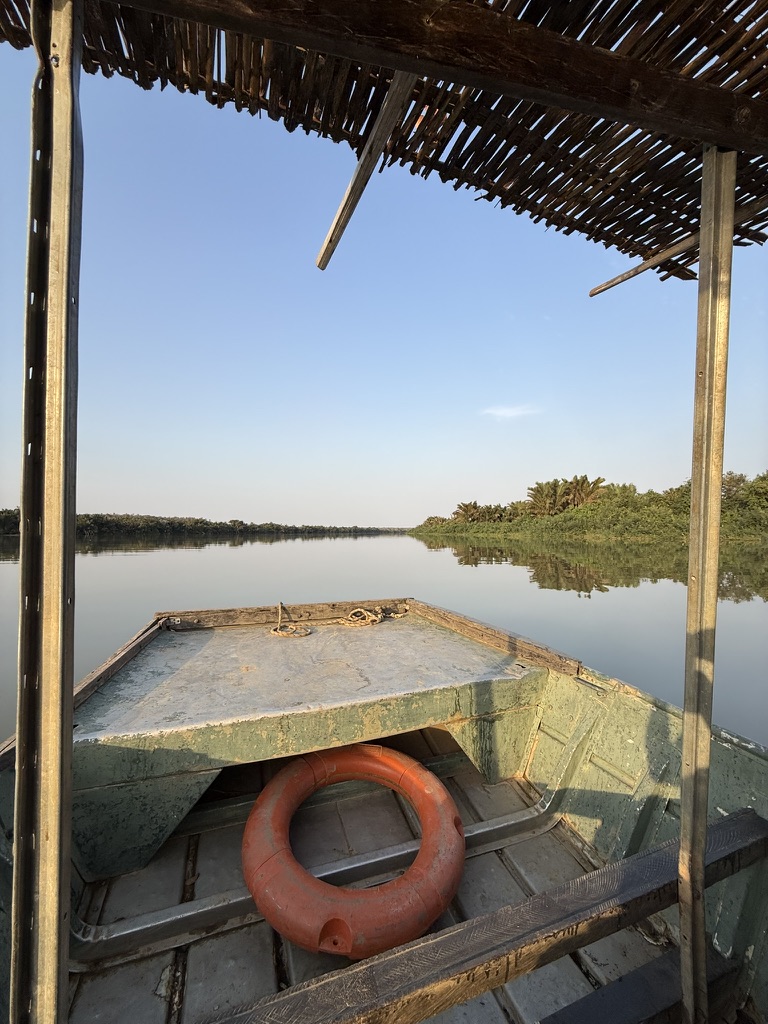
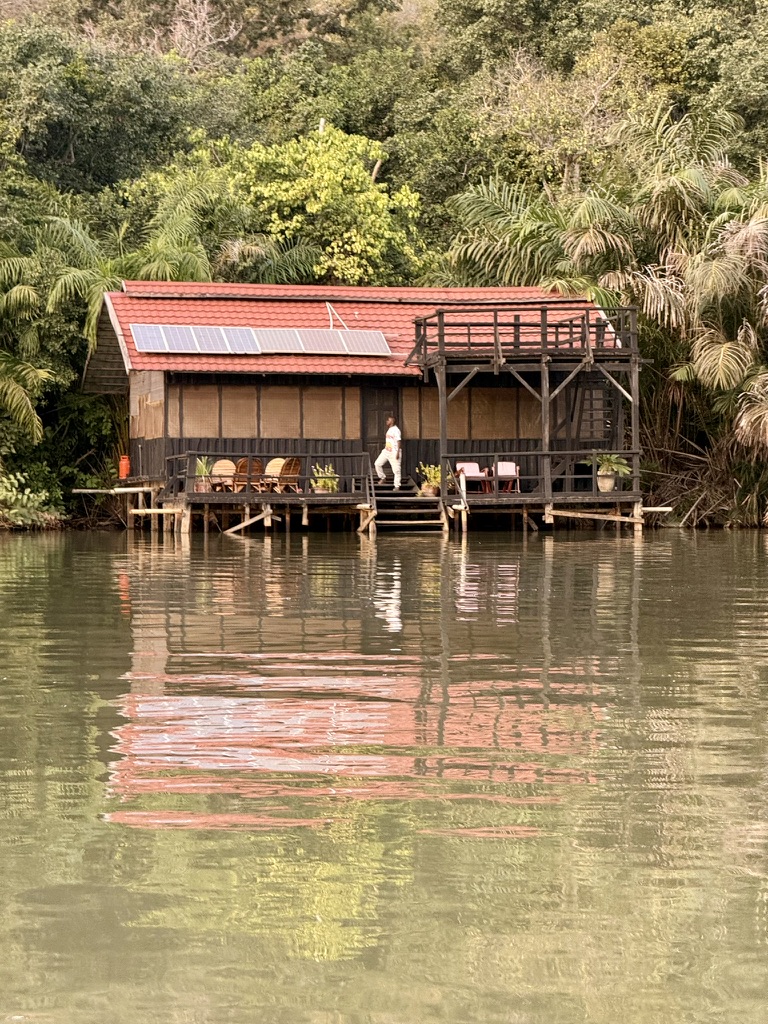
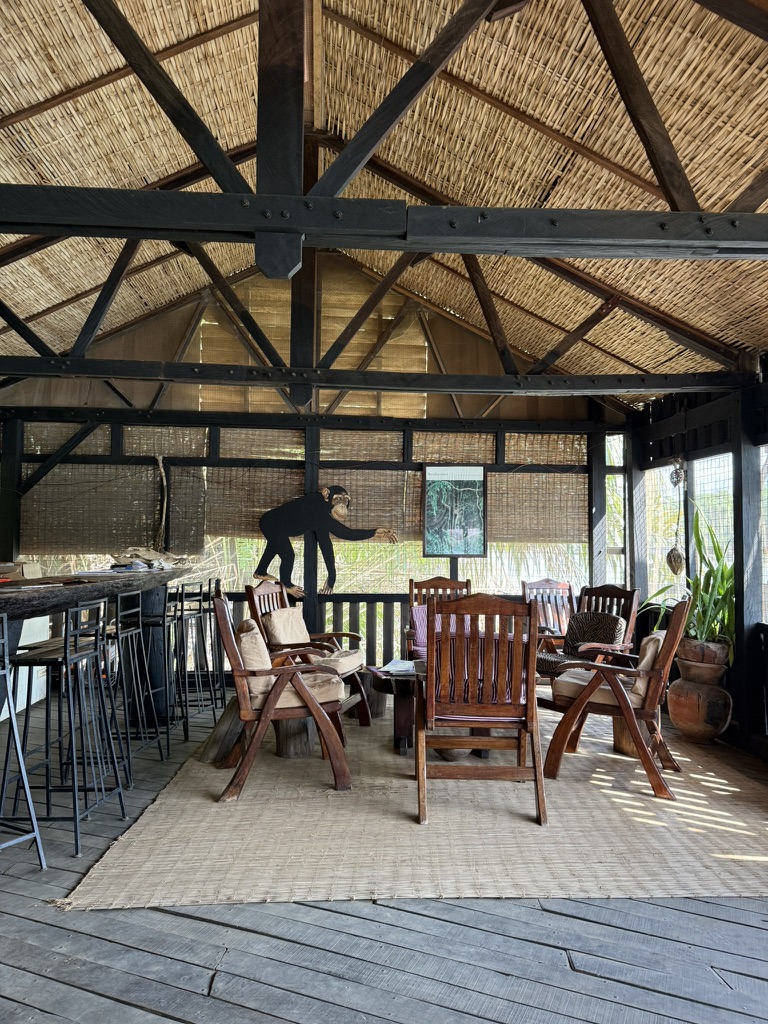
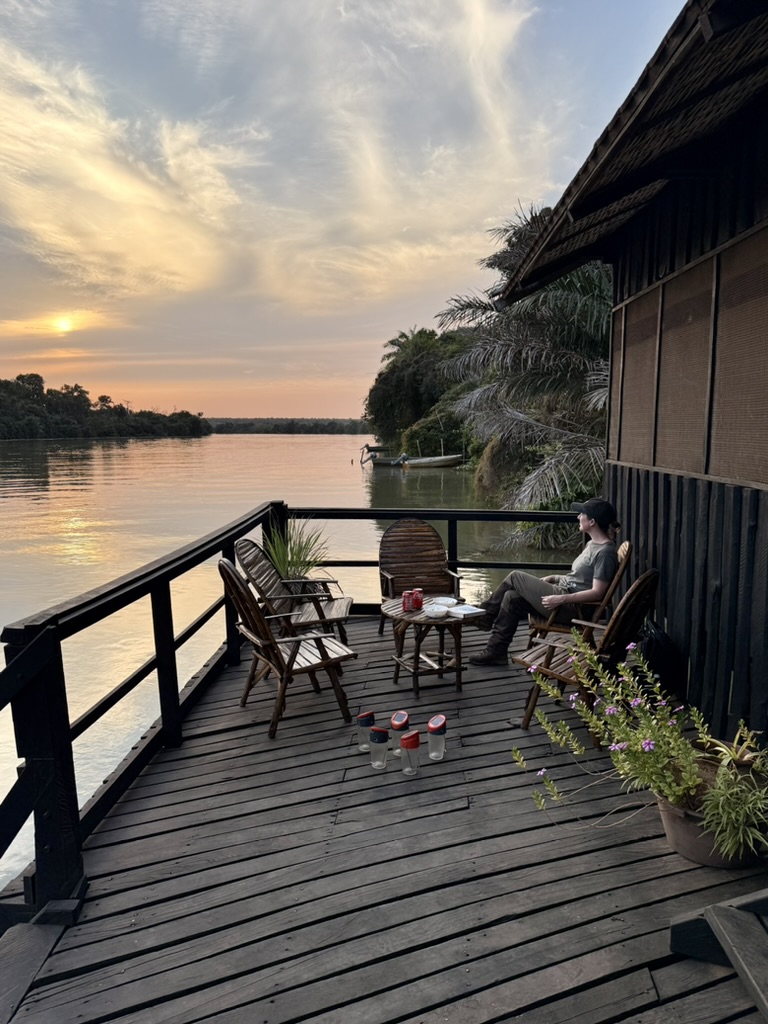
After a five hour drive inland from Gambia’s coastal resorts, I made the final hop to camp via a thirty minute boat trip up river from Wassu. Special adventures always follow an arrival by boat. And as I stepped into CRP’s jettied headquarters its rich wooden panels, mosquito-netted windows and hand drawn posters threw me back into another time. A few rooftop solar panels the only giveaway that it was January 2026.
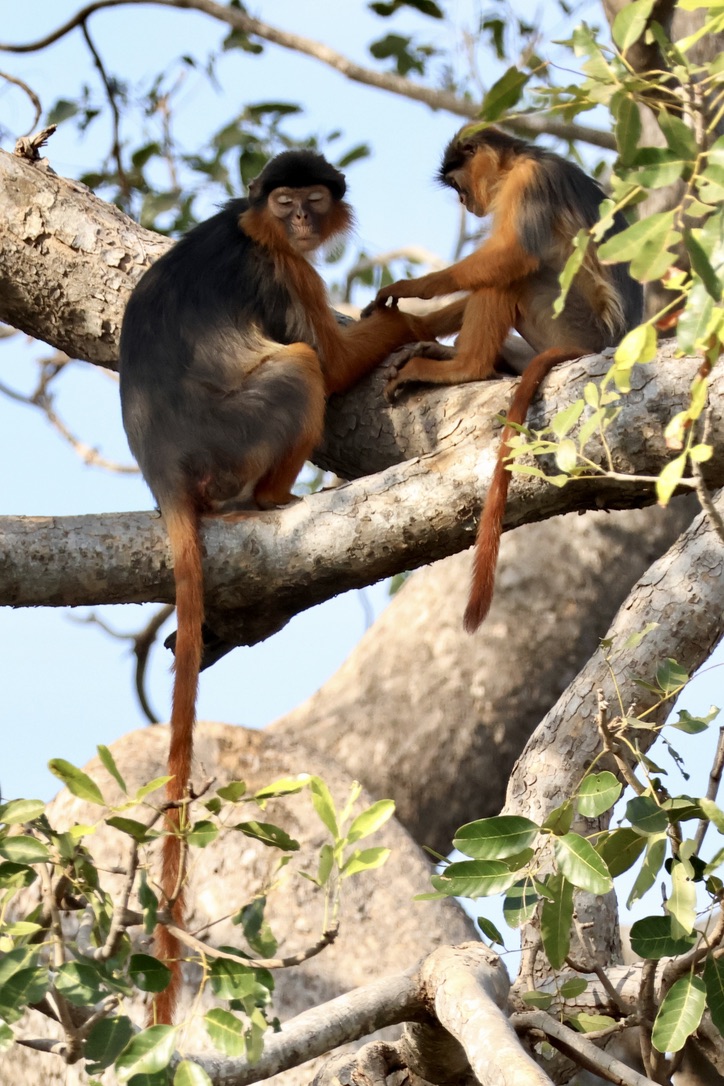
After a lunch of chicken yassa, we launched back onto the water. The afternoon’s sun was already losing its pinch as Owaru tillered around the first island. A critically endangered red colobus monkey, ethereally beautiful with its red cape, sallow complexion and hollow eyes, surveyed our progress from above.
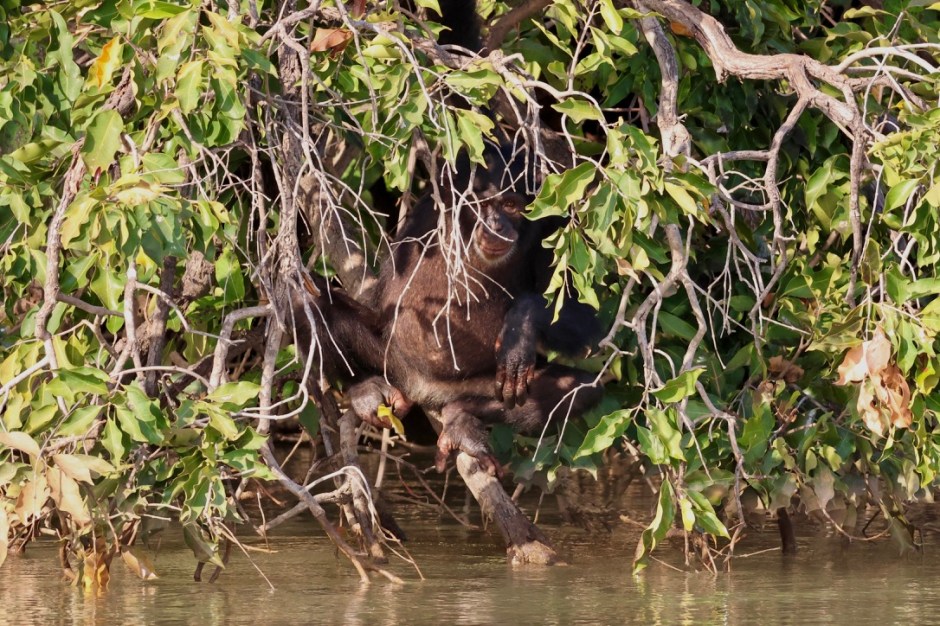
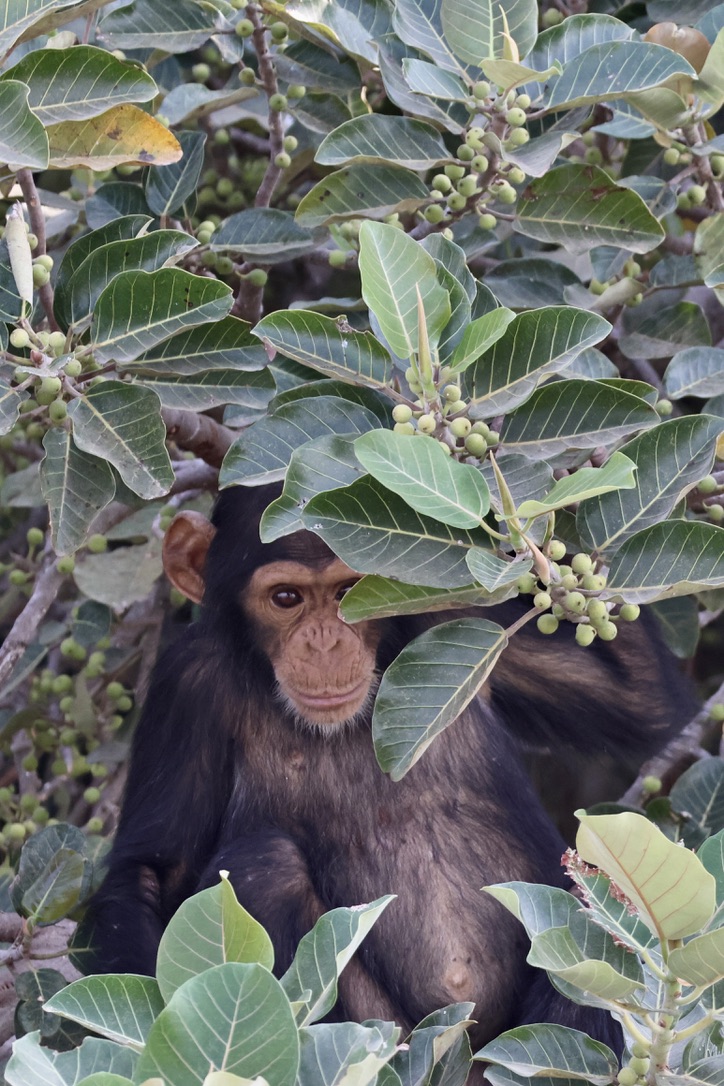
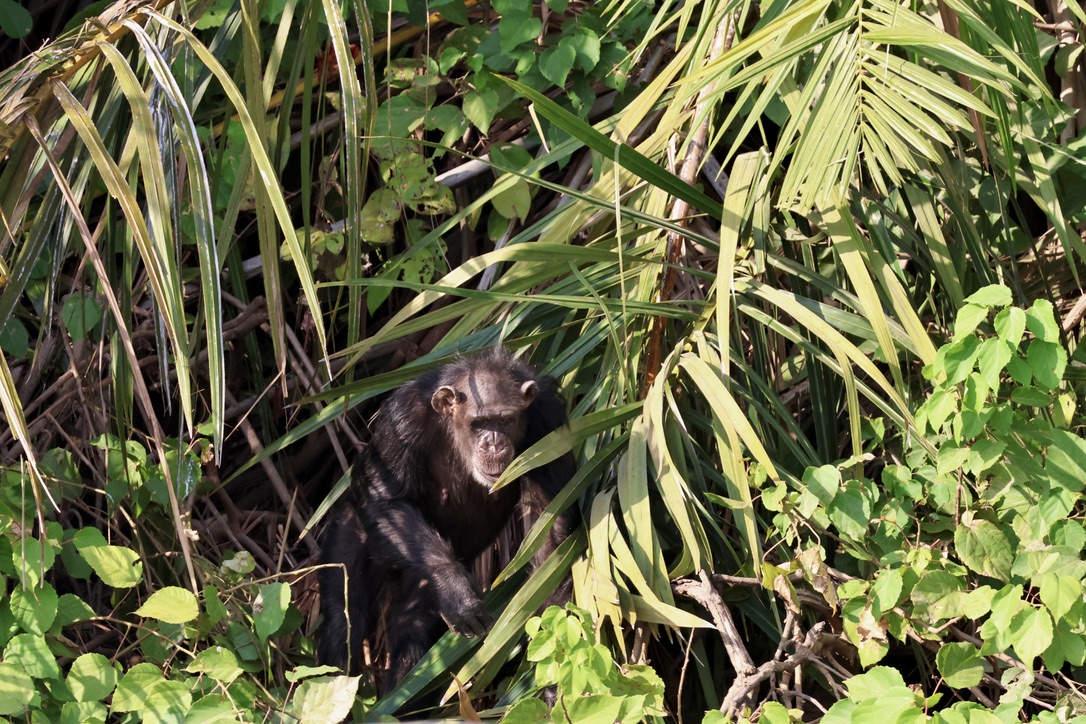
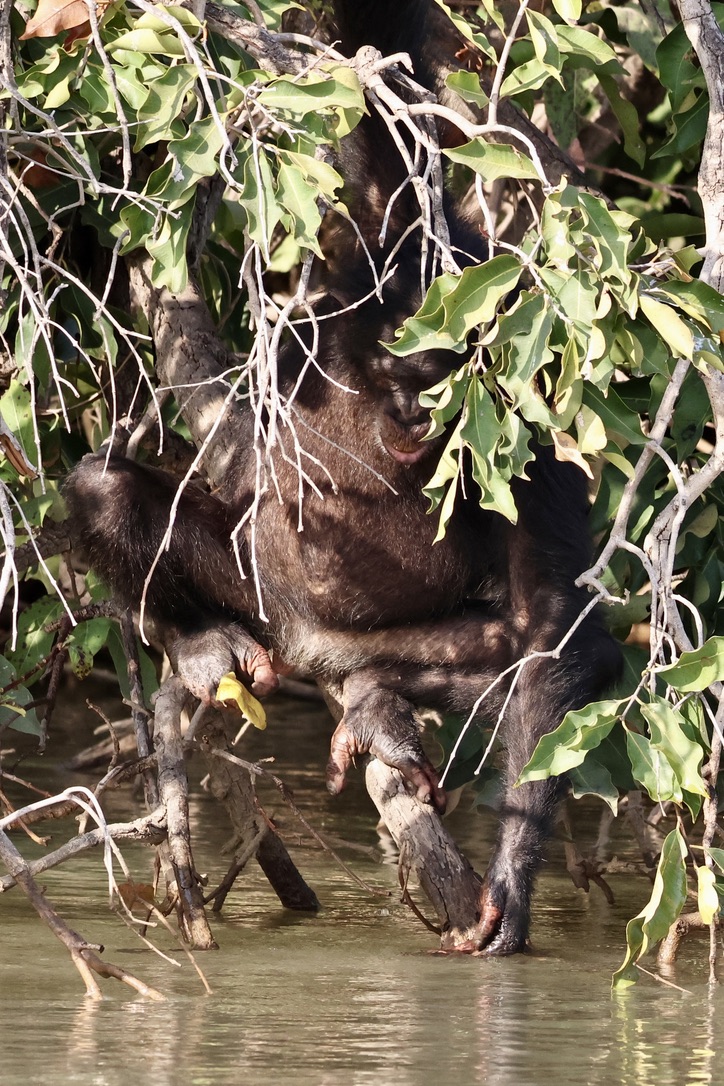
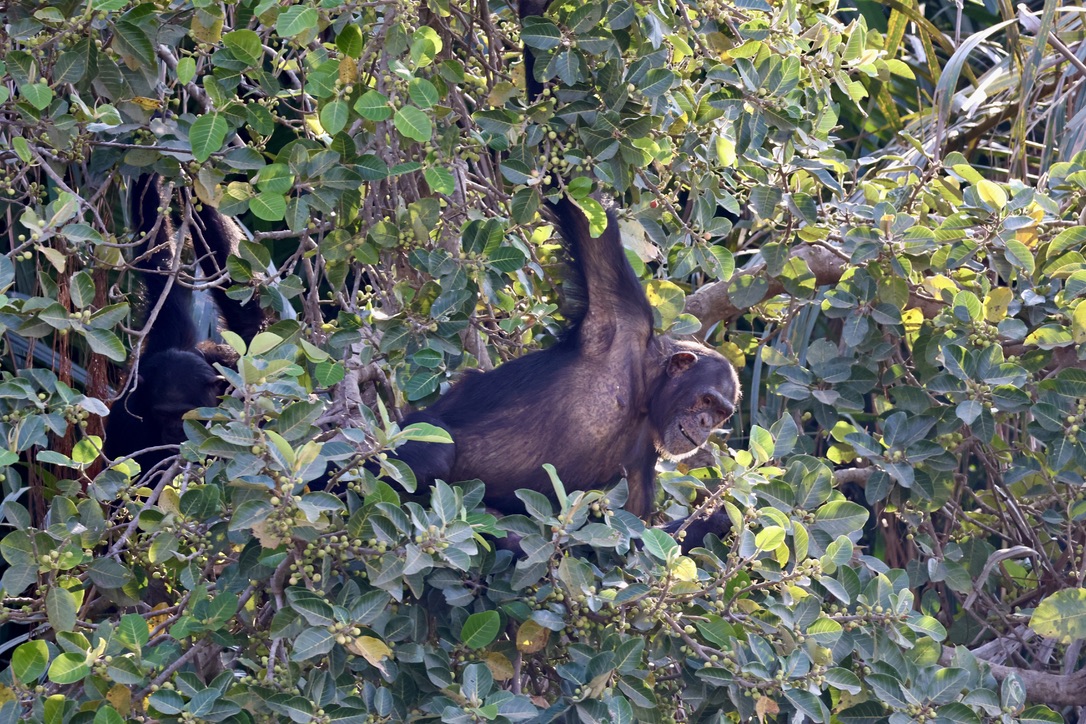
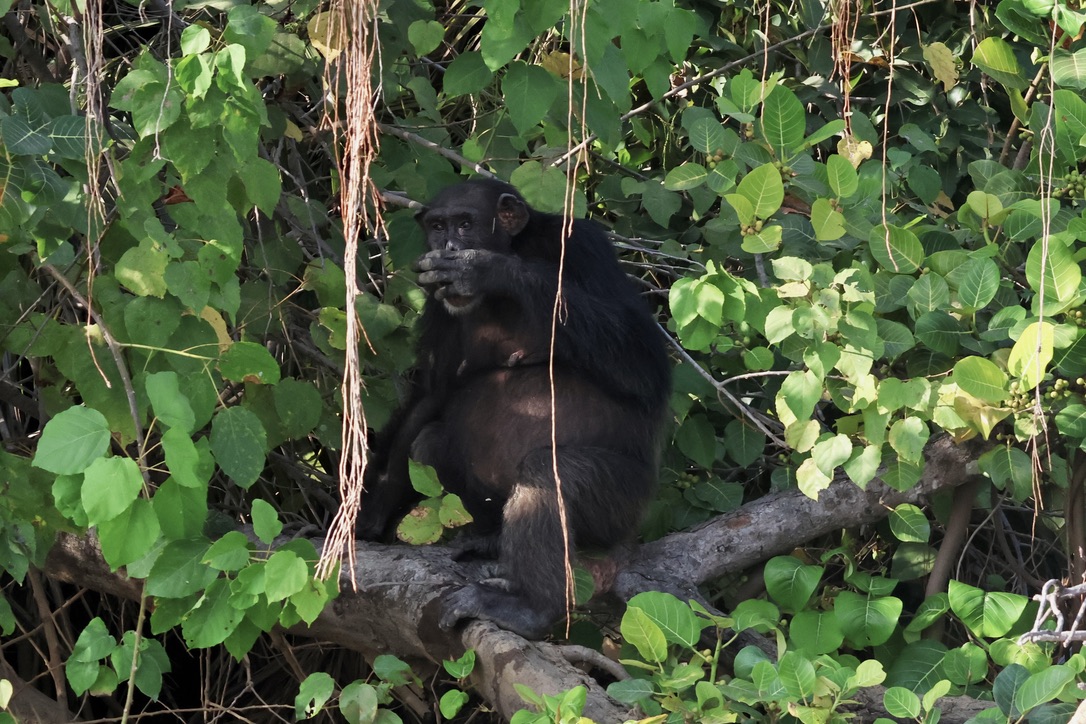
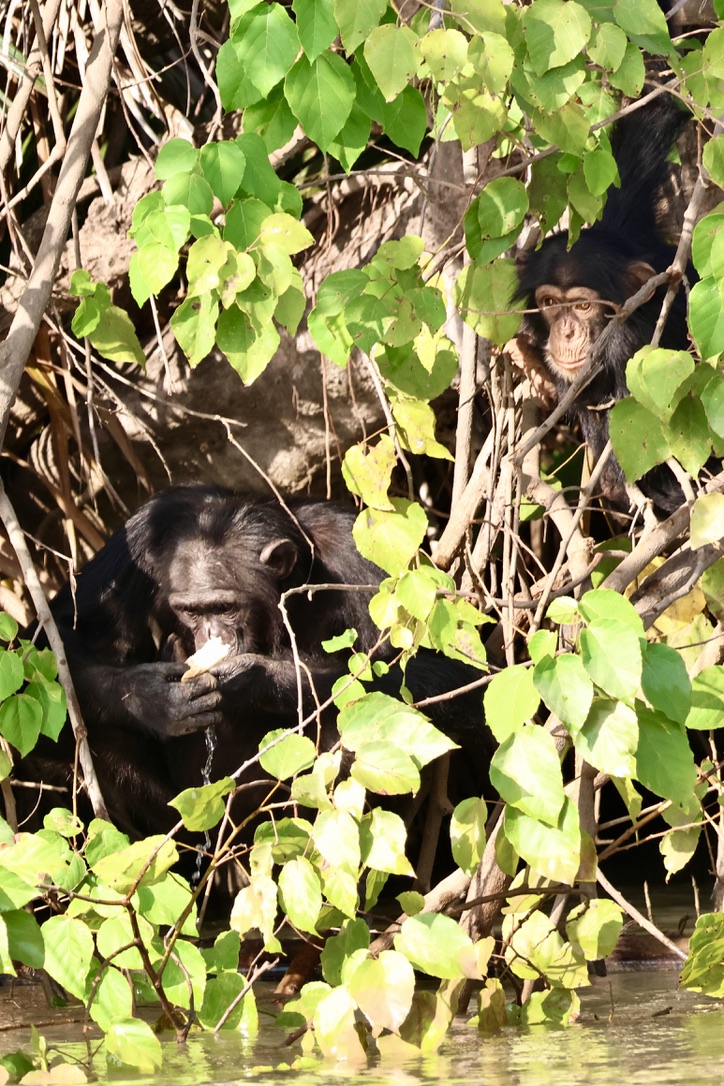
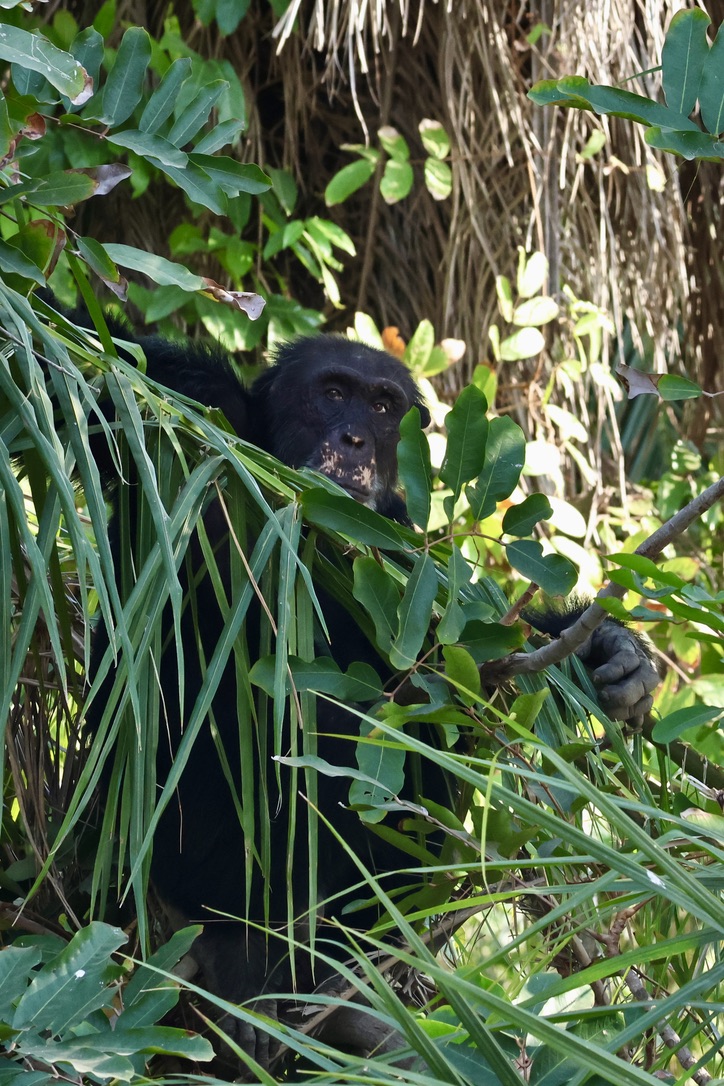
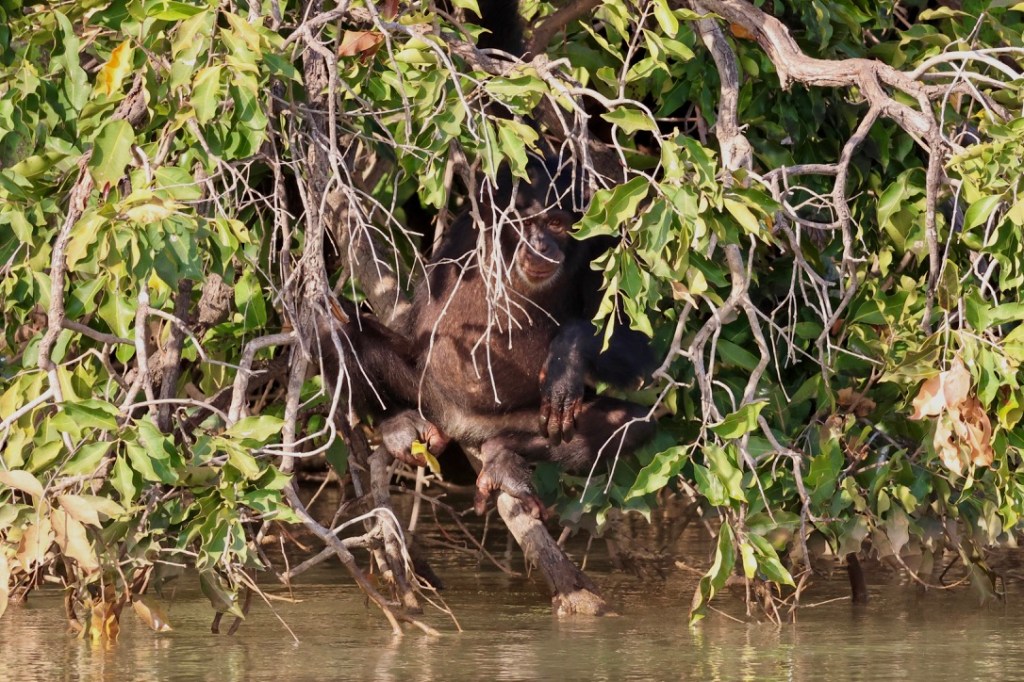
“Chimp!” I gasped, fumbling binoculars. A baby pulled leaves around its face while mum picked food from lower branches. Next, a large male hung out towards us, reaching for berries over the water. Owaru knew almost every single one of the fifteen apes we spotted by name. He was particularly fond of an old male saved from a circus, who approaches the waterside most evenings looking for an easy meal. As we exchanged a glance, there seemed to be something akin to human sorrow in his eyes.
As the chimpanzees dipped in and out of the light and shade of their forest, so my mood swung. First, as I experienced the joy of spotting another character before then hearing their rescue story. All with the same plot: Exploitation or injury at the hand of humans. The nuances across a broad spectrum; from outright malice and profiteering through to the simple fear of sharing habitat. Of course, there were also new faces amid the trees who were untarnished by history. Chimps born on the islands live well, while protected from harm.
In fact, the CRP’s biggest challenge is how to deal with its own success. Breeding continues on the islands and the growing troops are hugely territorial. Eventually they will outgrow their home.
The Supporting Cast
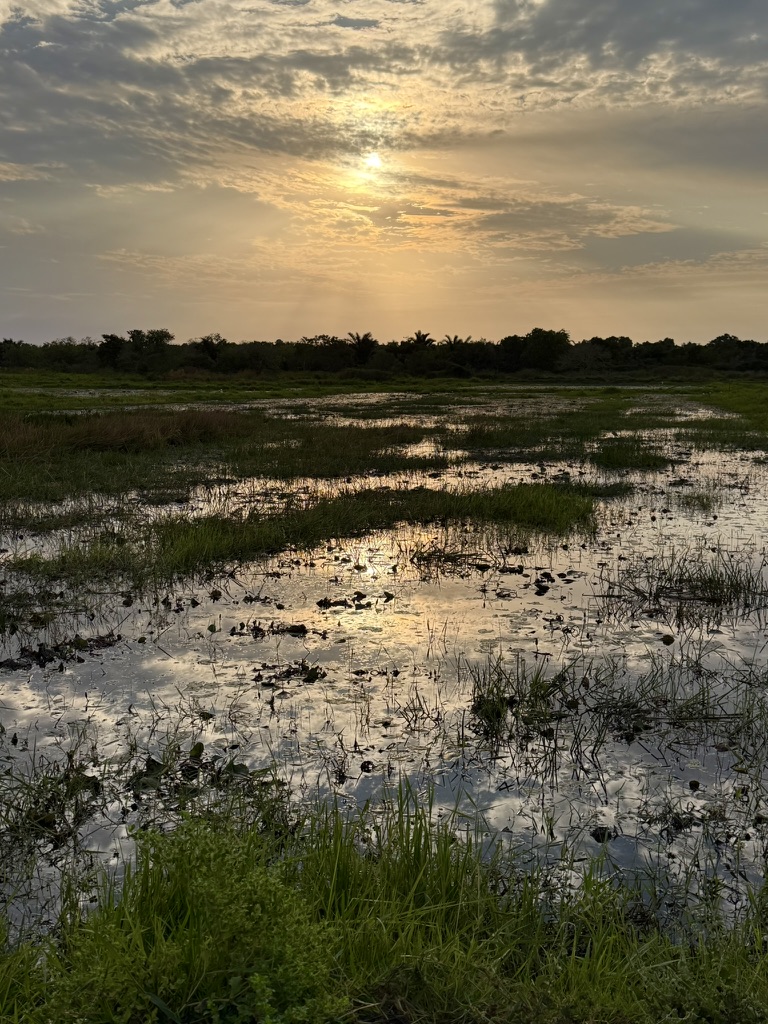
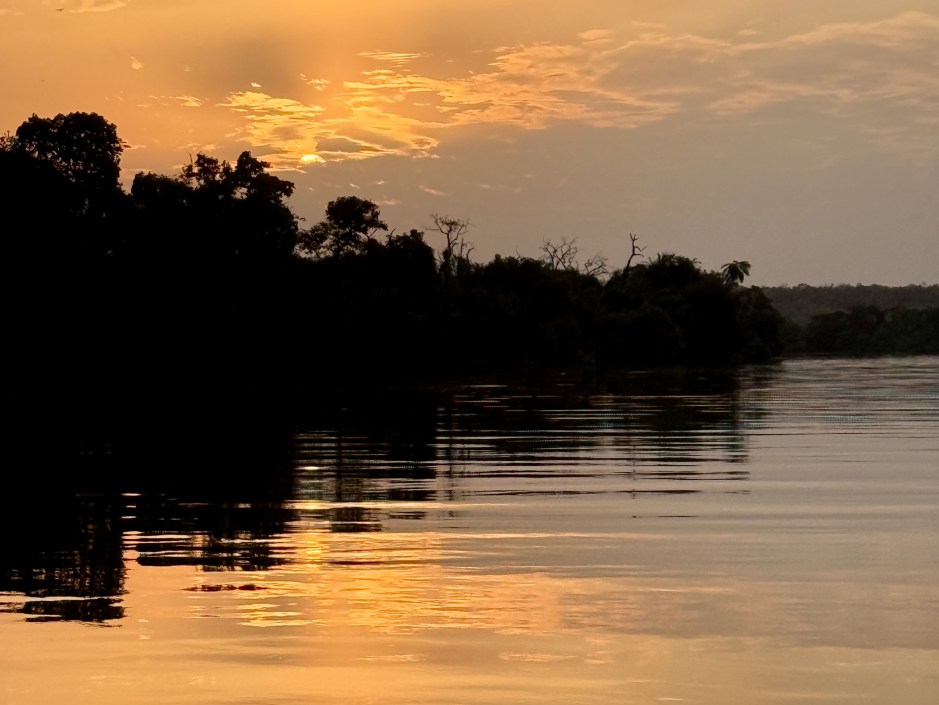
While chimps take a leading role at the CRP, River Gambia National Park is a dream wildlife destination. As a misty sunset performed against the oil-slick water I watched for three types of crocodile, hippos and over 250 species of bird. At dusk, the ape’s whoops grew louder as they settled to sleep. Hippos’ watery snuffles broke the increasing darkness and egrets made V-shapes across a deep purple sky. Dinner was candle-lit and a solar powered lantern guided me up the steep path through dancing tree shadows to bed.
After a night of bright stars, mysterious howls and a six o’clock alarm call from a stone partridge running across my tent roof, I watched darkness slowly bleach into daytime with large sips of flask coffee.
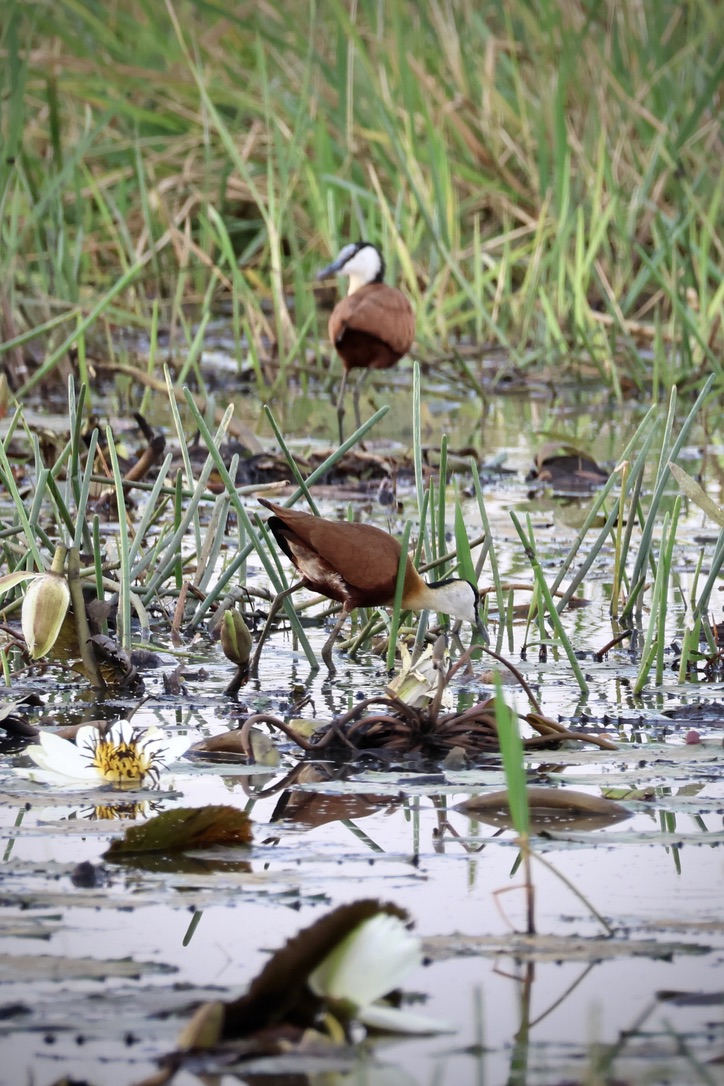
A dawn bush walk with Owaru was my final treat. A large troop of grey baboons scurried away from us as we walked. More red colobus monkeys played in the trees around our heads and a Senegal Parrot sat aloft against the white sky. As we approached a glistening marshland, hundreds of African Jacana’s foraged and chirruped in the early light.
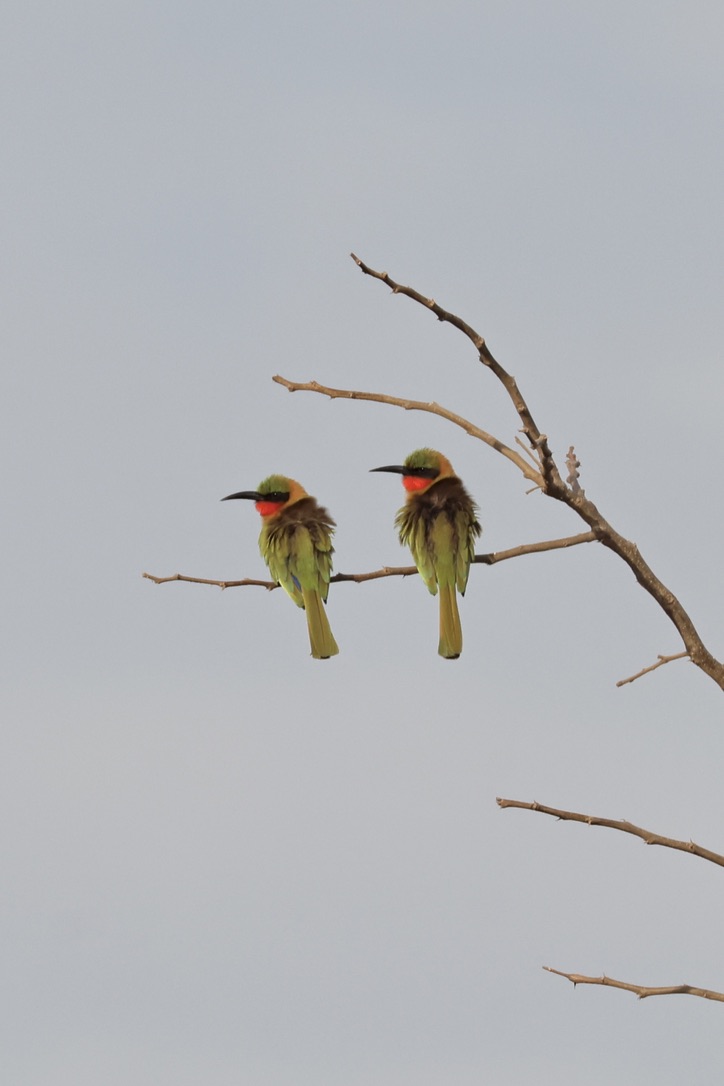
“We have to show people. If they experience it, they care. And if they care they will help us protect it.” Owaru’s wise words spilled into the watery world around us. A pair of nearby red-throated bee-eaters systematically flicked wasps into their beaks, their colours brightening with each second as the sun crawled upwards.
What started as a quest for some winter sun, resulted in an unforgettable adventure.
Despite only being six hours’ flight from London and in the same time zone, The Gambia is so much more than a fly-n-flop destination. While tourists have visited The Smiling Coast since the 1960s searching for warmer winter temperatures, sea views and friendly people, it’s only more recently that the country has seen a surge in eco-tourism.
Opportunities for authentic exploration beyond Gambia’s coastal strip are growing and are arguably the more responsible path to take. Instead of giving all our tourist dollar to companies like Tui offering all-inclusive deals with hotels that aren’t Gambian owned, booking directly with local tour operators allows for wider spread of income to Gambians and a more diverse experience.
Base At Bakotu Hotel
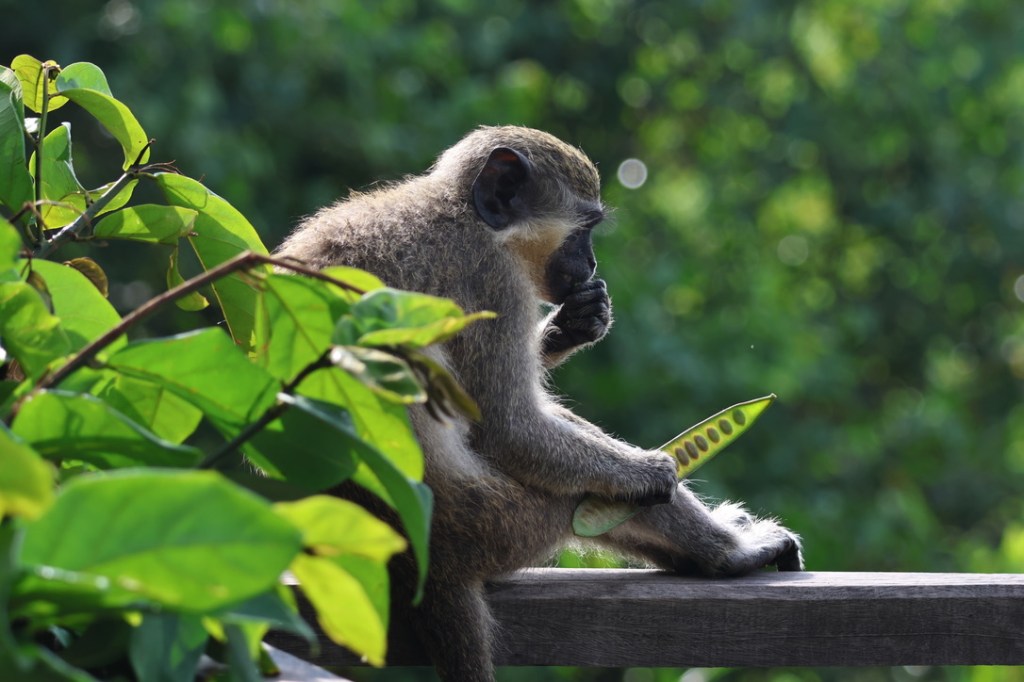
Base camps don’t come better than Bakotu. My secluded room was expertly arranged in planted gardens. Inclusive breakfasts were a leisurely affair and whole days of recuperation were encouraged. The jewel in its crown? A wonderfully secluded wooden deck that overlooks Kotu creek and its birds. It was a joy to observe sunrise, sunset and everything in between from this spot. Birds of prey perched just above my head at dawn. Sun squirrels and vervet monkeys played and ate around me all day. I even caught a glimpse of a civet through the tall bamboo in dusky twilight.
A Day With Yabouy Home Cooking
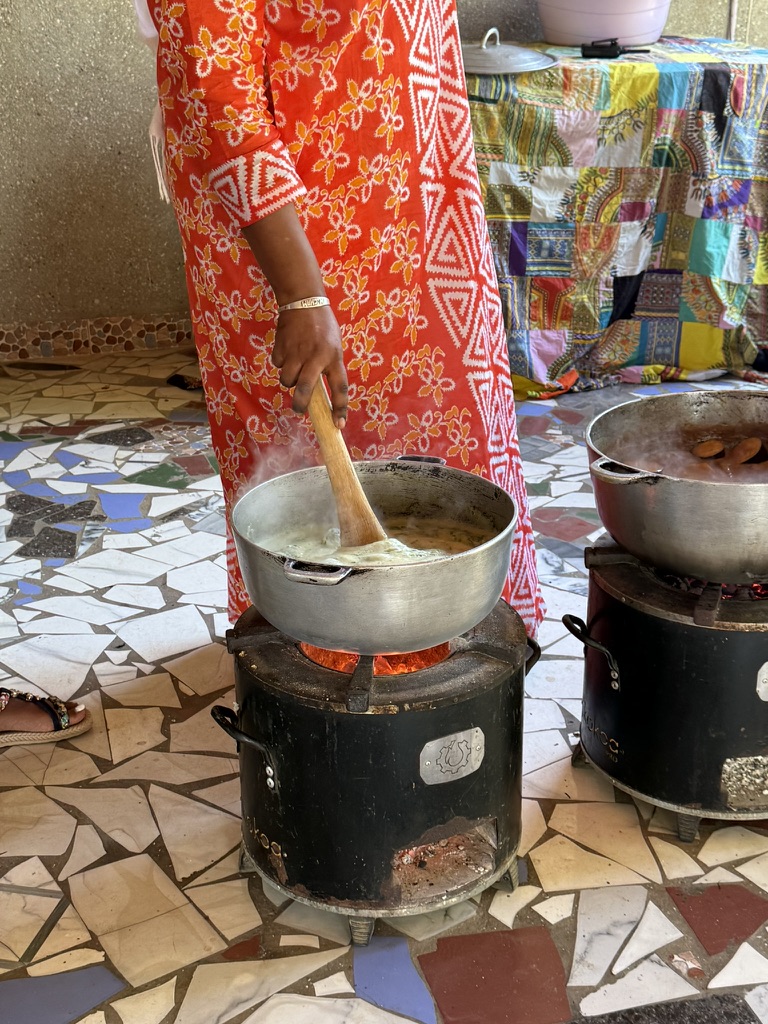
Ida and her four daughters-in-law run this female-led business from their family’s compound near Tanji. Visitors learn how to cook chicken yassa and nutty domodo, both staples of Gambian cuisine, while our money goes back into community education and development. Ida’s passion for her culture shines through in all the activities, which include buying fresh ingredients from the fish market, cooking, beading and dancing on full bellies after lunch.
Overnight Stay In River Gambia National Park
Five hours drive inland from Gambia’s coastal resorts, chimpanzees roam free on three islands in the middle of River Gambia National Park. Set up in the seventies as a rescue centre for abused and injured chimps, it has become one of the world’s most successful conservation stories. The CRP has always trained and employed locals to monitor and care for the chimps. Today, seven local communities benefit from visitors spending a night or two in their spacious tents. I visited for one night, hosted by Owaru. Project Leader and local shaman. My stay included two hours boating around the islands at sunset to spot chimps, dinner by candlelight at the river’s edge and a dawn hike to search for baboons, birds and the endangered Western Red Colobus monkey.
Fathala Wildlife Reserve, Senegal
Travelling across the border into Senegal via a quick visit to Gambia’s capital, Banjul, makes for a long day. Although like most trips that take a little effort, it’s worth it. While France and Britain apportioned borders to these newly independent countries across the region in the early sixties, the roots of its ethnic groups remained. My guide Abdoulie whose family were Fula, explained to me that he still feels closer cultural ties to a Senegalese Fula person, than he would a Mandinka Gambian. Of course, the complexities of The Gambia’s history can’t be fully explored in one day. Though at face value it was interesting to pick up on the cultural differences in language, religion, currency and even approach to education at the land border into Senegal.
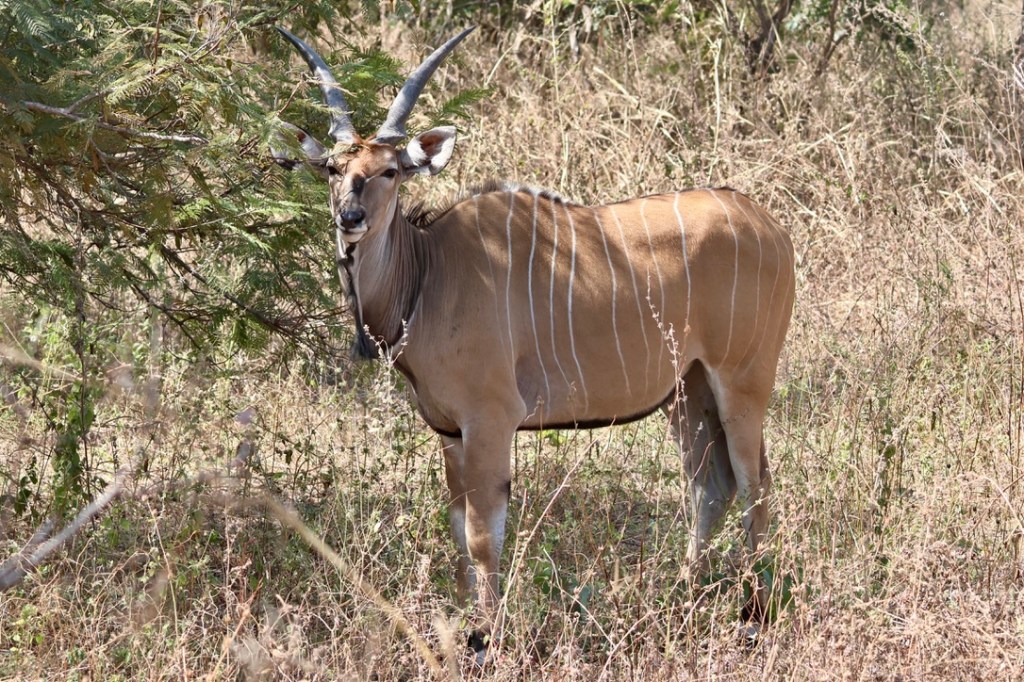
Fathala works hard to protect the extremely rare Western Giant Eland. We took an open top safari route that focused on birds, the eland and rare Red Patas monkeys. However, I’d strongly suggest not requesting their ‘lion walk’ – a controversial activity they still offer, sadly due to tourist demand.
Guided Birding
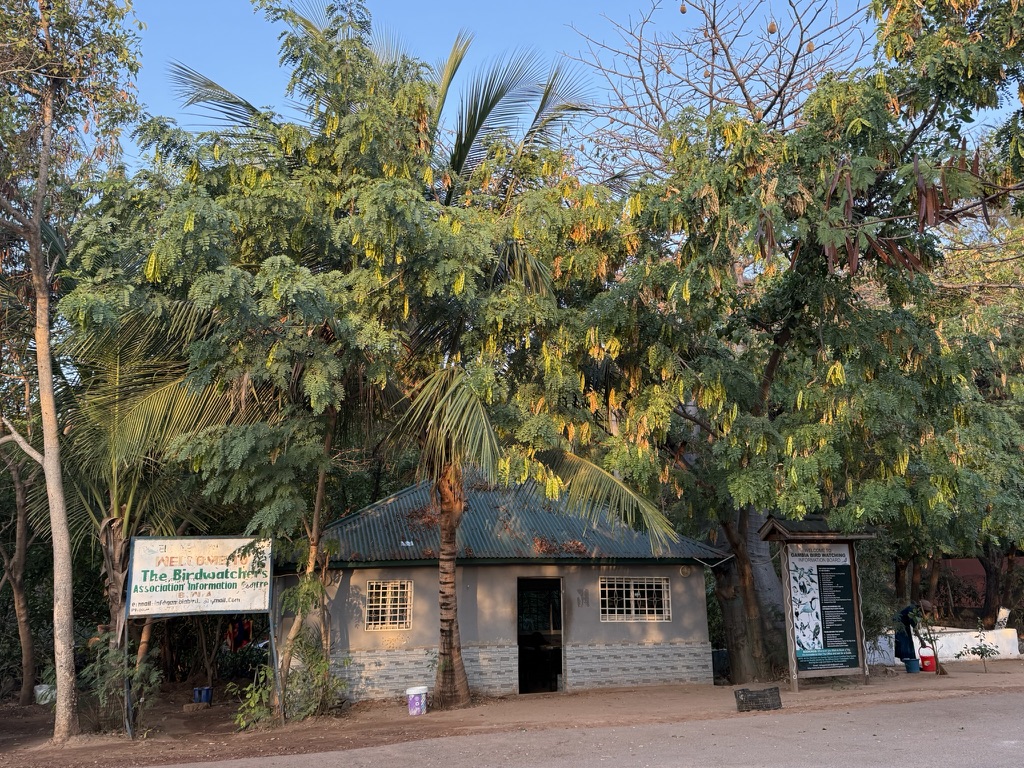
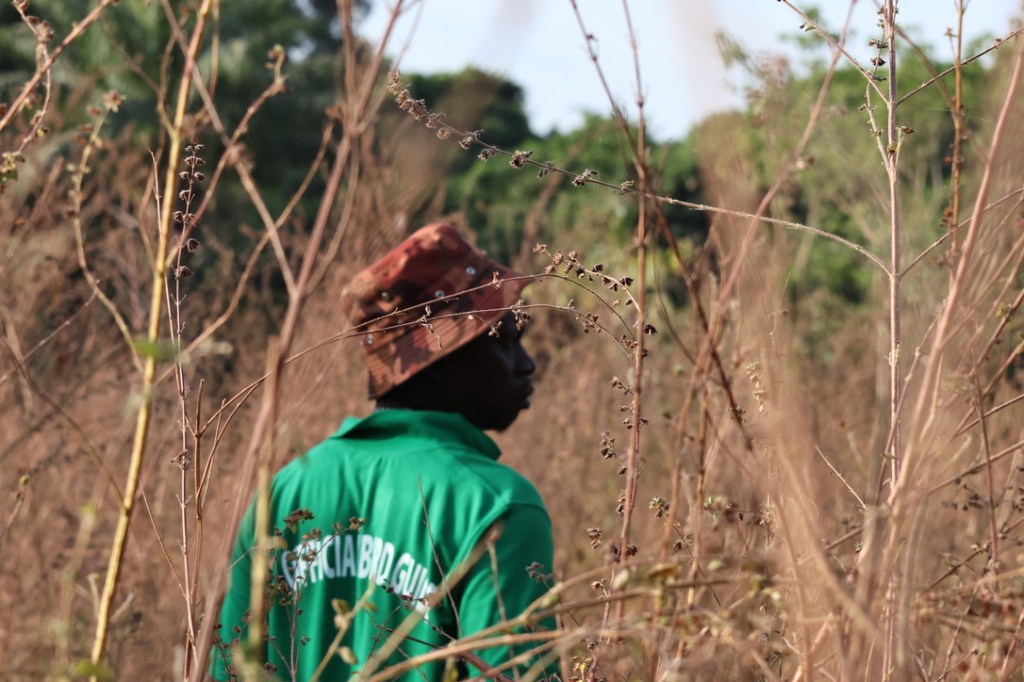
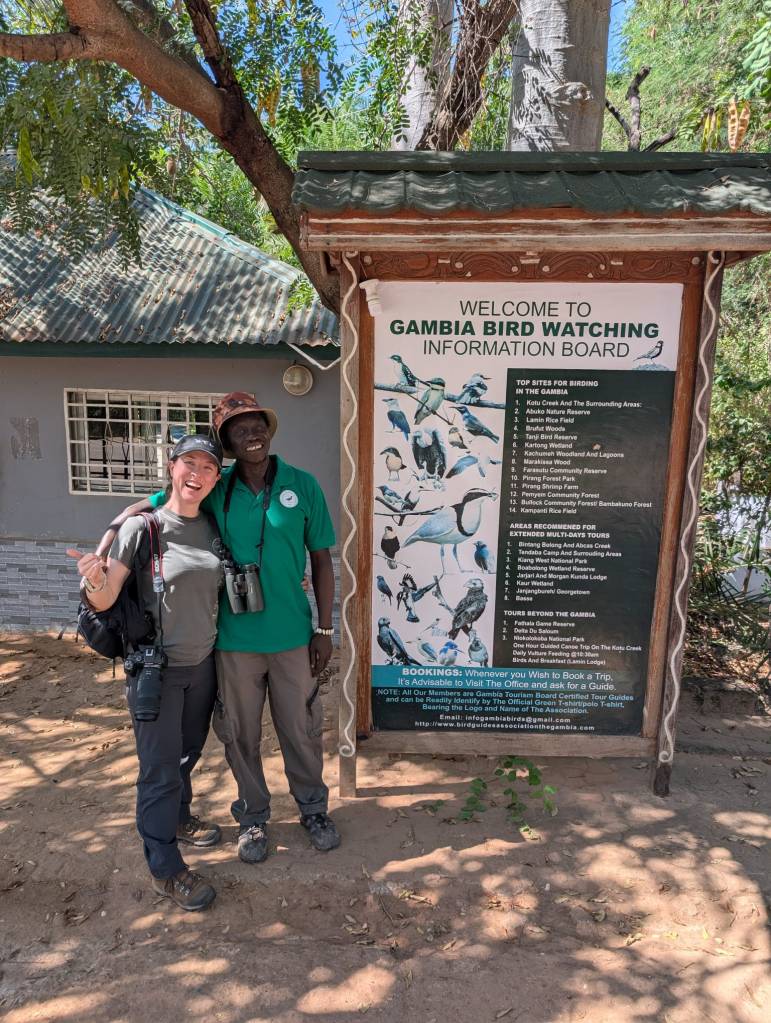
The Gambia is a birder’s paradise. While I saw many birds from the comfort of my hotel (sometimes even my sun lounger!) exploring the nearby countryside with a guide was an experience in itself. The Gambia Bird Watcher’s Association trains young people for two years, with the aim of creating jobs in eco-tourism. Their headquarters at Kotu bridge offer excursions from a few hours to whole weeks of birding as packaged deals with a guide. I spent three separate days birding with a guide at both coastal and inland locations, spotting over a hundred species from huge owls to tiny kingfishers.
A Dual-Stay Holiday?
As it was my first time in The Gambia I hadn’t considered a dual stay. I definitely will next time. Others I met were staying at Bakotu for a week then heading to one of the inland eco-lodges for daily river excursions and wildlife spotting. As well as visits to different market towns. Another great idea to make sure our tourist spend goes even further into communities beyond the coastal strip.
Of course, The Gambia had what I originally wanted in droves: Sun with a sea breeze, lovely beaches and welcoming people. Although it’s also a fantastic holiday destination for the more curious traveller. Stepping out of the hotel often, supporting local businesses and making an effort to research local taxis, guides and tour operators makes for a more responsible visit.
“Their screeches in the night made me believe my mother”. Lamin reminisced as he navigated the dried clay of Kotu Creek. “As a child you heard the eagle owls. It was a bad omen.”
I smiled warmly as I followed him. Now an expert bird guide in his early forties, he was still very much Mandinka. A boy of the inland farms along the River Gambia. Although while he was once fearful of the animals around his house, his concerns now grew for their rehabilitation and protection in rural communities that are still entrenched in superstition.
Lamin searching for birds in Kotu Creek
Many birds in Gambia hold negative associations that can limit enthusiasm for their defence. Vultures as the harbingers of death, owls and nightjars carrying bad luck in flight, and the ubiquitous Senegal Coucal as a keeper of snakes in its nest. Others, like the Red-billed Fire Finch and Saddle-billed Stork are thought to bring health and wealth. A mixed bag of luck for a phenomenal array of birds that most countries Gambia’s size could only dream about.
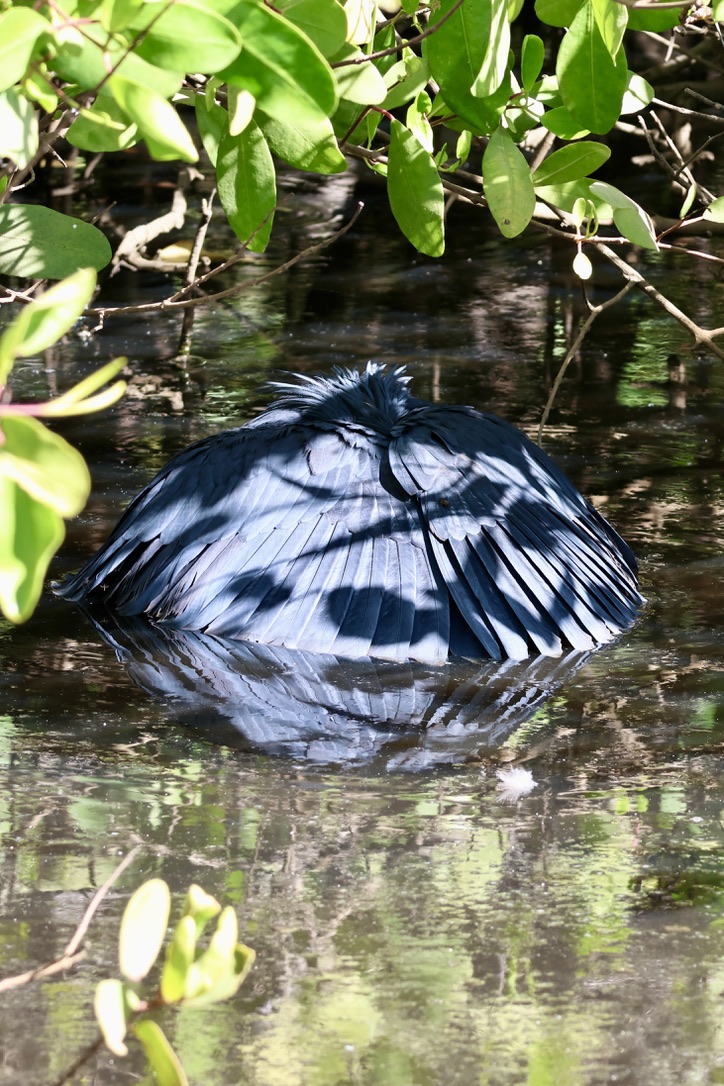
I explored with Lamin three times over two weeks. First, into the coastal creek next to my hotel. Here we watched Black Herons perform their famous fishing dance; Giant Kingfishers drop into the still water like darts hitting the bullseye; and Blue-cheeked Bee-eaters swirl high overhead catching flies on the midday thermals.
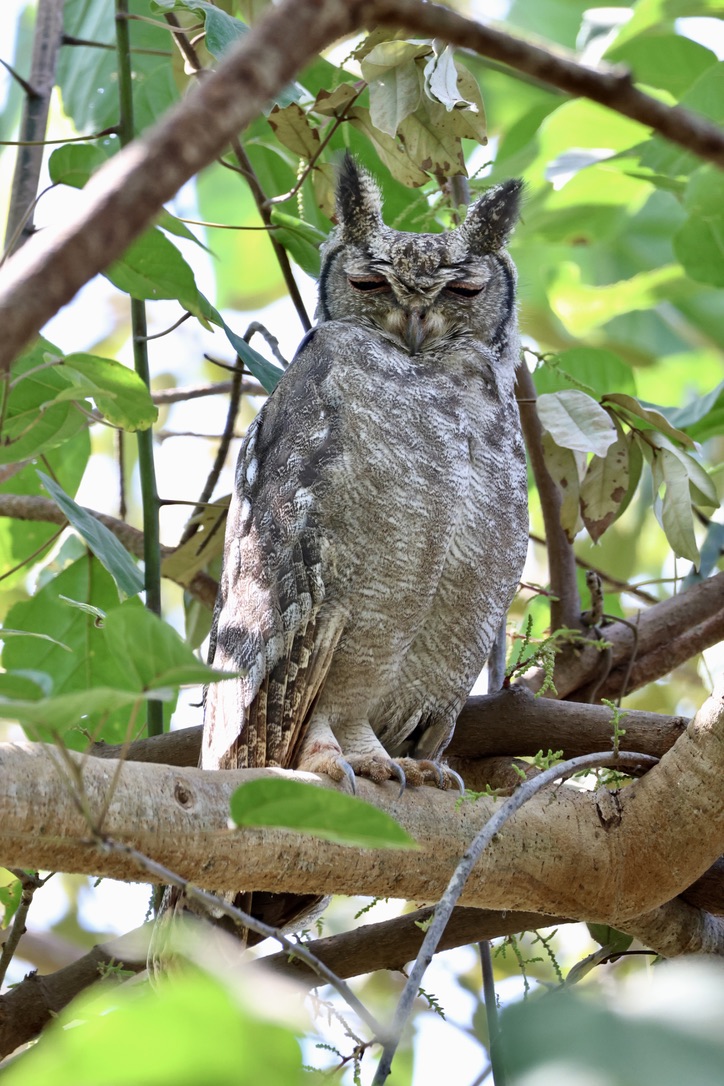
Our second excursion threw up cooler temperatures and softer light. A sunrise walk around Mandinaba rice fields, followed by very specific searches for feeding birds and resting owls in Farasuto Forest and the arid grasslands near Pirin. Here, Purple Turacos nestled, almost invisible in high trees; fantastical looking bearded barbets swooped their route along single tree-lined paths; and glamorous warblers, flycatchers and kingfishers kept council in low-slung shrubs.
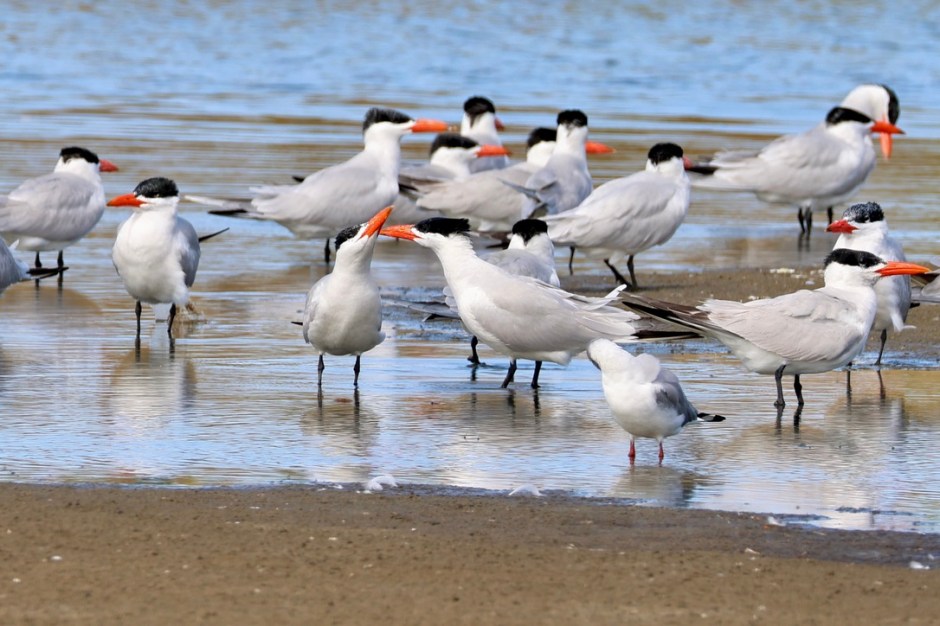
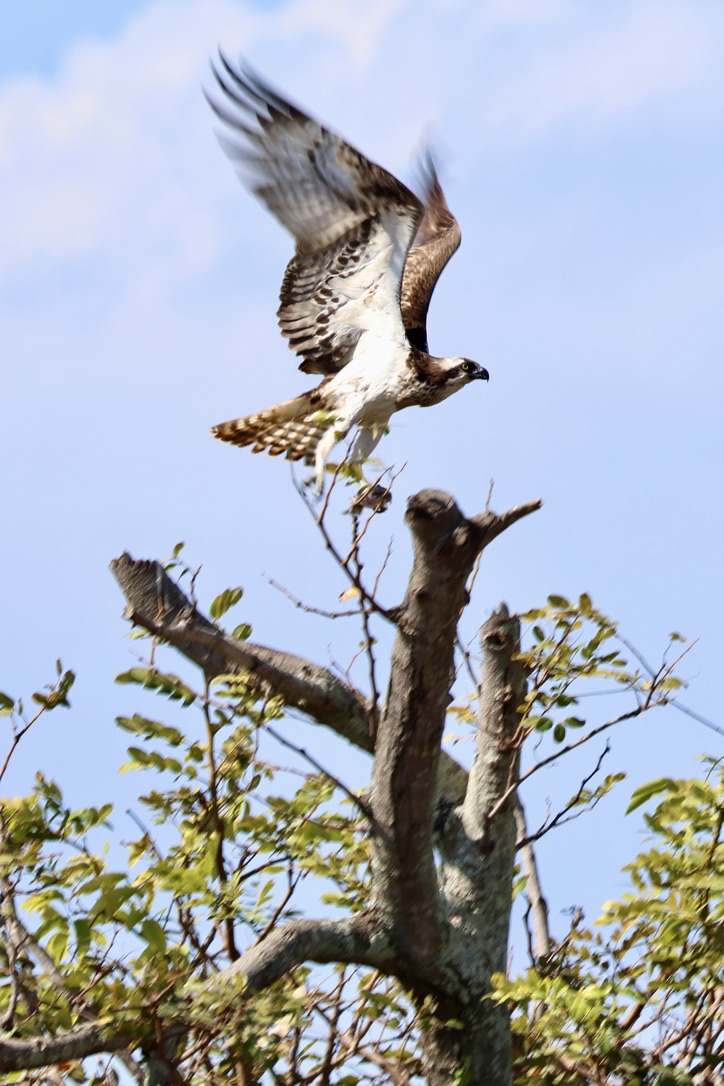
Our final day together, we spotted around Tanji coastal reserve and surrounding wetlands. Its mud already crisping over at the edges into dry season. There, ospreys hunted the waters. Their wings like barn doors scooping air as they rose, clawing fish away from prying eyes. In fact, it was rush hour in the skies. Caspian terns, the world’s largest, darted and dipped together alongside pelicans, pigmy cormorants and countless egrets. In between these giants, a few types of swallow darted and flicked, catching insects caught up in the movement of larger wing beats.
Lamin’s passion for the natural world bounced out of his body as bundles of nervous energy. Quick steps to catch up with flight, abrupt hissing to focus on any birdsong and excited stories of the ongoing partnership between the UK and Gambia, as they look to protect birds that mean so much to both countries. Long before the existence of the RSPB, Gambia’s Birding Association, Chris Packham’s visits and the recent surge in eco-tourism, Britain to West Africa was a flyway for many migrating birds.
Although what happens next is far bigger than the birds, or kuno as they are called in Mandinka. Gambia is at a crossroads. With a general election in 2026, its people are highly charged with democratic responsibility and equally ready to take it. The country’s steadily growing GDP depends increasingly on tourism, while subsistence farming and agriculture still support over three quarters of the population and so, the usual challenges arise. All development isn’t good development. Not everything parcelled up as ‘progress’ will be in the best interests of Gambians and indeed, their wildlife.
Lamin was more than a bird guide. As he became a friend I realised that he personified this change. Still Mandinka. Tied to his local community roots but not necessarily religious nor superstitious. Outspoken and ambitious on matters of equal education for women and job opportunities for young people in both coastal and inland towns. Embedded in the birding community but with an innate awareness of nature and seasons that only comes from generations of farming the land.
Sharing wild moments with Lamin gave me more than new birding knowledge. It offered me a window into his perspective. What work’s well in his world and what he wants to improve. Many years before, against his father’s wishes, Lamin’s mother had pushed all her children into school. Lamin was most proud of the fact he had found a job that was also his love. Purpose that most of us spend decades chasing.
“Now all I need is a girlfriend eh!” Lamin’s chuckles crackled through the stillness of the warm afternoon along the creek, as we strolled through its high grasses swaying in the Atlantic breeze. Wire-tailed swallows danced above and a Blue-bellied Roller, barely there in the shade of a large Boabab tree, watched us watch the birds.
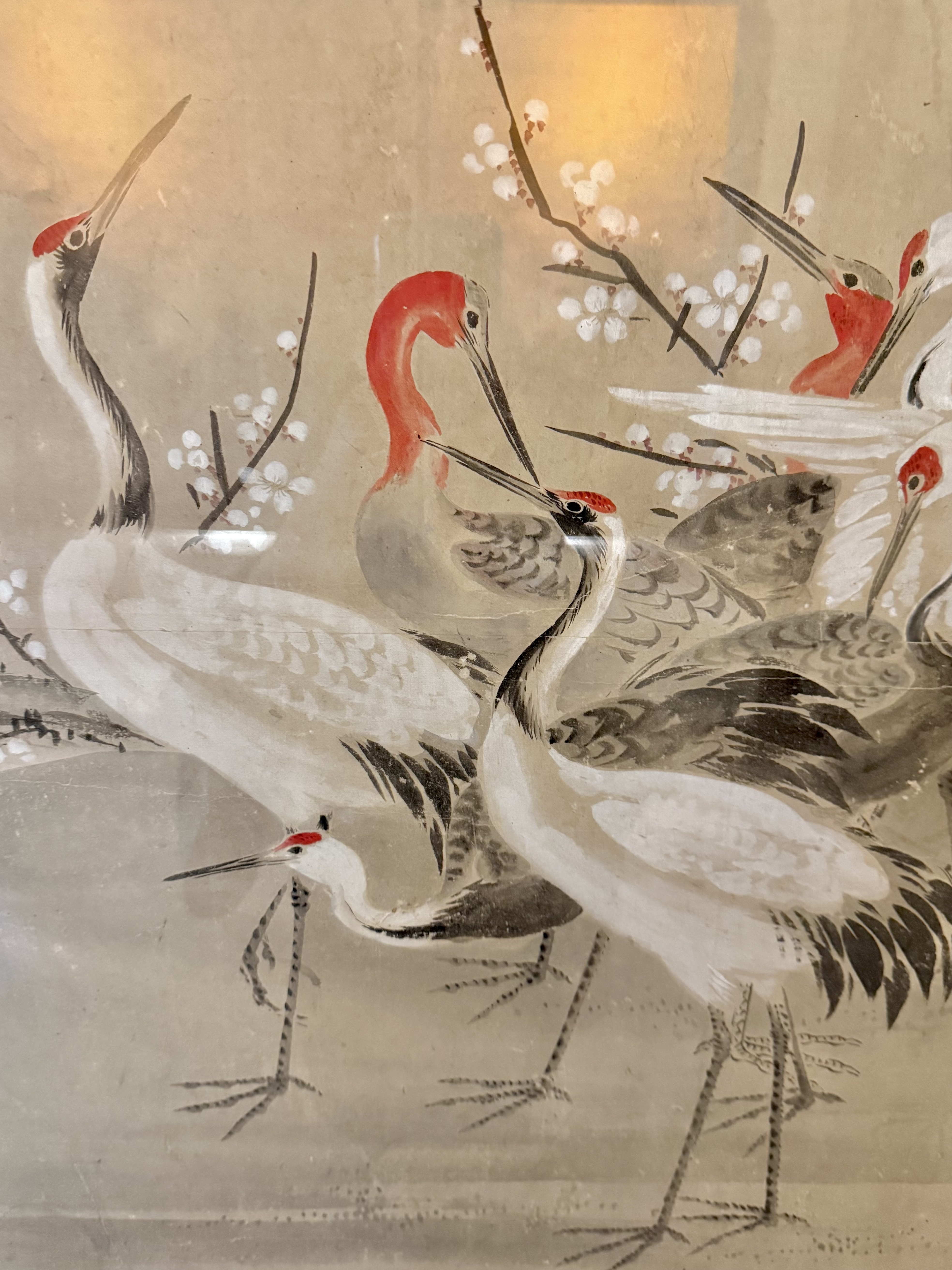
Cherry blossom culture permeates every facet of Japanese society. Through art, food, history and modern brand moments the annual sakura is celebrated from every angle.
Japan’s ancient philosophies are born from centuries of acceptance of the natural ways of their island nation. Appreciation of fleeting beauty crosses multiple parallel themes: Acceptance of the fragility of human creation in the face of natural disaster; Acute awareness of the natural world and its impact on daily life; And deep-set beliefs around the importance of transience and taking in the moment in front of you.
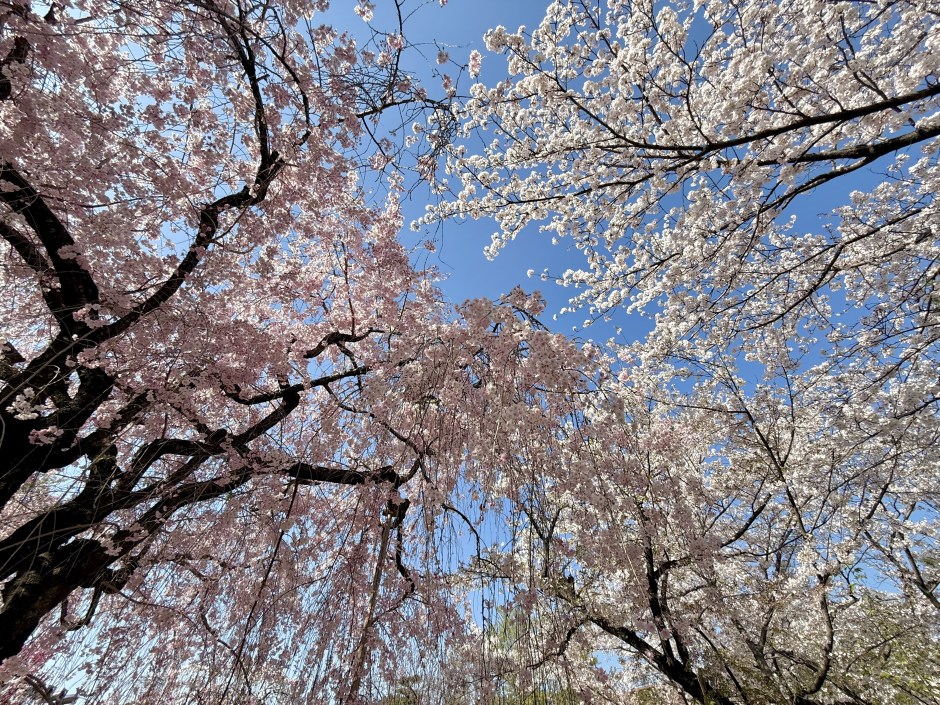
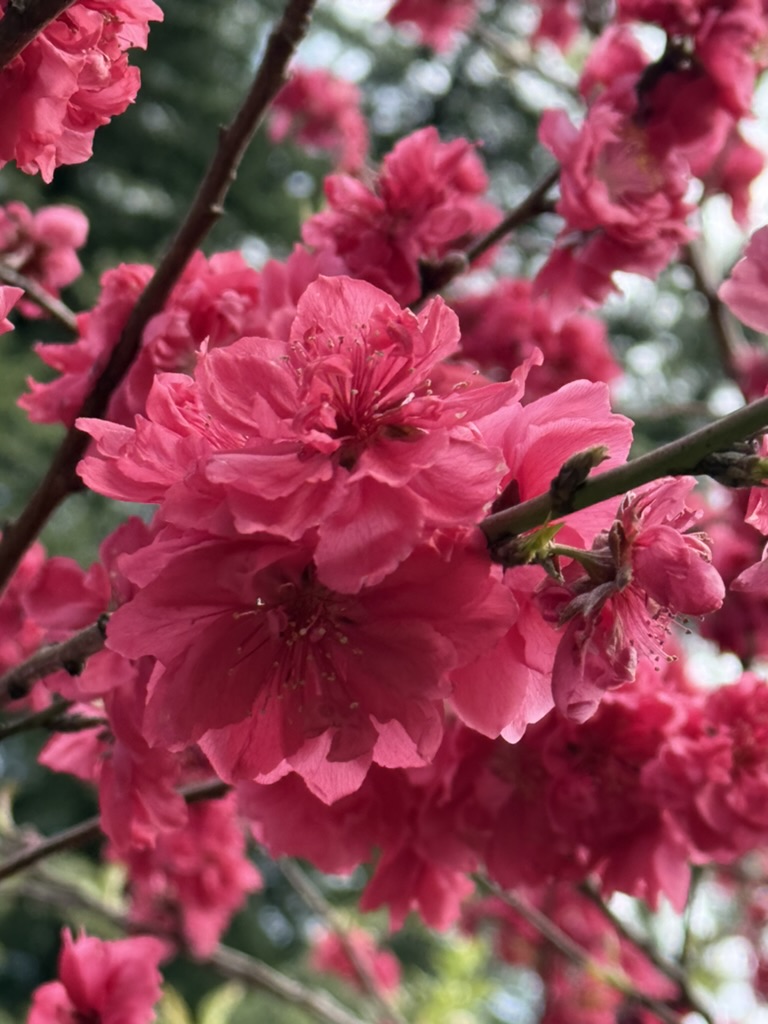
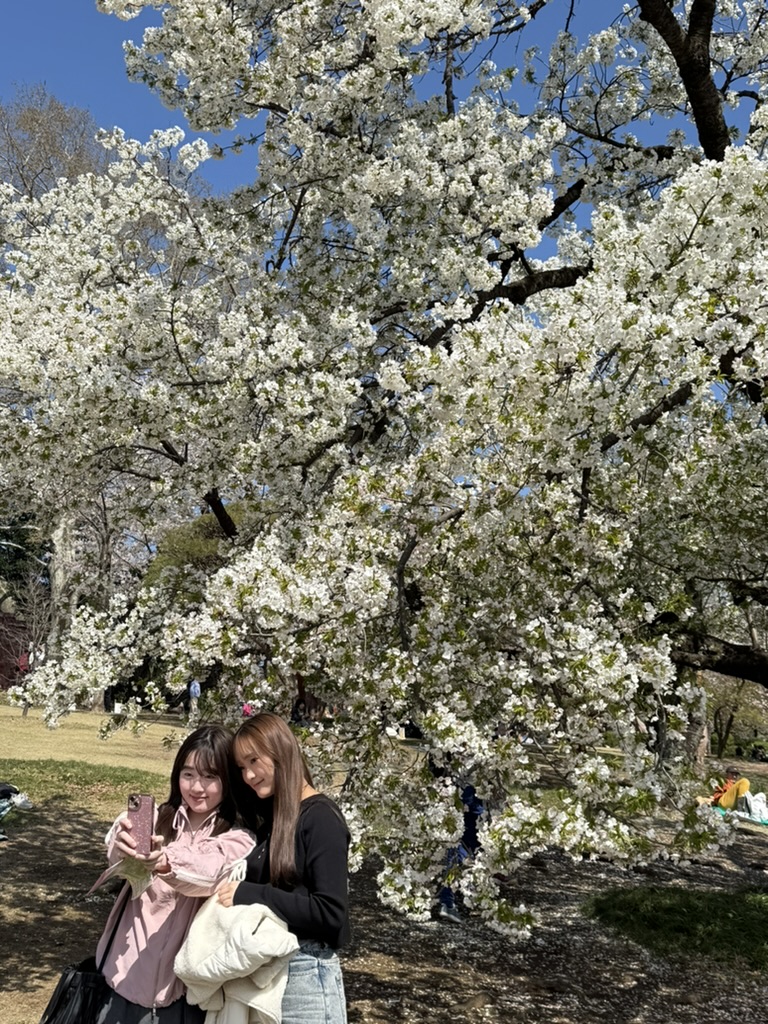
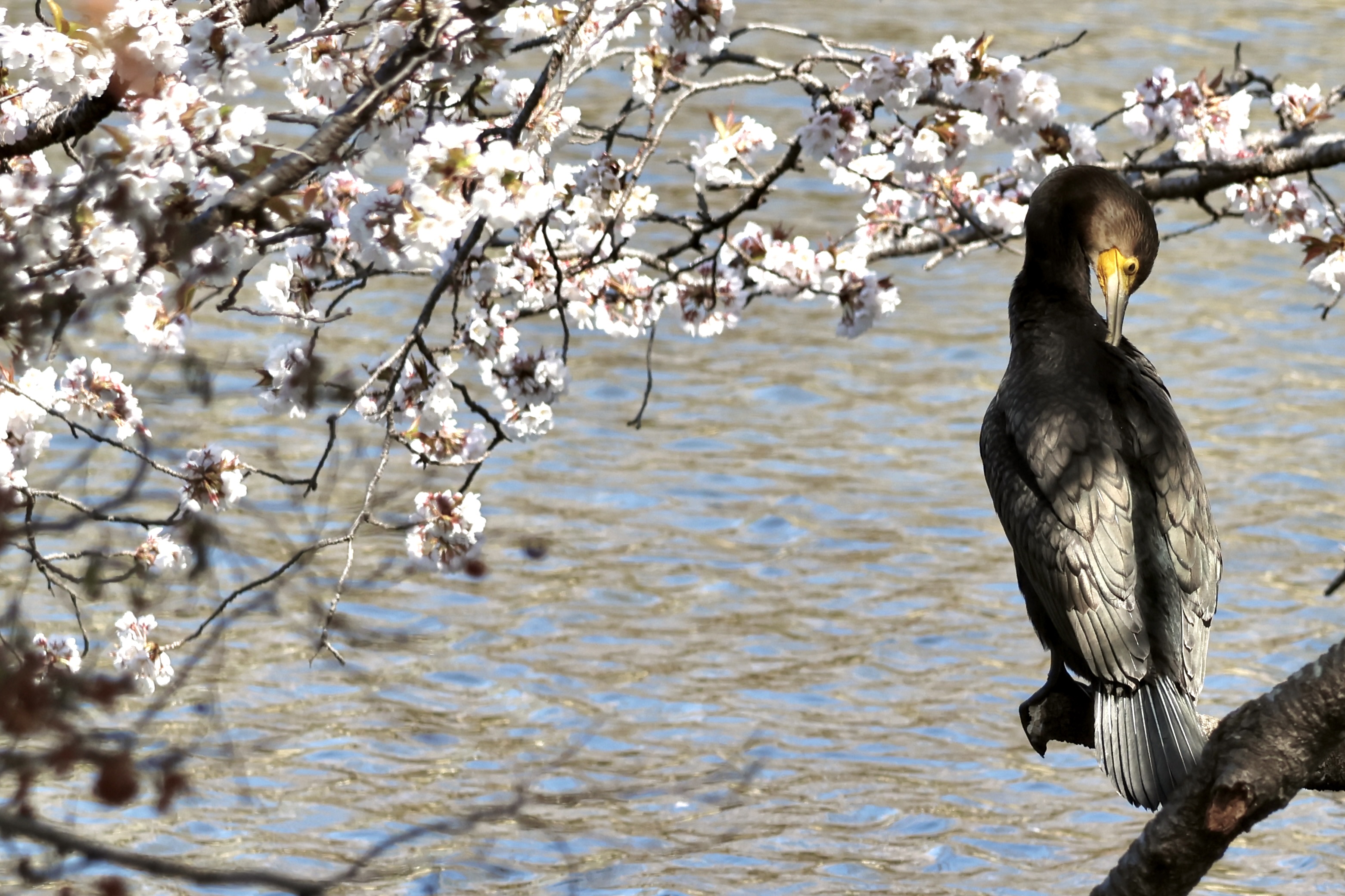
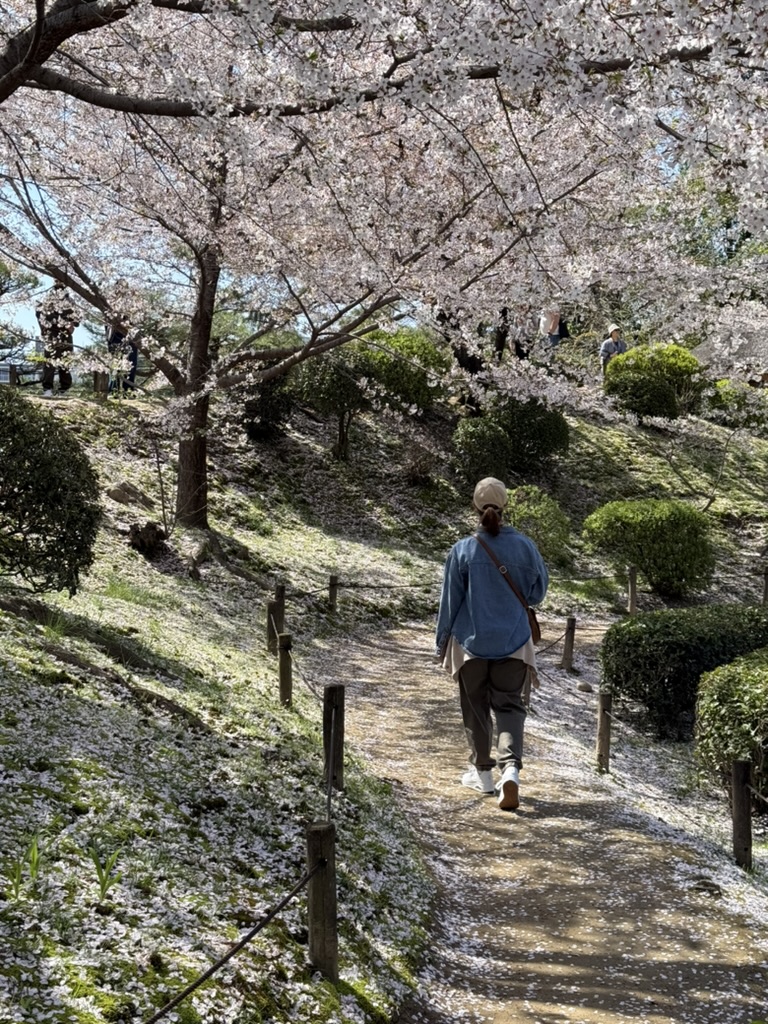
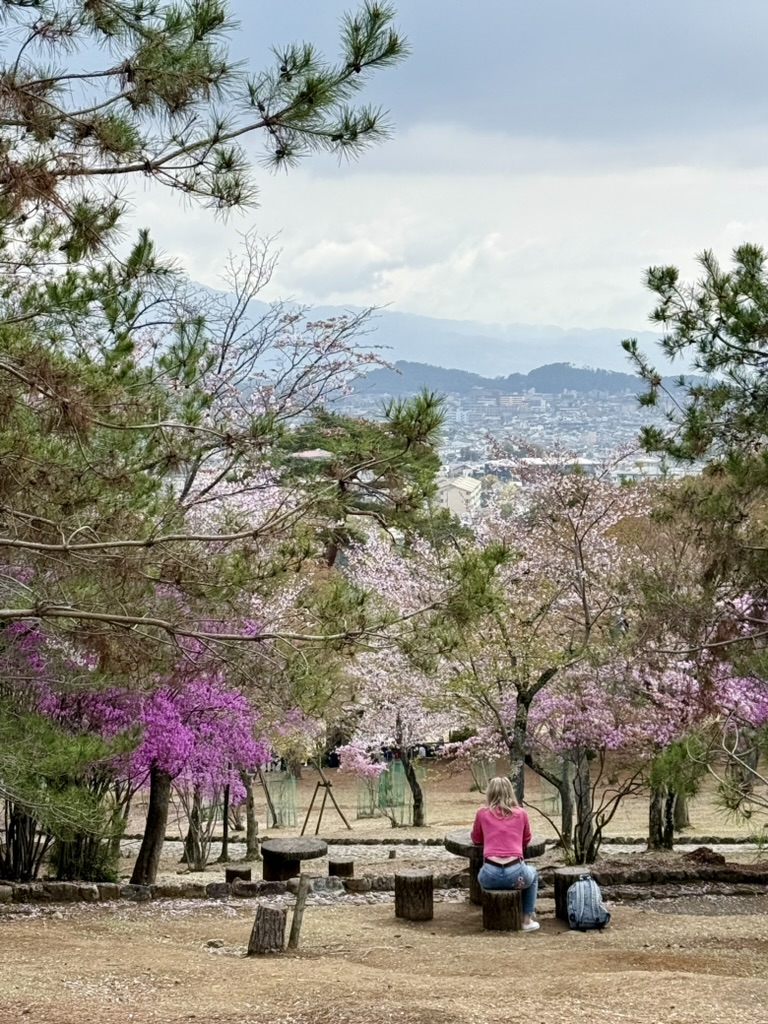
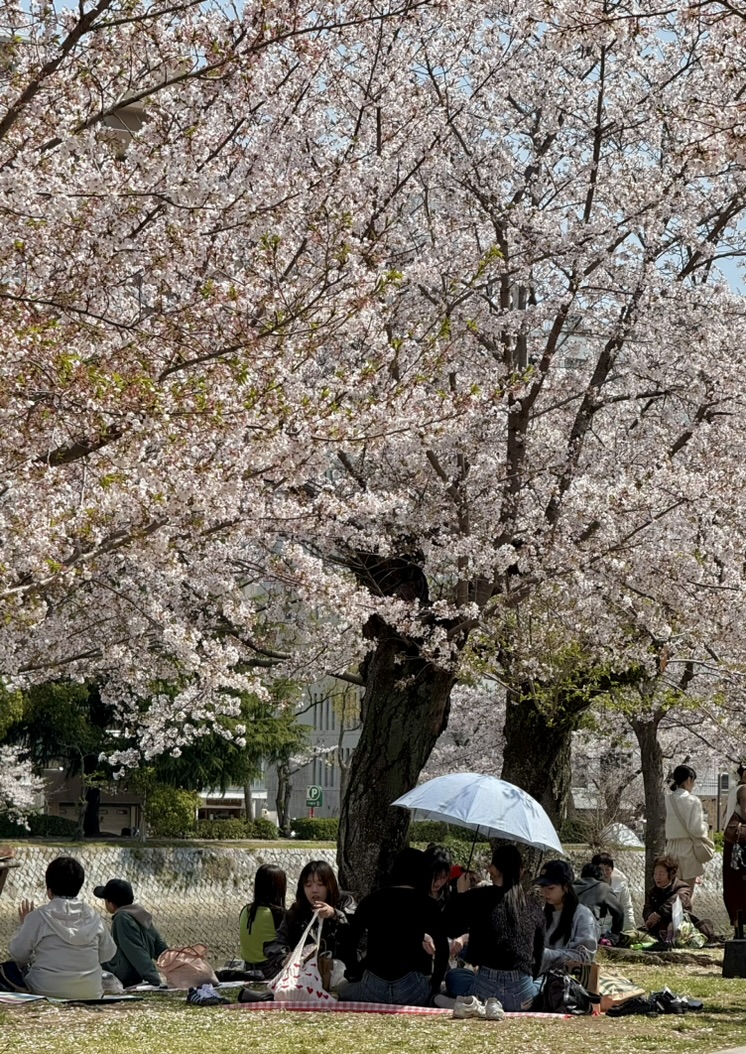
All these cultural elements combine every spring in the marking of sakura season. When cherry and other fruit trees come into bloom and locals engage in Hanami. Friends and families sit underneath trees in parks across the country, complete with picnics and smart outfits. Great respect is given to the trees. There’s no pulling of branches of littering. Everything is tidied and taken home to make sure parks remain pristine for others wanting to pass the time by noting the passing of time.
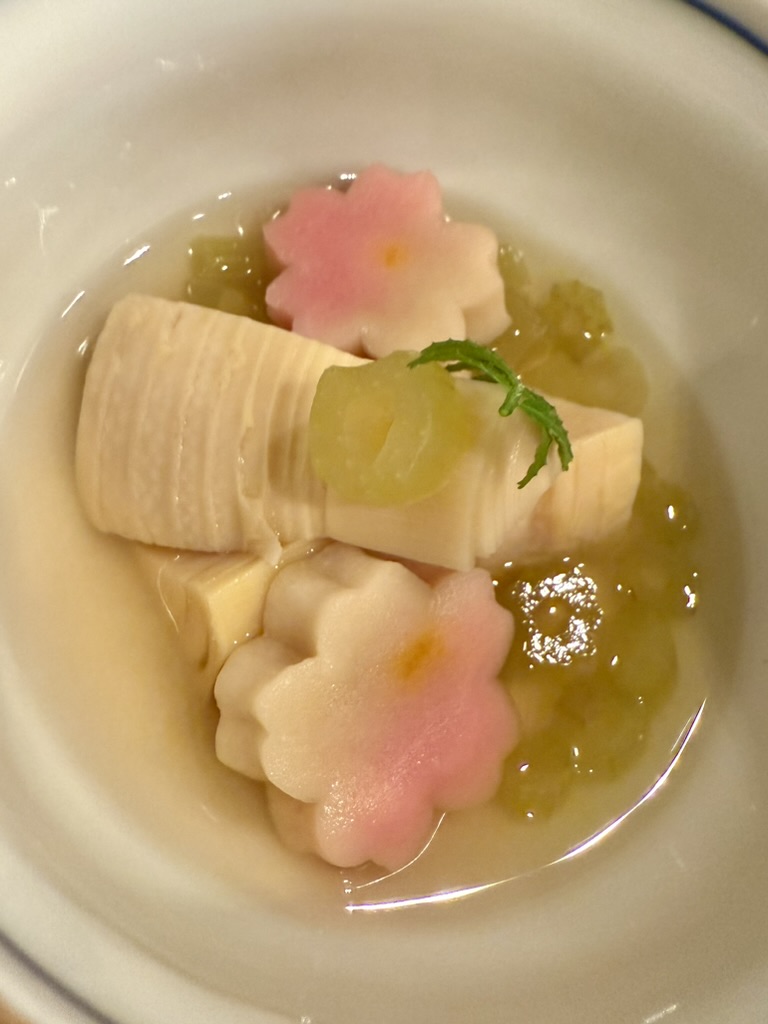
In 2025, other facets of cultural appreciation creep into the zeitgeist. Formula One dresses drivers, cars and other branding in sakura pink; Michelin chefs lean into the theme, creating sakura shaped dishes doused in pink; and Gen Z lap up the opportunity to be part of this mindful practice, grabbing selfies and doing TikTok dances under the pink flowers. Even weather Apps have got in on the celebrations, providing everyone with real-time updates on what’s blooming where and best places to experience full-force Hanami.
Of course, the official peak bloom varies each year with changing conditions. Japan being such a long country, the south of Honshu can see very warm spring days while Hokkaido in the north is still under a layer of snow. A visit in early April and beyond from south to north should guarantee a least a little blush to decorate a journey.
An oversized statue of Okinawa’s legendary bird greets you at the airport’s luggage carousel. The end of a flight from Tokyo and the start of an entirely different adventure.
The sun had already dropped below Nara’s buildings by the time I secured a taxi. My driver, a diminutive man with the creases of someone well past eighty and the delighted smile of a ten year old, pulled away slowly in his beaten up estate for the drive north. The sense that I’d bungled the trip settled onto my shoulders like an icy harness against the warm evening air. I’ve often experienced the unpredictability of arriving somewhere after dark. Onward connections poorly arranged or delayed. Not just into the unknown but through complete night.
The difference this time? My husband was by my side. In fact, this was our honeymoon and I already knew how lucky I was that he had agreed to a colossal detour.
After an hour of communal nodding, clucking sounds, basic Japanese and zero English, I decided to reveal our quest. As the car curved less than five metres from the lapping Pacific ocean, I annunciated: “Yanbarrrruuuu Kuina”…”Ahhhh, Yanbaru Kuina!” the driver replied. His smile broadened in my direction through the rearview mirror to show teeth black and abandoned at the back of his gums.
The Yanbaru Kuina. A beautiful rail. The reason for my visit and a holy grail for birders worldwide. Tall and slender with streamlined markings in black, white and slate grey delineating the shape of its body and ensuring it blends perfectly into the shadows of Yambaru’s thick forest. Millenia of isolated evolution in the remote archipelago gave rise to unique flora and fauna for which the Kuina, or Okinawa Rail as it’s known in English, has become the poster child.
Not even a long drive and remote stay in Yambaru National Park guaranteed a sighting. The Kuina’s elusive reputation proceeds it. So much so that You-Tubers dedicate entire videos to the search and wildlife guides have built careers around their ability to show others where the mythical bird nests. Foraging mostly at dawn and dusk, it spends most of its life within dense vegetation. Decipherable only by a bright orange beak and feet.
The security guard was still patrolling with his torch the next morning as a Japanese couple from Nagoya and I stepped fuzzily into the pre-dawn light. Binoculars ready, facing the trees that surrounded the Vietnamese-built Ada Garden Hotel. As with most nature moments, two years of viewing images, six months of research and weeks of anticipation came to an abrupt halt with an unceremonious “Shhhh!”. The guard gently flicked his torch beam onto the ground below revealing a slick, shadowed body with shiny orange adornments.
Later, we hiked to the seaside village of Ada. Butterflies, bugs, reptiles and other birds were a welcome distraction from the growing heat. Huge Common Maps, Swallowtails and Broad-headed Skinks danced and slithered between the long grasses. Rock thrushes, sandpipers and fleeting woodpeckers were easily heard against their silent surrounds. Even a tired Pacific Golden Plover rested at the local primary school field, mid-migration. The Kuina was ever-present. Not only as a mural on the village hall but in my mind. Would we get lucky enough to spot another forager before returning to Nara?
Wilting in the midday sun, we sought the shade of the village park. All routes led to a Shinto shrine built against a backdrop of dripping foliage. Then, a sound. The crunch of rubbery leaves not quite a squeak nor a rustle. We hushed to something beyond silence and I gripped my husband’s arm in pure delight as we watched two Kuinas step tentatively into the daylight. They navigated the small shrine, before doing something unbelievable: This majestic bird, renowned for its secluded lifestyle, paraded right in front of us, pecking at worms across the dusty yard.
Nature rarely does what you expect and many of us seek it out for that reason. The Kuina is more than a rare bird. It represents a time when nature dominated these islands. Before shifting military presence, taxis and airports. Before creatures felt the threat of human interference or developed fear. A reminder of just how much places like Yambaru National Park need our continued funding and protection.
A clear morning atop Tokyo’s Metropolitan Government Building. My gaze follows a jagged sea of skyscrapers so far that they appear to drop beyond earth’s curve completely.
With a population of over 37 million, greater Tokyo is the third largest urban sprawl in the world. Is Japan only bright lights, office-chic and city-slickers?
While the scale of urbanity in some areas is hard to fathom, Japan’s reverence of the natural world is rooted in its ancient cultures. Philosophies that respect flora and fauna, viewing it as intrinsic to our peace and wellbeing, mean that gardens, green spaces and other natural environments like thermal springs are celebrated, not curtailed.
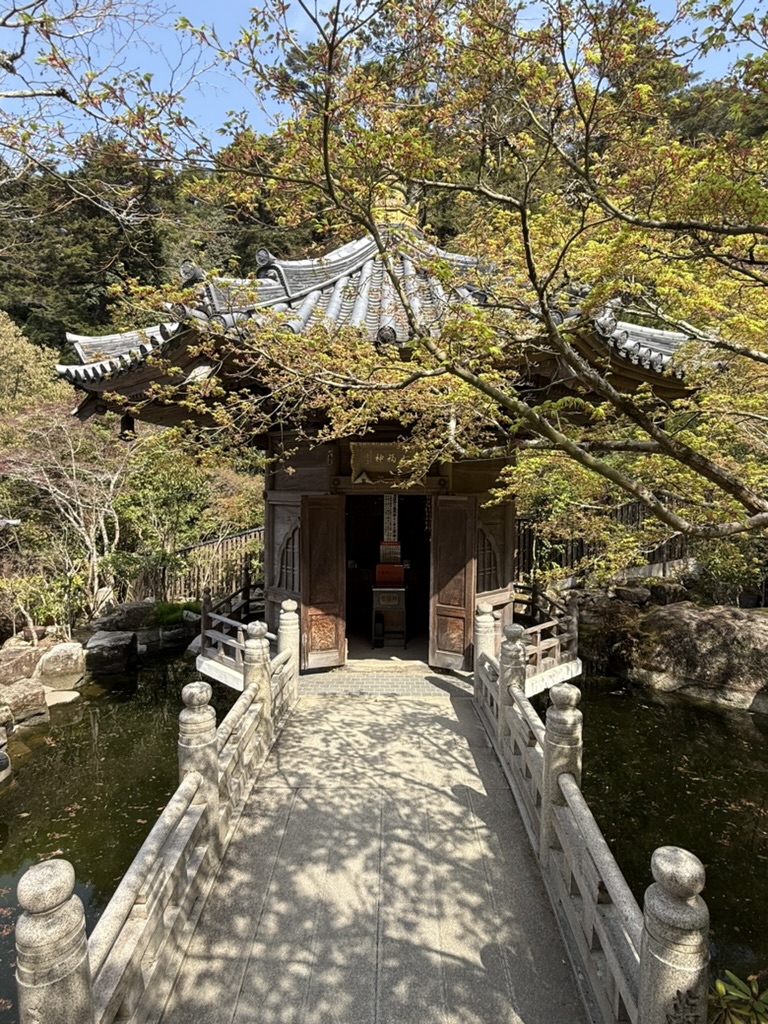
This appreciation of nature is also reflected in Shinto and Buddhism. They pay homage through mindful rituals and the sensitive construction of shrines and temples. Far from acting as stand-alone, imperious places of worship like the gothic cathedrals of Europe, these buildings blend into their natural environment. Their plain wooden or stone façades appearing as part of the wider habitat instead of fighting against it.
The country’s extreme vulnerability to natural disasters has, over centuries, also propelled concepts like ‘wabi sabi’. The acceptance of imperfection and the fleeting nature of life. Alongside ideas like ‘bosai’ – preparation and community spirit in the face of what may come next. More recently, environmental science has driven even greater protection in the form of sea barriers, considered re-wilding and seismic shutdown systems.
Tranquil city parks and private gardens are curated as an ode to Japan’s natural topography. Features like water, pebbles and moss represent larger versions of similar habitats found in the mountains surrounding cities. Placement of lanterns and bridges is meticulous, drawing the eye to more important areas and referencing ancient gods, stories and faiths.
That said the Japanese are also pragmatists. From the window seat of any train journey, large-scale production and unapologetic – sometimes even ugly – urbanisation bleeds into every bit of visible countryside. Even Mount Fuji’s view comes complete with a factory or two in front of it. So is there a wilder side of Japan to be found? And if so, where?
On Route: City Parks & Waterways
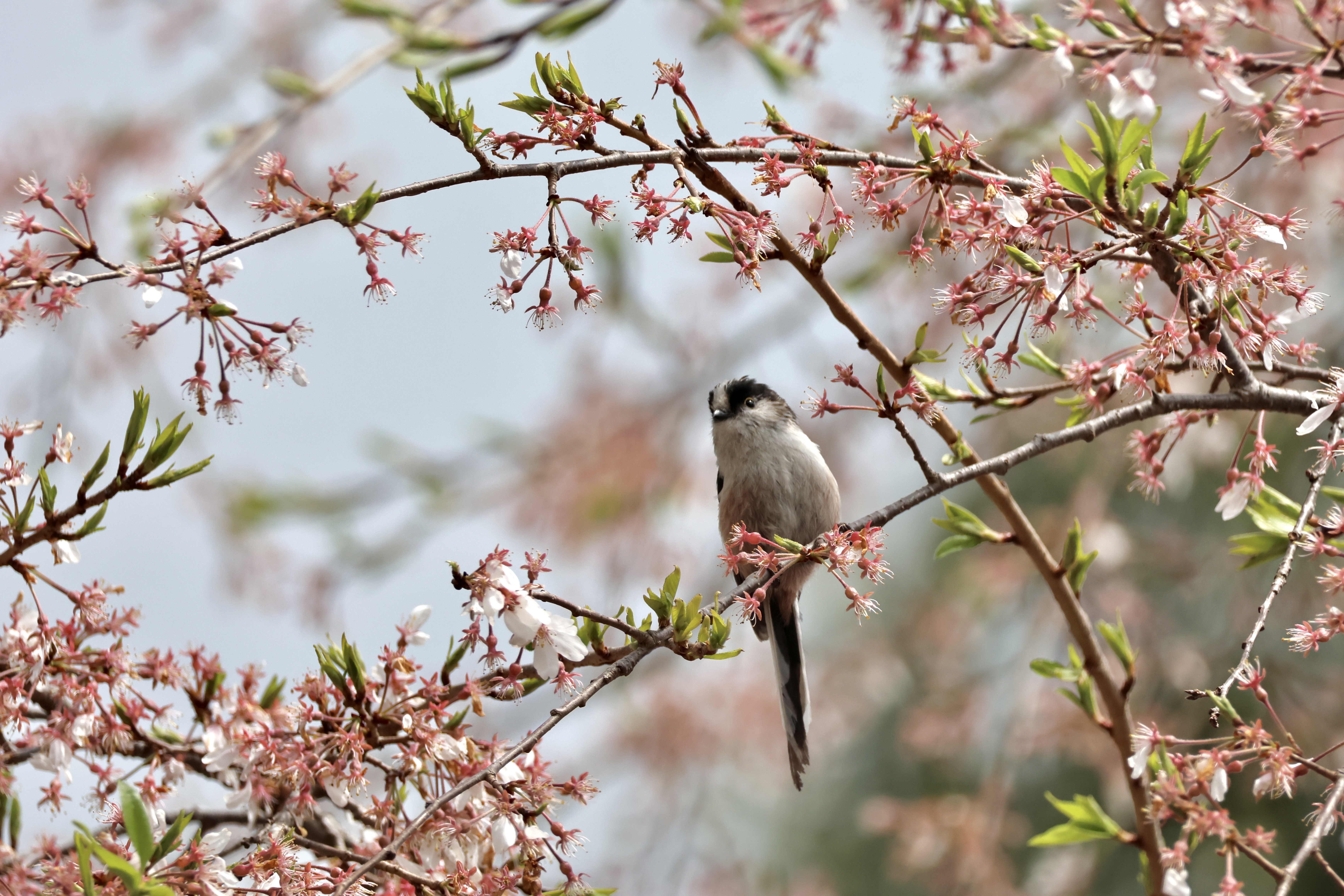
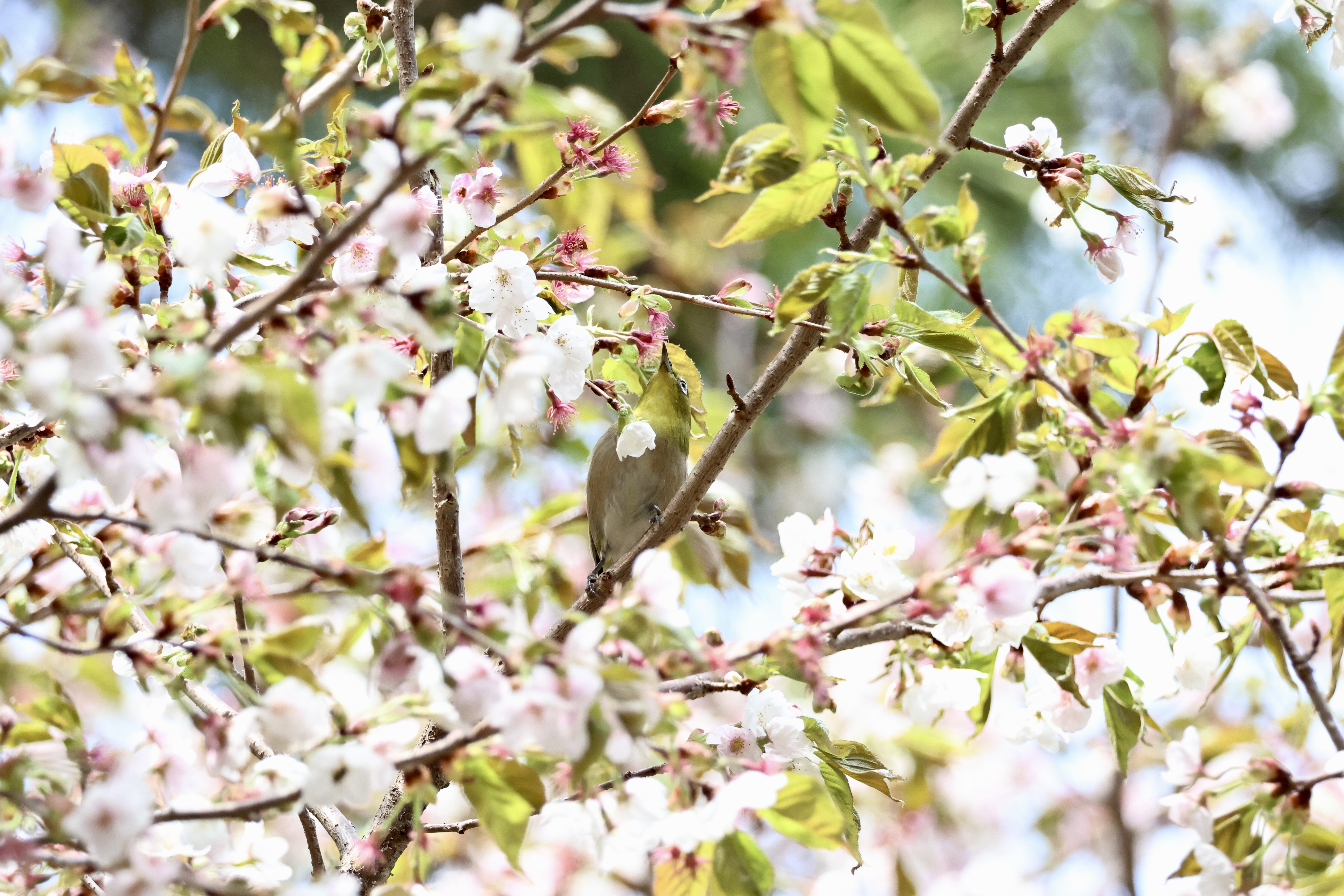
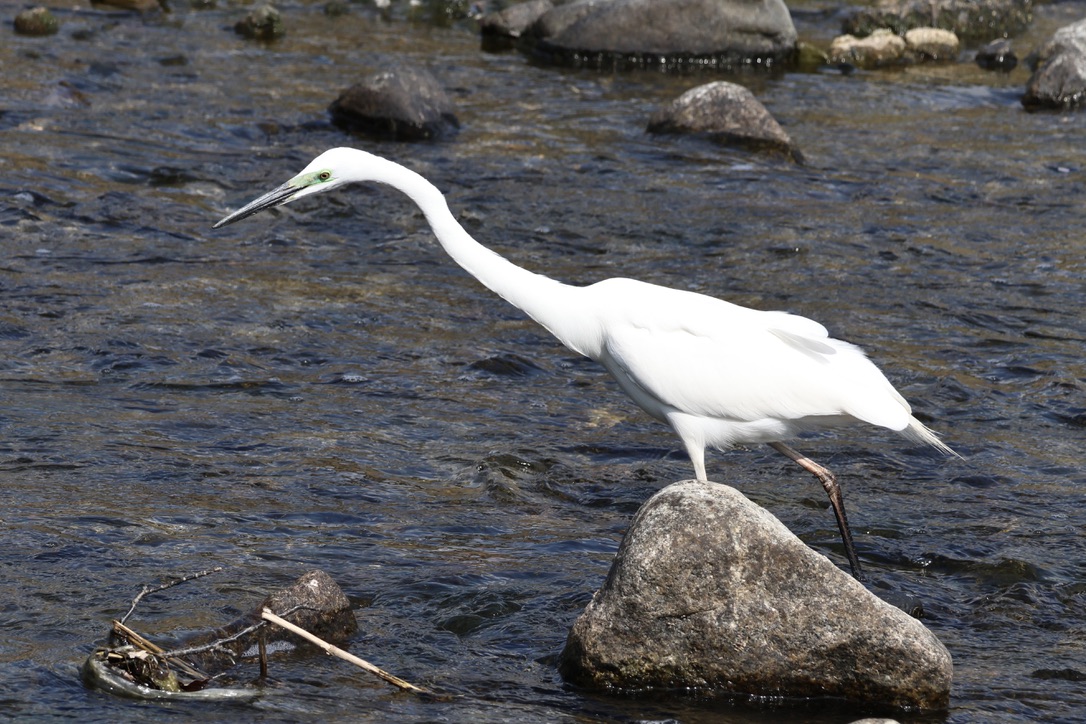
Endemic bird species like the Varied Tit, Brown-eared Bulbul, Pygmy Woodpecker and Warbling White-eye can be found in most city parks. As well as more recognisable variants like cormorants, mallards, wagtails and egrets around waterways and ponds. On visits to slightly more wooded areas like bamboo forests or out-of-town shrines, keep eyes to the ground for Dusky Thrushes, White-cheeked Starlings and rarities like the Daurian Redstart and Red-billed Leothrix – a very special little bird!
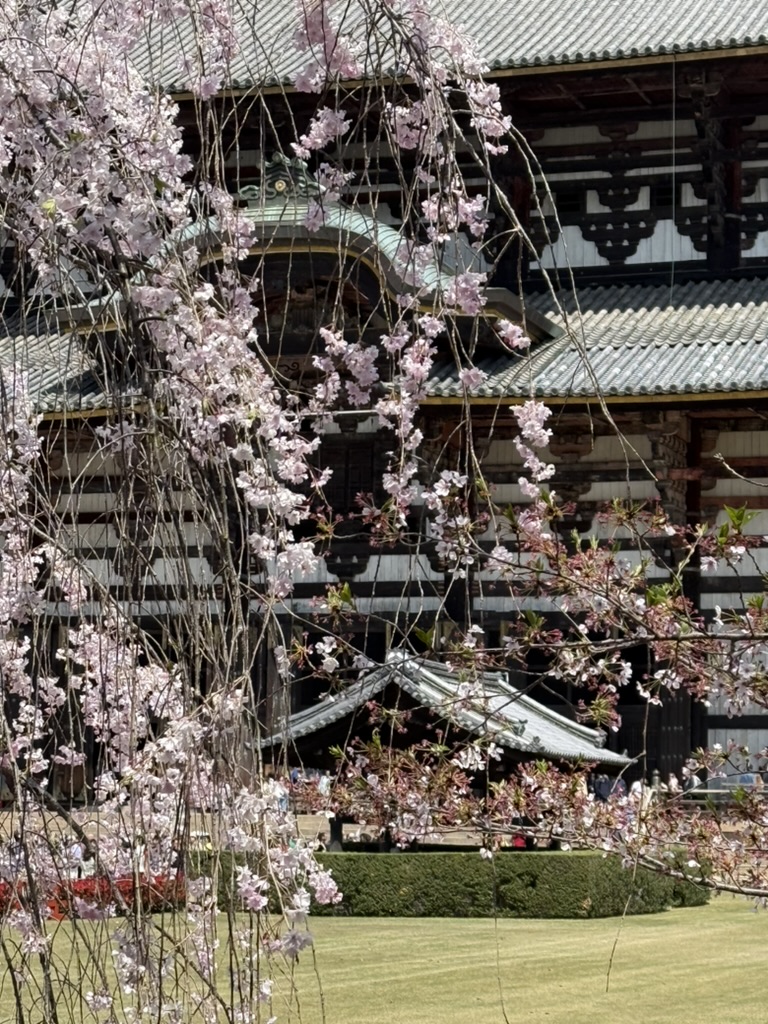
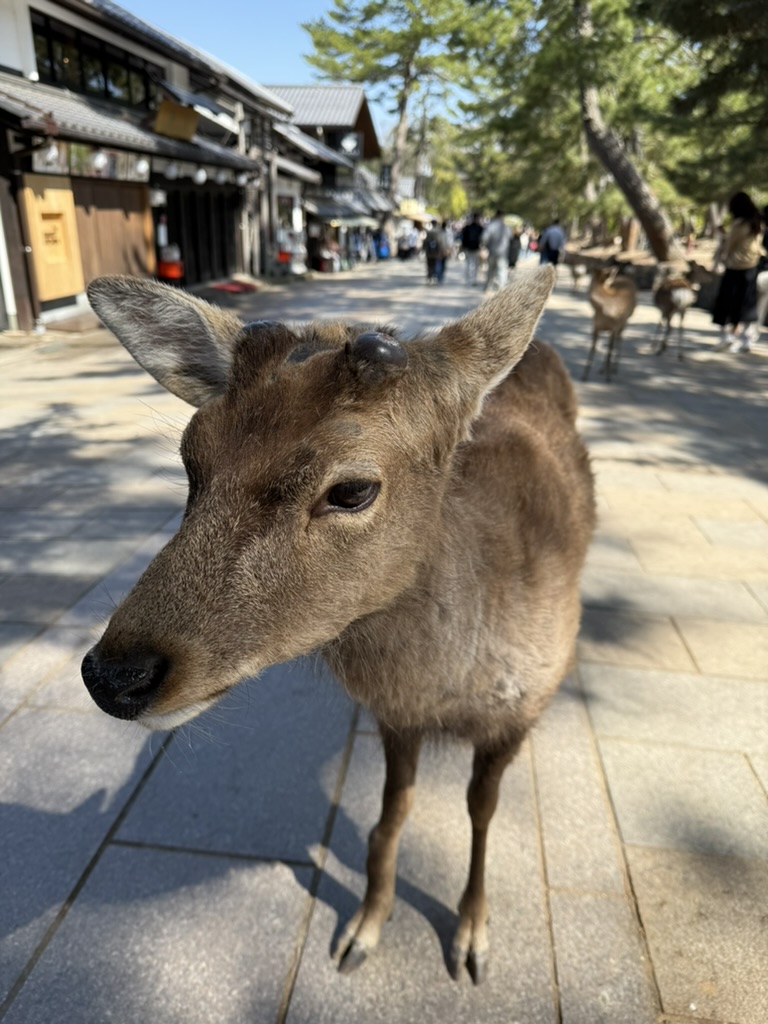
In Nara, deer roam the temples and can get quite frisky if you have crackers in your pocket. Feeding is sensibly monitored by locals but no touching and respect for the revered animals hopefully goes without saying.
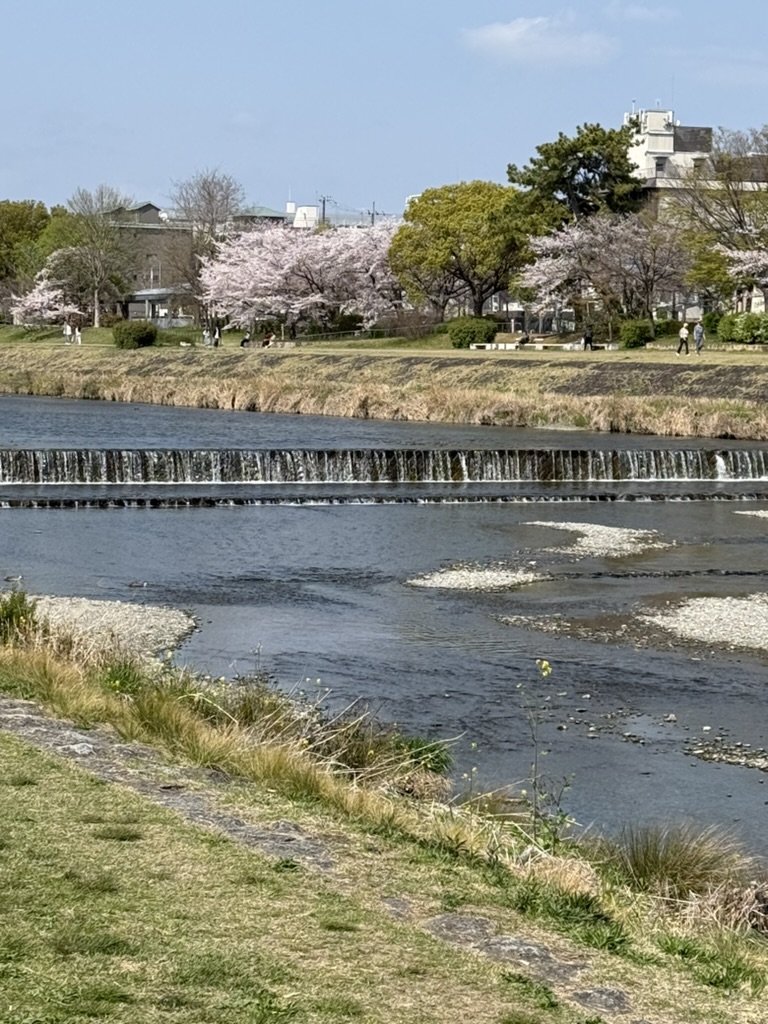
A well-spent day strolling Kyoto’s wide, clean river!
Small Detours: Japanese Alps & Miyajima Island
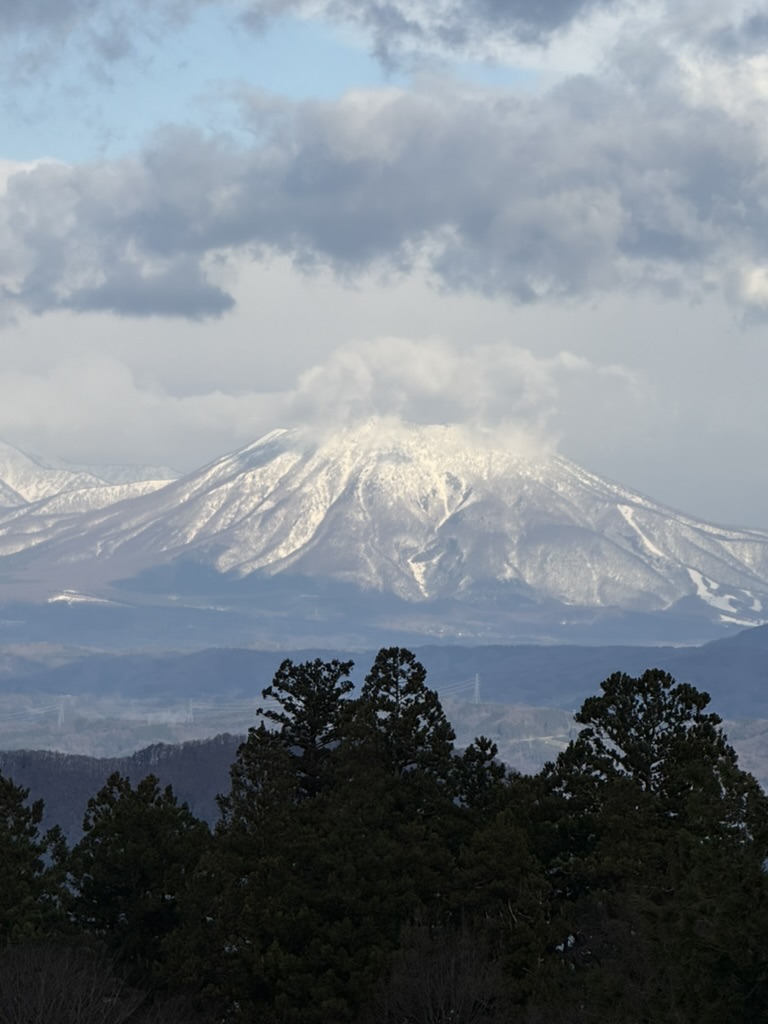
During a few days in the cooler-climate mountains near Nagano I spotted the Japanese variant of the Eurasian Jay, Japanese Woodpecker, Willow Tits and of course the star of the show: Japanese Macaque monkeys bathing in the natural hot springs.
A spring day trip from Hiroshima to Miyajima Island produced all the regulars plus a fantastic encounter with a Japanese Striped Snake, swallows and yet more deer. Ospreys, Black Kites and sea birds are plentiful along the main bay.
Further Afield: Okinawa & Beyond
Popular with Japanese holiday makers for long weekends, Okinawa’s warm climate three hours flight south of Tokyo throws up a whole different host of animals. Including sea snakes, turtles and countless fish along its reefs south of the island’s capital. Very special endemic birds live here, as well as adrift migrants. Keep eyes peeled for the Ryukyu Robin, Orange Okinawa Woodpecker, various owls and a local celebrity: The Okinawa Rail. The island’s also brilliant for bug and butterfly spotting, with a small reserve in Naha also providing chances to see crabs and uniquely comical mud-skippers.
Despite Japan’s reputation as a master of its urban environments, I found nature at every turn. In fact, the moments I shared with its creatures became stand out memories of my trip. Simply because natural encounters are best when we least expect them. Short, sweet and in high contrast to skyscrapers as far as the eye can see.
Get in touch if you have any other wild tips for exploring Japan!
Most of us are aware of Japan’s unmistakable aesthetic before we arrive. By embracing its most famous haunts we become part of the postcard.
If you’re beamed down into any part of Japan’s mainland it’s instantly recognisable. The bold reds and sharp monotones of its urban alleyways. Each one a tentacle slipping expertly through garish billboards and titanic shards of skyscraper glass. The bronzes and greens of its tranquil temples and palaces, each iteration identical as they rise from the rubble of natural disasters complete with water features and bamboo gardens. Its quintessential kitsch everywhere you turn, from Betty Boop signs to giant electronic cats and all manner of anime poster-chic in between.
Even the food is undeniably Japanese. From the bright greens of mochi and matcha to convenience store strawberries the size of your fist. Every moment here is a snapshot from social media that you may well have caught before.
Where does a first time visitor start?
I chose to trace a teardrop around Japan’s main island, Honshu. Starting in Tokyo and moving south at pace on the Shinkansen to Hiroshima via Nagoya for a brief but frenetic Formula One pit stop. Before tracking back up the west coast, spending time in Kyoto and Japan’s alpine region, returning to Tokyo almost two weeks later.
Along the way, I experienced a 90s style mix-tape of the nation’s greatest hits, while making sure I didn’t lose myself in what everyone else was doing. I spent an entire day birdwatching in Hiroshima’s Shukkeien Garden and strolled Kyoto’s river for an afternoon until my belly gave into unagi (eel) off a side street. That said, I let myself be swept up in the essence of what makes the country unique. Yes, I fed the Nara deer crackers and visited Shinjuku at night just to cross roads with the crowds a few times. To feel a small part of what makes Tokyo tick.
Wabi Sabi, Hanami and other highlights
Japan’s top trump is that there’s something for everyone. I was indifferent to anime, video game culture, drinking traditions and the dynamics of the adult entertainment scene, which helped hone my curiosity.
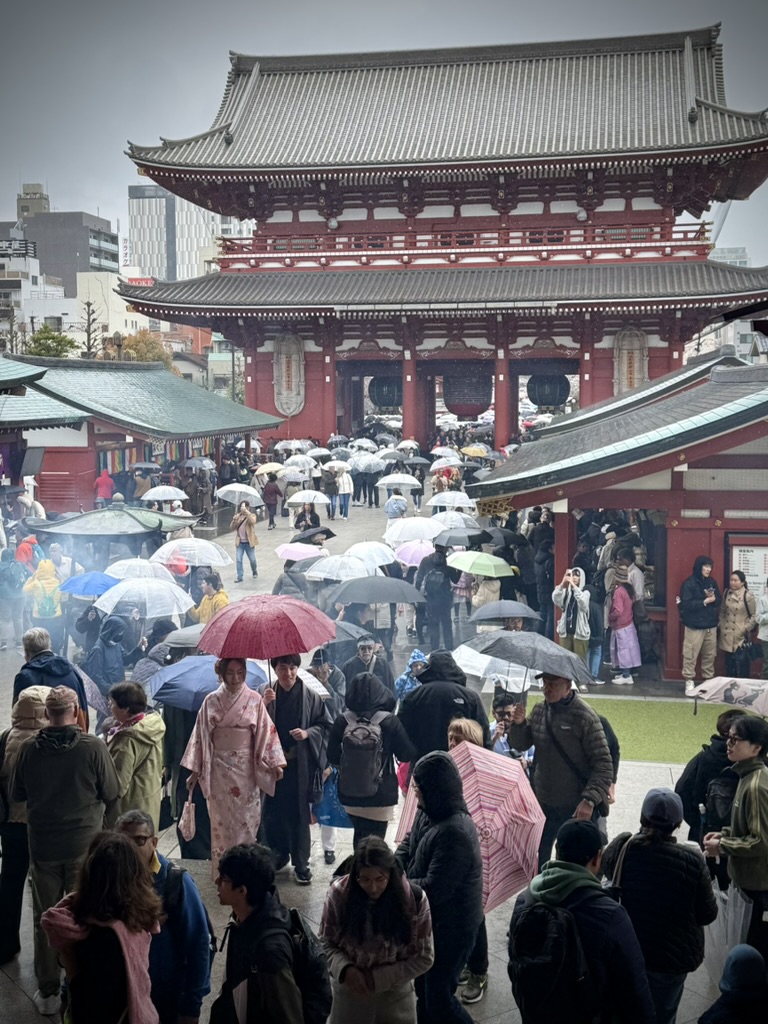
I was fascinated by Japan’s ancient philosophies and faiths. Its policies that had kept it insular for hundreds of years and more recently, its people’s resilience in the face of huge adversity. One of my favourite ideas from Japanese culture is ‘wabi sabi’. The concept that nothing lasts forever and everything is imperfect. I also wanted to find out how the historical blending of Shinto and Buddhist faiths – a heady mix of natural spiritual mythology and stoic advice fit for modern life – created temples where two beliefs sat comfortably alongside each other.
The most powerful memories of my travels through Japan are marked by this cocktail of traditional wisdoms and their tangible impact on people and places.
I witnessed two hours of Sumo training. Powerful wrestlers of varied rankings undertaking a rhythmic thumping of the dust below them, that took on a ceremonial quality beyond the moving and sweat of human bodies. I hiked an old pilgrimage path on Miyajima Island, where tiny shinto shrines and buddhist effigies sat next to each other amid the trees. I spent time reflecting in Hiroshima’s Peace Park. Watching locals munch food under sakura blossom, in the eye-line of the Atomic Bomb Dome. Showing a collective inner fortitude that I couldn’t being to fathom.
I also found myself in situations where I had to search a little harder for inspiration. Like Arashiyama bamboo forest. A rolling wave of angry tourists sporting selfie sticks and moaning about each others’ presence as if they had expected to rediscover a hidden idyll a ten minute bus ride from the city. And Shibuya Starbucks, where visitors gather with bland coffees and tuna-melts, waiting for the lights to turn red at the famous crossing below so they can grab a photo for their socials.
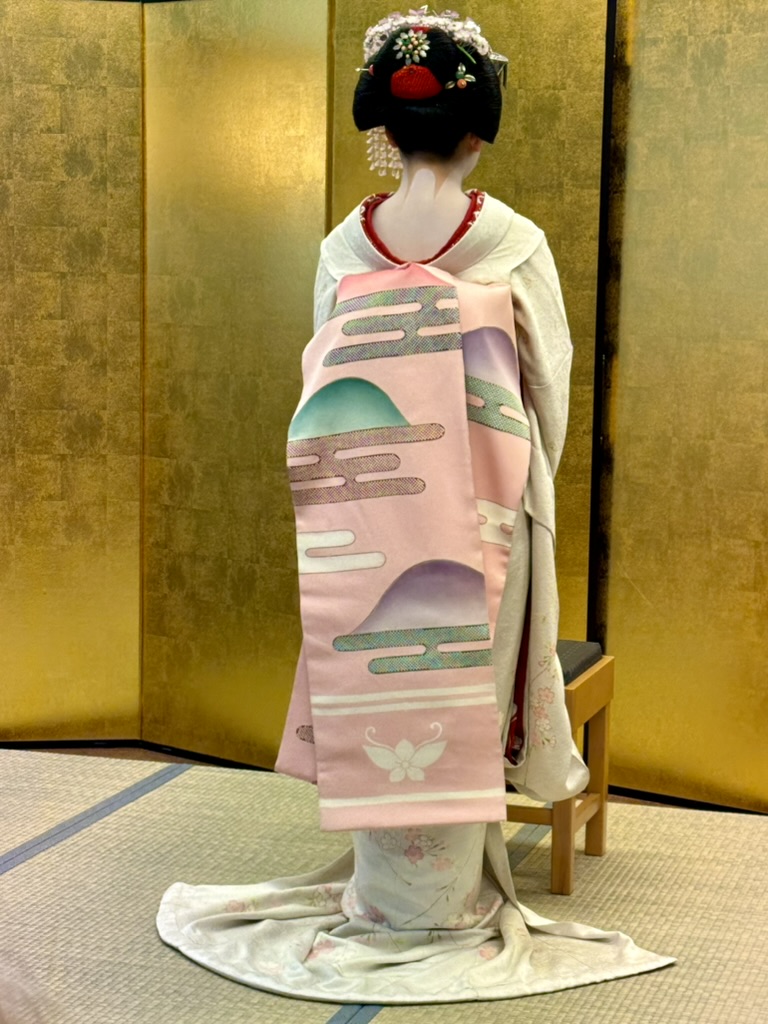
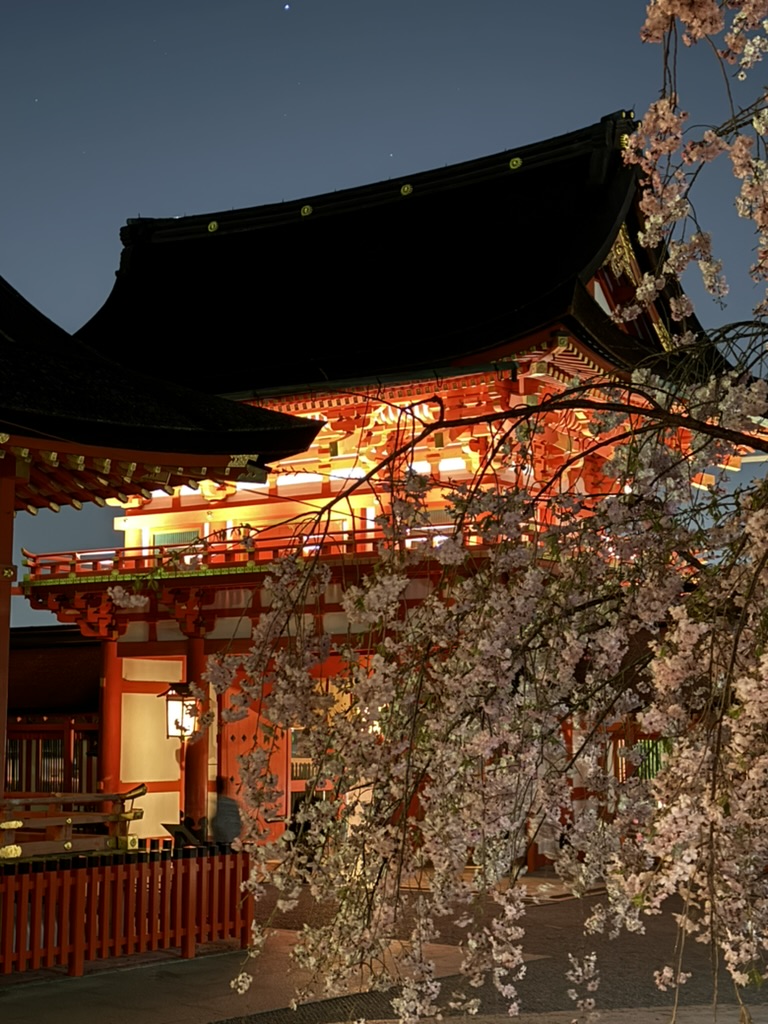
Despite the tide of mass tourism turning specific sites into no-go zones, magical moments still outweighed my frustrations. On my nighttime walk around Kyoto’s famous Fushimi Inari shrine and its thousand bright red Tori gates, I was alone in the darkness and managed to spot wild boars. Less a spiritual awakening than a startled arousal! I was lucky enough to meet a Geisha in a quiet setting and ask questions about her life. In the mountains, I came close to physical contentment. Letting the powerful hose of my daily post-onsen shower pummel each muscle in turn after mornings spent amid tall pines with Nagano’s snow monkeys.
As if by design, my spring journey that I’d actually planned around the annual Formula One racing calendar, happily collided with full bloom of Japan’s cherry blossoms. In fact, as my high-speed train pulled into each new destination, the App reliably informed me I was within 24 hours of peak Sakura. Picnicking with friends and family under the blossom-heavy trees is known as Hanami. And it gave me the perfect opportunity to follow the locals to pristine parks, slow down and take it all in. A national institution, even snacks and drinks were themed Hanami-pink throughout my stay. I did enjoy a bit of kitsch-couture after all.
Dining out and taking away
I can’t rattle through a Japanese journey without mentioning its cuisine. It’s phenomenal. From steaming ramen bowls on cooler days to fresh onigiri as a light snack, every time I put something in my mouth it was a travel experience all of its own.
Japan has a reputation as an expensive foodie holiday and you could spend every evening eating at Michelin star venues but it’s unnecessary. I treated myself to a few highly rated restaurant meals. A wagyu tasting menu and onsen-style dining at Kanbayashi Hotel Senjukaku. Although most of the time I ate delicious, great value food on the go. Konbini (convenience store) sushi, salads and fruit were very high quality. Ekibens (food boxes showcasing local produce at train stations) were a great option to take on day trips. While street vending machines selling everything from coffee to hot sauce, became a daily staple.
Overall, snacking little and often was a fabulous way of sampling a wide range of produce, while not blowing the budget. Eat what you like, when you like – just don’t eat in the street and take your rubbish with you.
My Japan
What Japan became to me it will never be to you. Moving with characteristic Shinkansen efficiency along a beaten path, I found small moments that were my own. Minutes where I thought I had started to understand its complexities before it threw me another of its mysterious quirks. I suppose this is why no one ever visits just once; and why a beginner’s route works.
I never did break beyond its quintessential aesthetic on my first encounter but it didn’t really matter. After all, nothing is perfect. Wabi Sabi, as they say…
As the plane approaches Arrecife airport, the deep Atlantic blue beneath gives way to white frothing waves against a stark, volcanic shore.
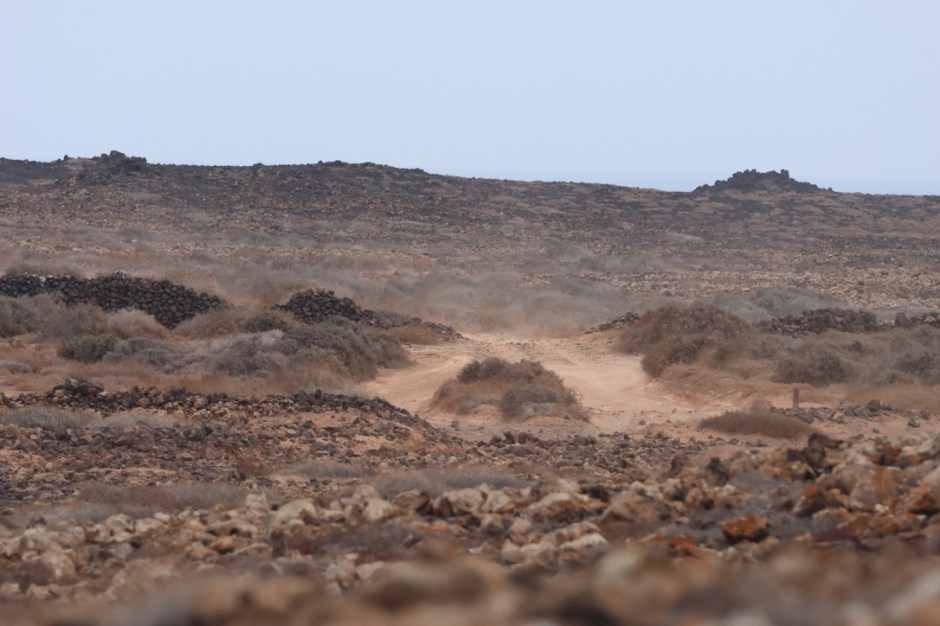
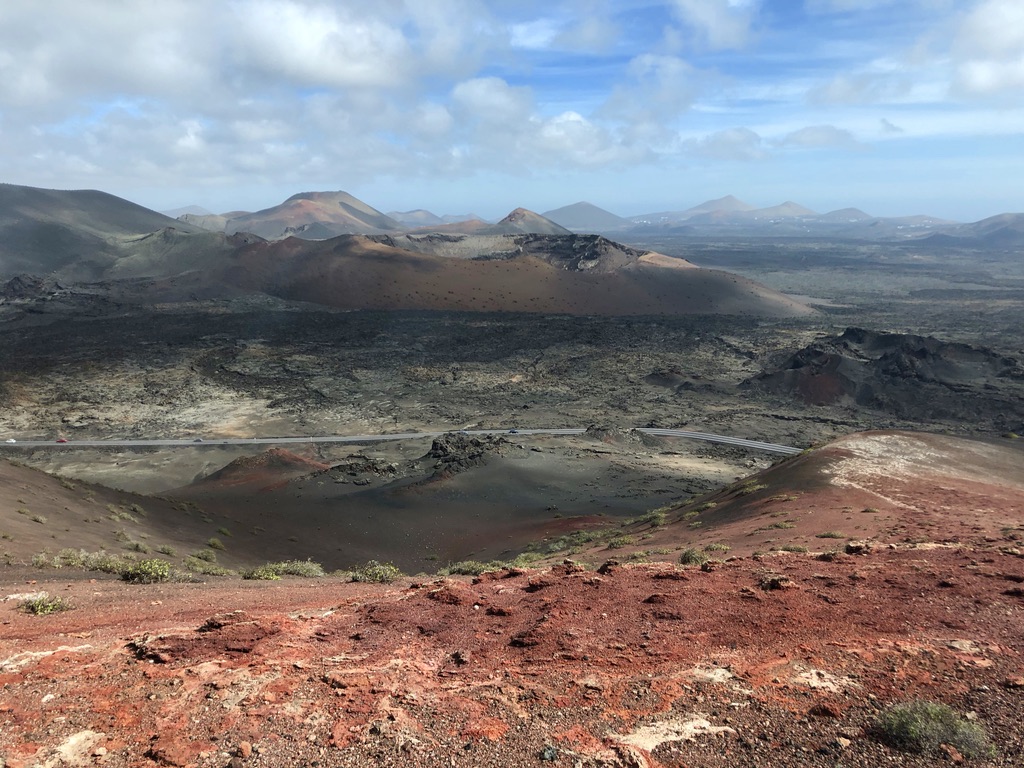
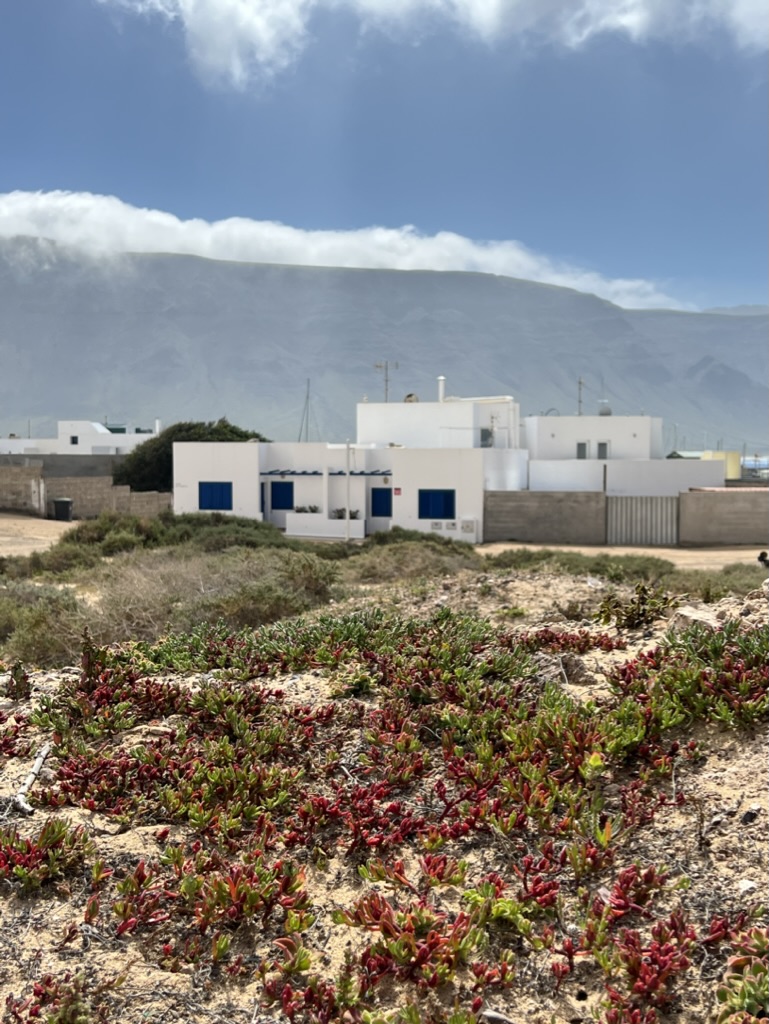
Beyond, arid scrubland connects low-slung white towns. Their bright little boxes stopping abruptly at the foot of the rich ochre swathes of Lanzarote’s old volcanoes. In fact, the entirety of this Canary island and its neighbours once formed the edge of a singular giant volcano. Millenia before the package deals descended and visitors lined its sweeping bays with loungers and two-for-one cocktails.
At first glance Lanzarote looks barren but beautifully so. I fell for its landscape as soon as I left the airport. Its unique topography – a long chilli-shaped strip of earth amid the Atlantic – ensuring that one coast is continually sheltered and the other stays utterly windswept and wild most days of the year. Its unusual weather patterns first bring red dust across from the Sahara, then create breezes from the vast ocean to its West that are deceptively cool against the fierce equatorial sun.
On my first visit, I assumed that the island didn’t have much wild life beyond the antics of its Playa Blanca tourist strip in the far south. Although despite the hints dropped by black pumice, lava tubes and sparse vegetation, there are plenty of birds that call Lanzarote home. And also those that don’t. The isle’s quirky winds and geographical location off the north coast of Africa often create perfect conditions for surprise visitors. These migrants haven’t pre-booked like the hotel guests along the Costas, instead arriving without fanfare, giving birders a sudden but unforgettable encounter.
Even the beautifully barren volcanoes national park is home to birds and wildlife.
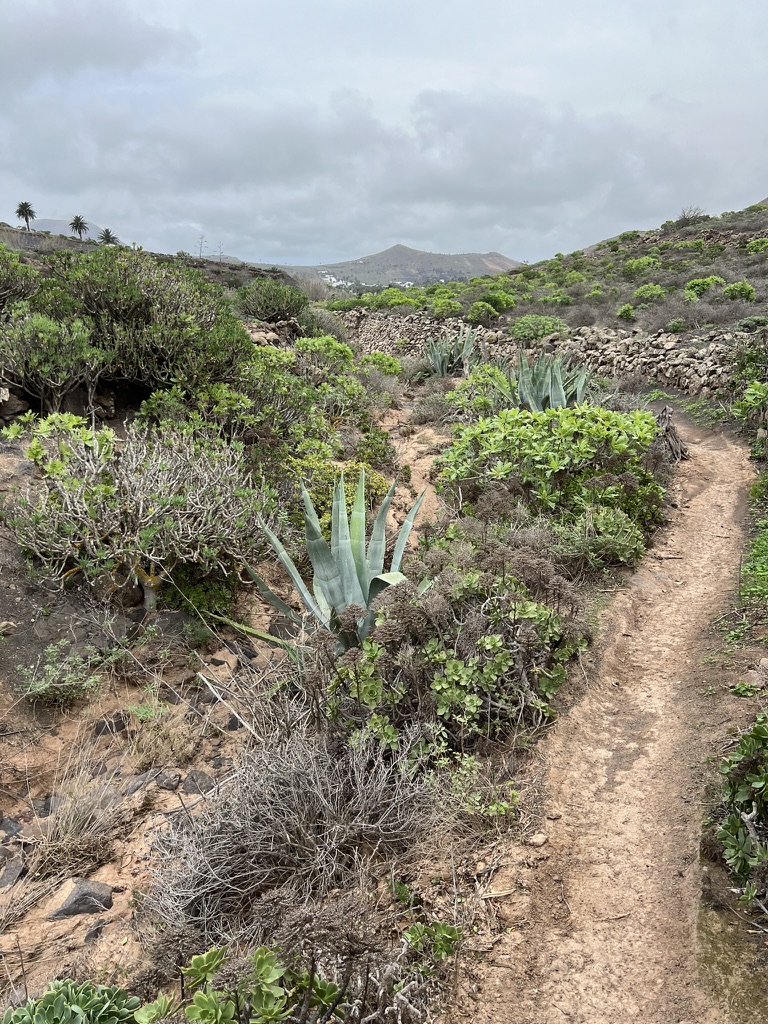
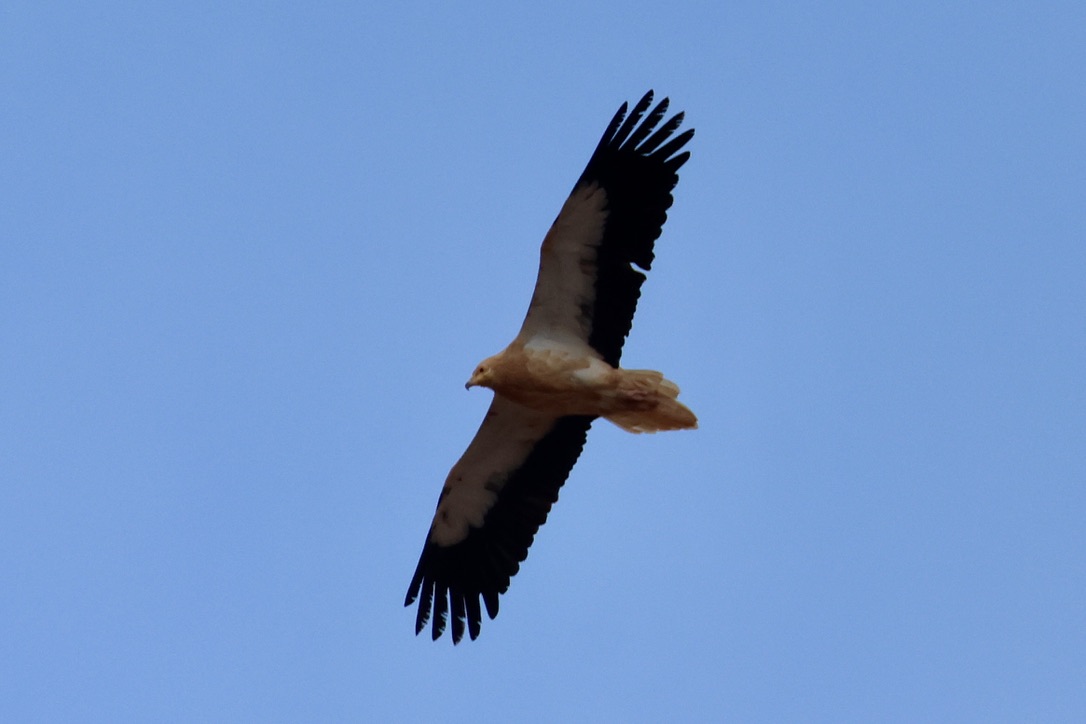
In the years since my first holiday, I’ve gradually broken down Lanzarote’s sweeping scenery into a series of nuanced habitats. Not everything is broad-brush arid desert. From the inland north which gets more rain, to the heat-hazy dunes near the village of Soo and its looming sea cliffs where Egyptian Vultures can regularly be seen catching thermals, the birds of Lanzarote have become masters of their pocketed environments.
Costa Teguise & Arrecife Marina
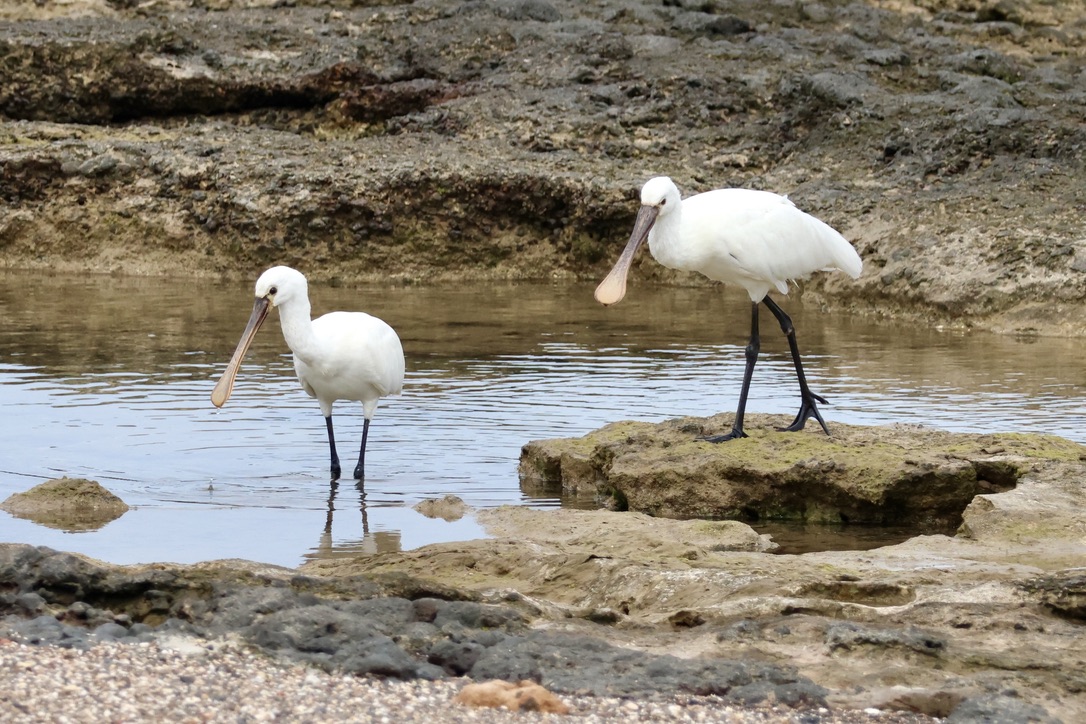
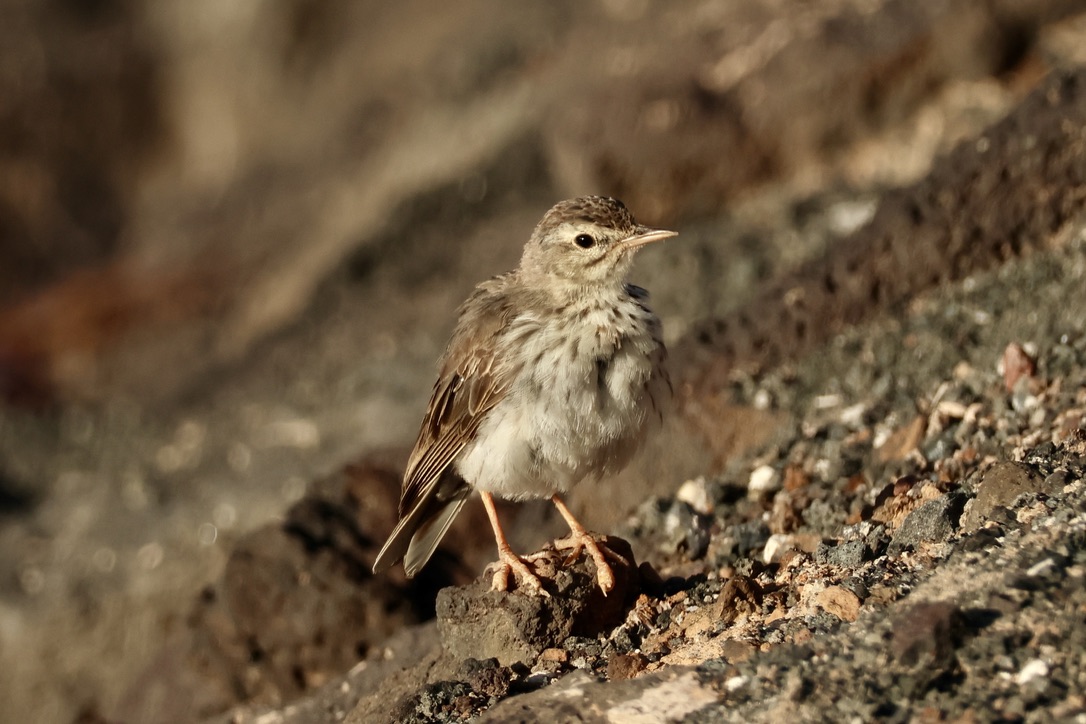
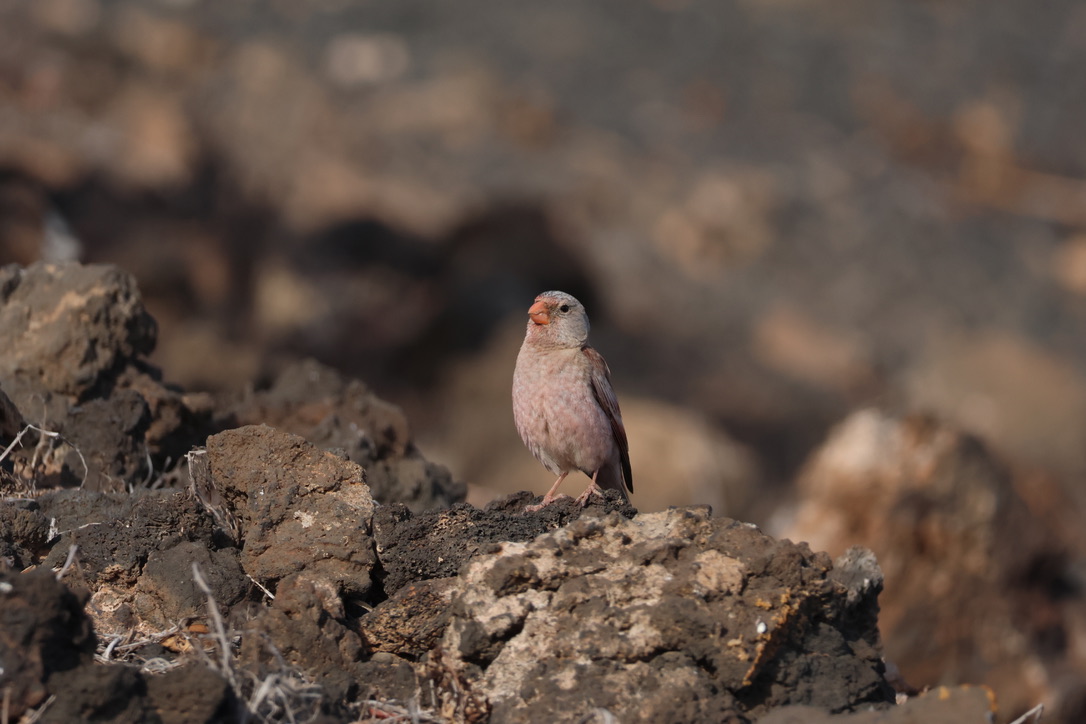
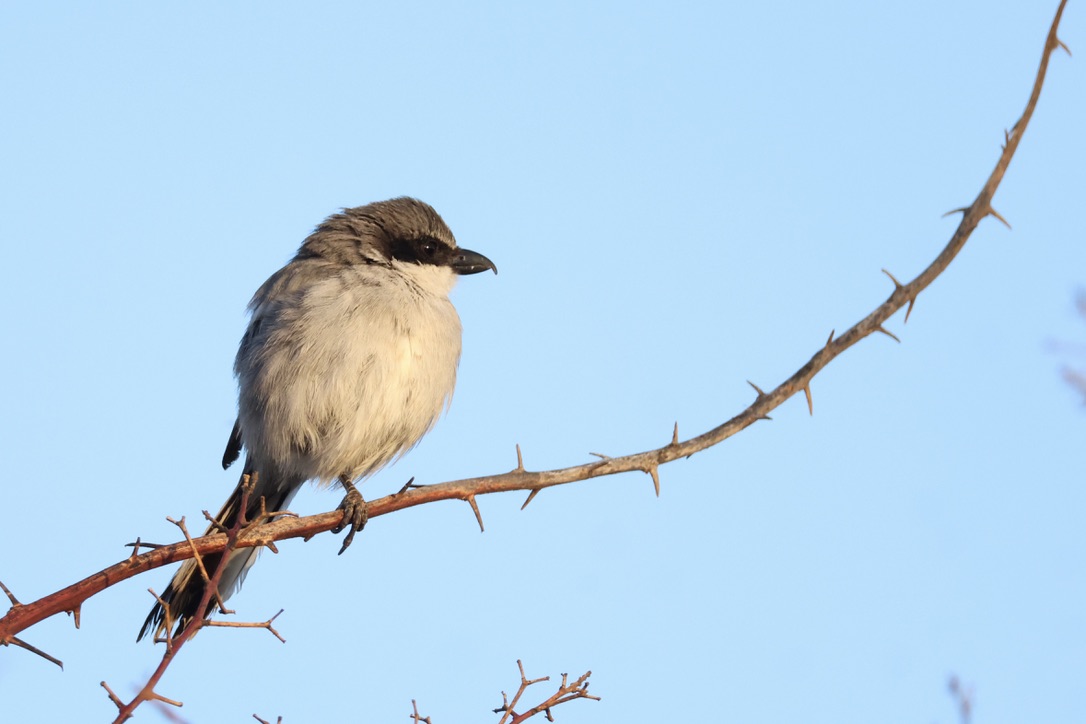
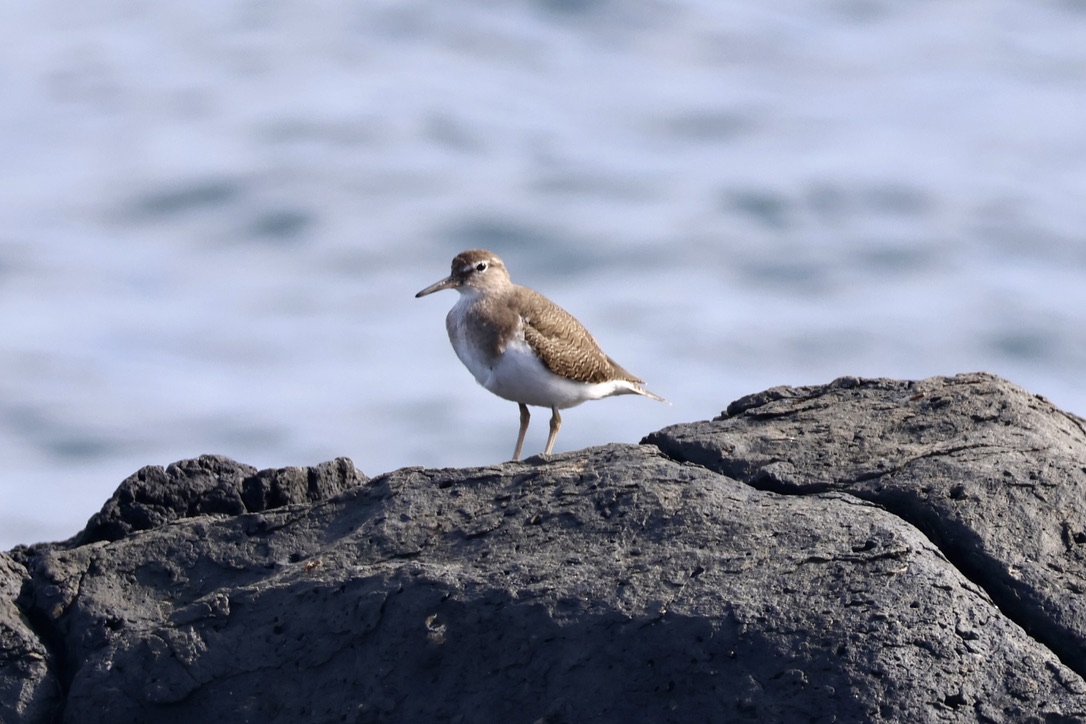
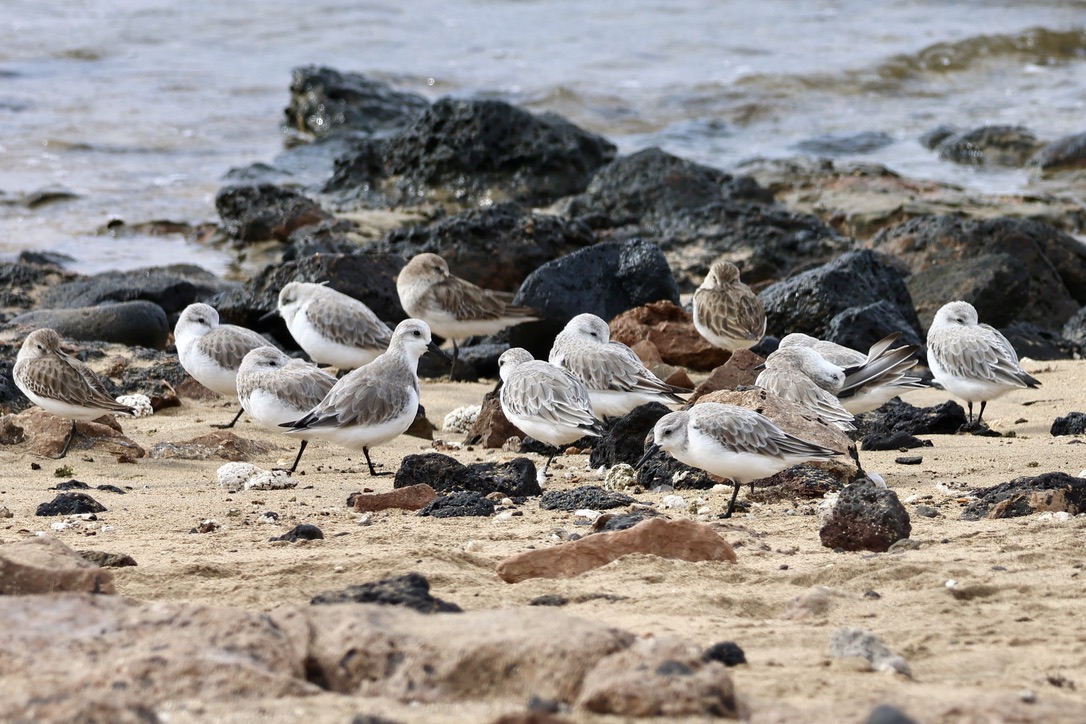
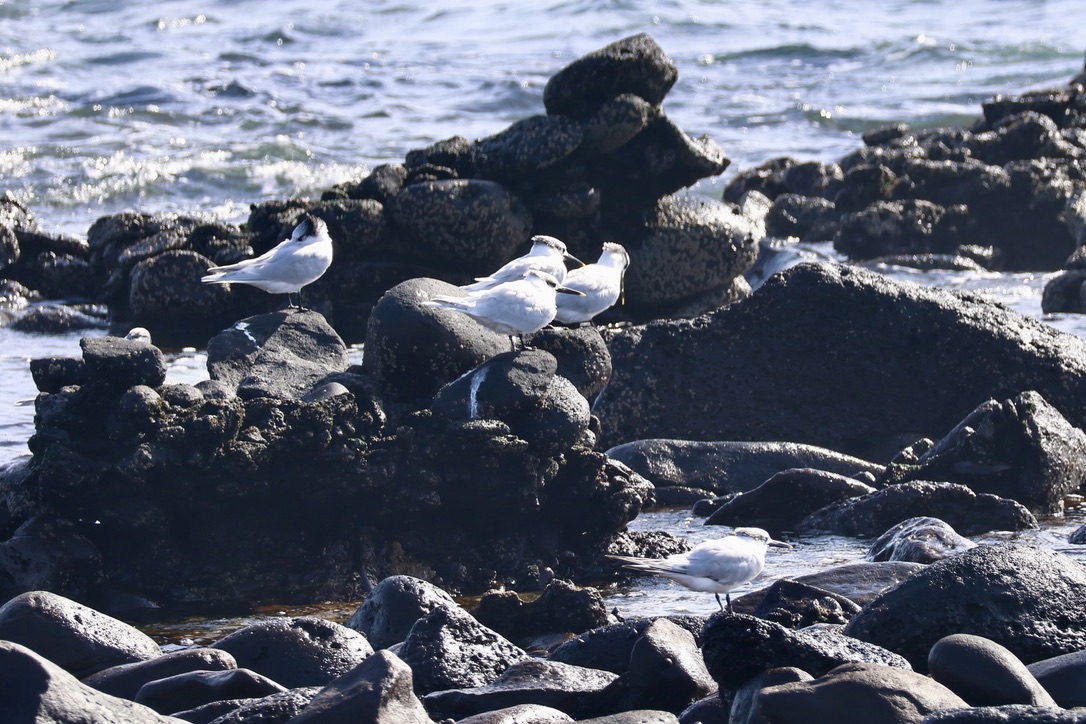
Dark volcanic rock collides with roaring sea along this paved coastal walkway, creating rock pools galore for hungry waders. Whimbrels, turnstones, sandpipers, plovers and even Spoonbills can be spotted. Hotels also plant palms, cacti and a few larger trees, providing shelter for smaller birds like the endemic Berthelot’s Pipit and fabulously squeaky Trumpeter Finches; as well as hunting perches for shrikes. The marina of the island’s capital an hour’s wander south is a welcome shelter for all sorts of shorebirds and worth a cursory loop at any time of year.
Tinajo Dunes & Desert
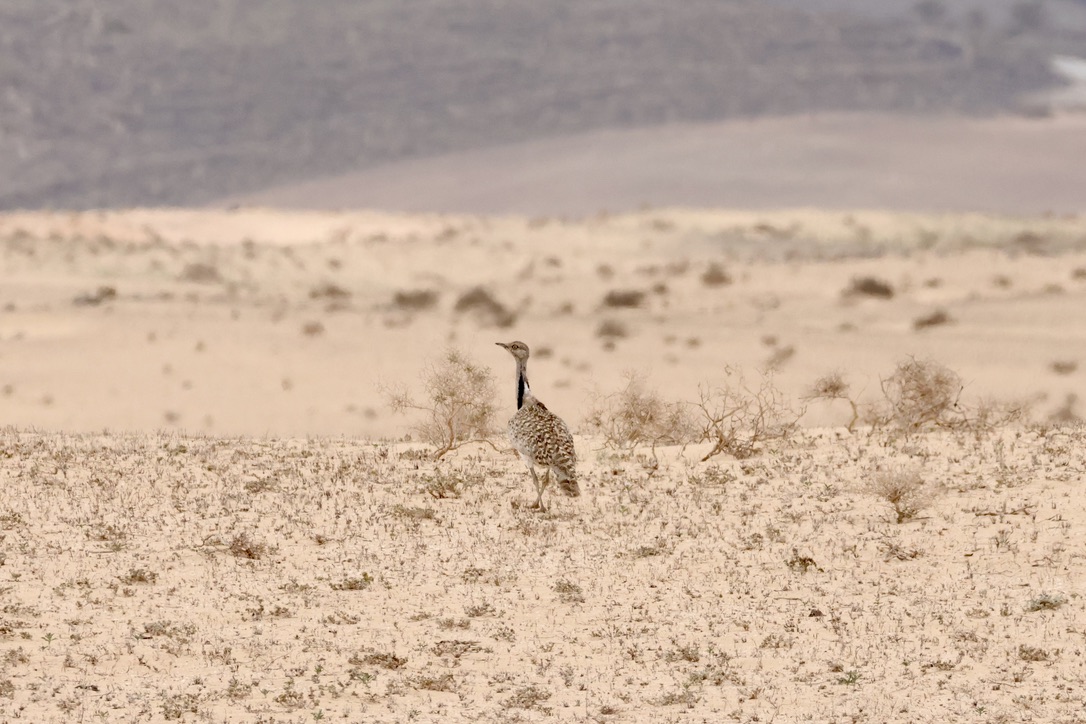
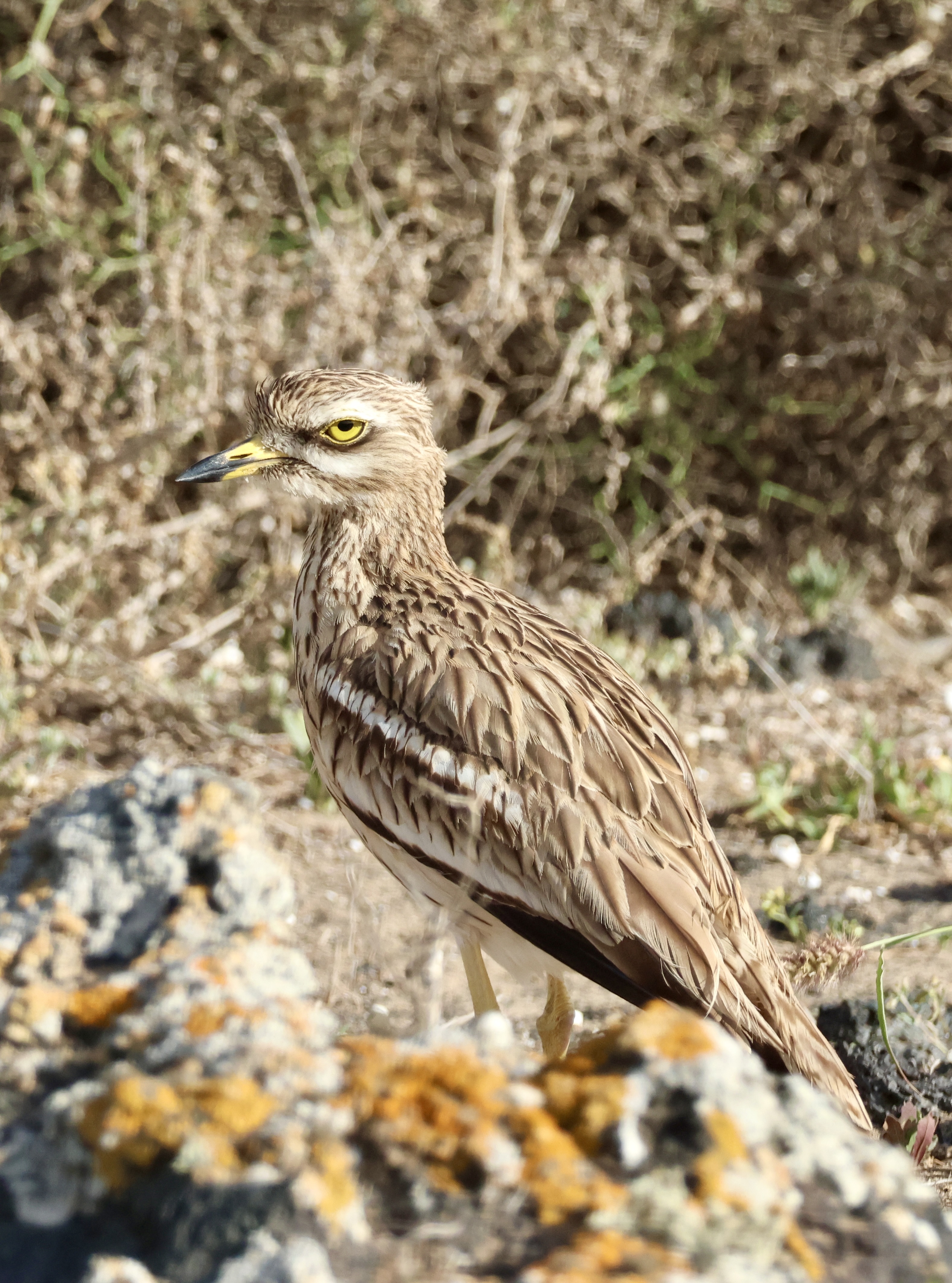
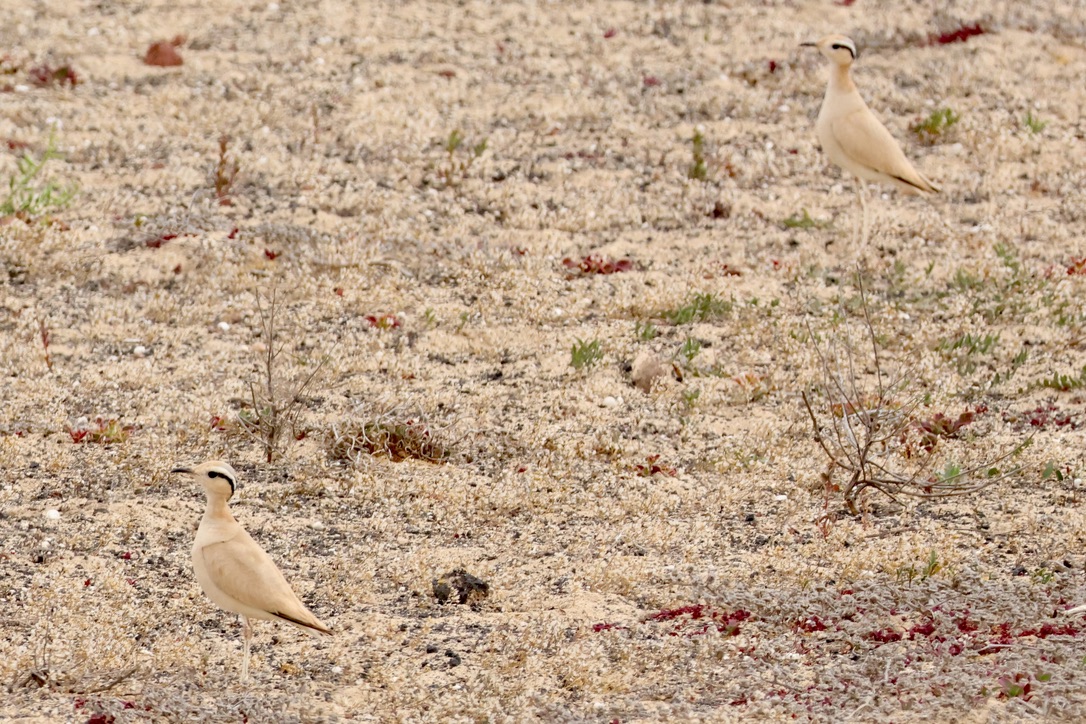
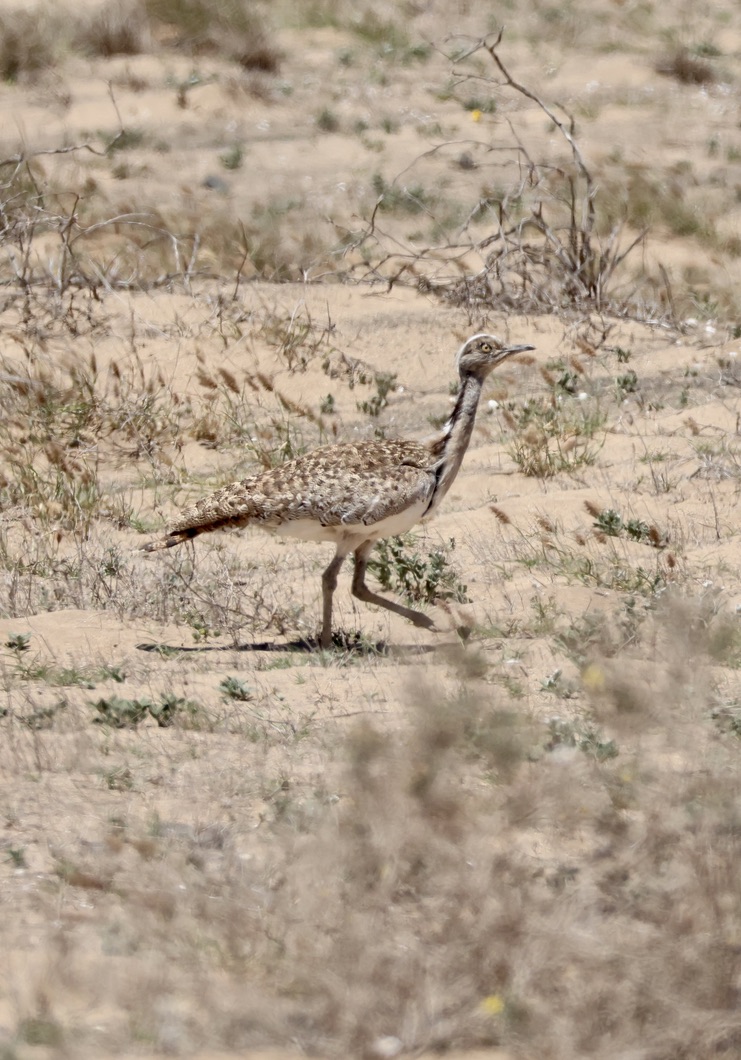
Home to the island’s desert specialists. Going with a local (I visited with a career archeologist who guided bird groups in his spare time!) or a least a hire car is best for this area. Early morning provides the best sightings, less wind and minimal heat haze. Spring is best for catching the male Bustards displaying. Stone Curlews, the elusive Black-bellied Sandgrouse and one of my all-time favourite birds, the Cream Coloured Courser, are so well camouflaged I’d recommend scanning the ground with binoculars and ample patience.
Off-shore Spots & Boat Trips
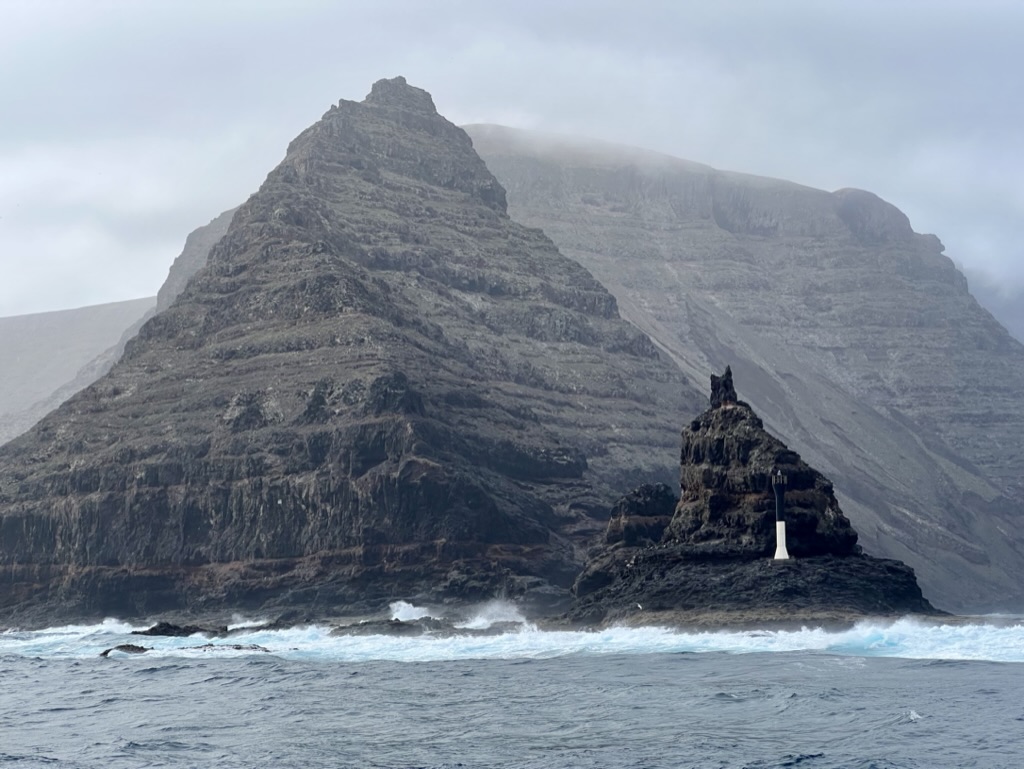
Seabirds compliment most boat excursions. If you go out in search of dolphins and whales, you’re also in with a strong chance of seeing Cory’s Shearwaters, skuas, terns and even rarer migrants like tropicbirds and petrels if you’re really lucky! A catamaran cruise from the northern tip of the mainland to La Graciosa is a wonderful day trip; and also the best chance to glimpse nesting birds along the huge, craggy precipices of the island’s north.
Hiking Haría & Valley of the Palms
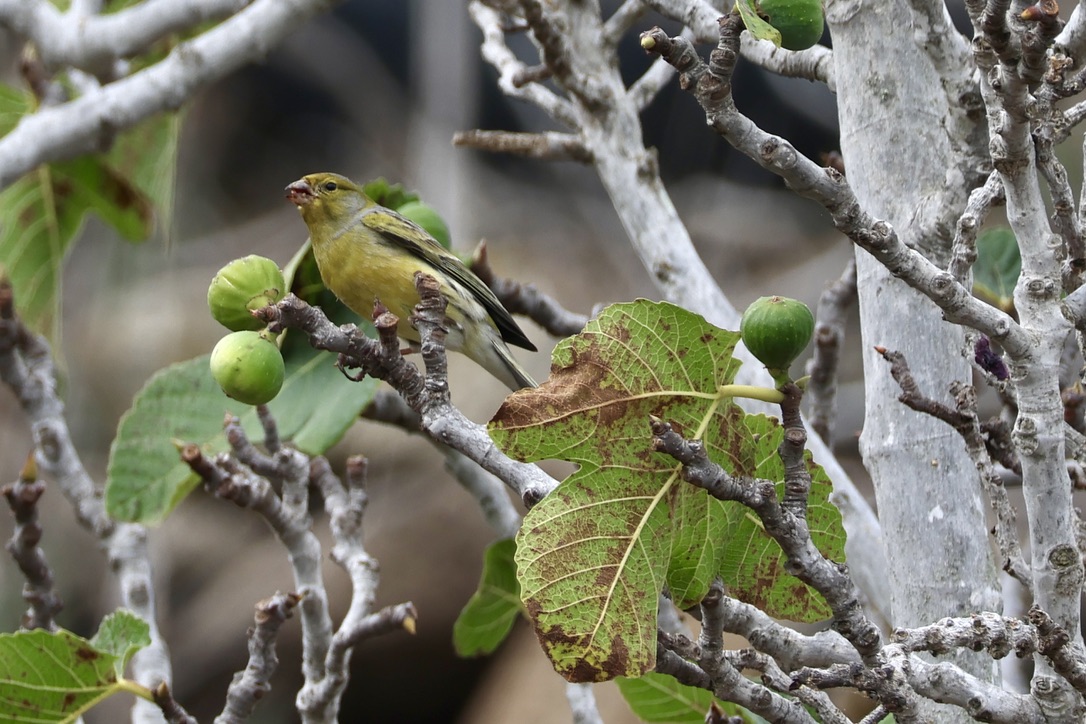
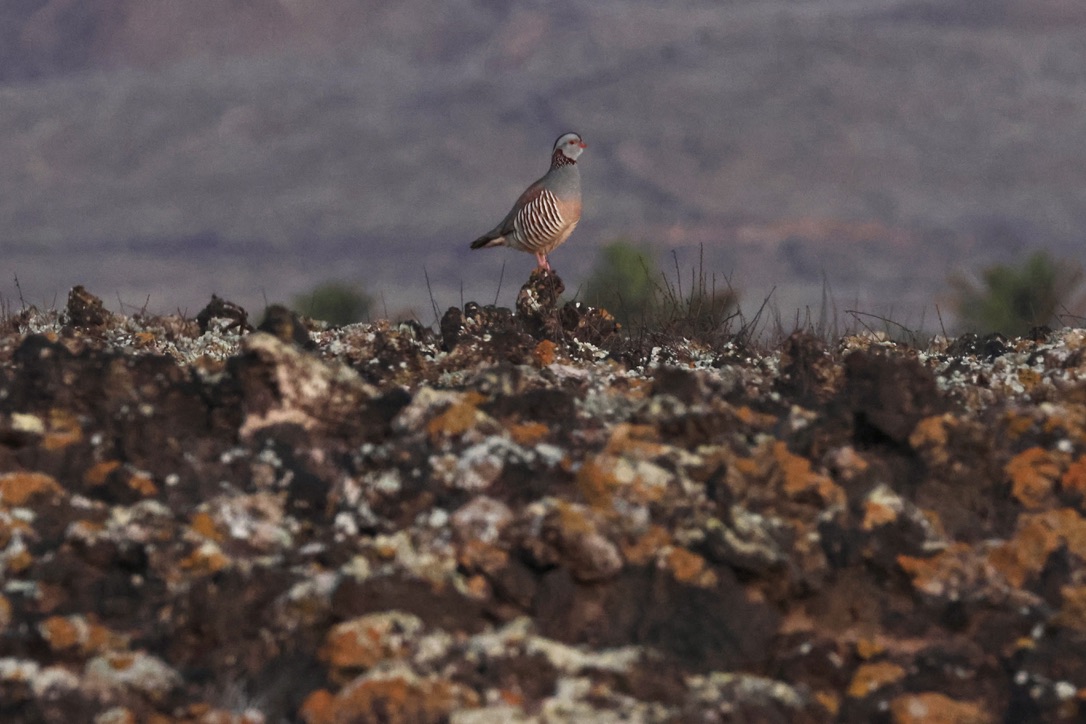
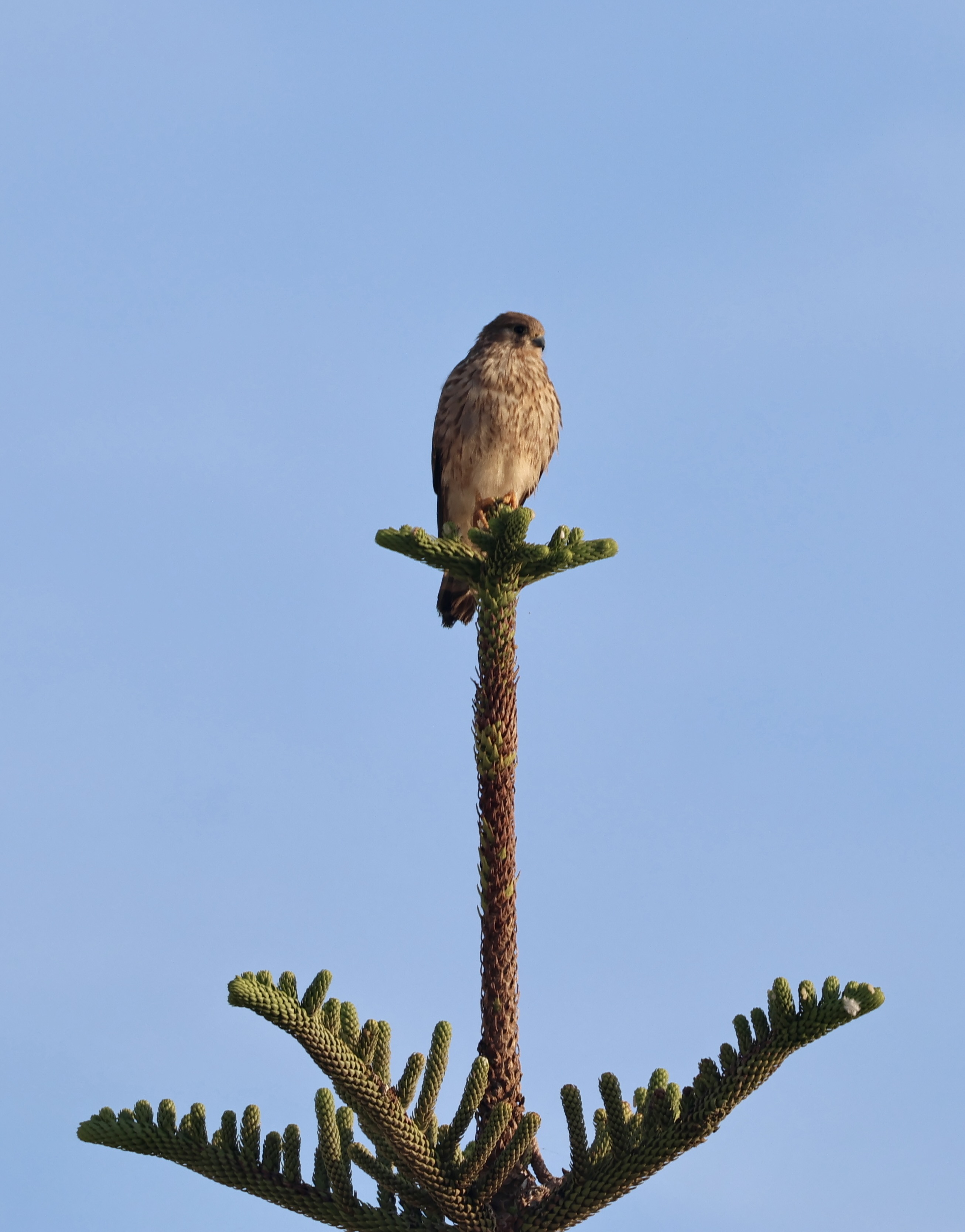
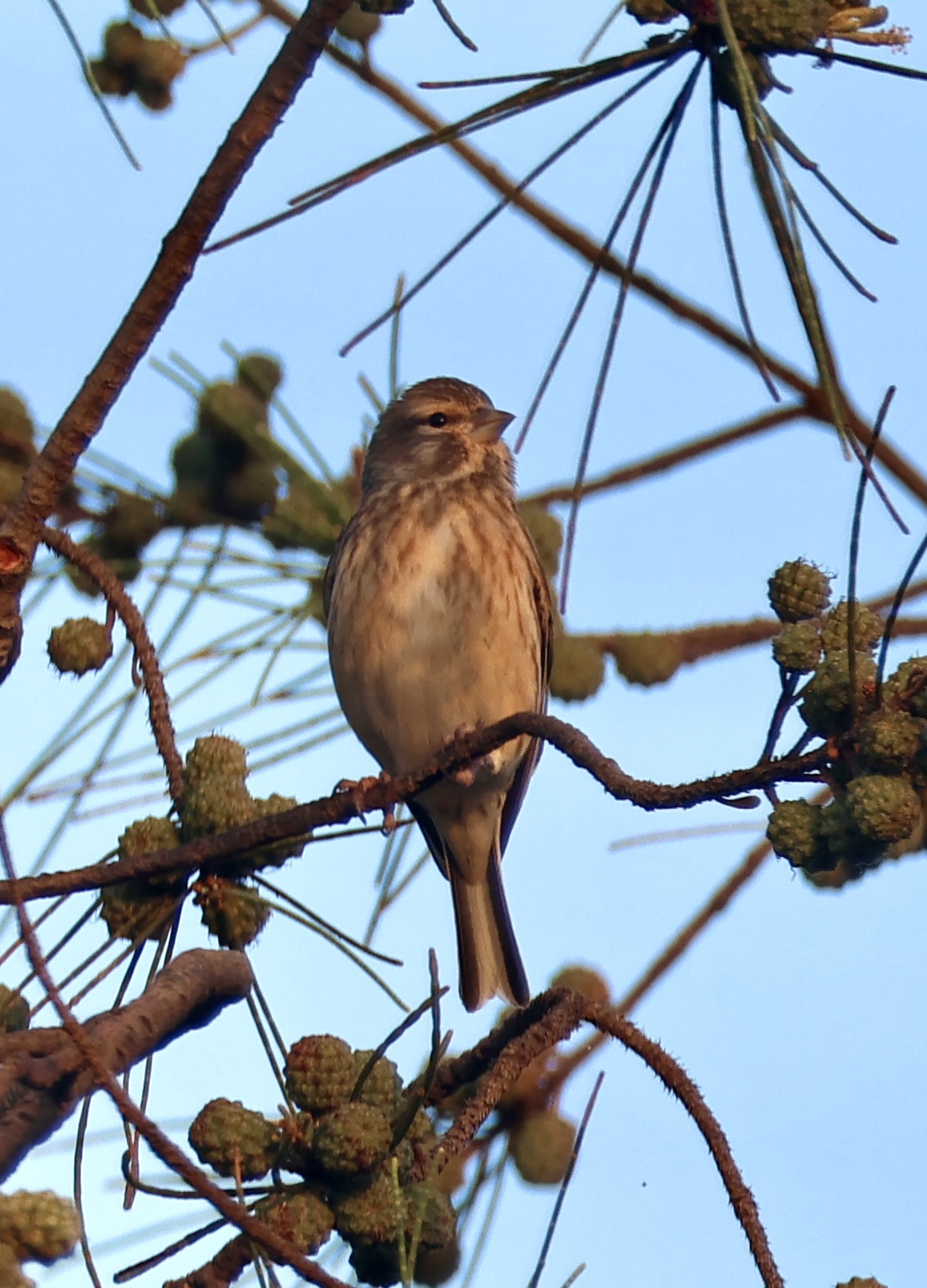
A few lovely hikes of varying difficulty from the town of Haría – roughly 20 minutes drive from the Costa Teguise – are the best places to spot Lanzarote’s smaller birds, including Spectacled and Sardinian warblers, Linnets, African Blue tits and the namesake Canary. Keep eyes peeled high and low for Hoopoes and Barbary Partridges on the ground and raptors in the air. Particularly Kestrels, Pink Footed Falcons and Egyptian Vultures.
Anywhere you go on Lanzarote, you’re likely to bump into birds. Whether the Yellow-legged Gulls are waiting for your crumbs on the front at Puerto Del Carmen, or the Ruddy Turnstones are waddling across your towel on Playa Jabillo, you have two choices: Go out of your way to find the birds, or let the birds come to you!