As the plane approaches Arrecife airport, the deep Atlantic blue beneath gives way to white frothing waves against a stark, volcanic shore.
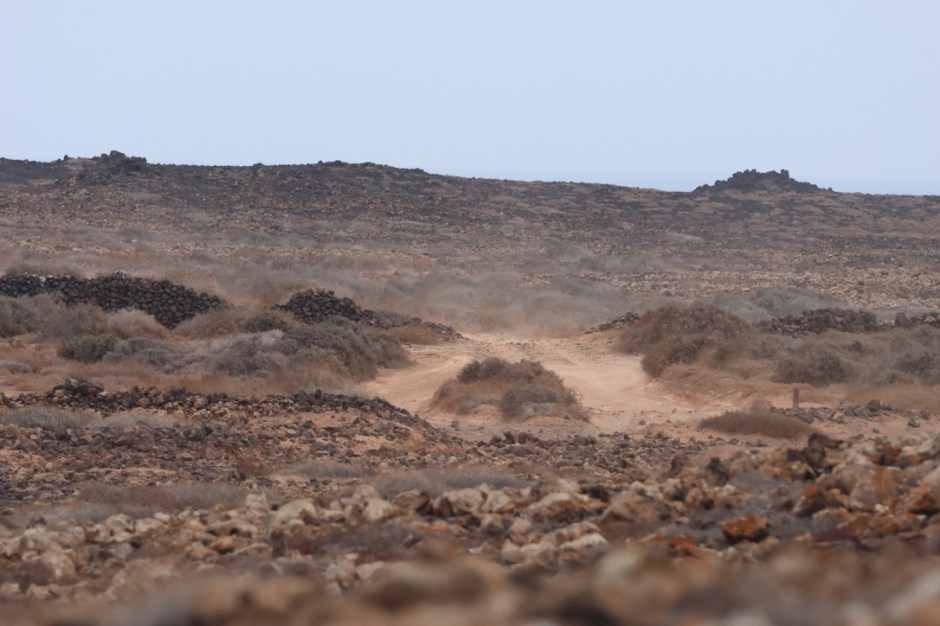
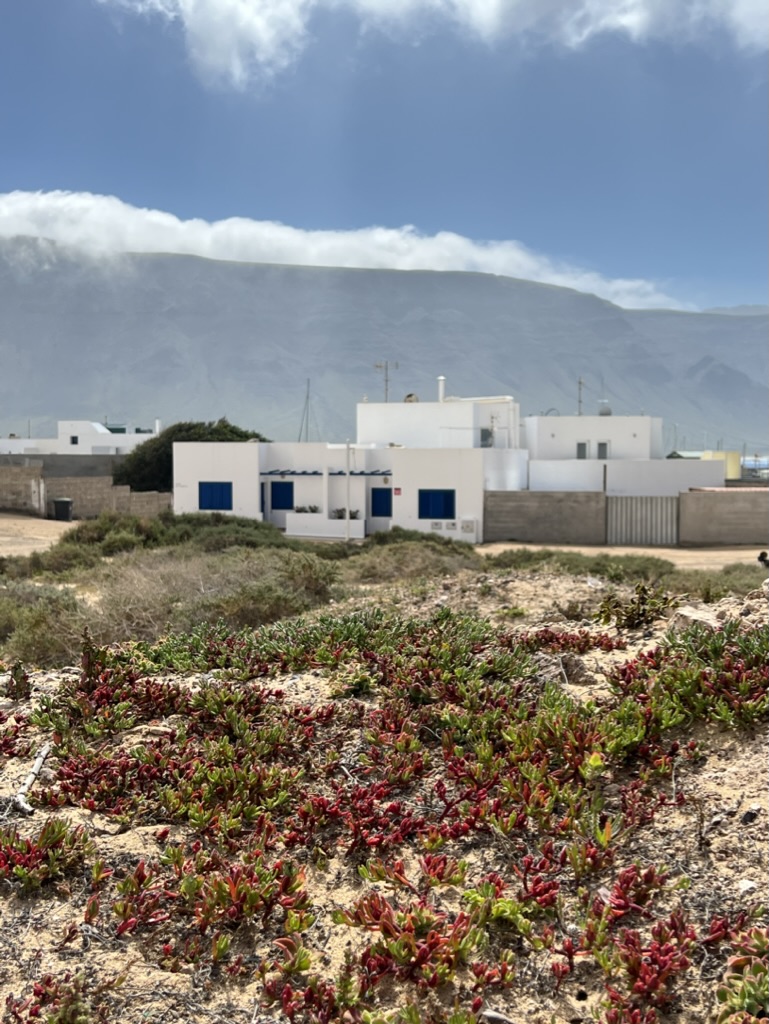
Beyond, arid scrubland connects low-slung white towns. Their bright little boxes stopping abruptly at the foot of the rich ochre swathes of Lanzarote’s old volcanoes. In fact, the entirety of this Canary island and its neighbours once formed the edge of a singular giant volcano. Millenia before the package deals descended and visitors lined its sweeping bays with loungers and two-for-one cocktails.
At first glance Lanzarote looks barren but beautifully so. I fell for its landscape as soon as I left the airport. Its unique topography – a long chilli-shaped strip of earth amid the Atlantic – ensuring that one coast is continually sheltered and the other stays utterly windswept and wild most days of the year. Its unusual weather patterns first bring red dust across from the Sahara, then create breezes from the vast ocean to its West that are deceptively cool against the fierce equatorial sun.
On my first visit, I assumed that the island didn’t have much wild life beyond the antics of its Playa Blanca tourist strip in the far south. Although despite the hints dropped by black pumice, lava tubes and sparse vegetation, there are plenty of birds that call Lanzarote home. And also those that don’t. The isle’s quirky winds and geographical location off the north coast of Africa often create perfect conditions for surprise visitors. These migrants haven’t pre-booked like the hotel guests along the Costas, instead arriving without fanfare, giving birders a sudden but unforgettable encounter.
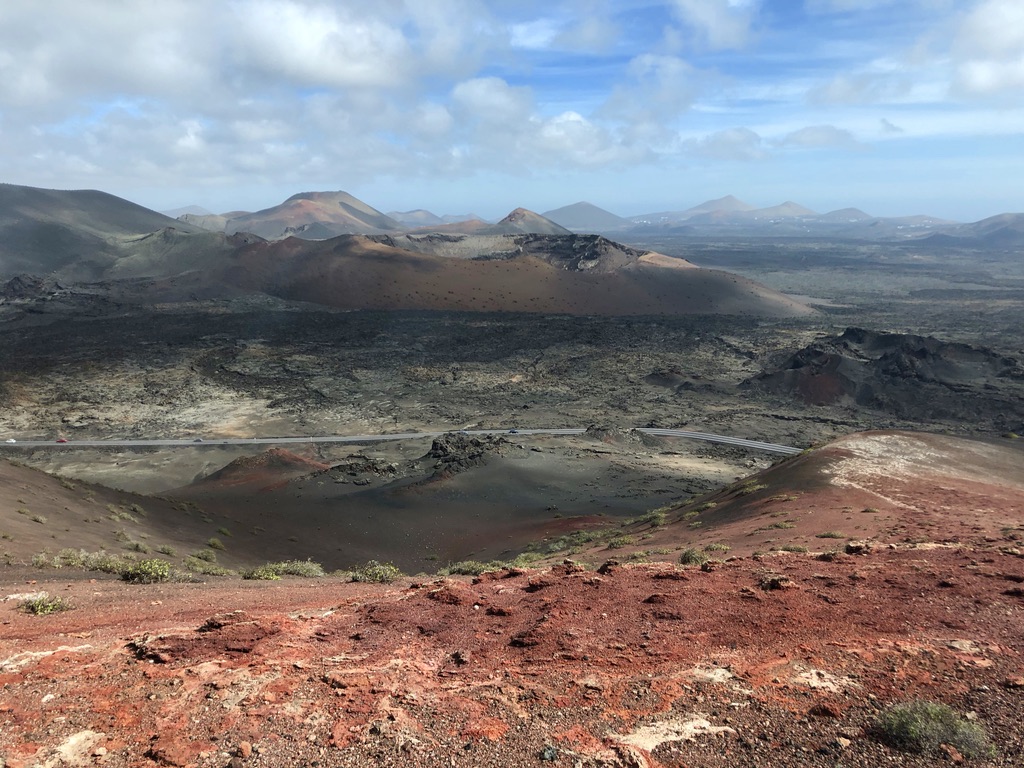
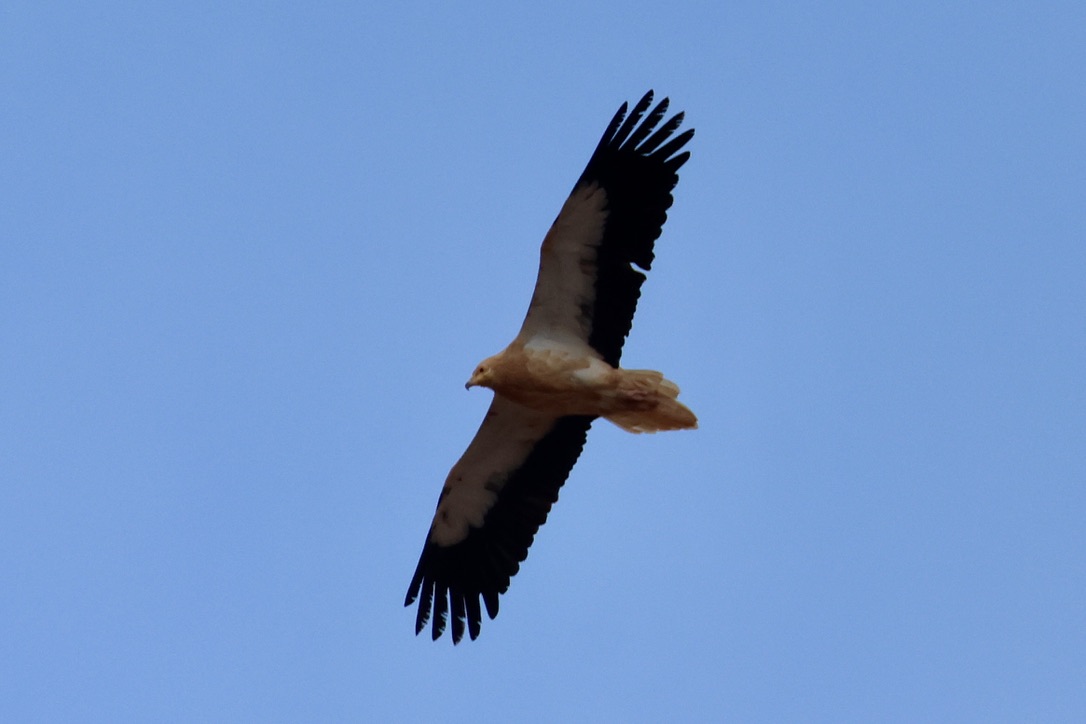
In the years since my first holiday, I’ve gradually broken down Lanzarote’s sweeping scenery into a series of nuanced habitats. Not everything is broad-brush arid desert. From the inland north which gets more rain, to the heat-hazy dunes near the village of Soo and its looming sea cliffs where Egyptian Vultures can regularly be seen catching thermals, the birds of Lanzarote have become masters of their pocketed environments.
Costa Teguise & Arrecife Marina
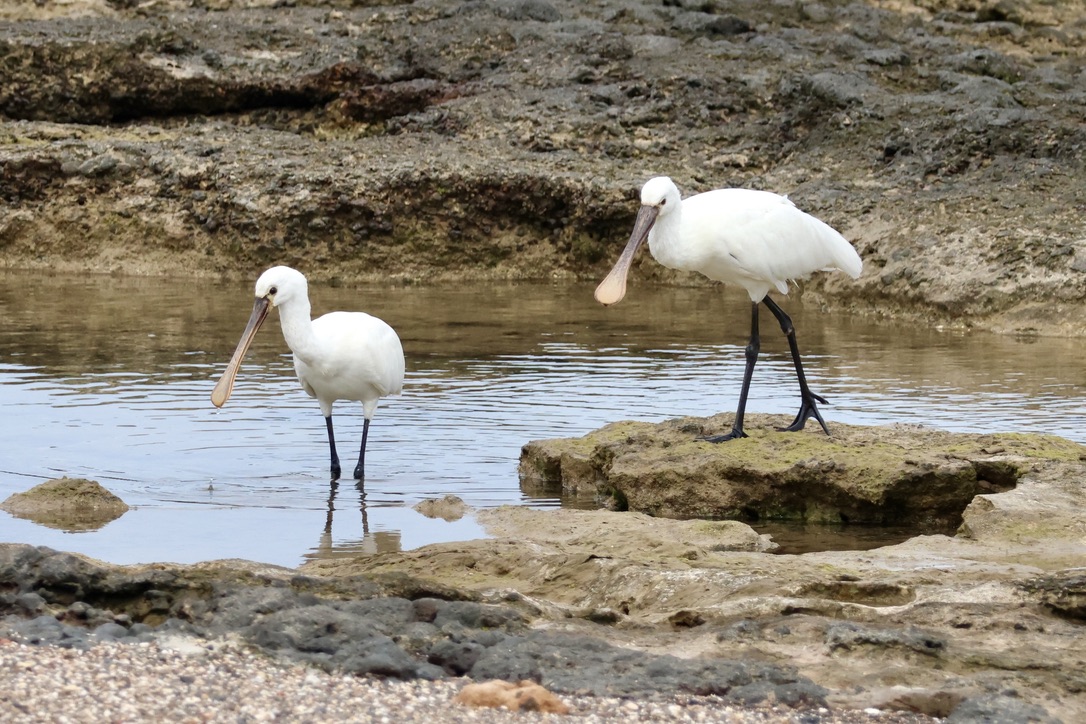
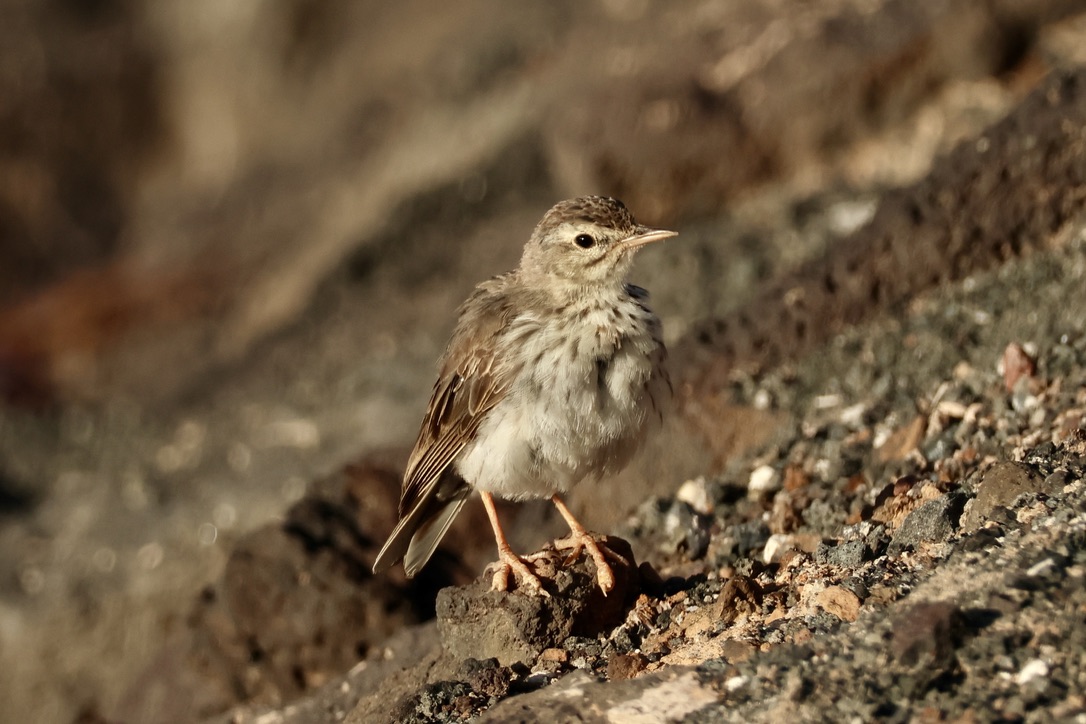
Dark volcanic rock collides with roaring sea along this paved coastal walkway, creating rock pools galore for hungry waders. Whimbrels, turnstones, sandpipers, plovers and even Spoonbills can be spotted. Hotels also plant palms, cacti and a few larger trees, providing shelter for smaller birds like the endemic Berthelot’s Pipit and fabulously squeaky Trumpeter Finches; as well as hunting perches for shrikes. The marina of the island’s capital an hour’s wander south is a welcome shelter for all sorts of shorebirds and worth a cursory loop at any time of year.
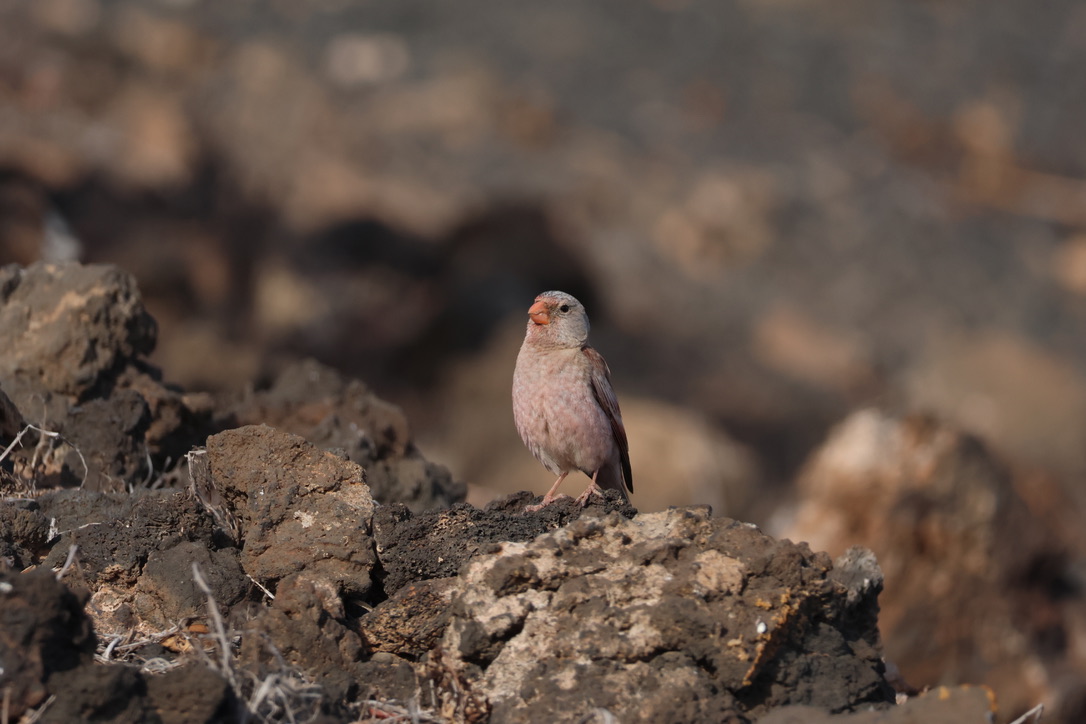
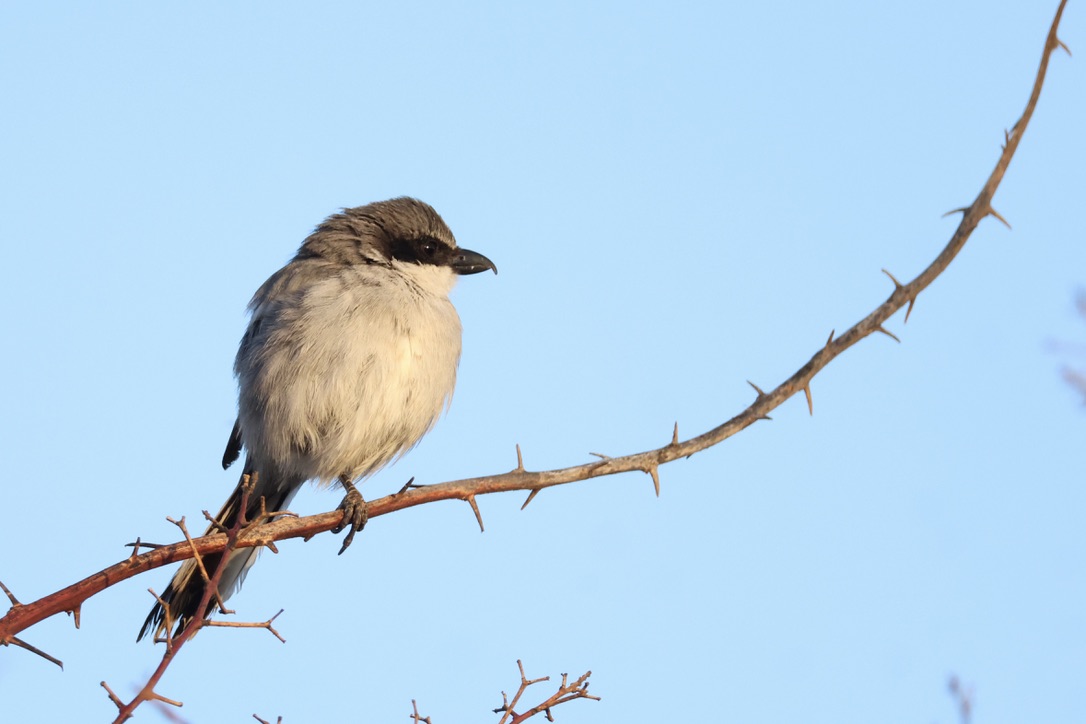
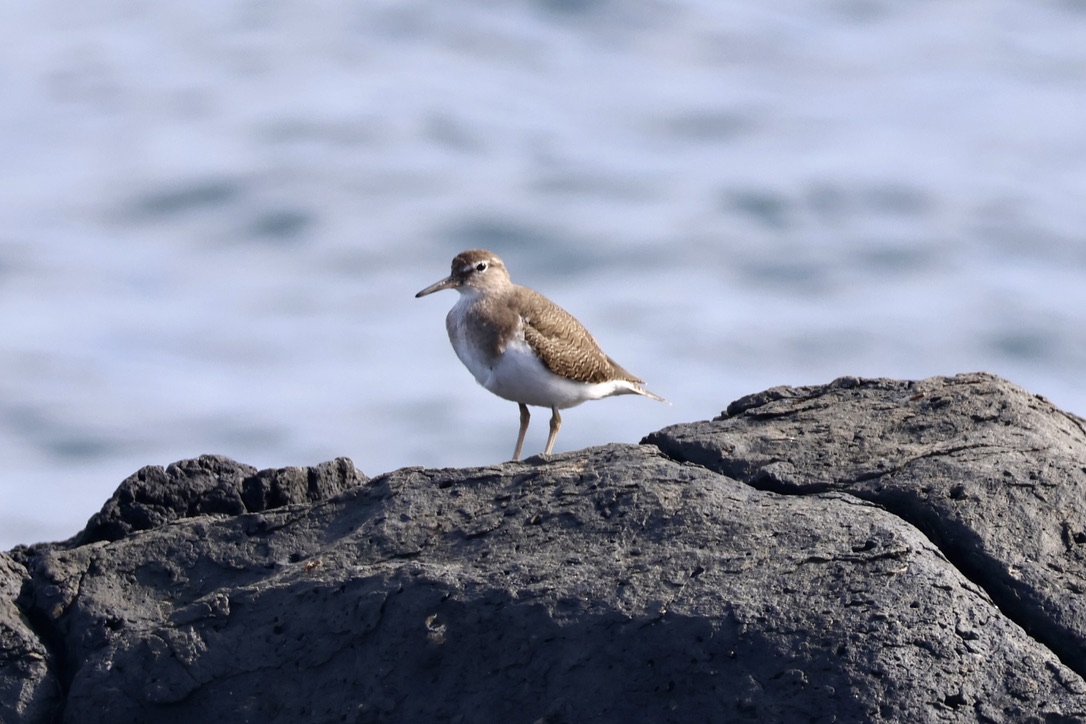
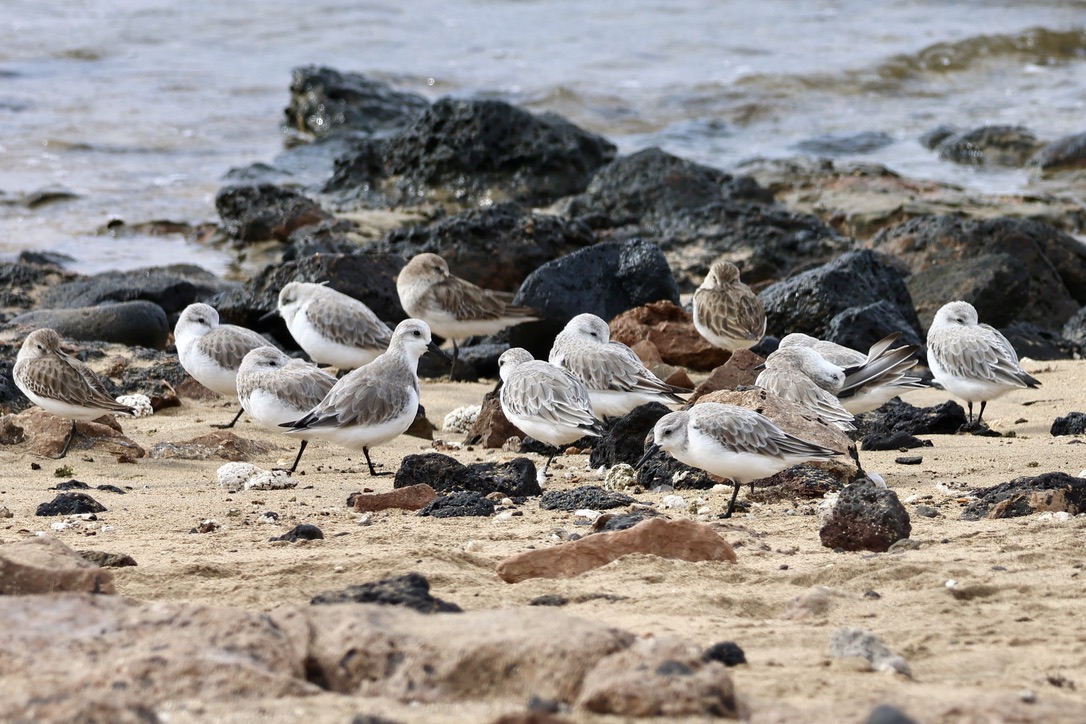
Tinajo Dunes & Desert
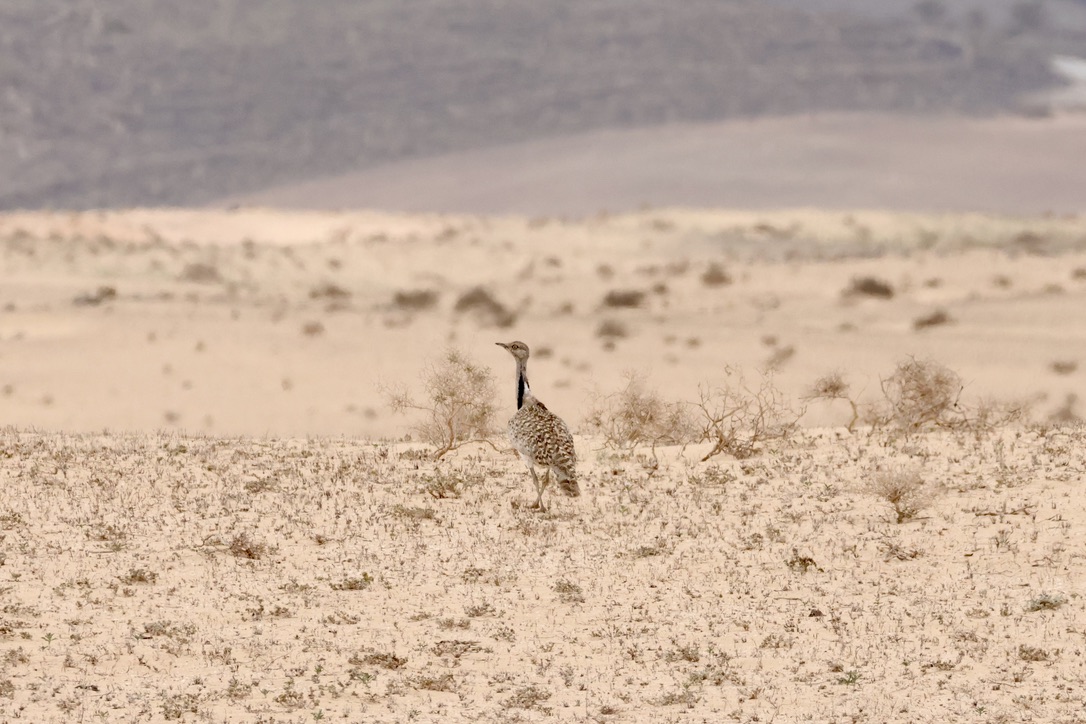
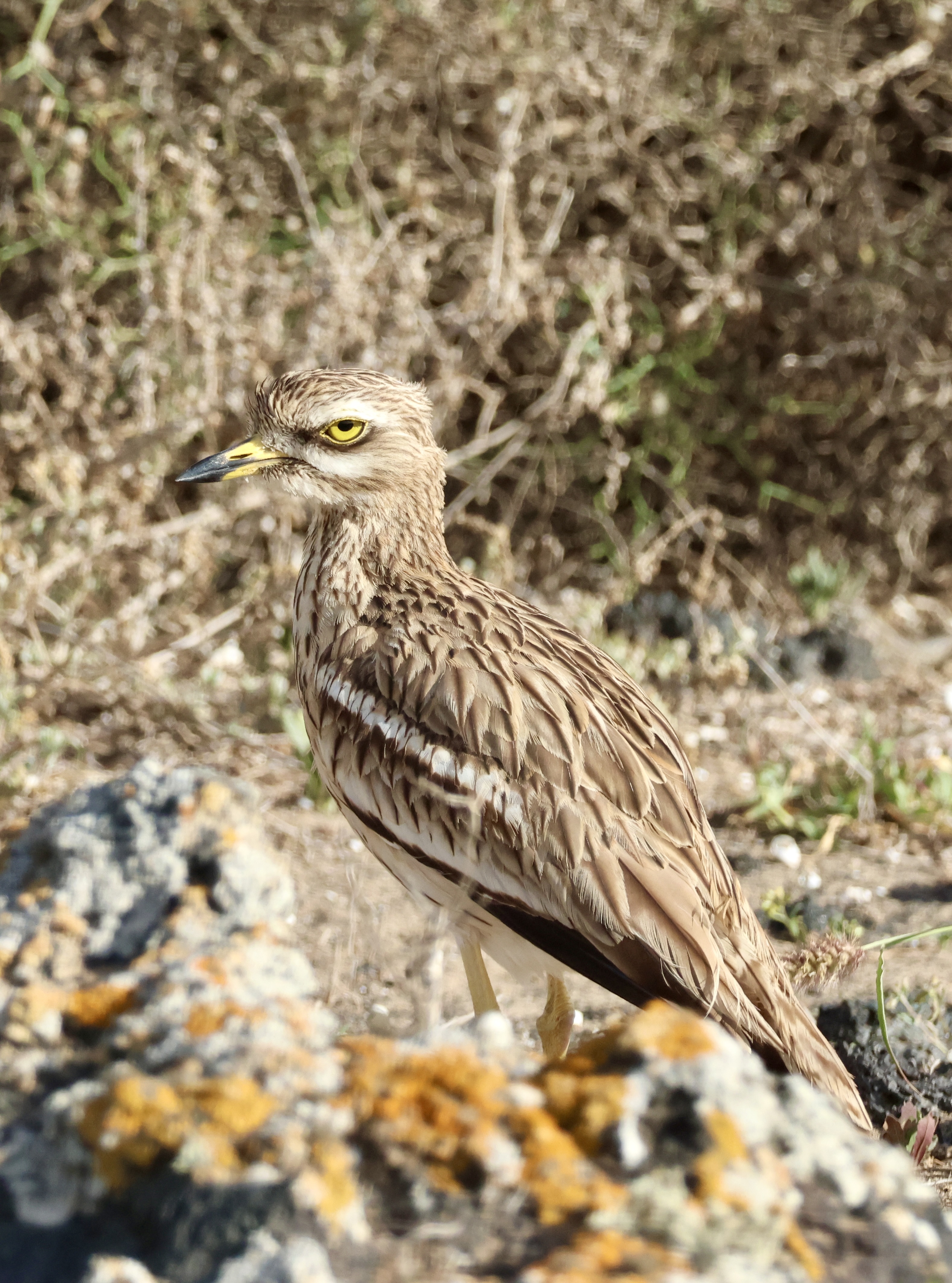
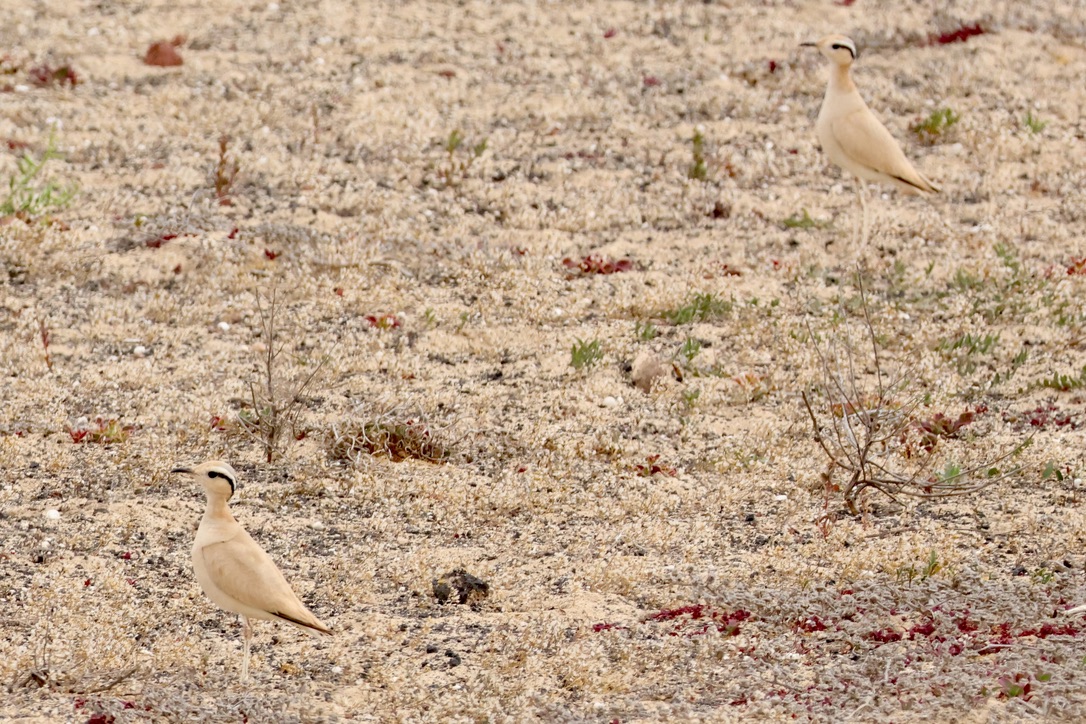
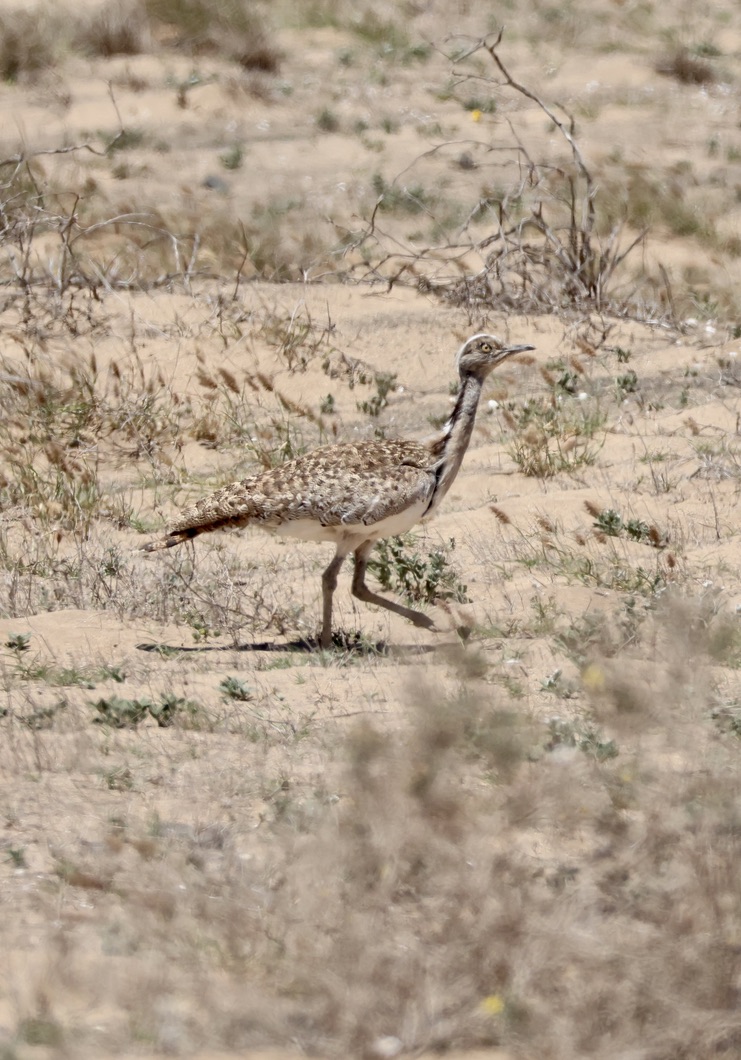
Home to the island’s desert specialists. Going with a local (I visited with a career archeologist who guided bird groups in his spare time!) or a least a hire car is best for this area. Early morning provides the best sightings, less wind and minimal heat haze. Spring is best for catching the male Bustards displaying. Stone Curlews, the elusive Black-bellied Sandgrouse and one of my all-time favourite birds, the Cream Coloured Courser, are so well camouflaged I’d recommend scanning the ground with binoculars and ample patience.
Off-shore Spots & Boat Trips
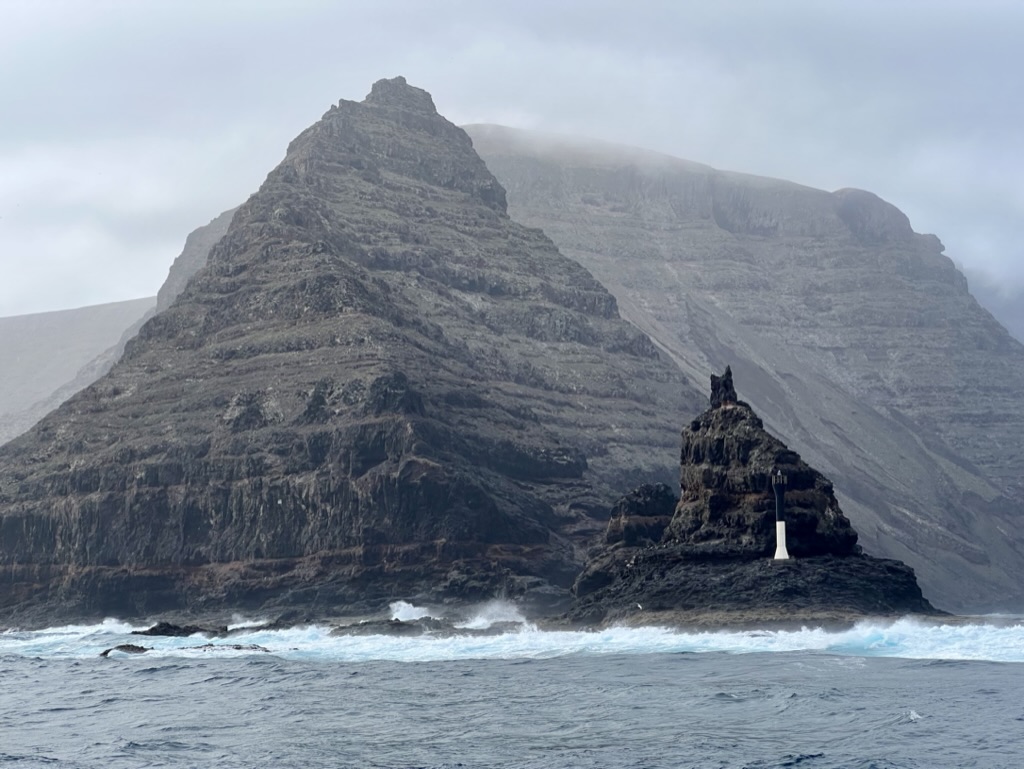
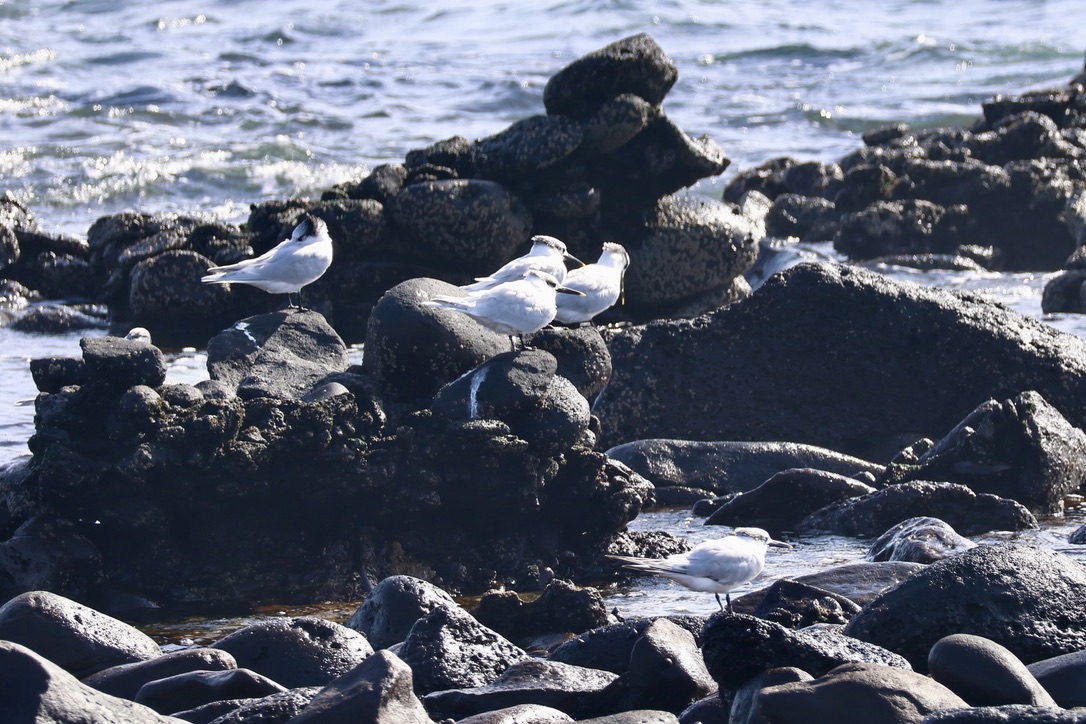
Seabirds compliment most boat excursions. If you go out in search of dolphins and whales, you’re also in with a strong chance of seeing Cory’s Shearwaters, skuas, terns and even rarer migrants like tropicbirds and petrels if you’re really lucky! A catamaran cruise from the northern tip of the mainland to La Graciosa is a wonderful day trip; and also the best chance to glimpse nesting birds along the huge, craggy precipices of the island’s north.
Hiking Haría & Valley of the Palms
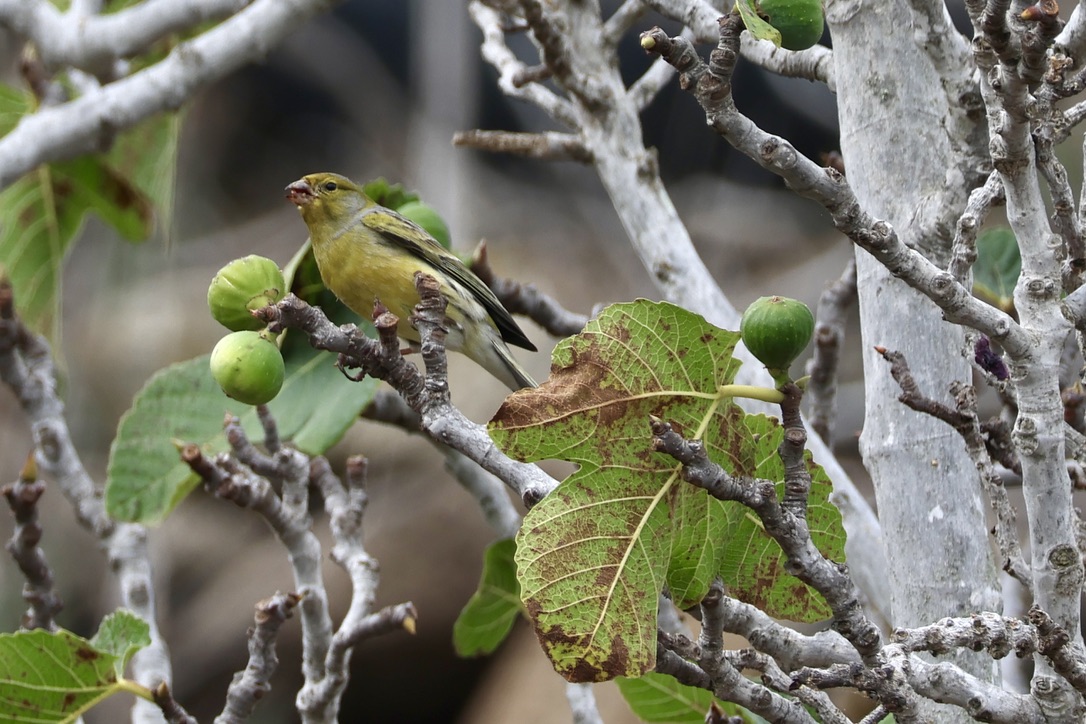
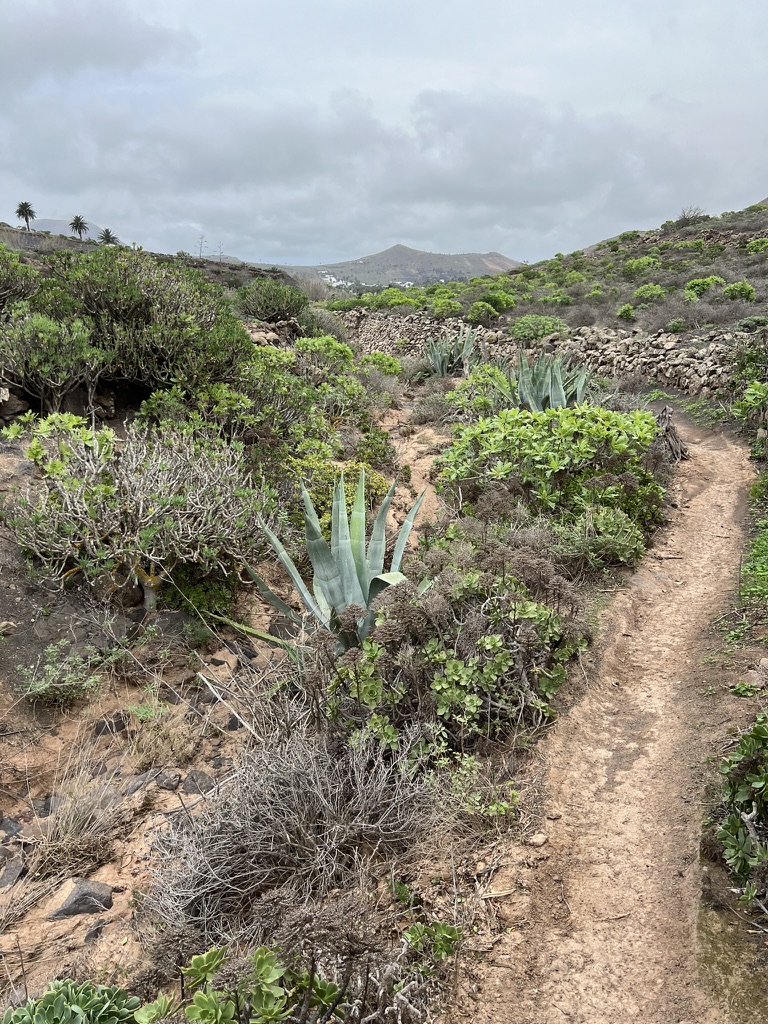
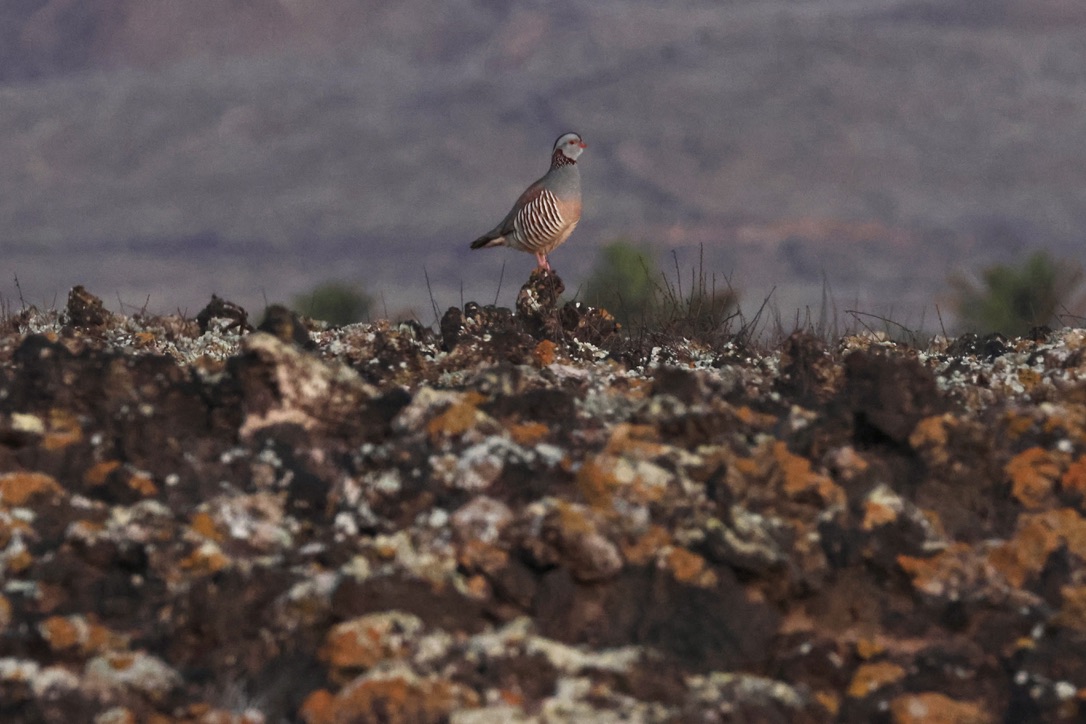
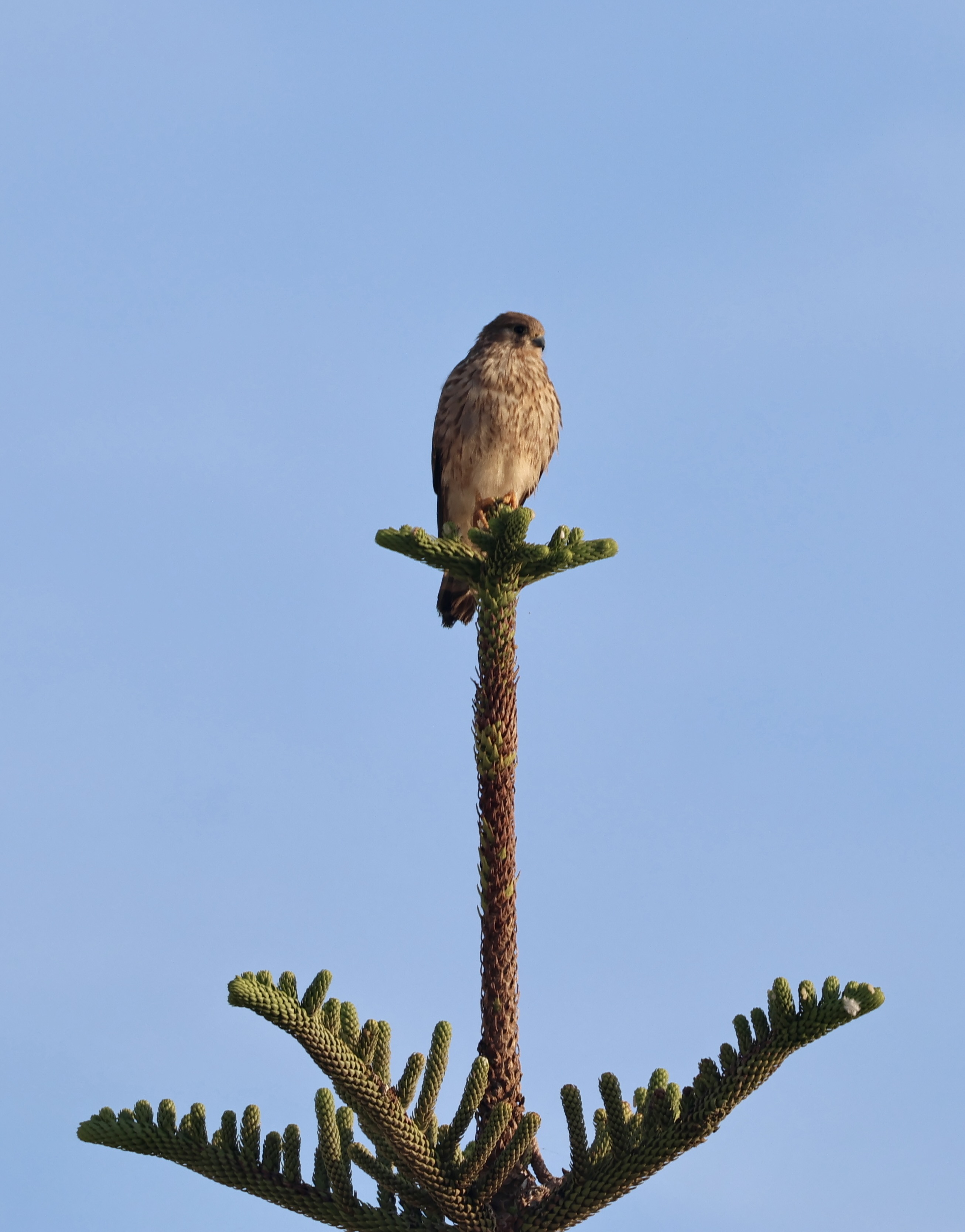
A few lovely hikes of varying difficulty from the town of Haría – roughly 20 minutes drive from the Costa Teguise – are the best places to spot Lanzarote’s smaller birds, including Spectacled and Sardinian warblers, Linnets, African Blue tits and the namesake Canary. Keep eyes peeled high and low for Hoopoes and Barbary Partridges on the ground and raptors in the air. Particularly Kestrels, Pink Footed Falcons and Egyptian Vultures.
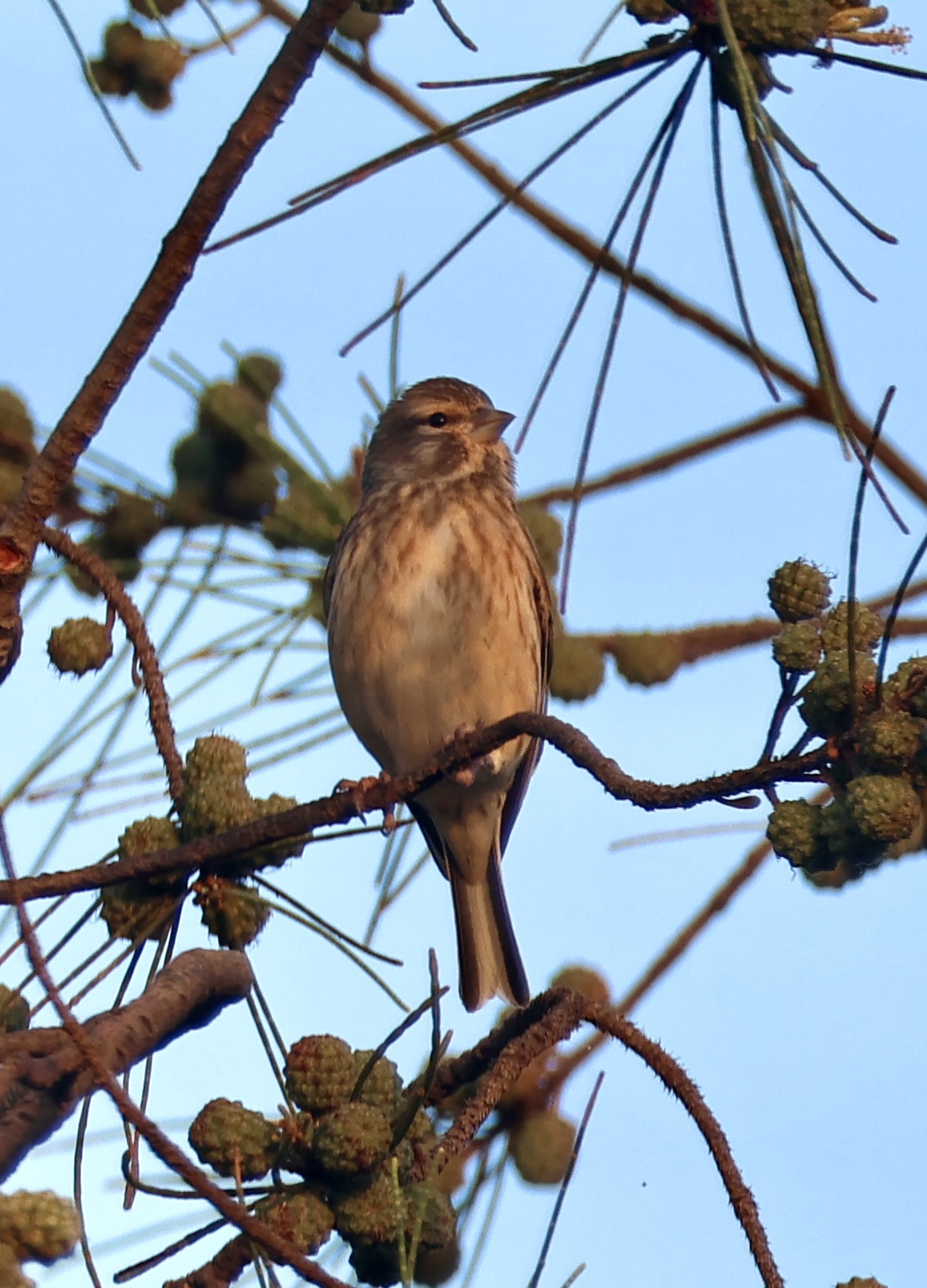
Anywhere you go on Lanzarote, you’re likely to bump into birds. Whether the Yellow-legged Gulls are waiting for your crumbs on the front at Puerto Del Carmen, or the Ruddy Turnstones are waddling across your towel on Playa Jabillo, you have two choices: Go out of your way to find the birds, or let the birds come to you!
You can follow along with my birding adventures as they happen https://www.instagram.com/rachroamswild

