Wild Japan: Searching For A Special Bird On Okinawa

An oversized statue of Okinawa’s legendary bird greets you at the airport’s luggage carousel. The end of a flight from Tokyo and the start of an entirely different adventure.

The sun had already dropped below Nara’s buildings by the time I secured a taxi. My driver, a diminutive man with the creases of someone well past eighty and the delighted smile of a ten year old, pulled away slowly in his beaten up estate for the drive north. The sense that I’d bungled the trip settled onto my shoulders like an icy harness against the warm evening air. I’ve often experienced the unpredictability of arriving somewhere after dark. Onward connections poorly arranged or delayed. Not just into the unknown but through complete night.

The difference this time? My husband was by my side. In fact, this was our honeymoon and I already knew how lucky I was that he had agreed to a colossal detour.

After an hour of communal nodding, clucking sounds, basic Japanese and zero English, I decided to reveal our quest. As the car curved less than five metres from the lapping Pacific ocean, I annunciated: “Yanbarrrruuuu Kuina”…”Ahhhh, Yanbaru Kuina!” the driver replied. His smile broadened in my direction through the rearview mirror to show teeth black and abandoned at the back of his gums.

The Yanbaru Kuina. A beautiful rail. The reason for my visit and a holy grail for birders worldwide. Tall and slender with streamlined markings in black, white and slate grey delineating the shape of its body and ensuring it blends perfectly into the shadows of Yambaru’s thick forest. Millenia of isolated evolution in the remote archipelago gave rise to unique flora and fauna for which the Kuina, or Okinawa Rail as it’s known in English, has become the poster child.

Not even a long drive and remote stay in Yambaru National Park guaranteed a sighting. The Kuina’s elusive reputation proceeds it. So much so that You-Tubers dedicate entire videos to the search and wildlife guides have built careers around their ability to show others where the mythical bird nests. Foraging mostly at dawn and dusk, it spends most of its life within dense vegetation. Decipherable only by a bright orange beak and feet.

The security guard was still patrolling with his torch the next morning as a Japanese couple from Nagoya and I stepped fuzzily into the pre-dawn light. Binoculars ready, facing the trees that surrounded the Vietnamese-built Ada Garden Hotel. As with most nature moments, two years of viewing images, six months of research and weeks of anticipation came to an abrupt halt with an unceremonious “Shhhh!”. The guard gently flicked his torch beam onto the ground below revealing a slick, shadowed body with shiny orange adornments.

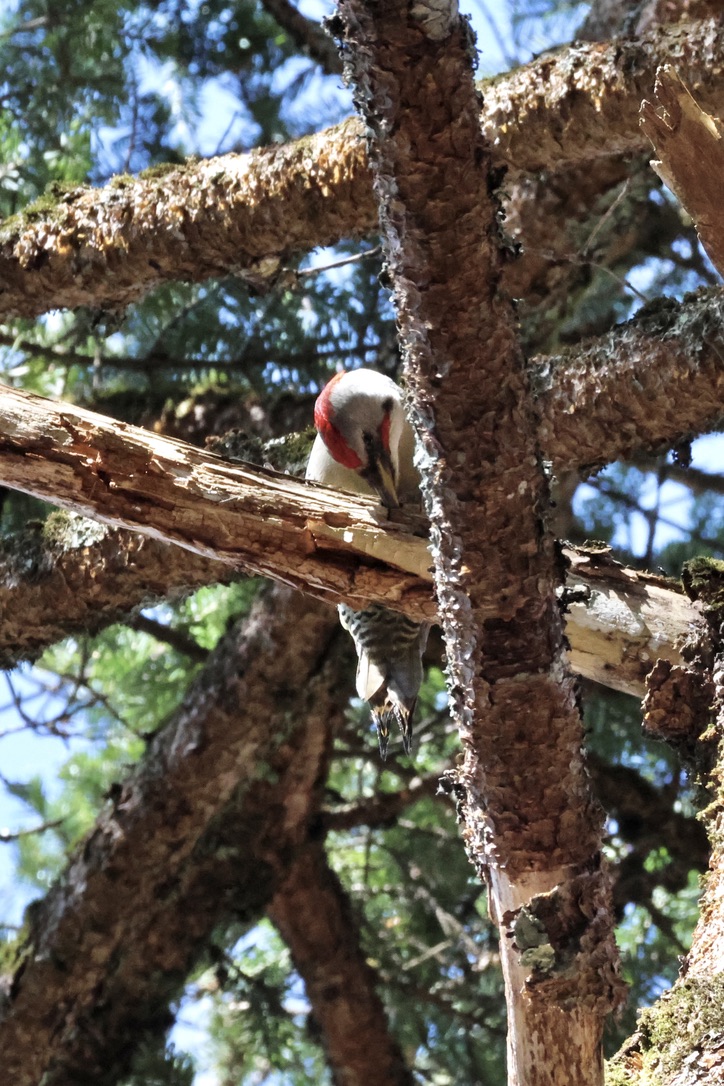
Later, we hiked to the seaside village of Ada. Butterflies, bugs, reptiles and other birds were a welcome distraction from the growing heat. Huge Common Maps, Swallowtails and Broad-headed Skinks danced and slithered between the long grasses. Rock thrushes, sandpipers and fleeting woodpeckers were easily heard against their silent surrounds. Even a tired Pacific Golden Plover rested at the local primary school field, mid-migration. The Kuina was ever-present. Not only as a mural on the village hall but in my mind. Would we get lucky enough to spot another forager before returning to Nara?

Wilting in the midday sun, we sought the shade of the village park. All routes led to a Shinto shrine built against a backdrop of dripping foliage. Then, a sound. The crunch of rubbery leaves not quite a squeak nor a rustle. We hushed to something beyond silence and I gripped my husband’s arm in pure delight as we watched two Kuinas step tentatively into the daylight. They navigated the small shrine, before doing something unbelievable: This majestic bird, renowned for its secluded lifestyle, paraded right in front of us, pecking at worms across the dusty yard.

Nature rarely does what you expect and many of us seek it out for that reason. The Kuina is more than a rare bird. It represents a time when nature dominated these islands. Before shifting military presence, taxis and airports. Before creatures felt the threat of human interference or developed fear. A reminder of just how much places like Yambaru National Park need our continued funding and protection.

Considering a visit? Find out more about Yambaru National Park here.

Wild Japan: Seeking Nature In The Land Of The Rising Sun

A clear morning atop Tokyo’s Metropolitan Government Building. My gaze follows a jagged sea of skyscrapers so far that they appear to drop beyond earth’s curve completely.

With a population of over 37 million, greater Tokyo is the third largest urban sprawl in the world. Is Japan only bright lights, office-chic and city-slickers?

While the scale of urbanity in some areas is hard to fathom, Japan’s reverence of the natural world is rooted in its ancient cultures. Philosophies that respect flora and fauna, viewing it as intrinsic to our peace and wellbeing, mean that gardens, green spaces and other natural environments like thermal springs are celebrated, not curtailed.

This appreciation of nature is also reflected in Shinto and Buddhism. They pay homage through mindful rituals and the sensitive construction of shrines and temples. Far from acting as stand-alone, imperious places of worship like the gothic cathedrals of Europe, these buildings blend into their natural environment. Their plain wooden or stone façades appearing as part of the wider habitat instead of fighting against it.

The country’s extreme vulnerability to natural disasters has, over centuries, also propelled concepts like ‘wabi sabi’. The acceptance of imperfection and the fleeting nature of life. Alongside ideas like ‘bosai’ – preparation and community spirit in the face of what may come next. More recently, environmental science has driven even greater protection in the form of sea barriers, considered re-wilding and seismic shutdown systems.

Tranquil city parks and private gardens are curated as an ode to Japan’s natural topography. Features like water, pebbles and moss represent larger versions of similar habitats found in the mountains surrounding cities. Placement of lanterns and bridges is meticulous, drawing the eye to more important areas and referencing ancient gods, stories and faiths.

That said the Japanese are also pragmatists. From the window seat of any train journey, large-scale production and unapologetic – sometimes even ugly – urbanisation bleeds into every bit of visible countryside. Even Mount Fuji’s view comes complete with a factory or two in front of it. So is there a wilder side of Japan to be found? And if so, where?

On Route: City Parks & Waterways

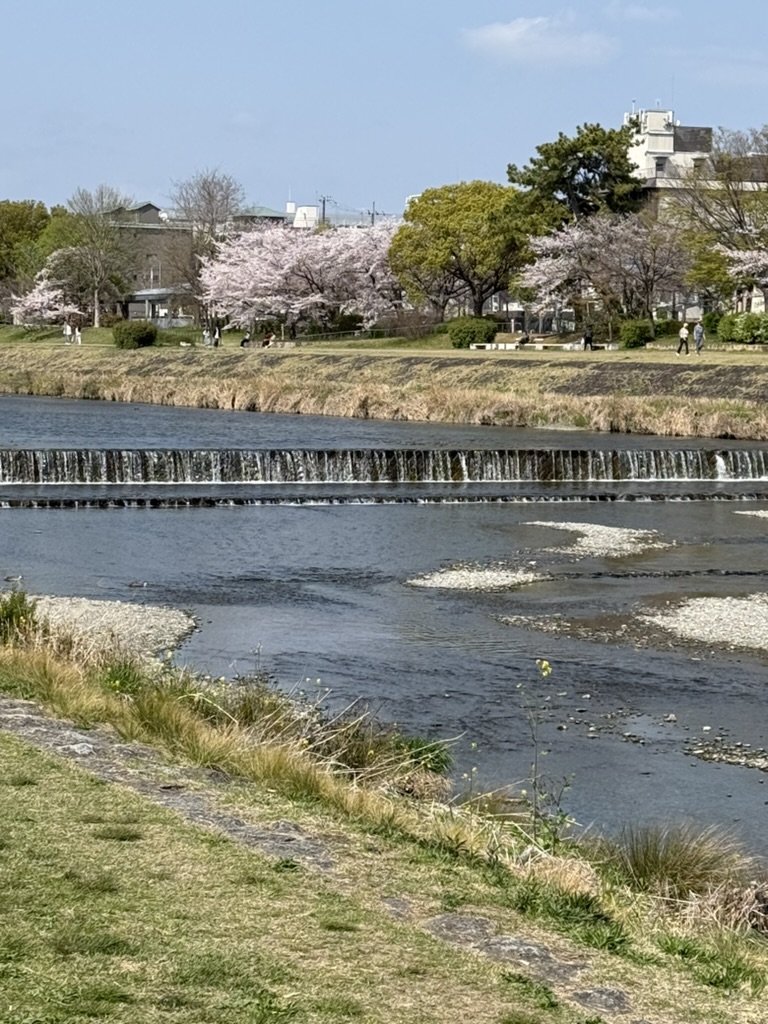
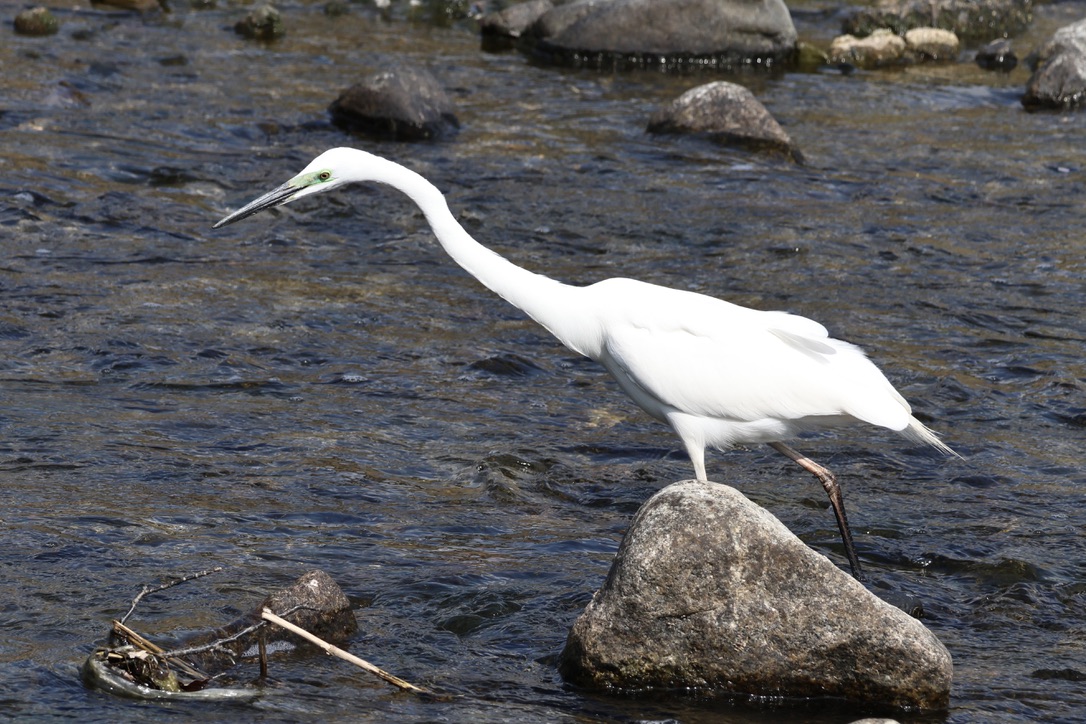
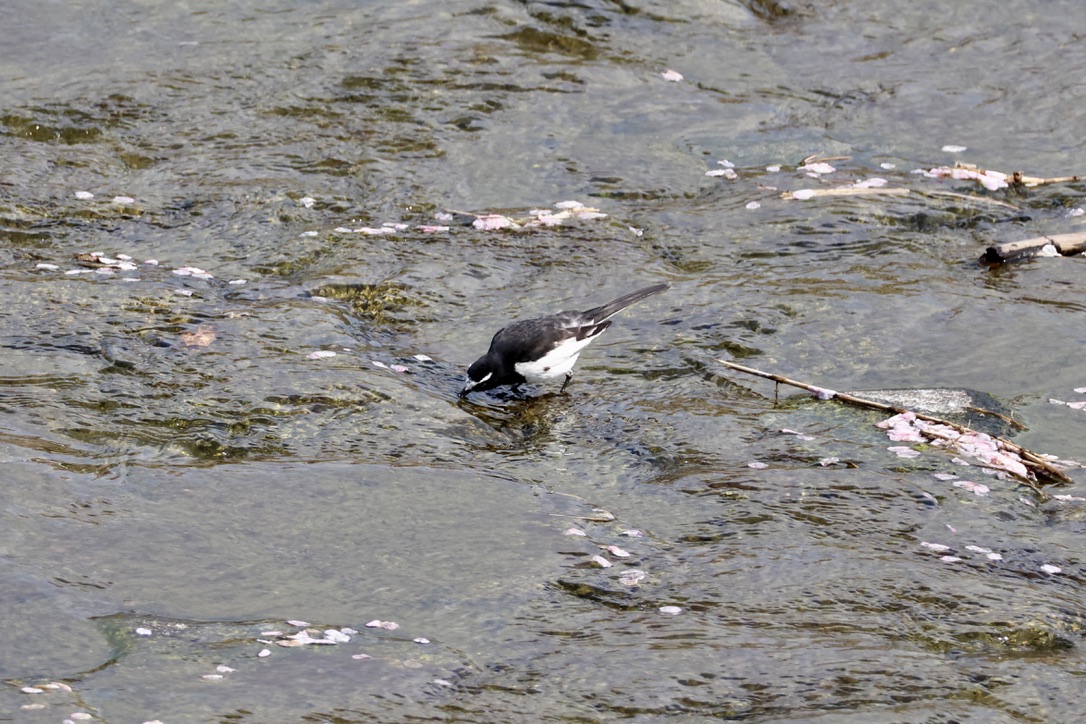
Endemic bird species like the Varied Tit, Brown-eared Bulbul, Pygmy Woodpecker and Warbling White-eye can be found in most city parks. As well as more recognisable variants like cormorants, mallards, wagtails and egrets around waterways and ponds. On visits to slightly more wooded areas like bamboo forests or out-of-town shrines, keep eyes to the ground for Dusky Thrushes, White-cheeked Starlings and rarities like the Daurian Redstart and Red-billed Leothrix – a very special little bird!

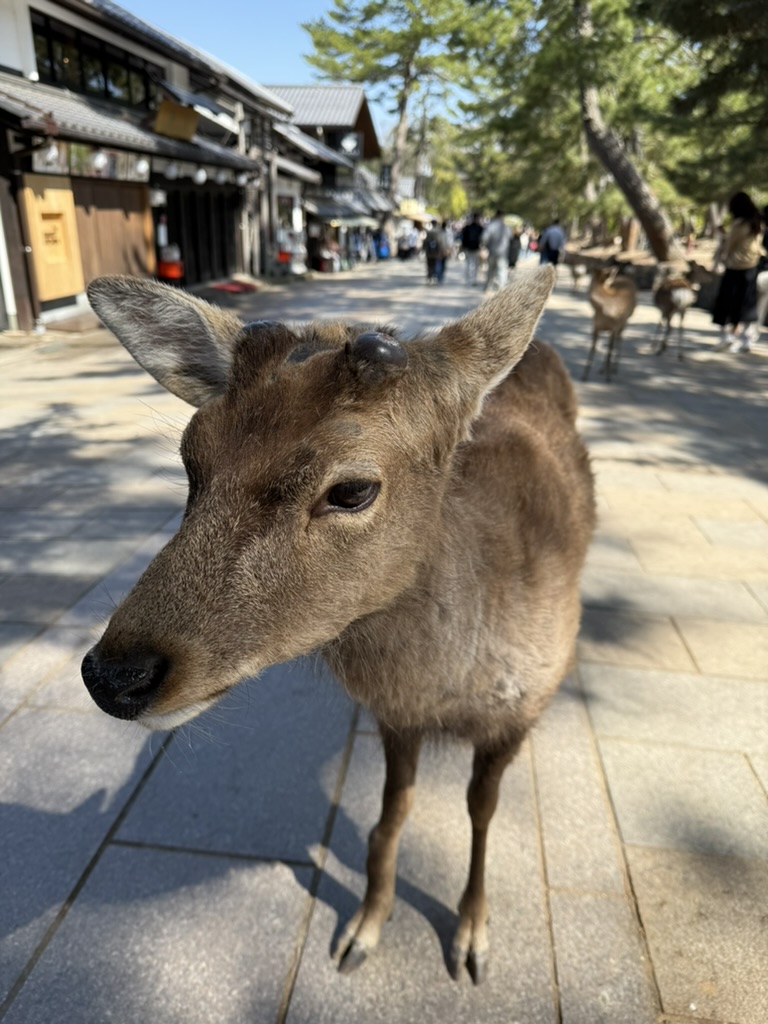
In Nara, deer roam the temples and can get quite frisky if you have crackers in your pocket. Feeding is sensibly monitored by locals but no touching and respect for the revered animals hopefully goes without saying.

A well-spent day strolling Kyoto’s wide, clean river!

Small Detours: Japanese Alps & Miyajima Island

During a few days in the cooler-climate mountains near Nagano I spotted the Japanese variant of the Eurasian Jay, Japanese Woodpecker, Willow Tits and of course the star of the show: Japanese Macaque monkeys bathing in the natural hot springs.

A spring day trip from Hiroshima to Miyajima Island produced all the regulars plus a fantastic encounter with a Japanese Striped Snake, swallows and yet more deer. Ospreys, Black Kites and sea birds are plentiful along the main bay.

Further Afield: Okinawa & Beyond

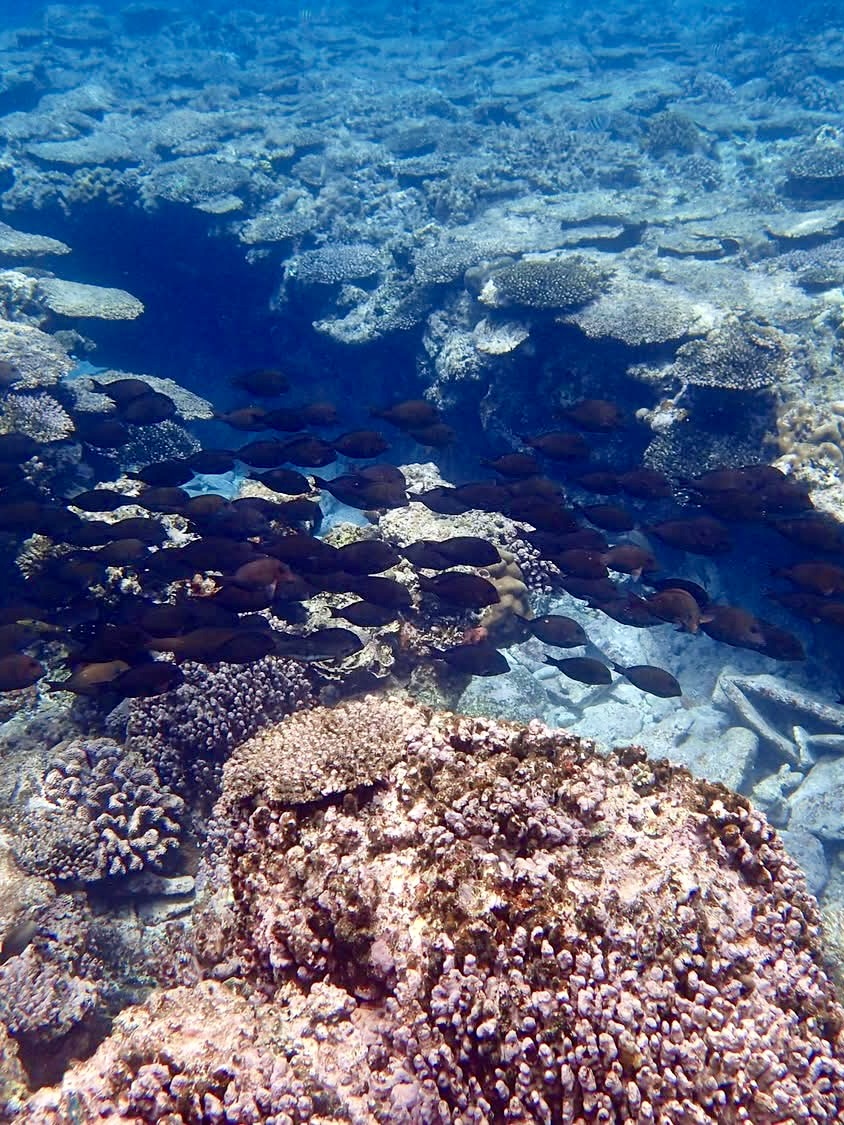
Popular with Japanese holiday makers for long weekends, Okinawa’s warm climate three hours flight south of Tokyo throws up a whole different host of animals. Including sea snakes, turtles and countless fish along its reefs south of the island’s capital. Very special endemic birds live here, as well as adrift migrants. Keep eyes peeled for the Ryukyu Robin, Orange Okinawa Woodpecker, various owls and a local celebrity: The Okinawa Rail. The island’s also brilliant for bug and butterfly spotting, with a small reserve in Naha also providing chances to see crabs and uniquely comical mud-skippers.

Despite Japan’s reputation as a master of its urban environments, I found nature at every turn. In fact, the moments I shared with its creatures became stand out memories of my trip. Simply because natural encounters are best when we least expect them. Short, sweet and in high contrast to skyscrapers as far as the eye can see.

Get in touch if you have any other wild tips for exploring Japan!

Desert Island Birds: Going Wild On Lanzarote

As the plane approaches Arrecife airport, the deep Atlantic blue beneath gives way to white frothing waves against a stark, volcanic shore.
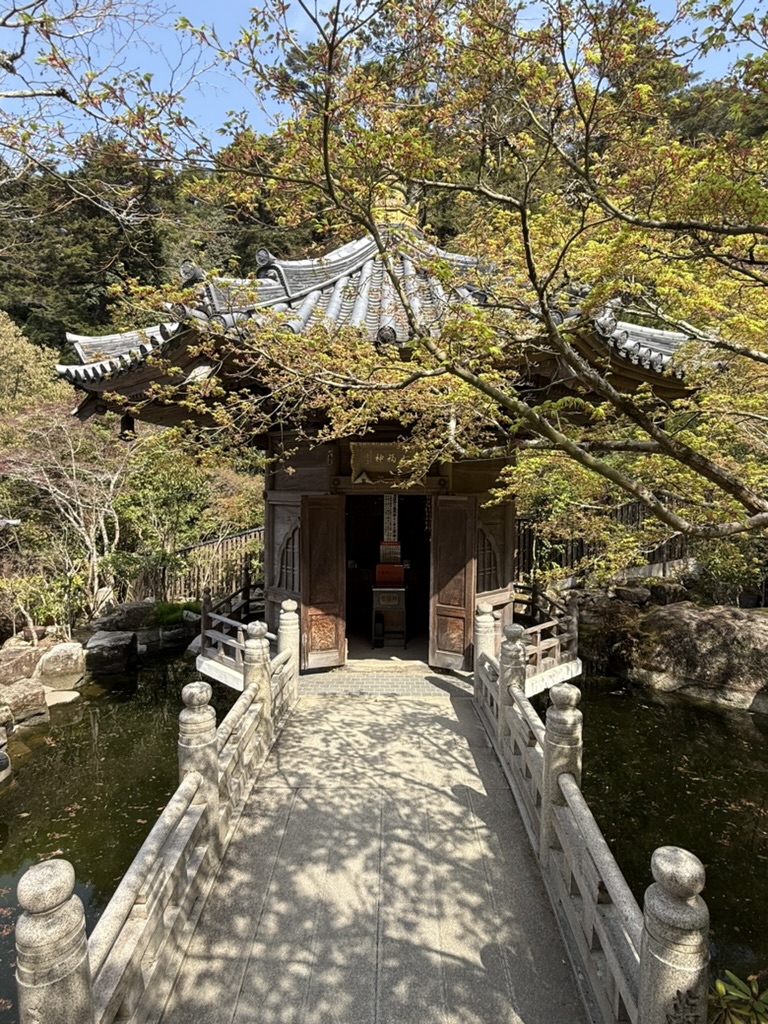
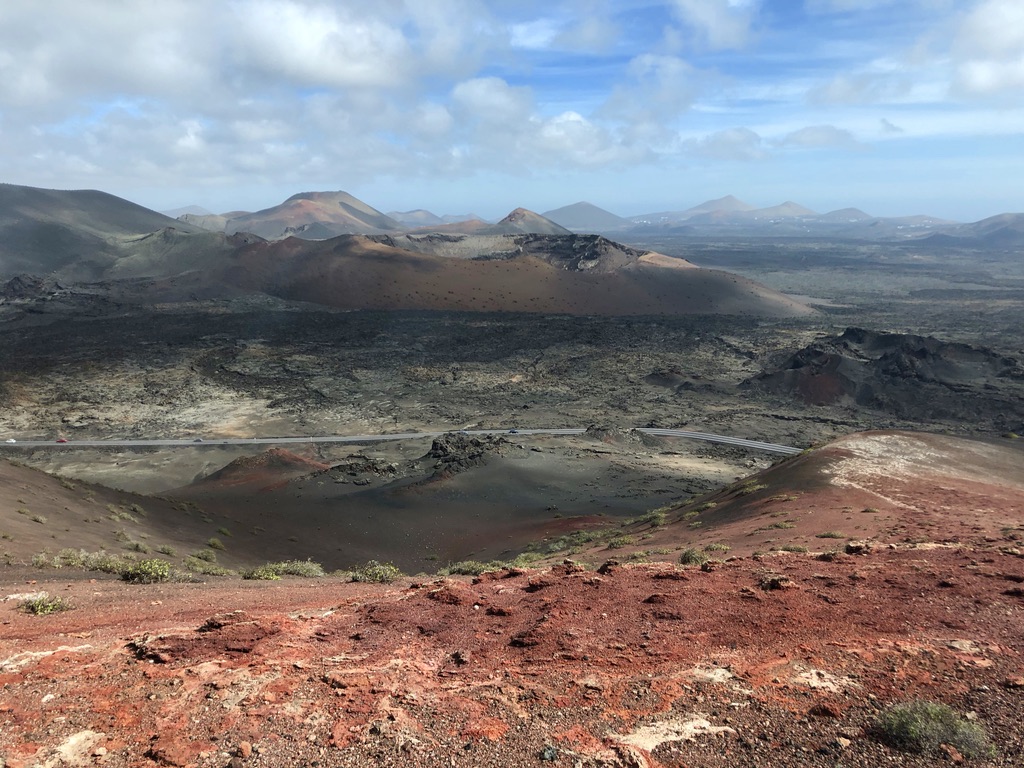
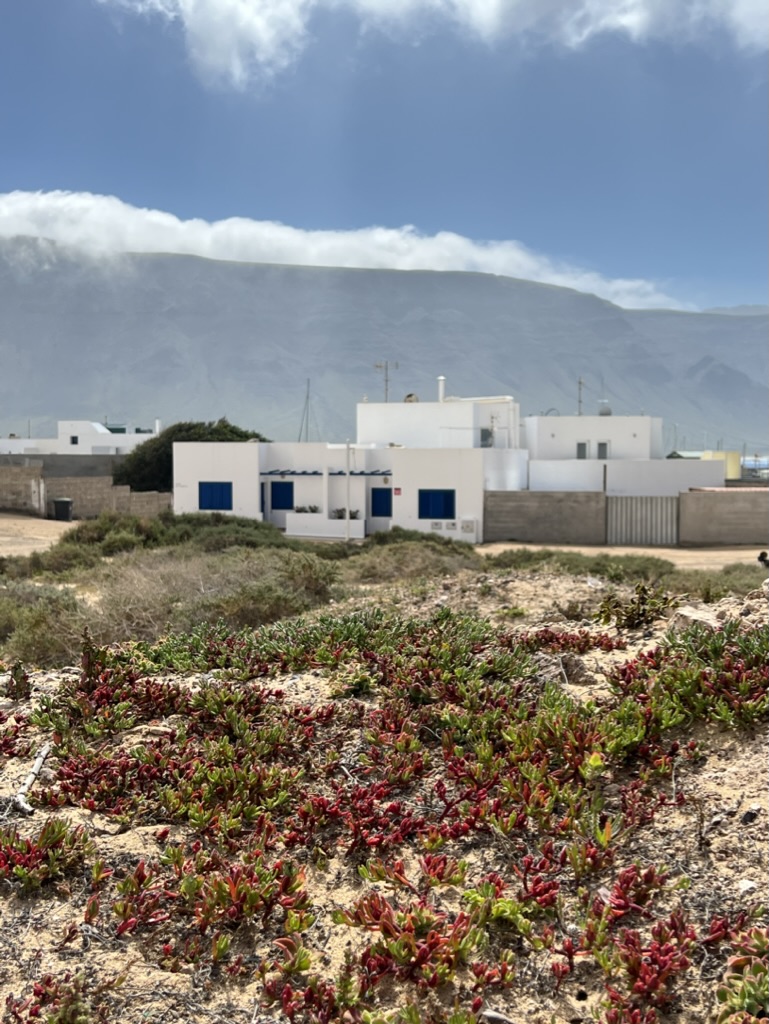
Beyond, arid scrubland connects low-slung white towns. Their bright little boxes stopping abruptly at the foot of the rich ochre swathes of Lanzarote’s old volcanoes. In fact, the entirety of this Canary island and its neighbours once formed the edge of a singular giant volcano. Millenia before the package deals descended and visitors lined its sweeping bays with loungers and two-for-one cocktails.

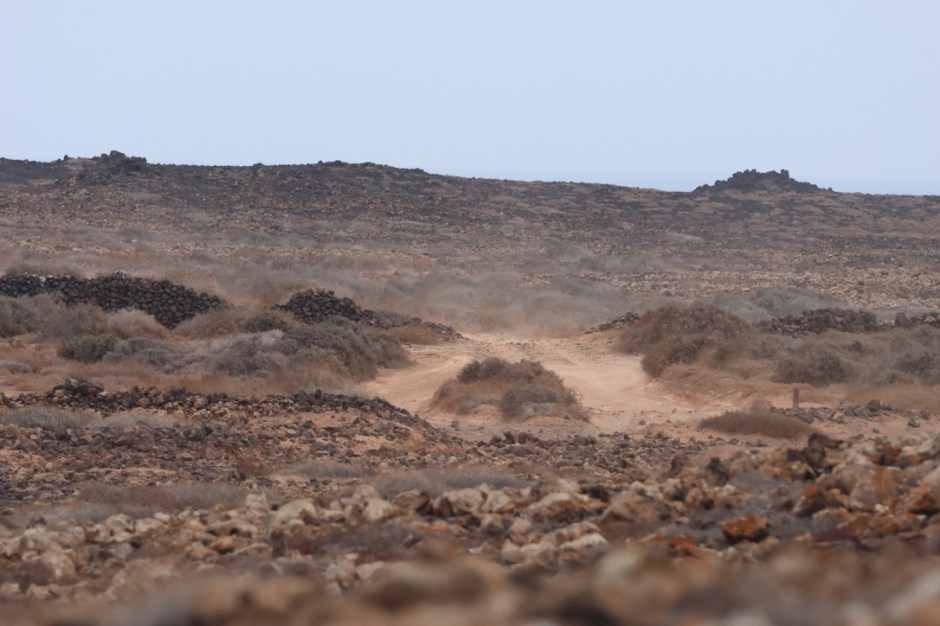
At first glance Lanzarote looks barren but beautifully so. I fell for its landscape as soon as I left the airport. Its unique topography – a long chilli-shaped strip of earth amid the Atlantic – ensuring that one coast is continually sheltered and the other stays utterly windswept and wild most days of the year. Its unusual weather patterns first bring red dust across from the Sahara, then create breezes from the vast ocean to its West that are deceptively cool against the fierce equatorial sun.

On my first visit, I assumed that the island didn’t have much wild life beyond the antics of its Playa Blanca tourist strip in the far south. Although despite the hints dropped by black pumice, lava tubes and sparse vegetation, there are plenty of birds that call Lanzarote home. And also those that don’t. The isle’s quirky winds and geographical location off the north coast of Africa often create perfect conditions for surprise visitors. These migrants haven’t pre-booked like the hotel guests along the Costas, instead arriving without fanfare, giving birders a sudden but unforgettable encounter.

Even the beautifully barren volcanoes national park is home to birds and wildlife.

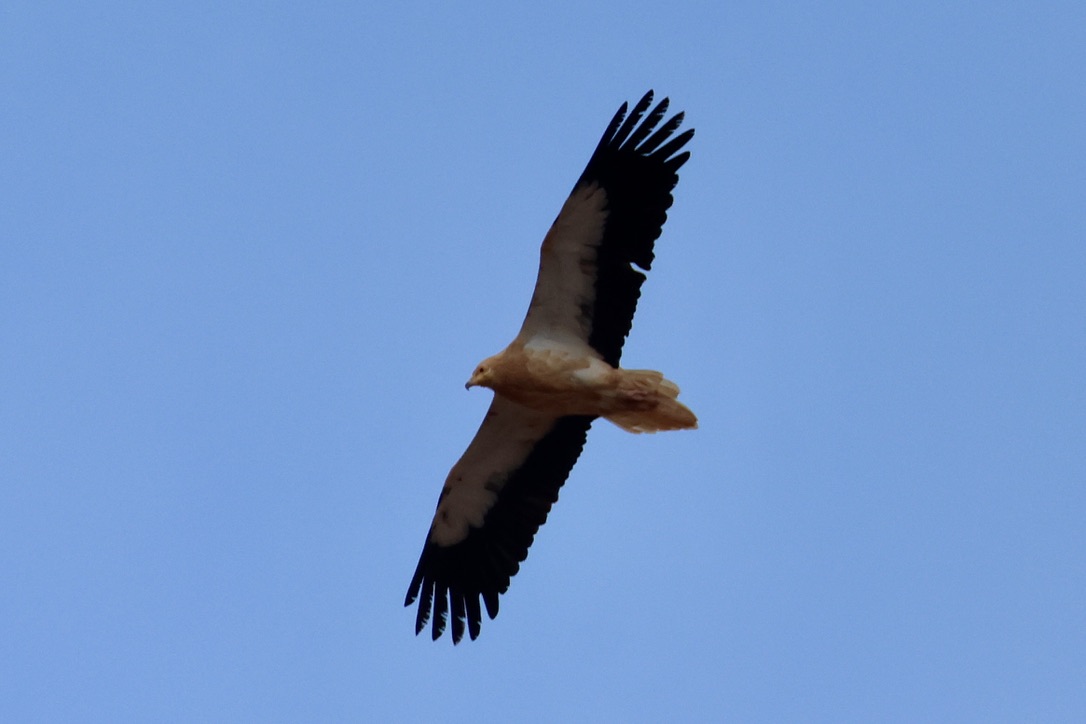
In the years since my first holiday, I’ve gradually broken down Lanzarote’s sweeping scenery into a series of nuanced habitats. Not everything is broad-brush arid desert. From the inland north which gets more rain, to the heat-hazy dunes near the village of Soo and its looming sea cliffs where Egyptian Vultures can regularly be seen catching thermals, the birds of Lanzarote have become masters of their pocketed environments.

Costa Teguise & Arrecife Marina

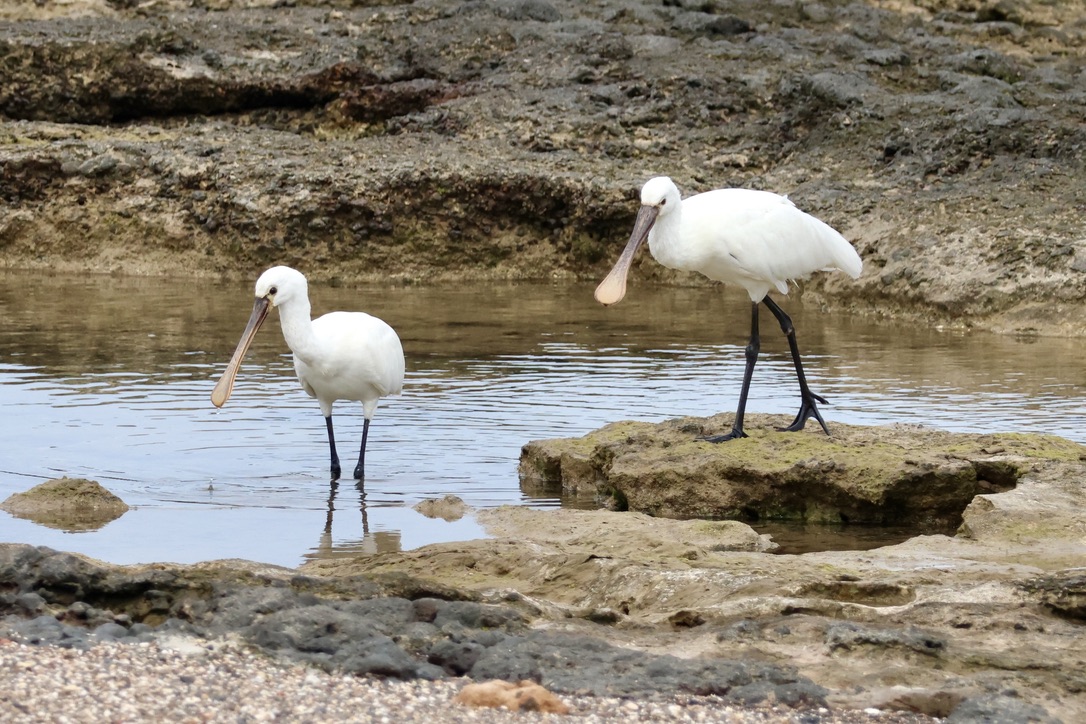
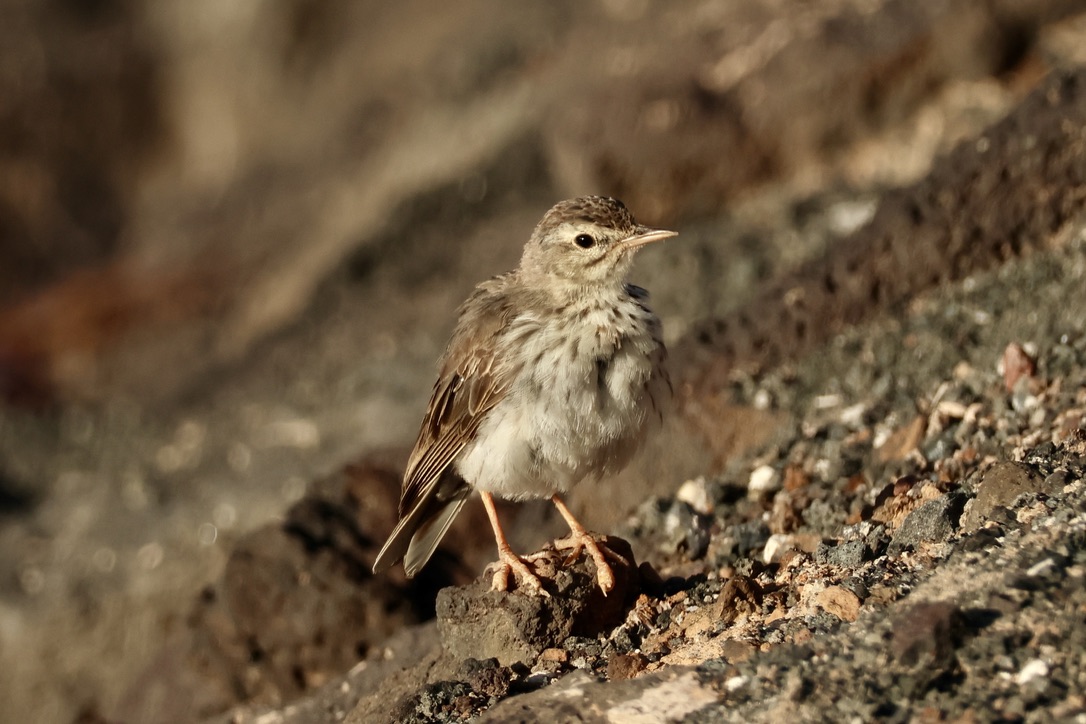
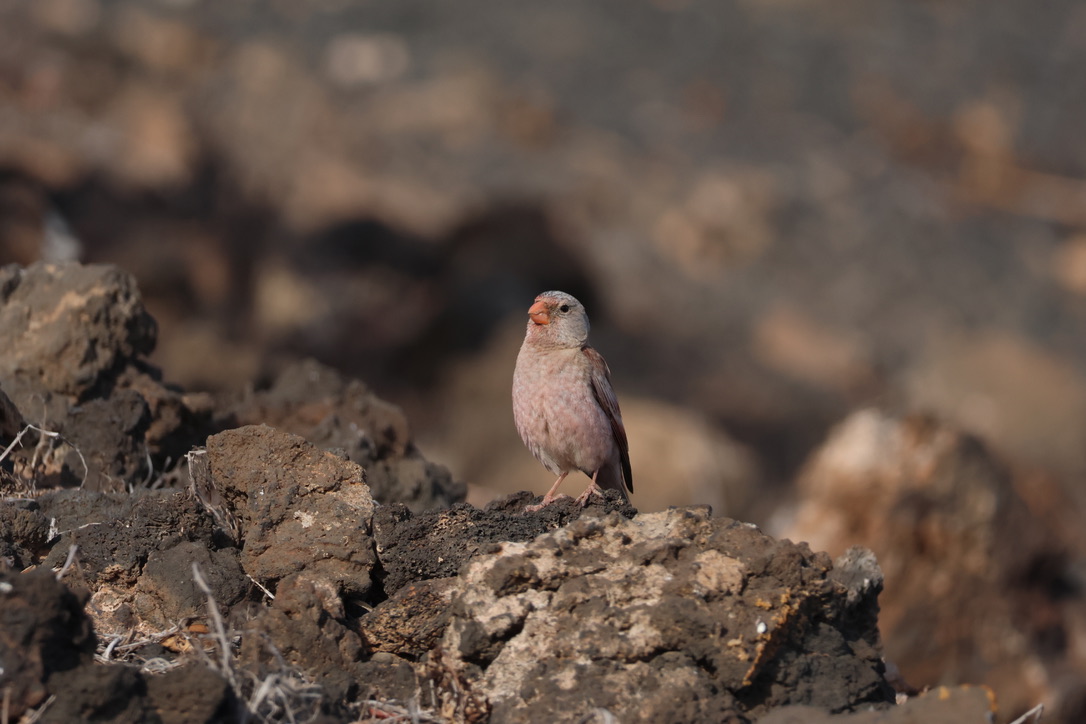
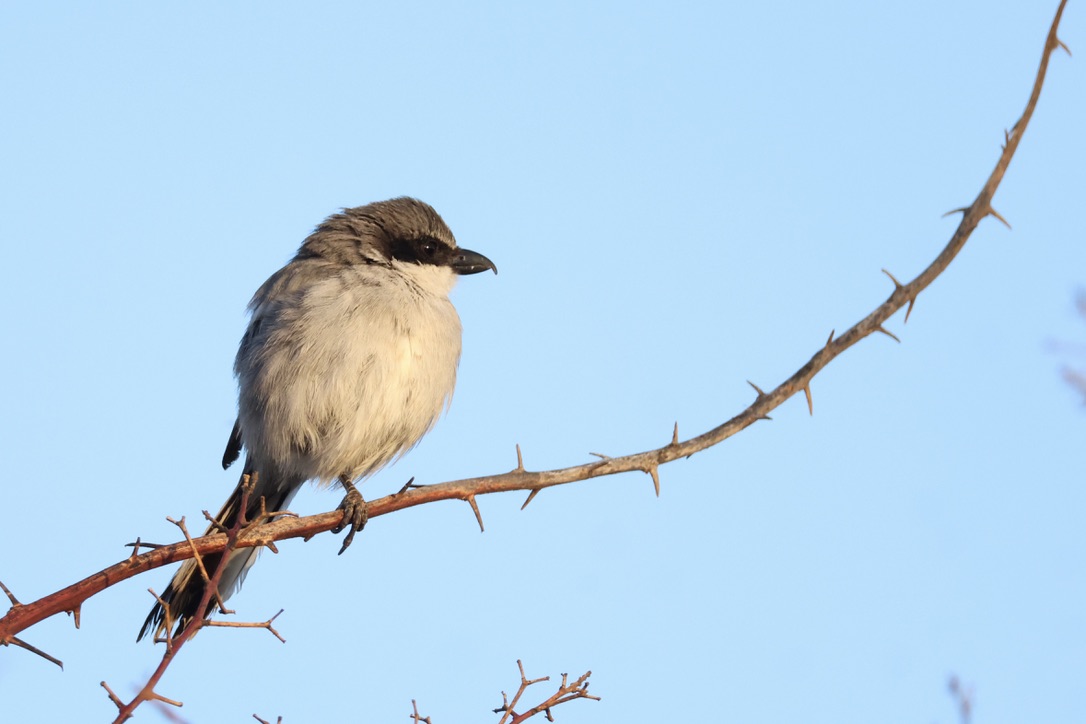
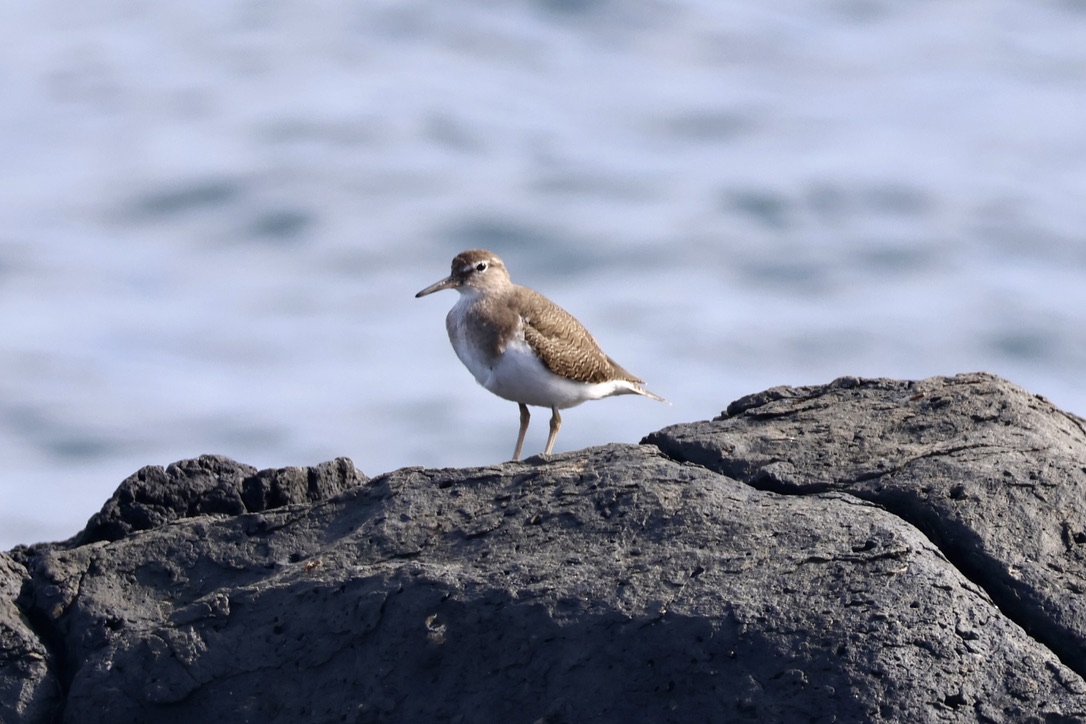
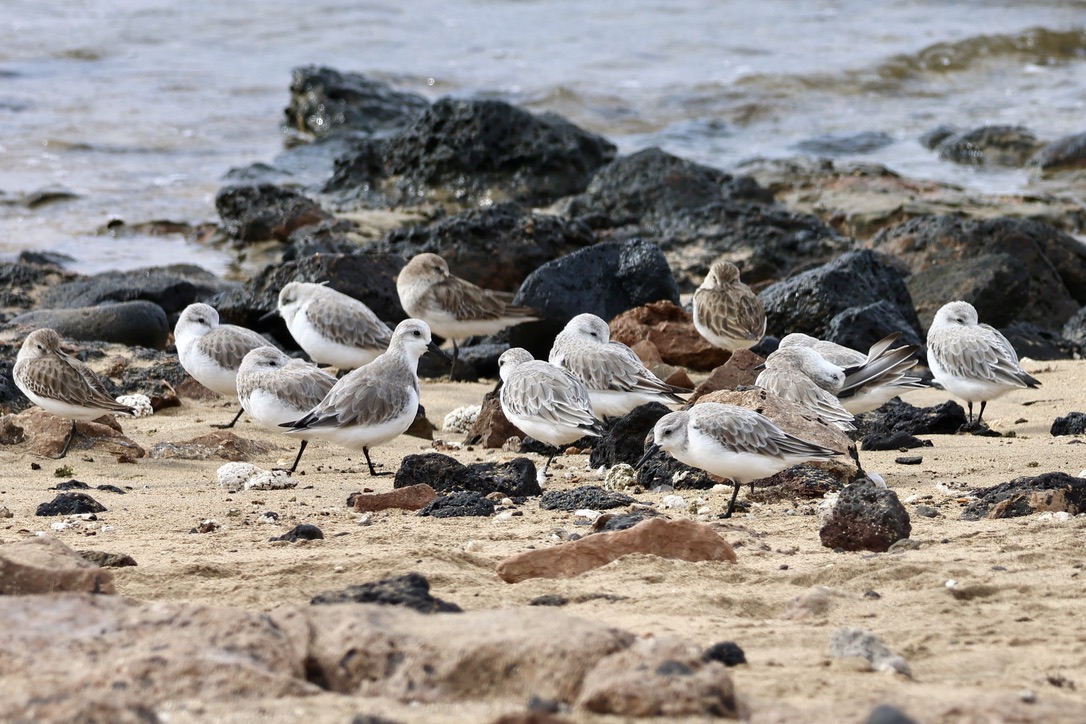
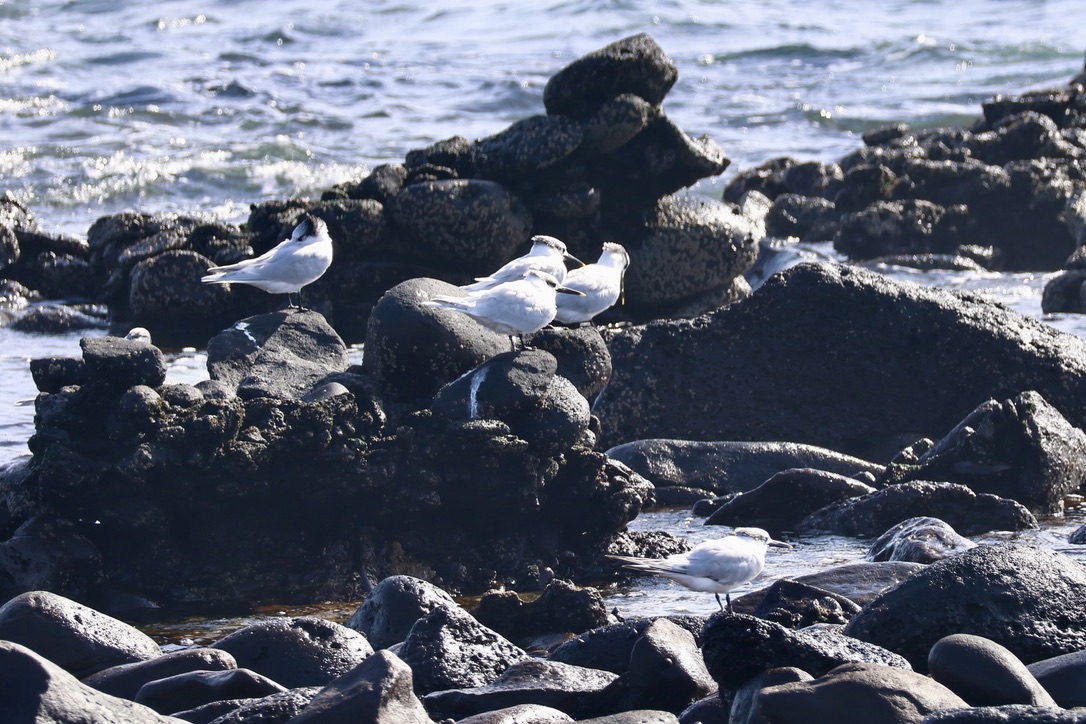
Dark volcanic rock collides with roaring sea along this paved coastal walkway, creating rock pools galore for hungry waders. Whimbrels, turnstones, sandpipers, plovers and even Spoonbills can be spotted. Hotels also plant palms, cacti and a few larger trees, providing shelter for smaller birds like the endemic Berthelot’s Pipit and fabulously squeaky Trumpeter Finches; as well as hunting perches for shrikes. The marina of the island’s capital an hour’s wander south is a welcome shelter for all sorts of shorebirds and worth a cursory loop at any time of year.

Tinajo Dunes & Desert

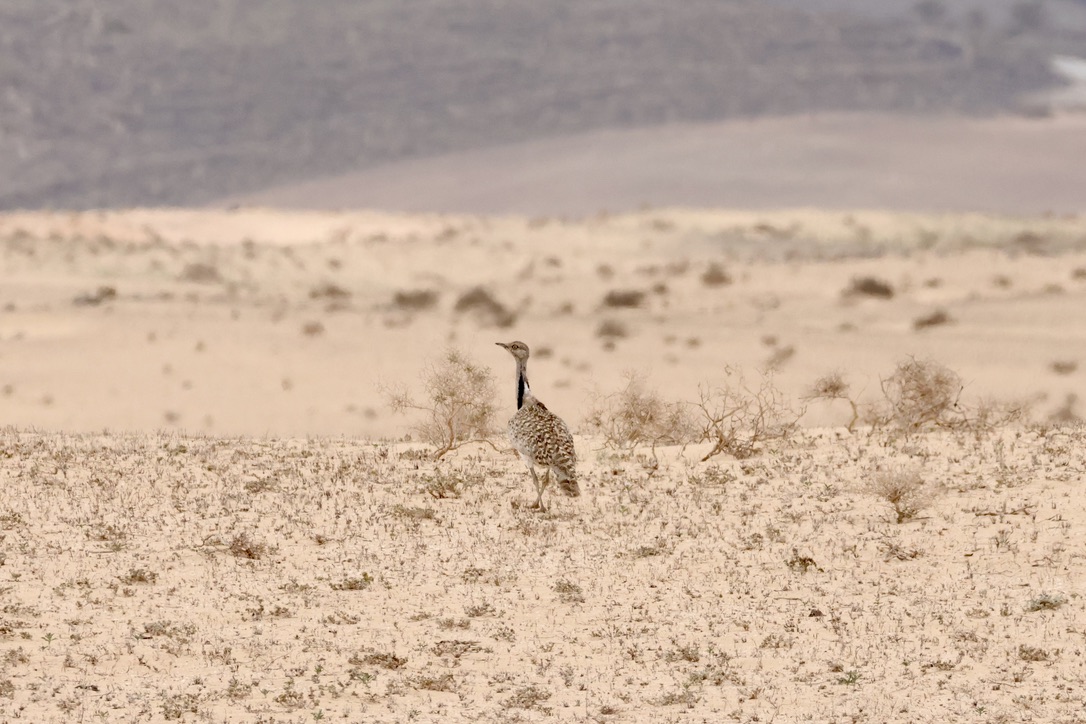
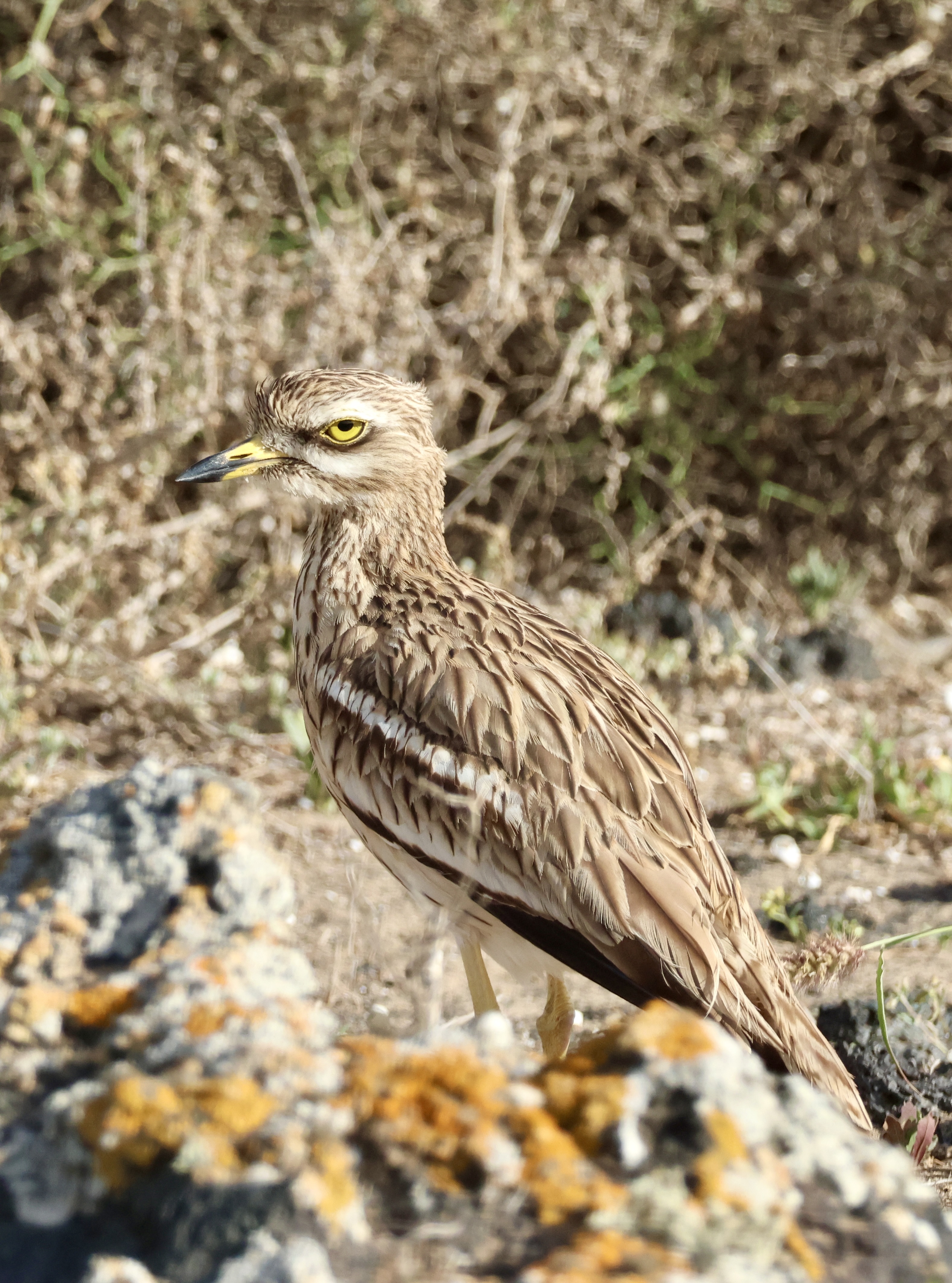
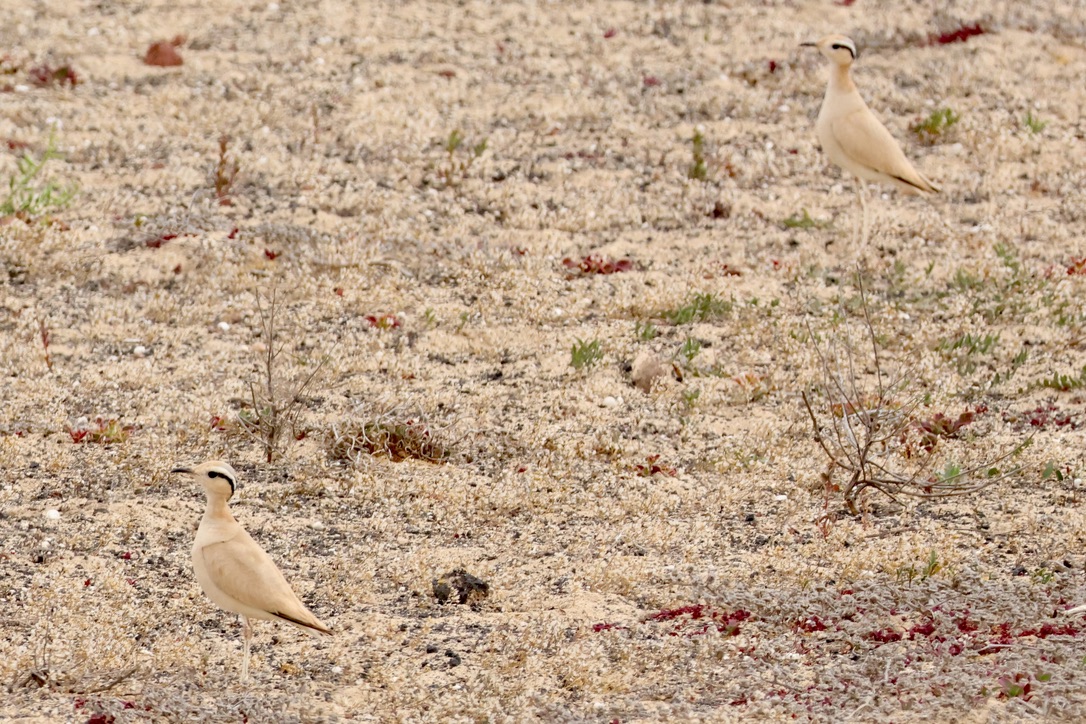
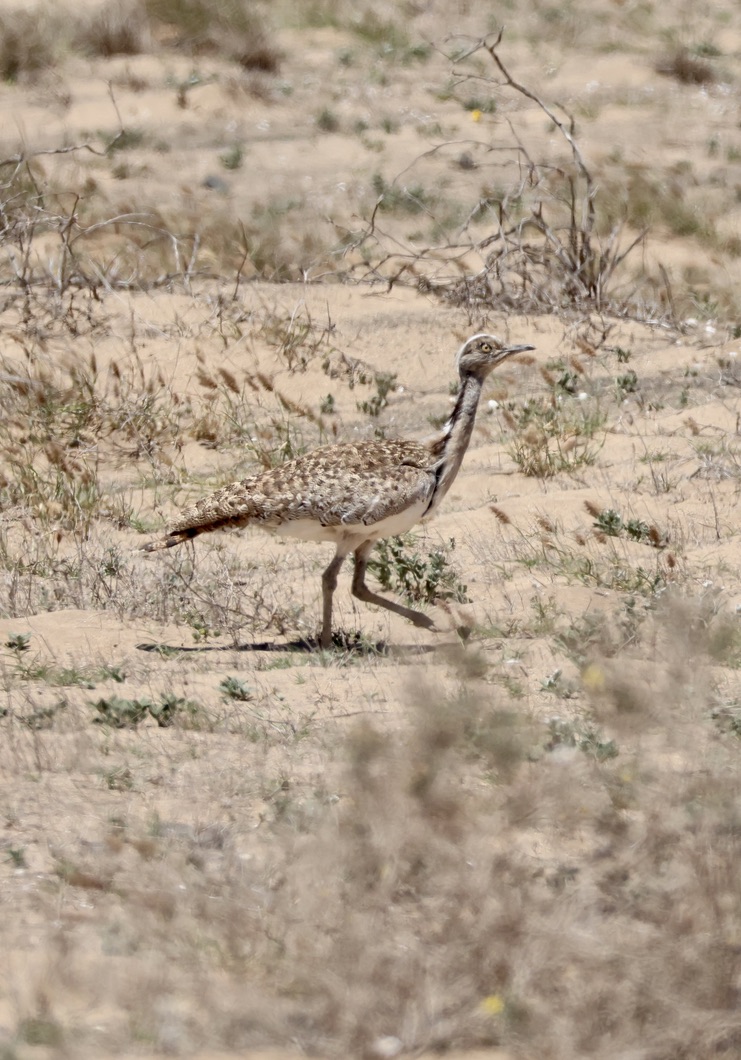
Home to the island’s desert specialists. Going with a local (I visited with a career archeologist who guided bird groups in his spare time!) or a least a hire car is best for this area. Early morning provides the best sightings, less wind and minimal heat haze. Spring is best for catching the male Bustards displaying. Stone Curlews, the elusive Black-bellied Sandgrouse and one of my all-time favourite birds, the Cream Coloured Courser, are so well camouflaged I’d recommend scanning the ground with binoculars and ample patience.

Off-shore Spots & Boat Trips

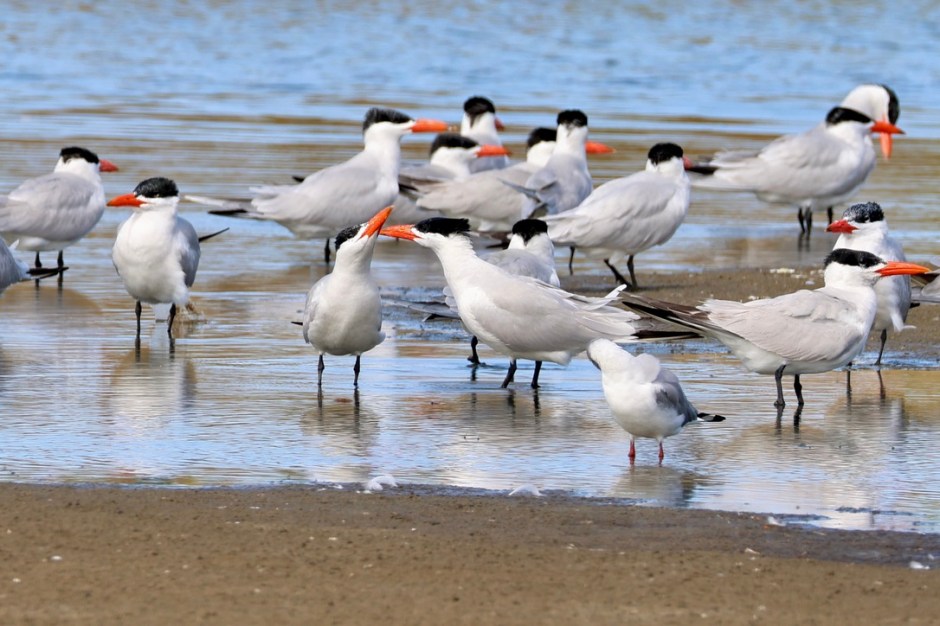
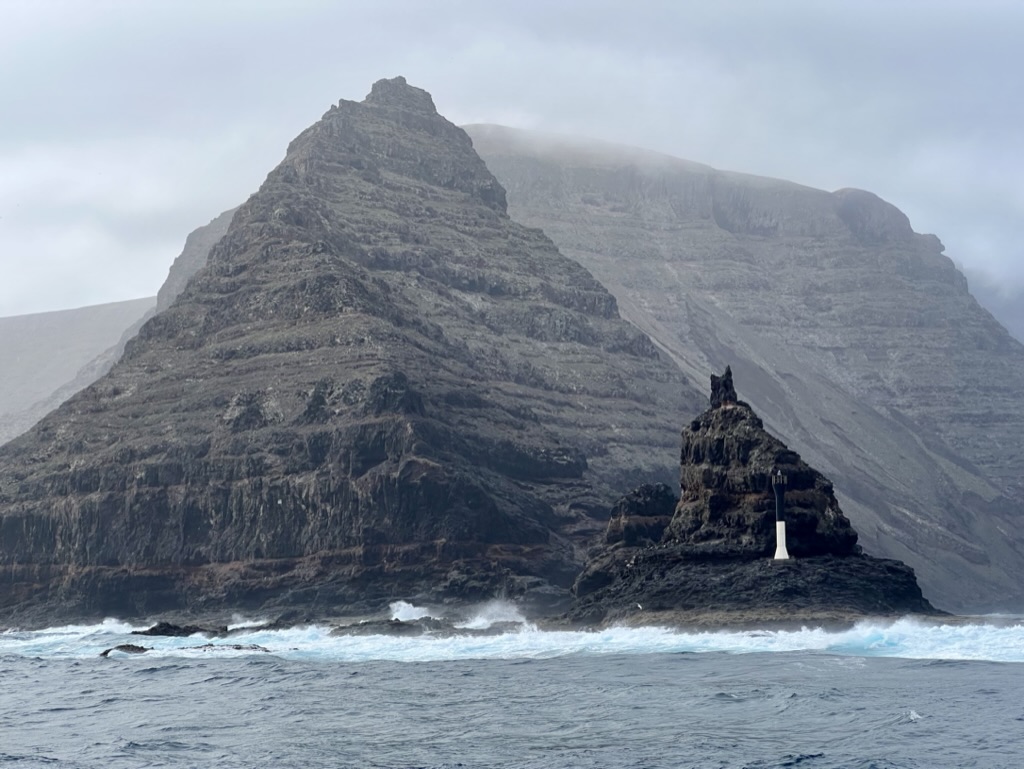
Seabirds compliment most boat excursions. If you go out in search of dolphins and whales, you’re also in with a strong chance of seeing Cory’s Shearwaters, skuas, terns and even rarer migrants like tropicbirds and petrels if you’re really lucky! A catamaran cruise from the northern tip of the mainland to La Graciosa is a wonderful day trip; and also the best chance to glimpse nesting birds along the huge, craggy precipices of the island’s north.

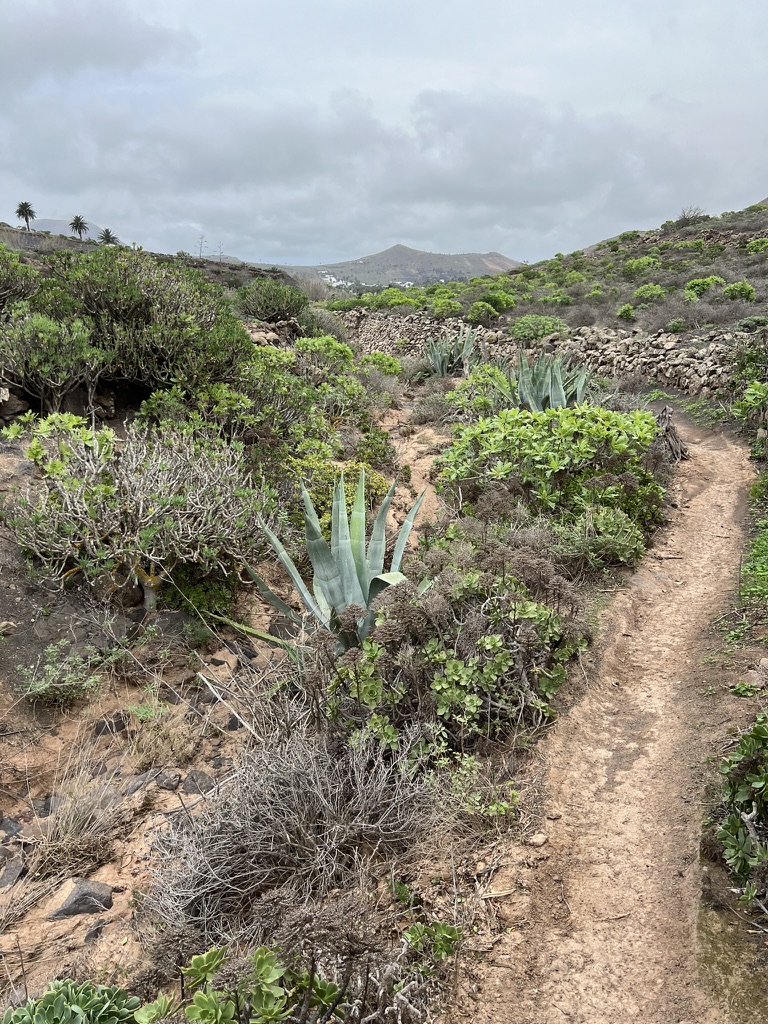
Hiking Haría & Valley of the Palms

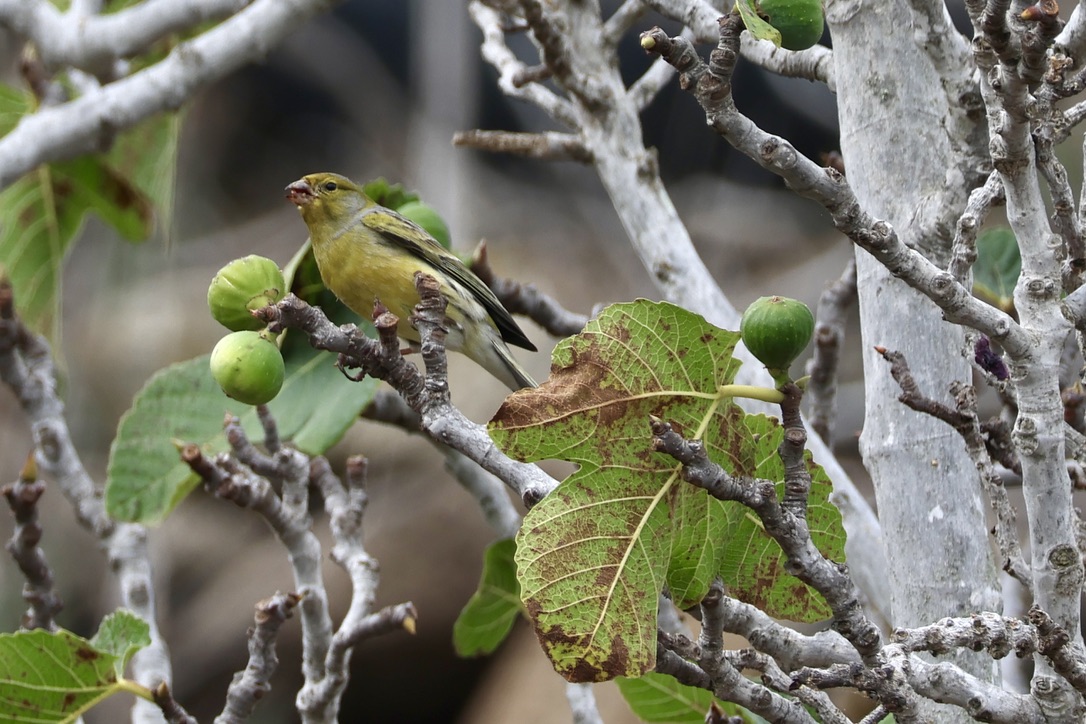
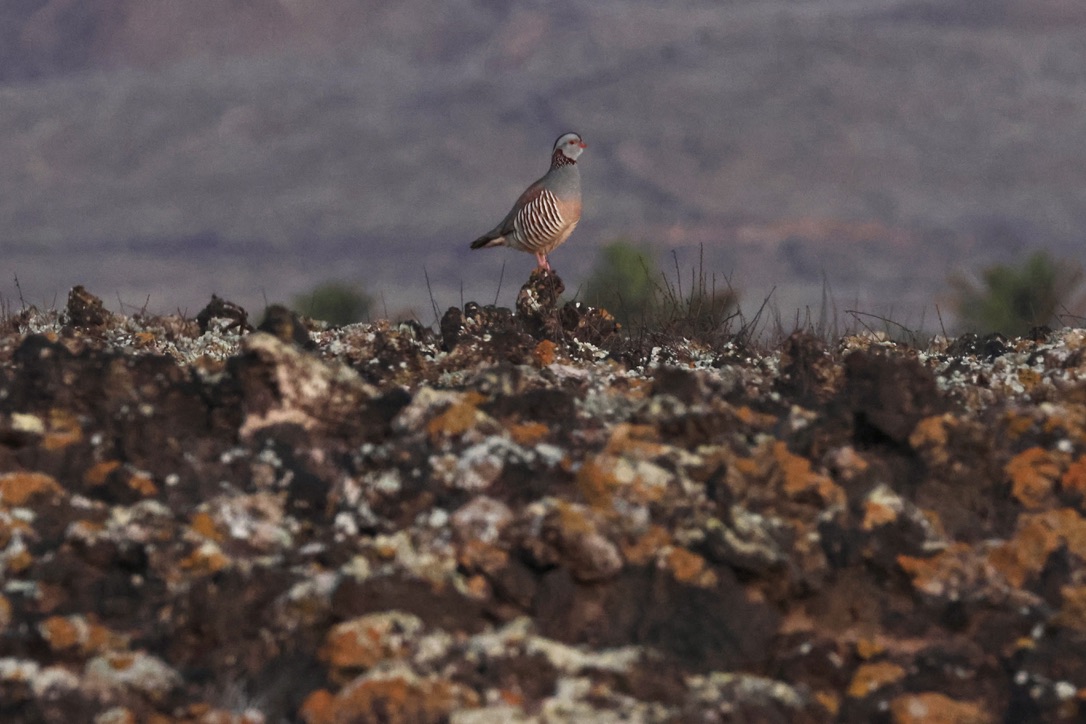
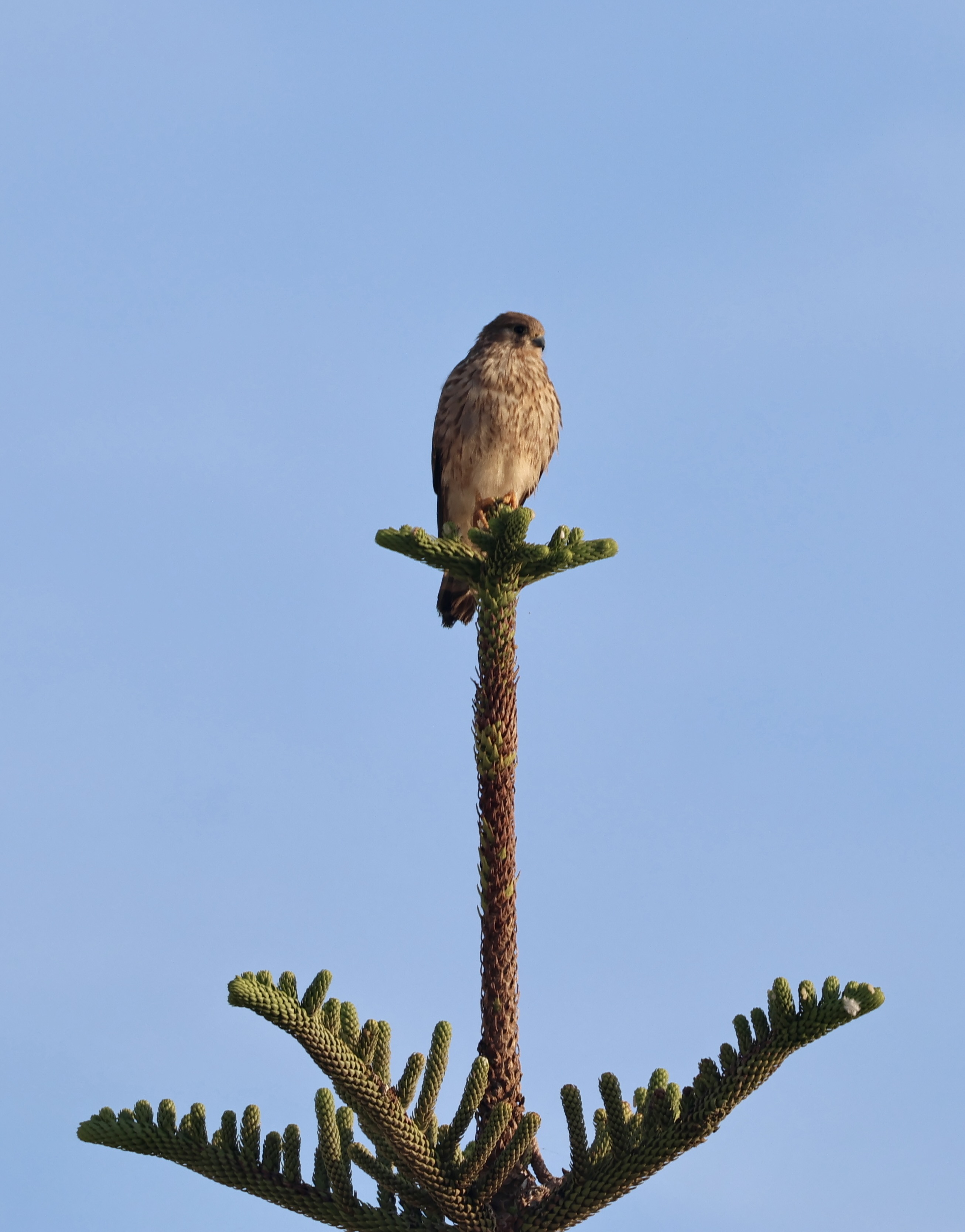
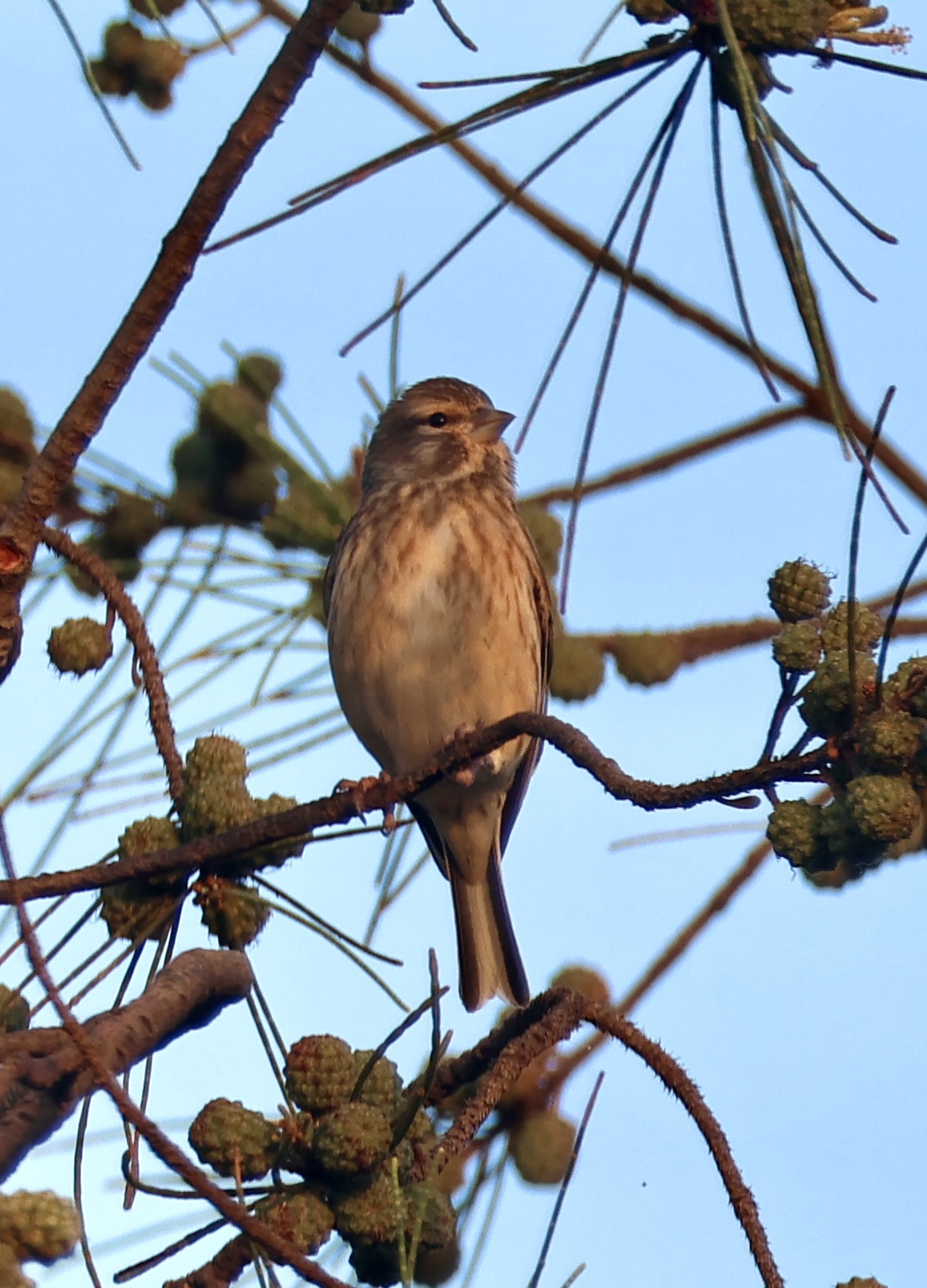
A few lovely hikes of varying difficulty from the town of Haría – roughly 20 minutes drive from the Costa Teguise – are the best places to spot Lanzarote’s smaller birds, including Spectacled and Sardinian warblers, Linnets, African Blue tits and the namesake Canary. Keep eyes peeled high and low for Hoopoes and Barbary Partridges on the ground and raptors in the air. Particularly Kestrels, Pink Footed Falcons and Egyptian Vultures.

Anywhere you go on Lanzarote, you’re likely to bump into birds. Whether the Yellow-legged Gulls are waiting for your crumbs on the front at Puerto Del Carmen, or the Ruddy Turnstones are waddling across your towel on Playa Jabillo, you have two choices: Go out of your way to find the birds, or let the birds come to you!

You can follow along with my birding adventures as they happen https://www.instagram.com/rachroamswild

Bird Watching Along London’s Waterlink Way

On the 59th day of my Lewisham lockdown, Boris Johnson announced that restrictions in England were easing slightly.

Continue reading “Bird Watching Along London’s Waterlink Way”

In Search Of The Resplendent Quetzal

“Maybe we should go to Salama?”. I put the question to my travel buddy despite knowing it was a big ask. Salama was a two day trip off our planned route but that’s how extreme my quetzal obsession had become. 

Continue reading “In Search Of The Resplendent Quetzal”

A Lazy Novice’s Guide To Birding In Central America

From colourful flashes within the canopies to melodic morning songs, birds will be a lasting memory of my time in Central America.

Continue reading “A Lazy Novice’s Guide To Birding In Central America”

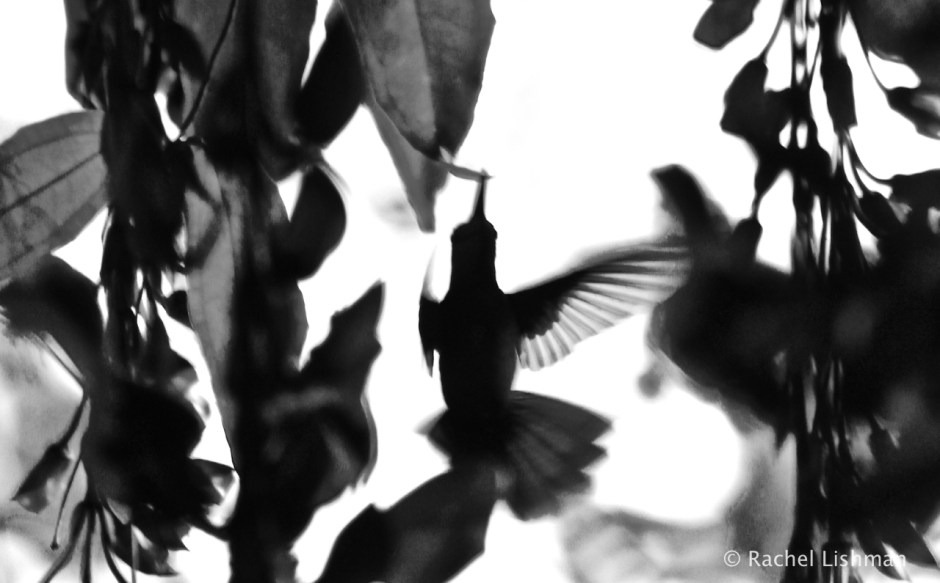
A Face In The Crowd: Photographing Hummingbirds In Central America

Since day one of my journey through Central America, hummingbirds have become an obsession. I can’t explain their allure. I only know that when I watch them hover I stand silent; hypnotised.
Continue reading “A Face In The Crowd: Photographing Hummingbirds In Central America”

Meeting The Condors Of Colca Canyon, Peru

How far would you travel to see something special?

Continue reading “Meeting The Condors Of Colca Canyon, Peru”

The Poor Man’s Galapagos Islands, Peru

Not visiting the Galapagos Islands while I was in Ecuador is my biggest travel regret. My strict budget didn’t allow me the luxury.

Continue reading “The Poor Man’s Galapagos Islands, Peru”