What started as a quest for some winter sun, resulted in an unforgettable adventure.
Despite only being six hours’ flight from London and in the same time zone, The Gambia is so much more than a fly-n-flop destination. While tourists have visited The Smiling Coast since the 1960s searching for warmer winter temperatures, sea views and friendly people, it’s only more recently that the country has seen a surge in eco-tourism.
Opportunities for authentic exploration beyond Gambia’s coastal strip are growing and are arguably the more responsible path to take. Instead of giving all our tourist dollar to companies like Tui offering all-inclusive deals with hotels that aren’t Gambian owned, booking directly with local tour operators allows for wider spread of income to Gambians and a more diverse experience.
Base At Bakotu Hotel
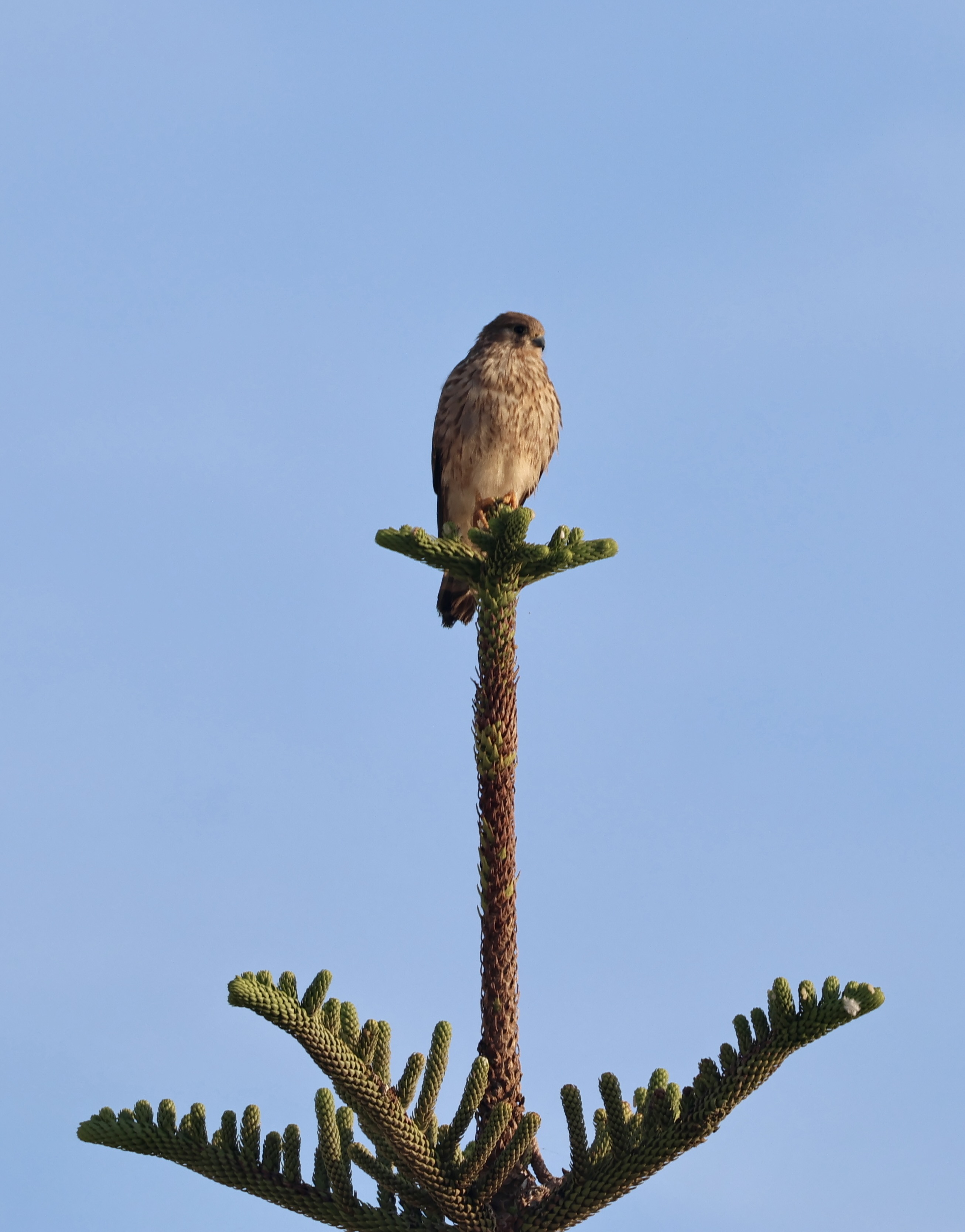
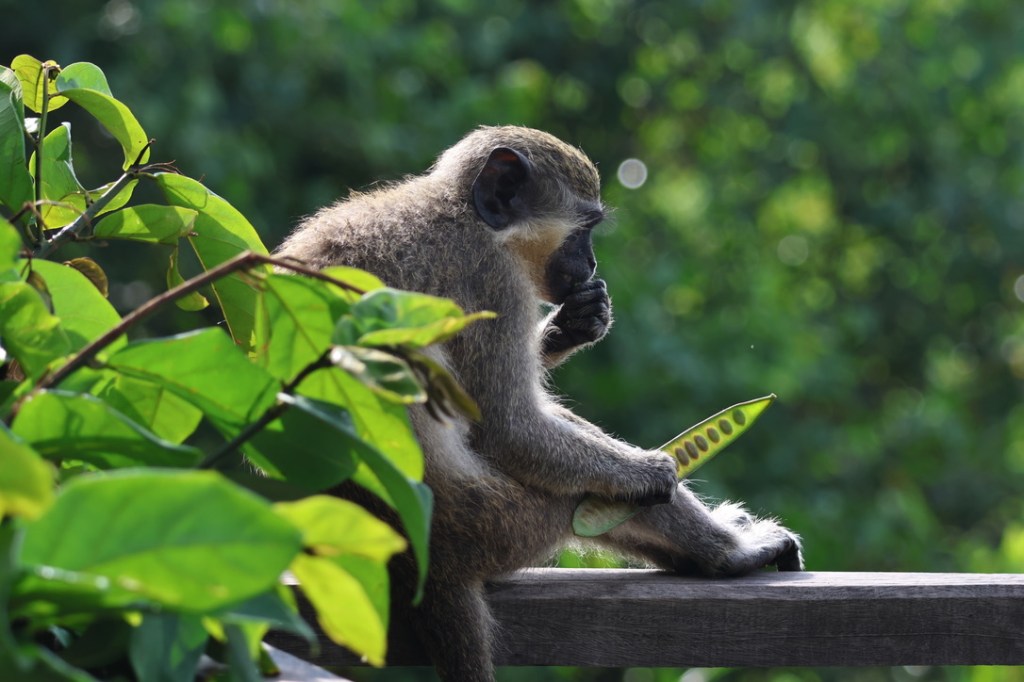
Base camps don’t come better than Bakotu. My secluded room was expertly arranged in planted gardens. Inclusive breakfasts were a leisurely affair and whole days of recuperation were encouraged. The jewel in its crown? A wonderfully secluded wooden deck that overlooks Kotu creek and its birds. It was a joy to observe sunrise, sunset and everything in between from this spot. Birds of prey perched just above my head at dawn. Sun squirrels and vervet monkeys played and ate around me all day. I even caught a glimpse of a civet through the tall bamboo in dusky twilight.
A Day With Yabouy Home Cooking
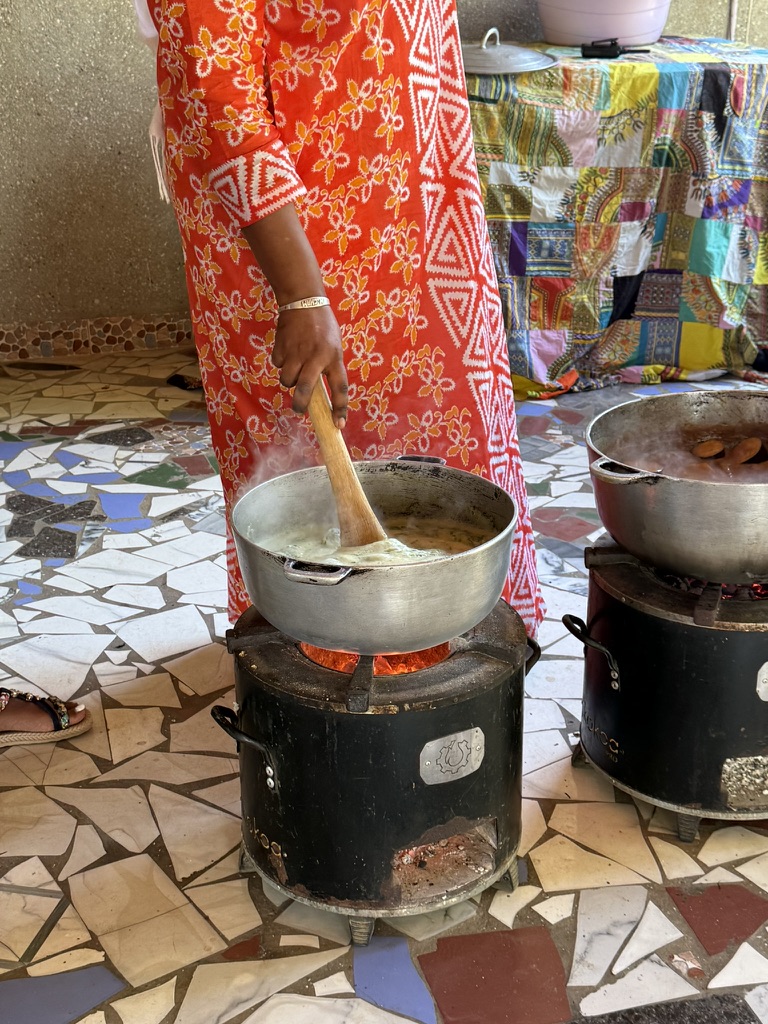
Ida and her four daughters-in-law run this female-led business from their family’s compound near Tanji. Visitors learn how to cook chicken yassa and nutty domodo, both staples of Gambian cuisine, while our money goes back into community education and development. Ida’s passion for her culture shines through in all the activities, which include buying fresh ingredients from the fish market, cooking, beading and dancing on full bellies after lunch.
Overnight Stay In River Gambia National Park
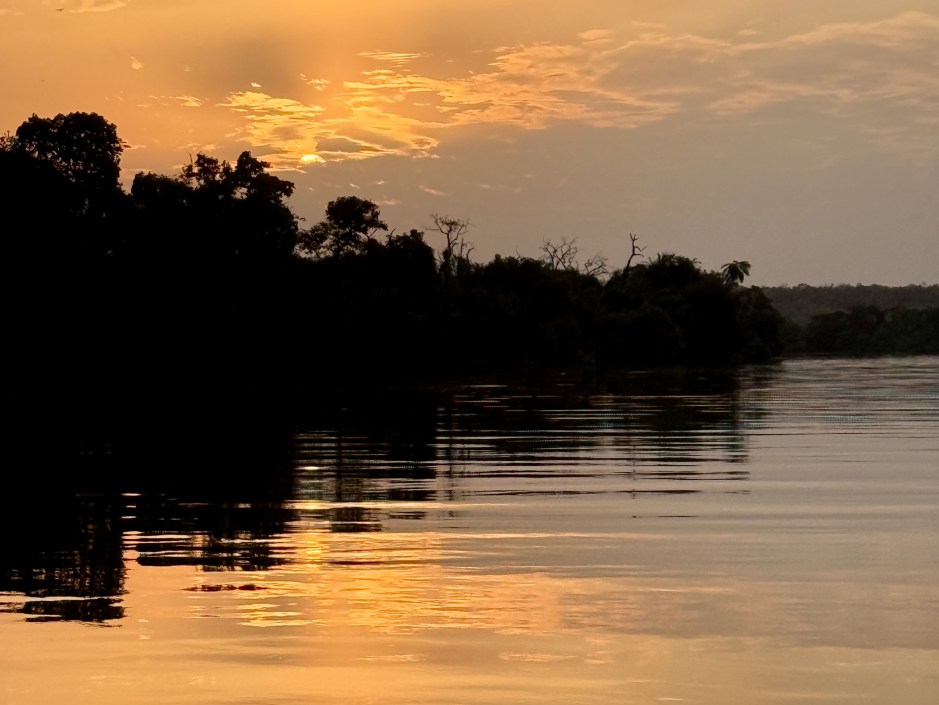
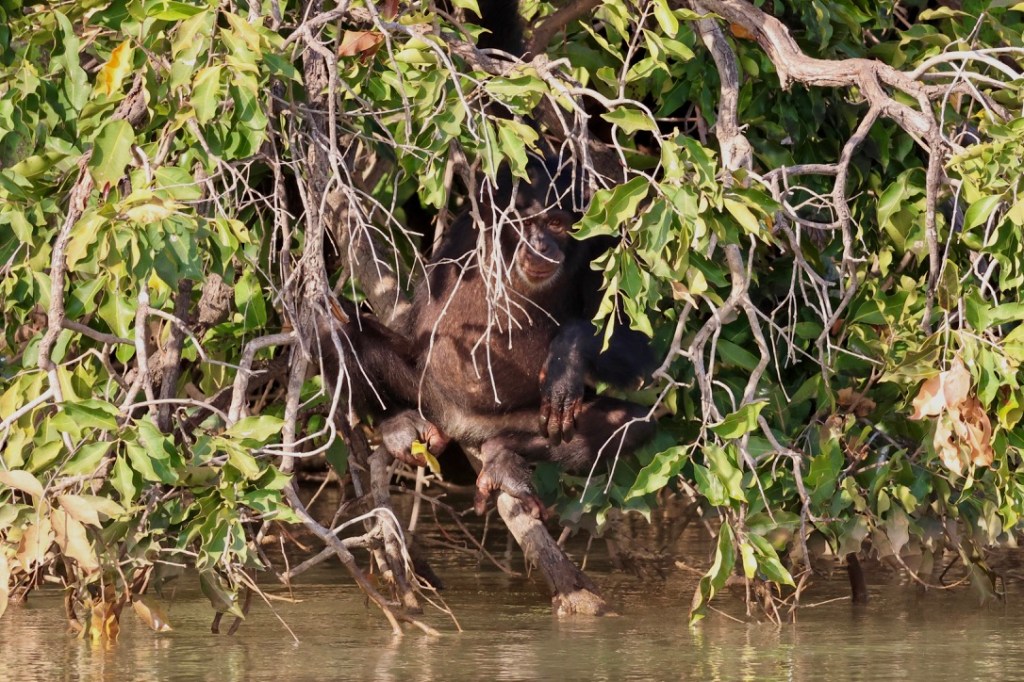
Five hours drive inland from Gambia’s coastal resorts, chimpanzees roam free on three islands in the middle of River Gambia National Park. Set up in the seventies as a rescue centre for abused and injured chimps, it has become one of the world’s most successful conservation stories. The CRP has always trained and employed locals to monitor and care for the chimps. Today, seven local communities benefit from visitors spending a night or two in their spacious tents. I visited for one night, hosted by Owaru. Project Leader and local shaman. My stay included two hours boating around the islands at sunset to spot chimps, dinner by candlelight at the river’s edge and a dawn hike to search for baboons, birds and the endangered Western Red Colobus monkey.
Fathala Wildlife Reserve, Senegal
Travelling across the border into Senegal via a quick visit to Gambia’s capital, Banjul, makes for a long day. Although like most trips that take a little effort, it’s worth it. While France and Britain apportioned borders to these newly independent countries across the region in the early sixties, the roots of its ethnic groups remained. My guide Abdoulie whose family were Fula, explained to me that he still feels closer cultural ties to a Senegalese Fula person, than he would a Mandinka Gambian. Of course, the complexities of The Gambia’s history can’t be fully explored in one day. Though at face value it was interesting to pick up on the cultural differences in language, religion, currency and even approach to education at the land border into Senegal.
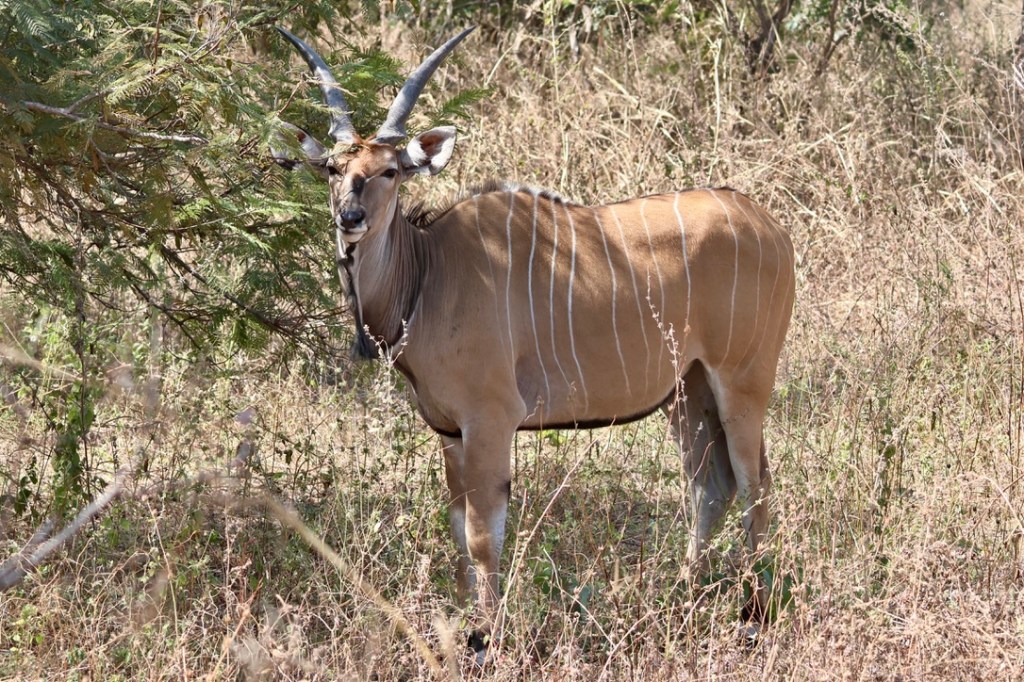
Fathala works hard to protect the extremely rare Western Giant Eland. We took an open top safari route that focused on birds, the eland and rare Red Patas monkeys. However, I’d strongly suggest not requesting their ‘lion walk’ – a controversial activity they still offer, sadly due to tourist demand.
Guided Birding
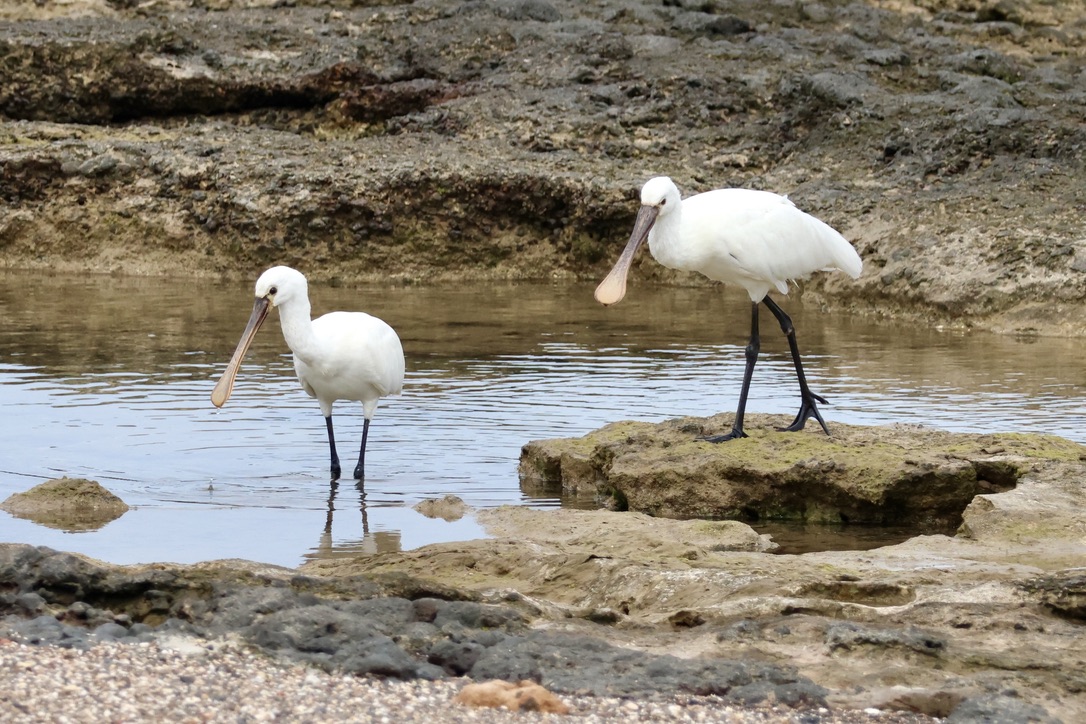
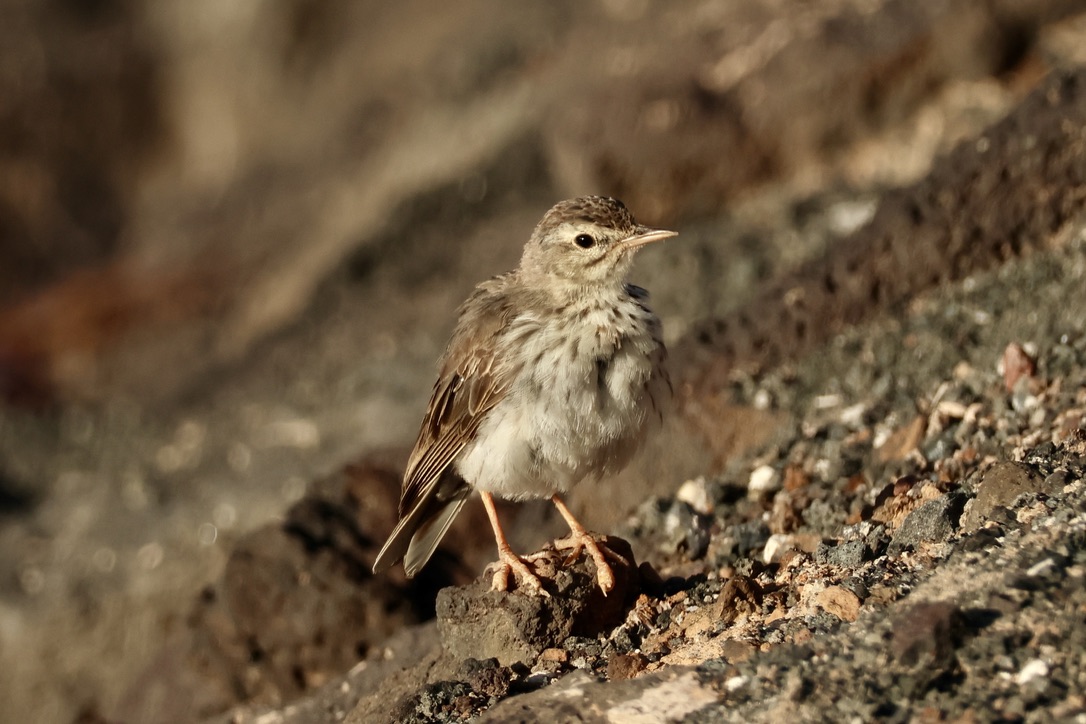
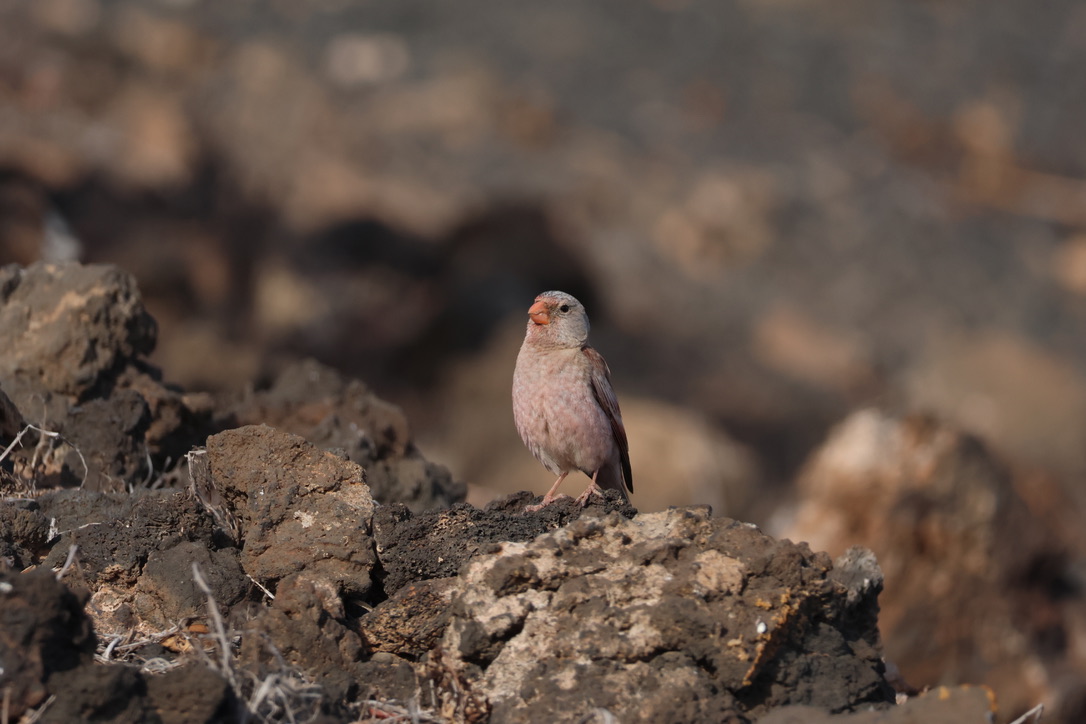
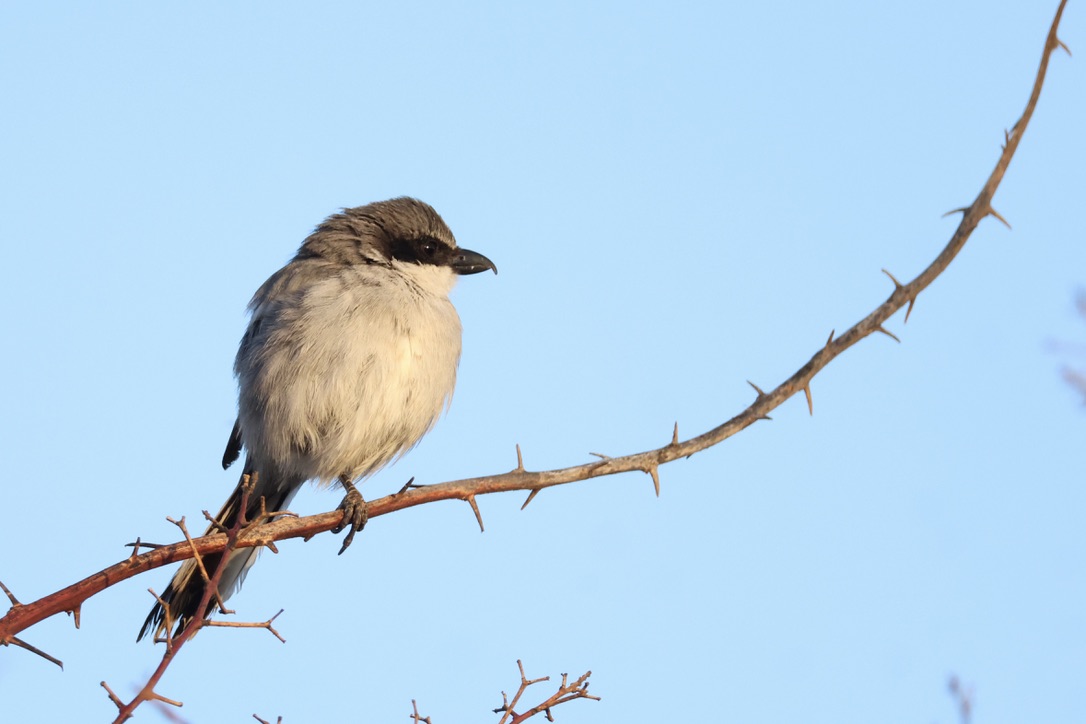
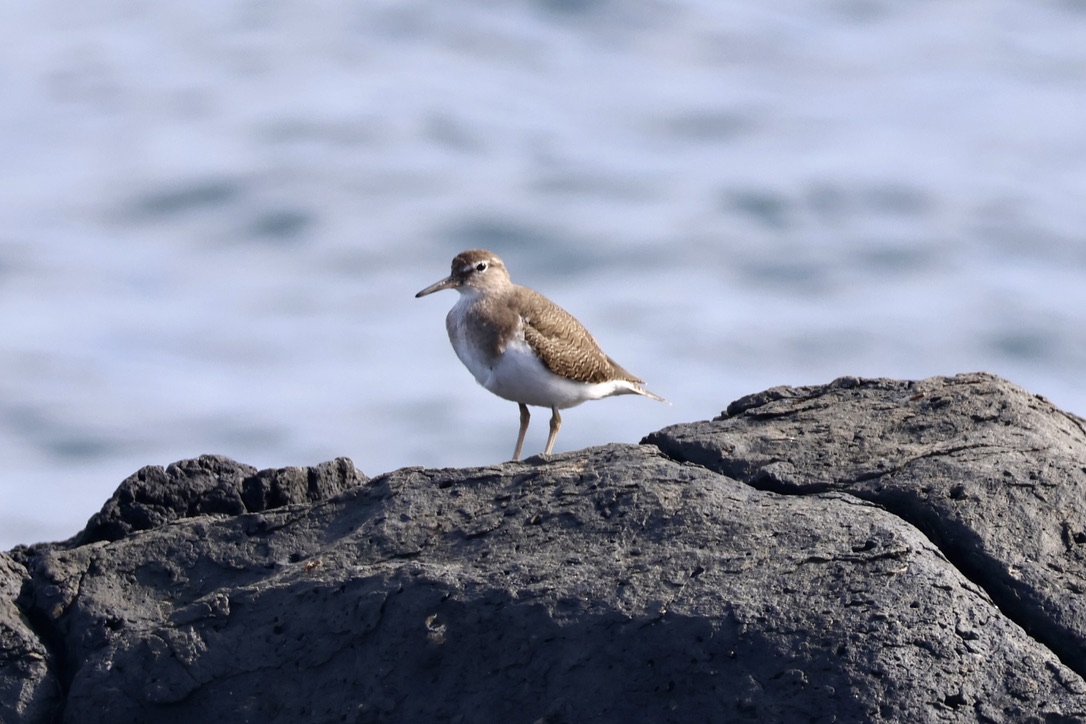
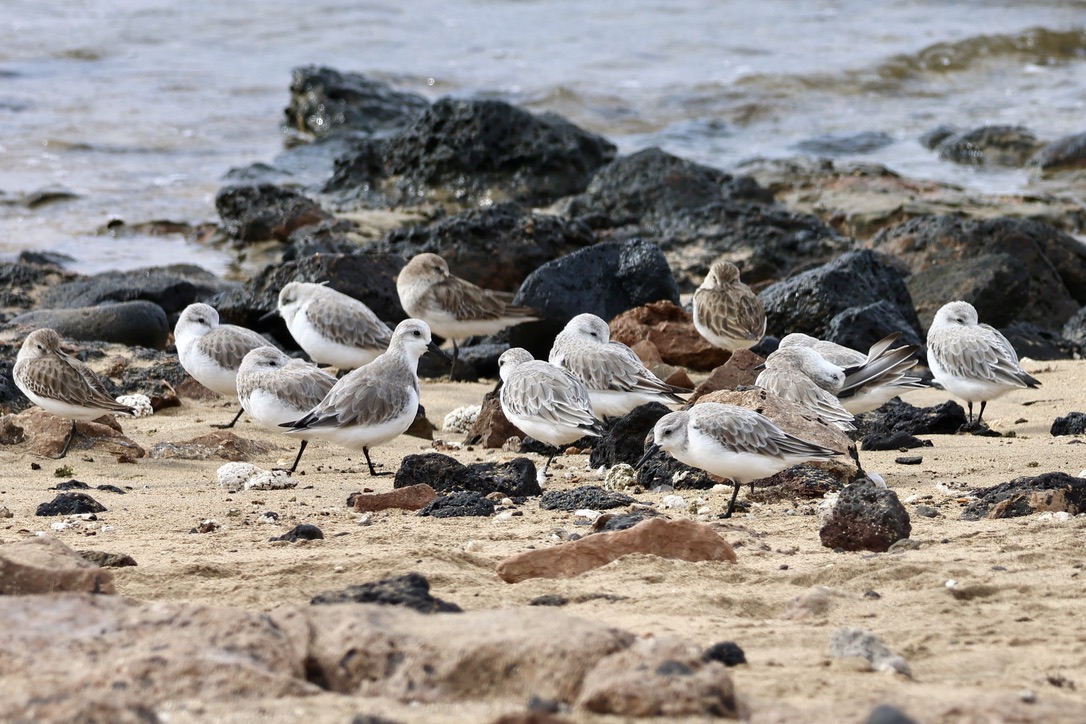
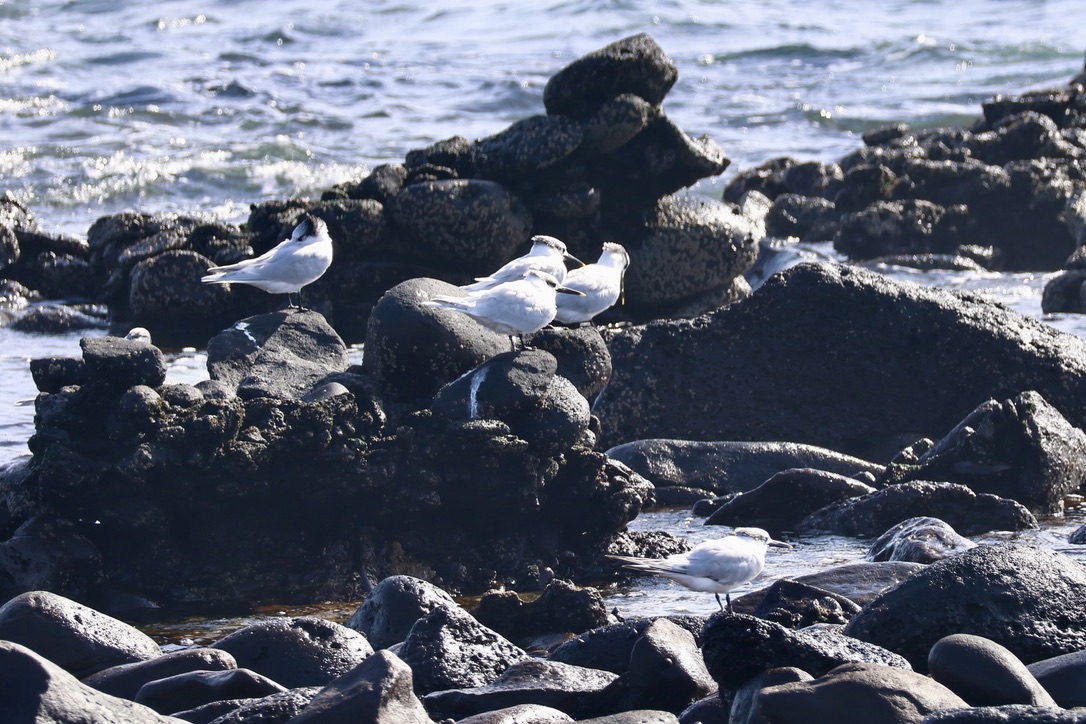
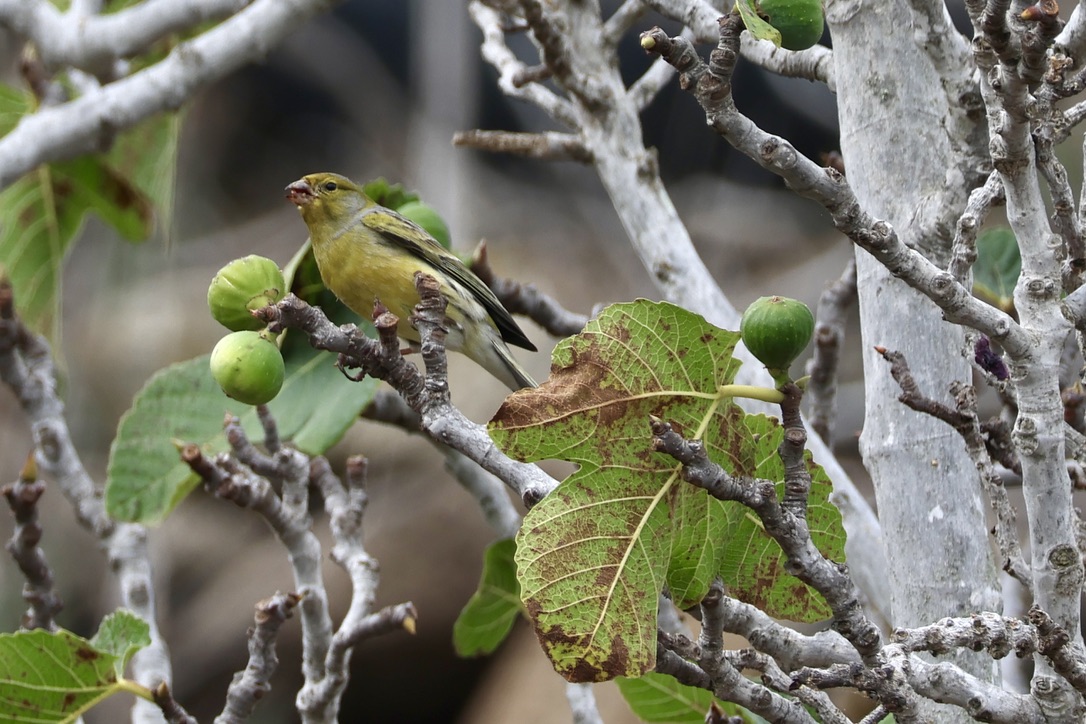
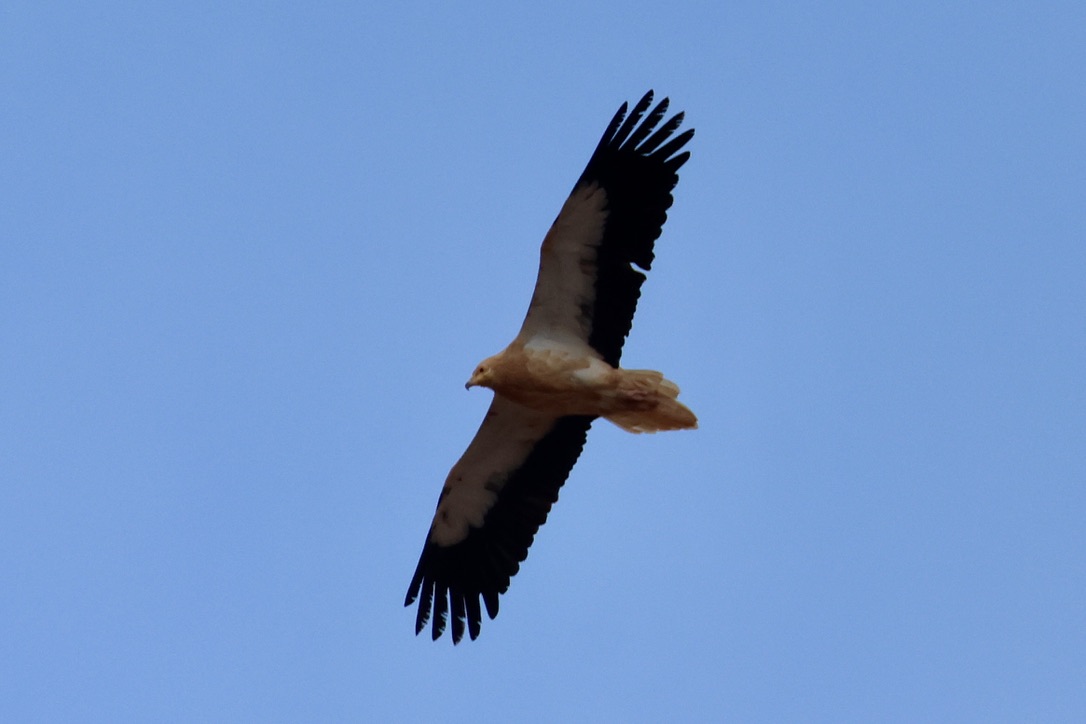
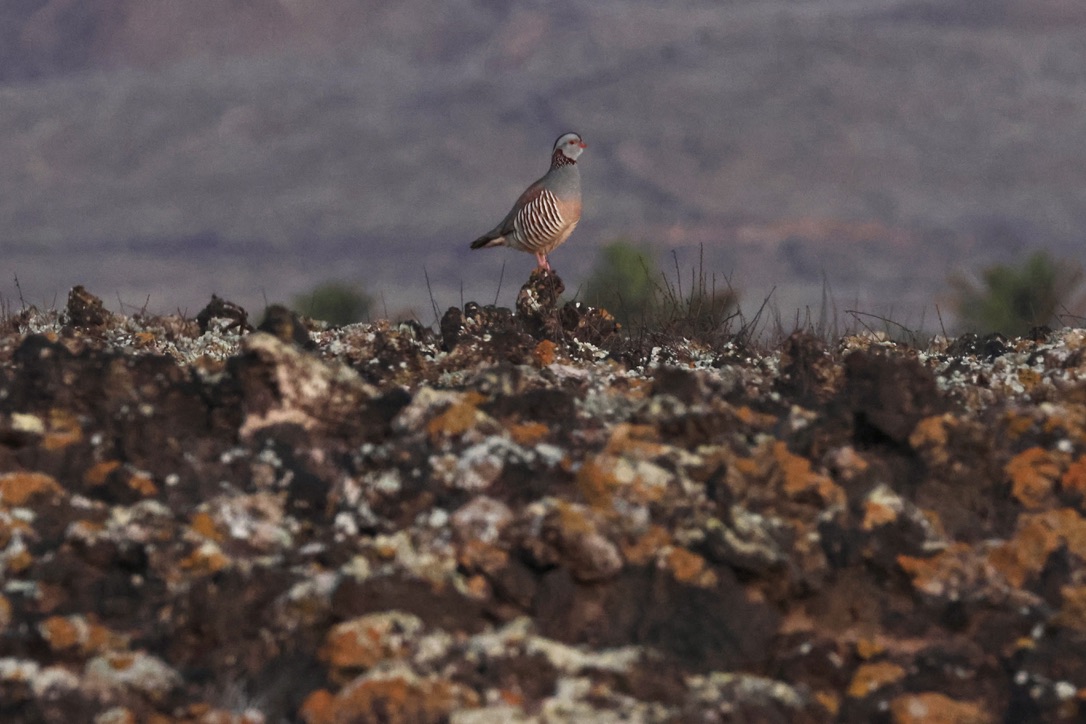
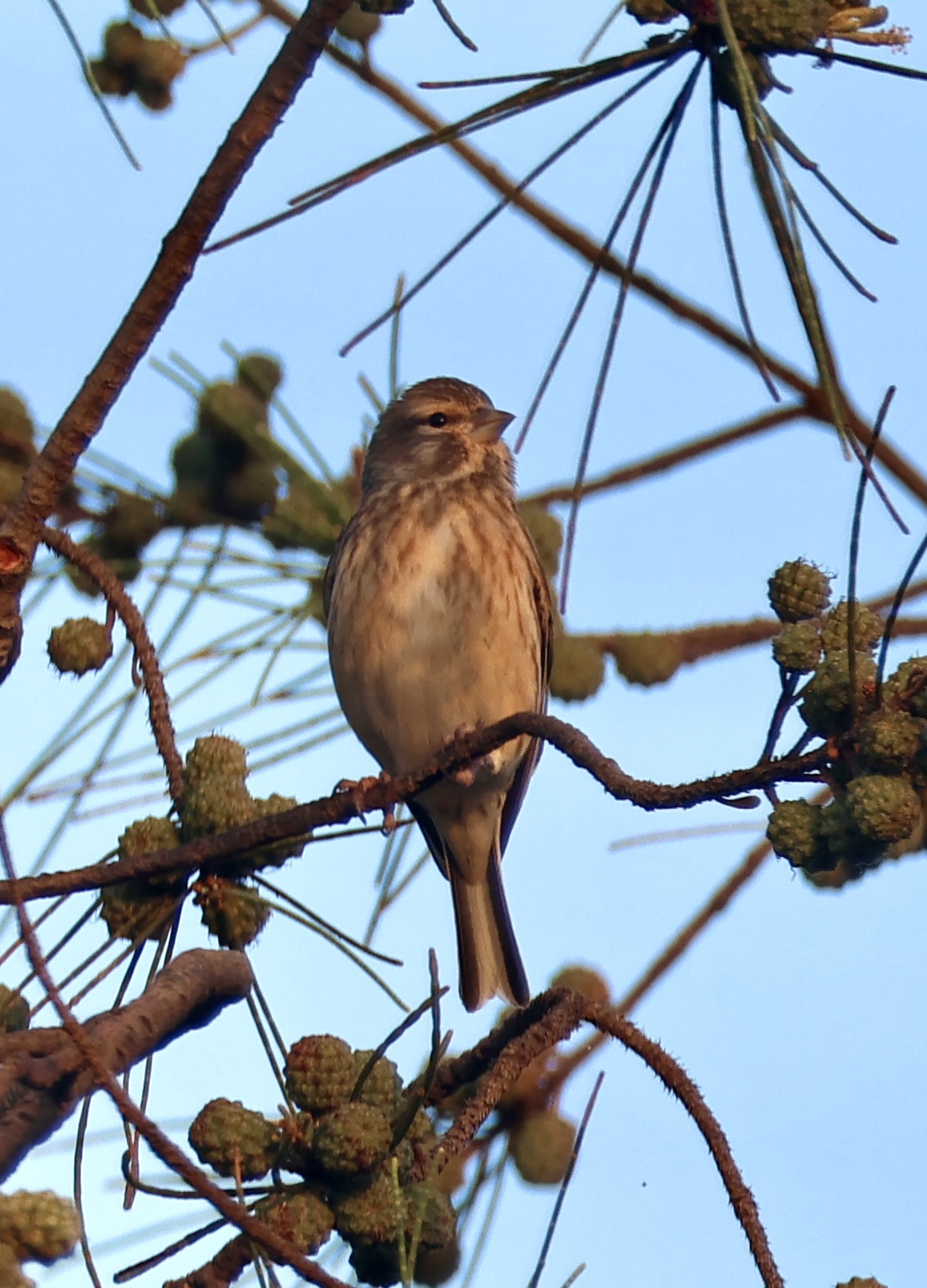
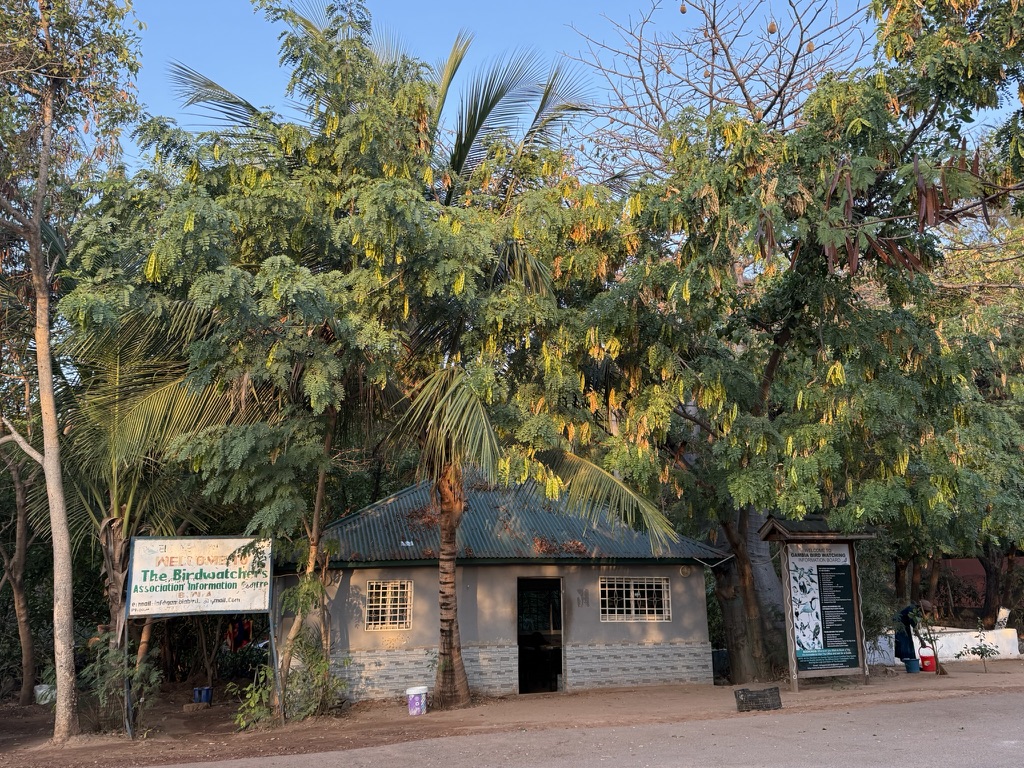
The Gambia is a birder’s paradise. While I saw many birds from the comfort of my hotel (sometimes even my sun lounger!) exploring the nearby countryside with a guide was an experience in itself. The Gambia Bird Watcher’s Association trains young people for two years, with the aim of creating jobs in eco-tourism. Their headquarters at Kotu bridge offer excursions from a few hours to whole weeks of birding as packaged deals with a guide. I spent three separate days birding with a guide at both coastal and inland locations, spotting over a hundred species from huge owls to tiny kingfishers.
A Dual-Stay Holiday?
As it was my first time in The Gambia I hadn’t considered a dual stay. I definitely will next time. Others I met were staying at Bakotu for a week then heading to one of the inland eco-lodges for daily river excursions and wildlife spotting. As well as visits to different market towns. Another great idea to make sure our tourist spend goes even further into communities beyond the coastal strip.
Of course, The Gambia had what I originally wanted in droves: Sun with a sea breeze, lovely beaches and welcoming people. Although it’s also a fantastic holiday destination for the more curious traveller. Stepping out of the hotel often, supporting local businesses and making an effort to research local taxis, guides and tour operators makes for a more responsible visit.