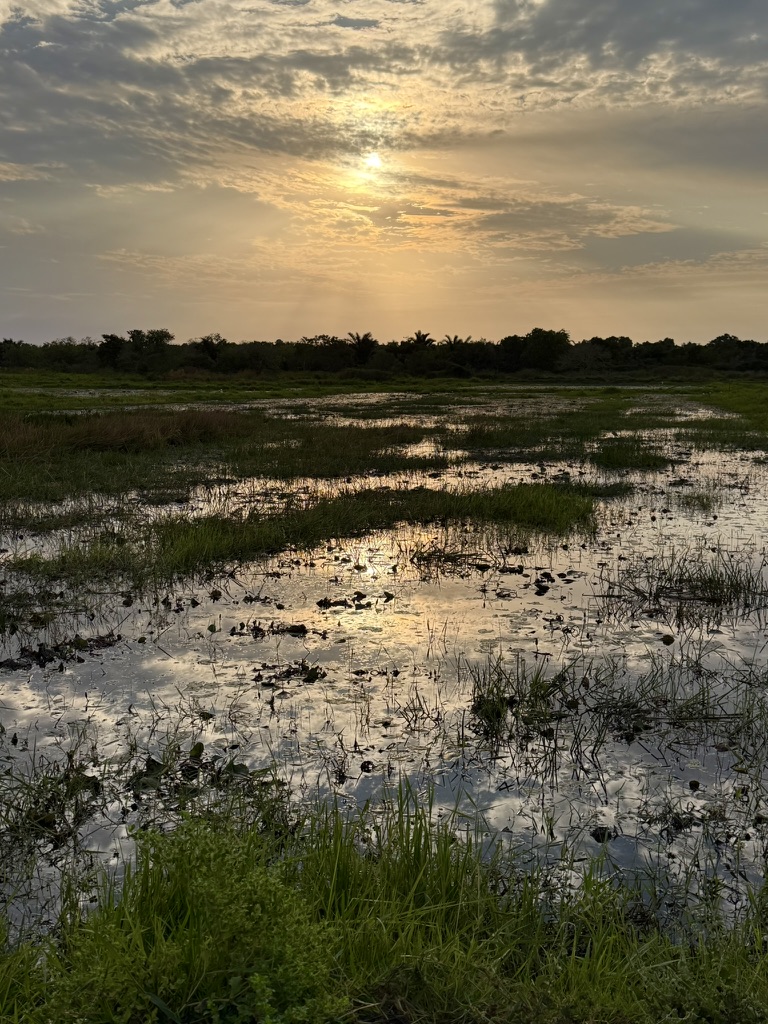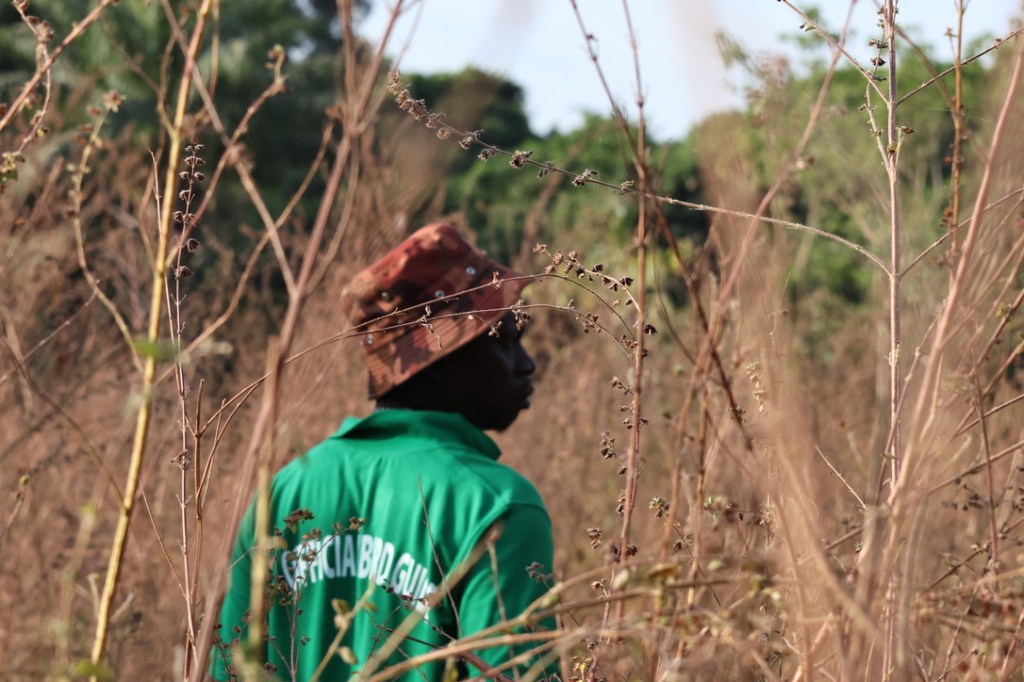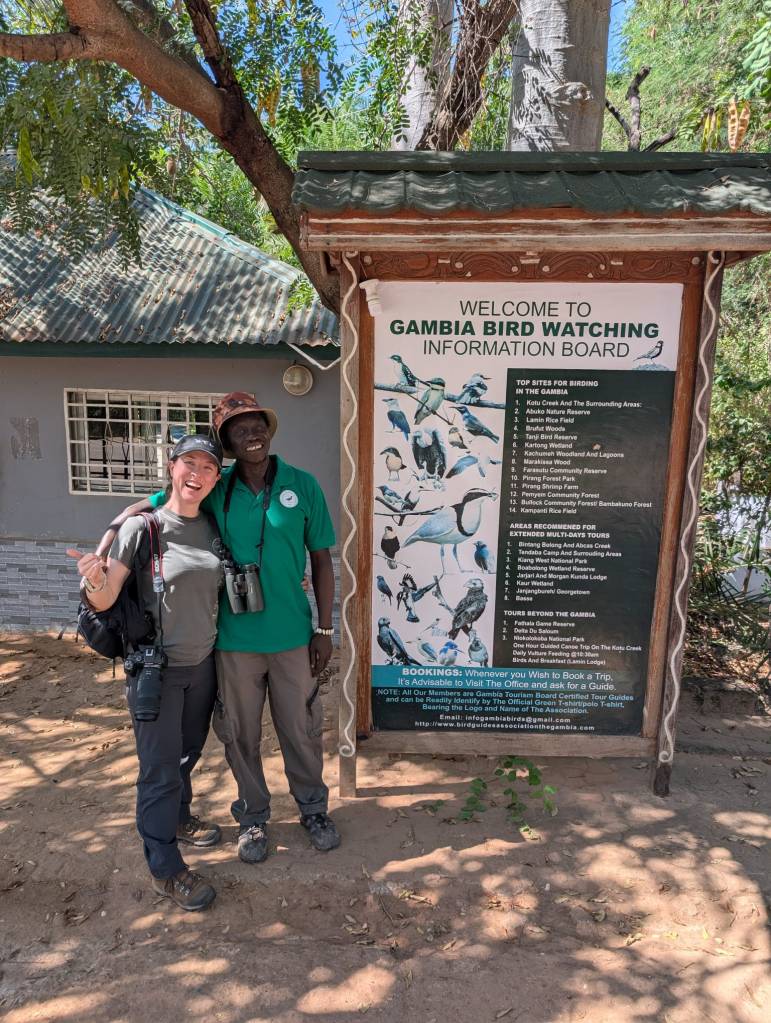
Owaru pointed into the dawn as it shook its wan greys into the golden beams of a warm morning. “The hippos have taken the rice fields back now. Theirs again”.
The idea of marauding hippos was an interesting one as I perched on a caked wave of soil. A woman stood as a wobbling island amid pools of old rice paddy that reflected dawn like a mirror. If the hippos decided they didn’t want us in their paddies, running wouldn’t be an option. Although strangely, after spending a day with Owaru I felt immeasurably calm. His mild presence like a heavy blanket that comforted me.
The Chimpanzee Rehabilitation Project (CRP)
Owaru, a retired chimpanzee expert and village shaman, started work at the CRP as a boy in the early eighties. Now he dips in occasionally. Purely for the enjoyment of spending time with the chimps and educating tourists.
Stella Brewer’s idea to create a space for orphaned chimpanzees in the 1960s led to a decade-long search for the right spot. In 1979 with Janis Carter’s help, the first chimpanzee group was brought to River Gambia National Park. Today almost 150 chimps roam free in different troops across the river’s Baboon Islands. The CRP monitors them and provides extra food. While the thick gallery forest that drops straight into the currents of a wide section of the River Gambia keeps them safe from poachers.
Working with local communities is a cornerstone of the project. In fact, Janis, who now leads the project, remarked twenty years ago that “The best hope is to forge a relationship between people and chimps living close to them.” Today, a maximum of four visitors can also stay overnight. This supports seven nearby villages who have made continual sacrifices for their wild neighbours. Owaru and his expertise is a product of that deep collaboration over more than forty years.
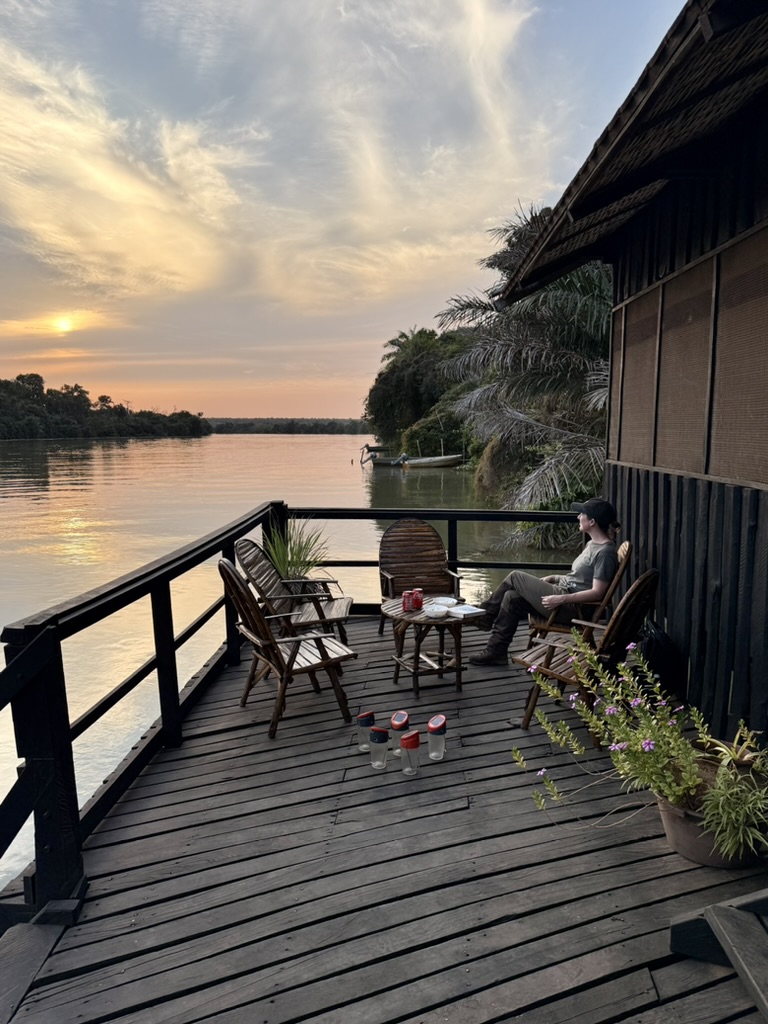
Out On The Water
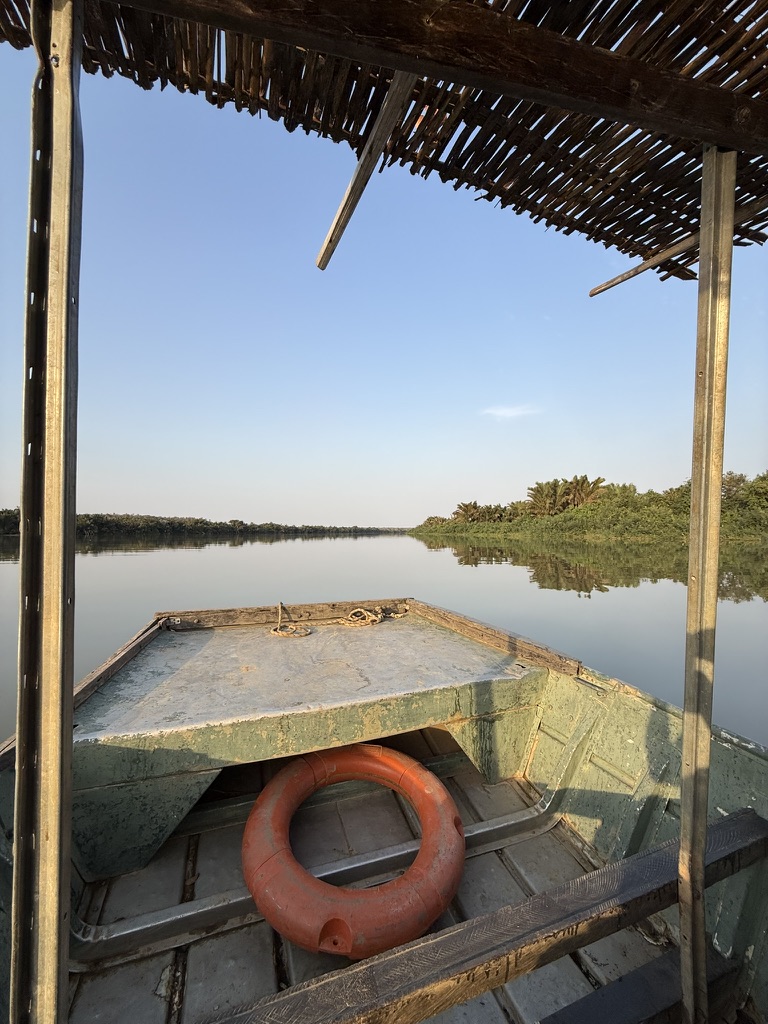
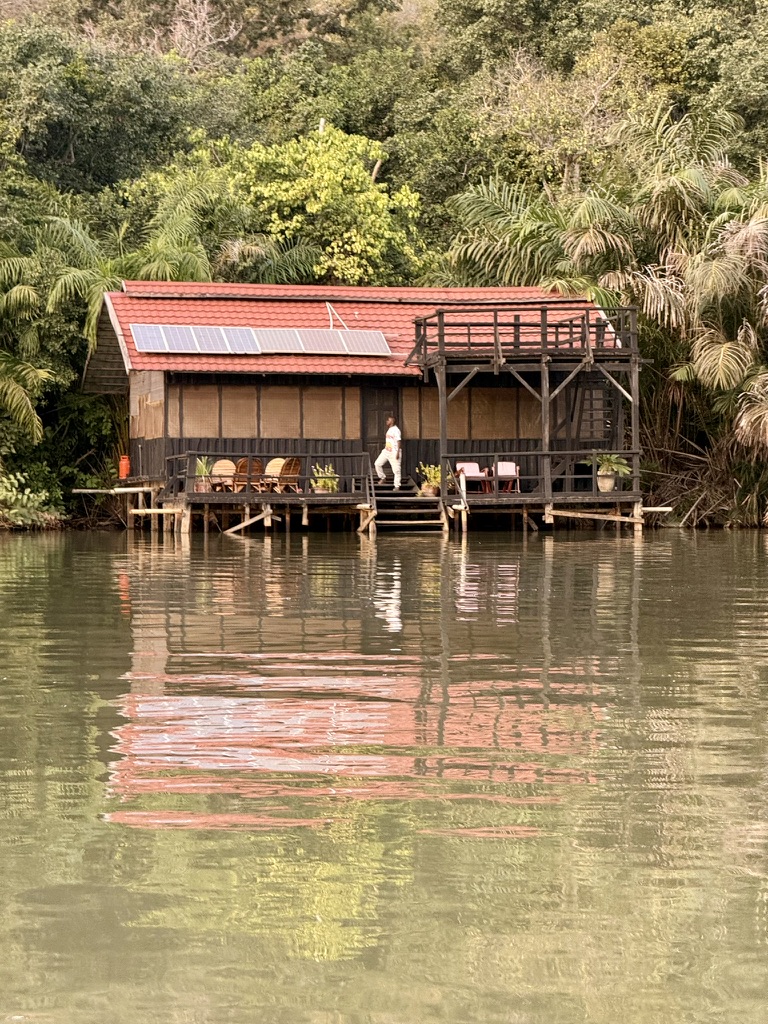
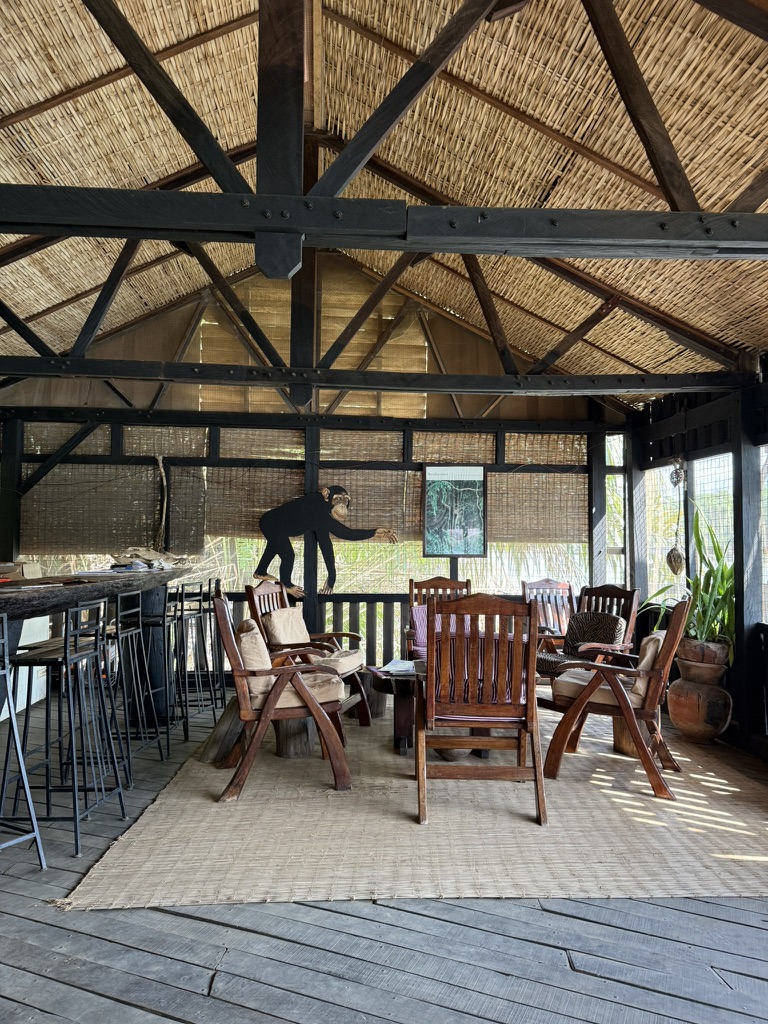
After a five hour drive inland from Gambia’s coastal resorts, I made the final hop to camp via a thirty minute boat trip up river from Wassu. Special adventures always follow an arrival by boat. And as I stepped into CRP’s jettied headquarters its rich wooden panels, mosquito-netted windows and hand drawn posters threw me back into another time. A few rooftop solar panels the only giveaway that it was January 2026.
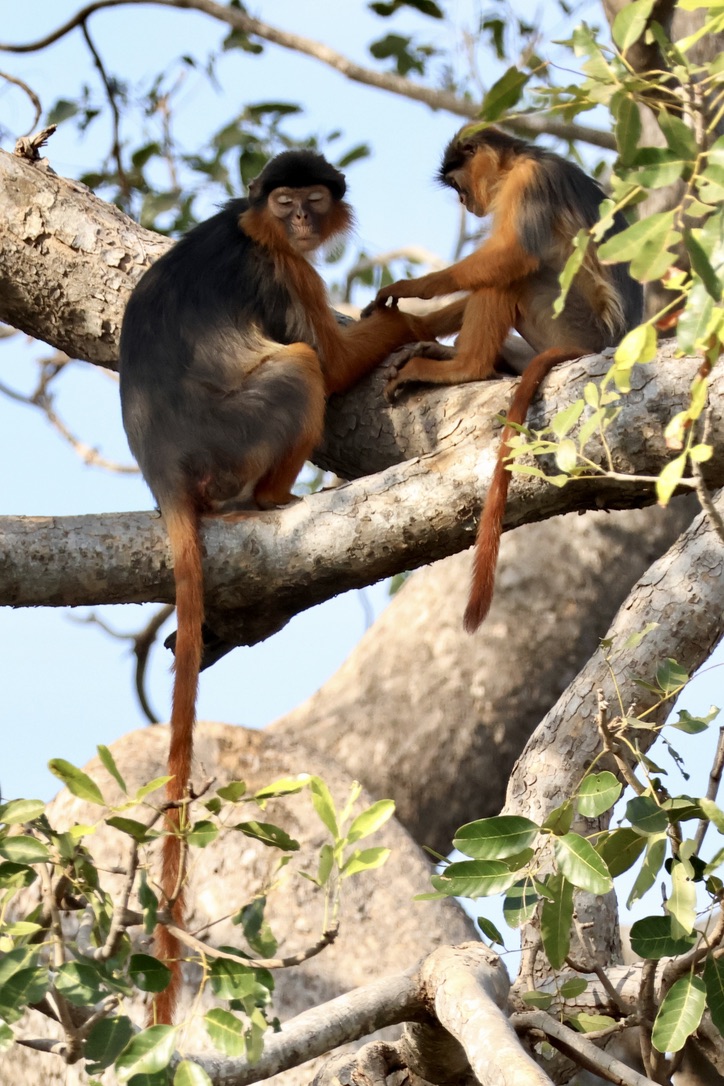
After a lunch of chicken yassa, we launched back onto the water. The afternoon’s sun was already losing its pinch as Owaru tillered around the first island. A critically endangered red colobus monkey, ethereally beautiful with its red cape, sallow complexion and hollow eyes, surveyed our progress from above.
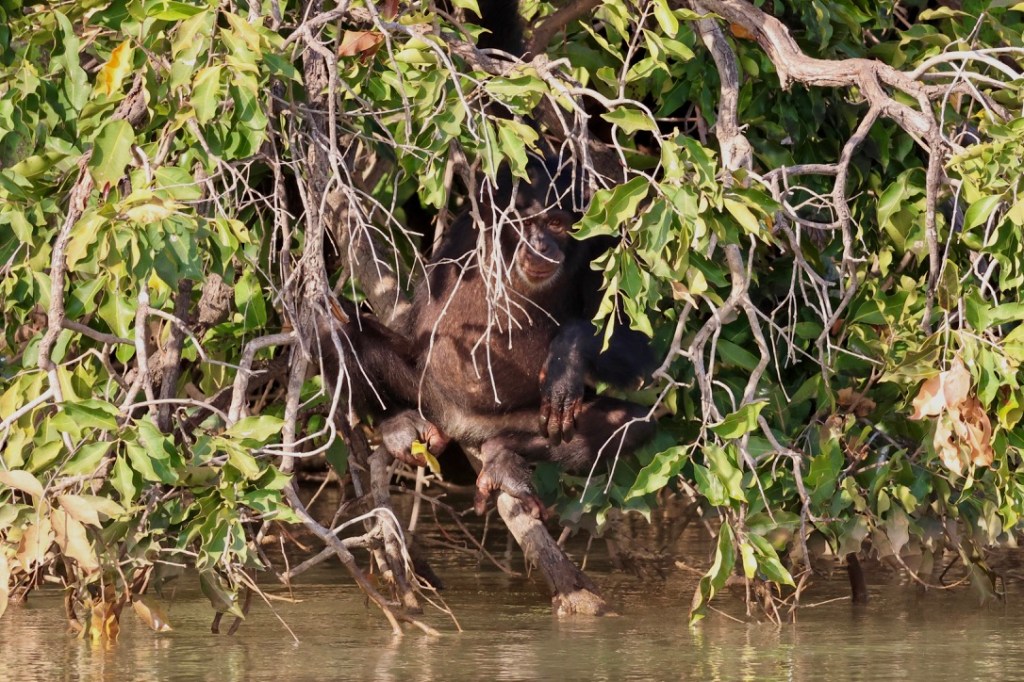
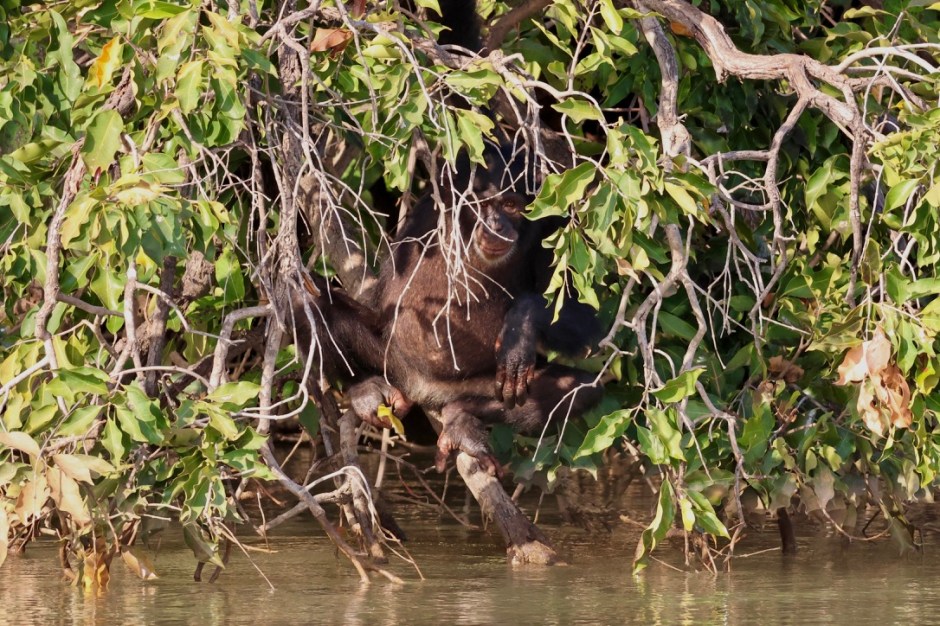
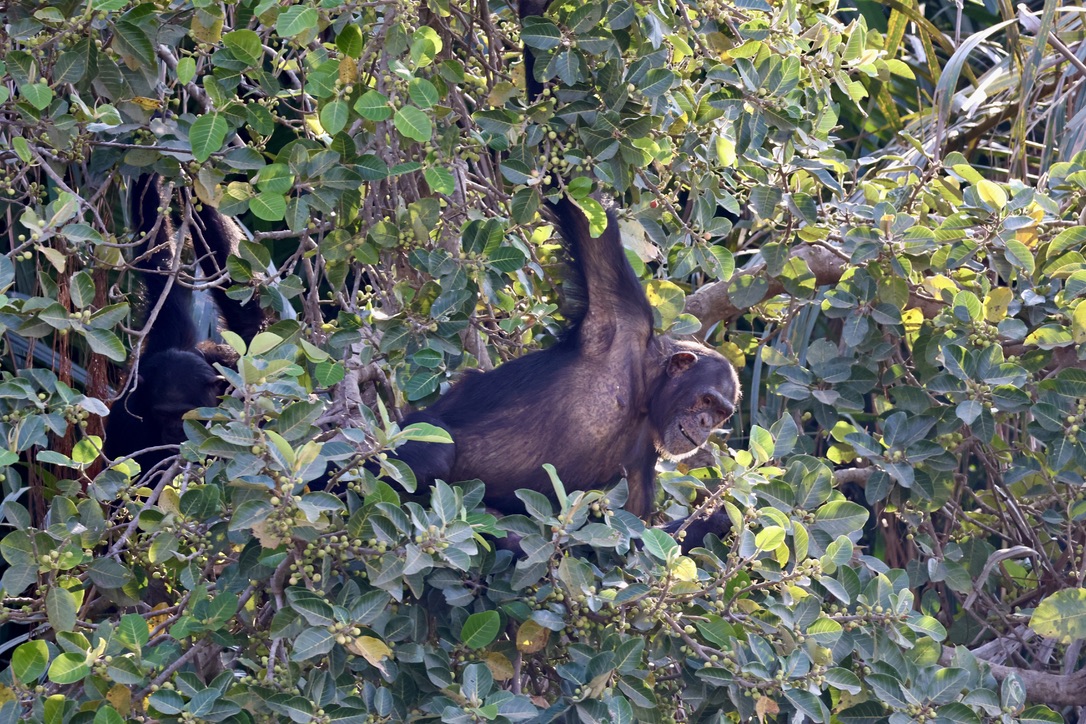
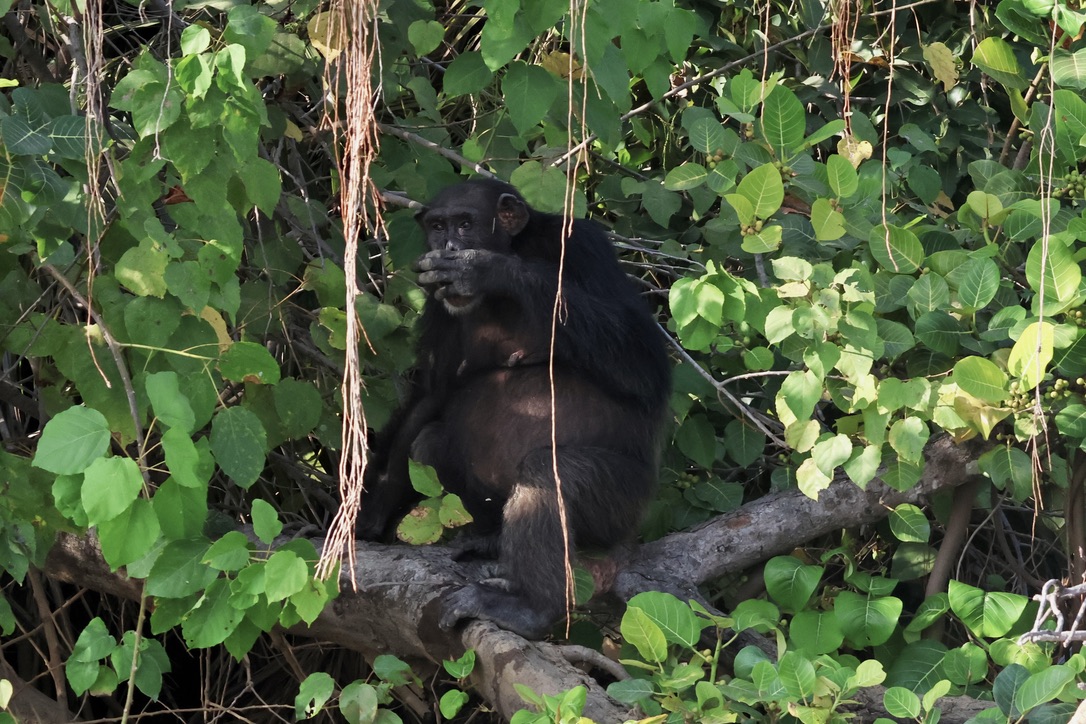
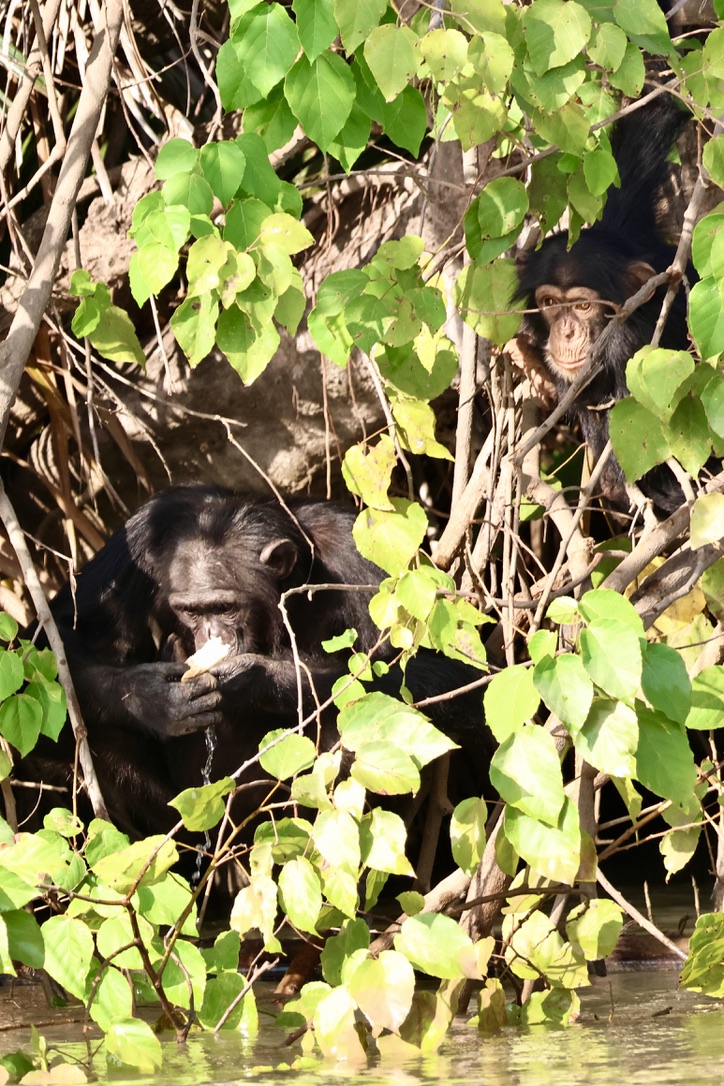
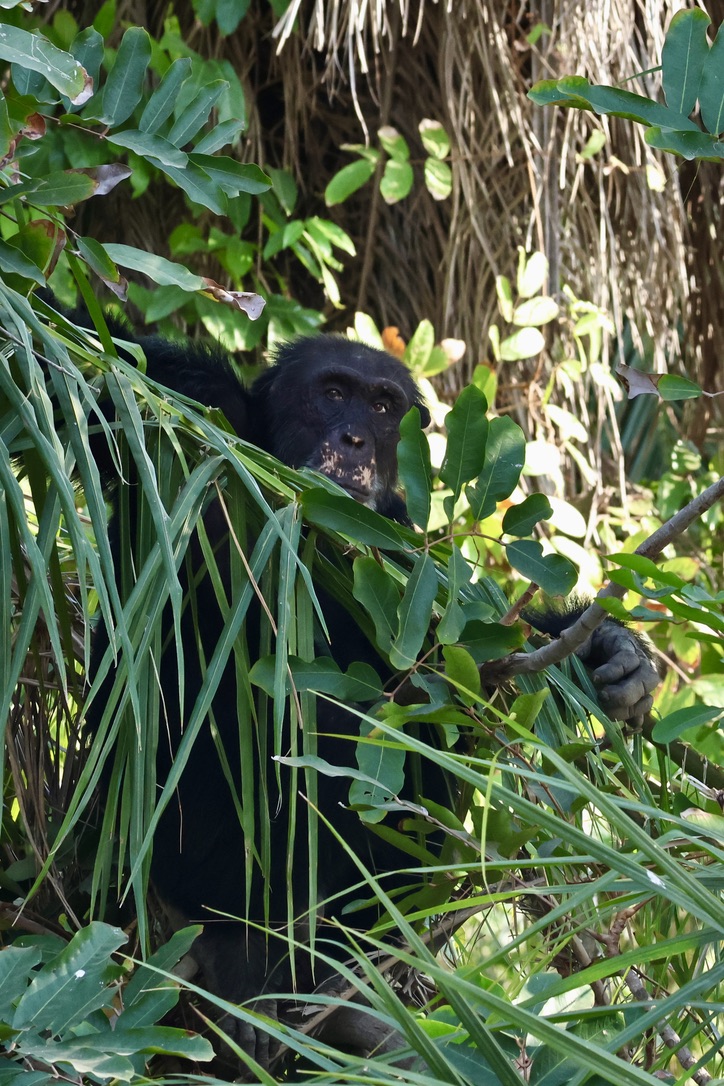
“Chimp!” I gasped, fumbling binoculars. A baby pulled leaves around its face while mum picked food from lower branches. Next, a large male hung out towards us, reaching for berries over the water. Owaru knew almost every single one of the fifteen apes we spotted by name. He was particularly fond of an old male saved from a circus, who approaches the waterside most evenings looking for an easy meal. As we exchanged a glance, there seemed to be something akin to human sorrow in his eyes.
As the chimpanzees dipped in and out of the light and shade of their forest, so my mood swung. First, as I experienced the joy of spotting another character before then hearing their rescue story. All with the same plot: Exploitation or injury at the hand of humans. The nuances across a broad spectrum; from outright malice and profiteering through to the simple fear of sharing habitat. Of course, there were also new faces amid the trees who were untarnished by history. Chimps born on the islands live well, while protected from harm.
In fact, the CRP’s biggest challenge is how to deal with its own success. Breeding continues on the islands and the growing troops are hugely territorial. Eventually they will outgrow their home.
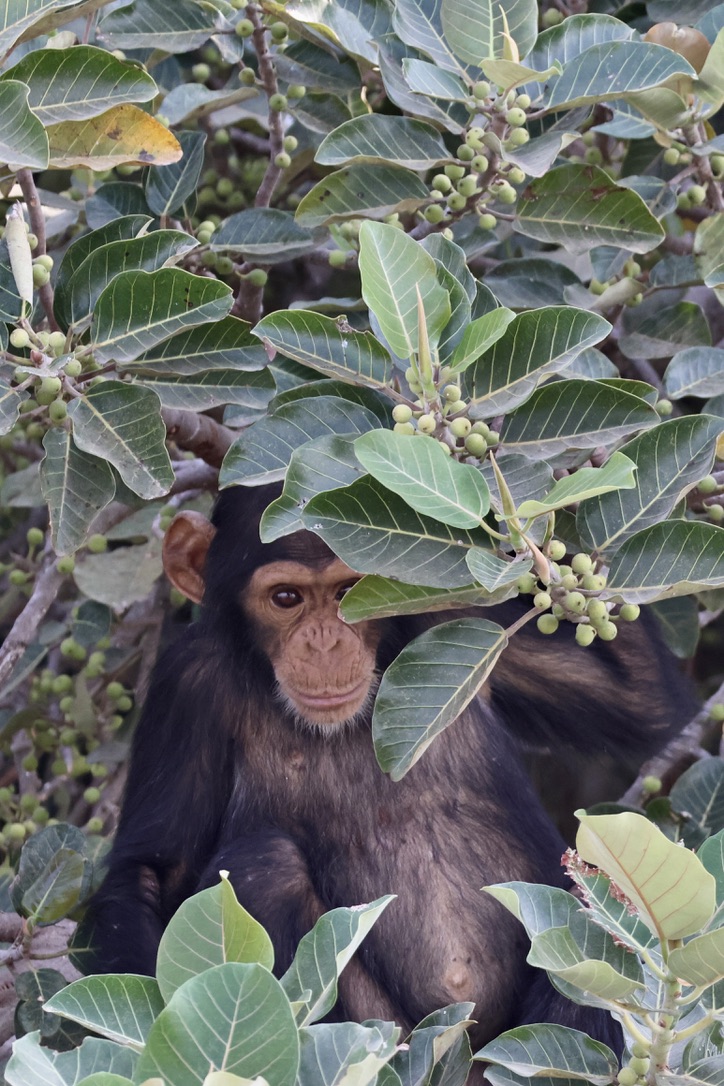
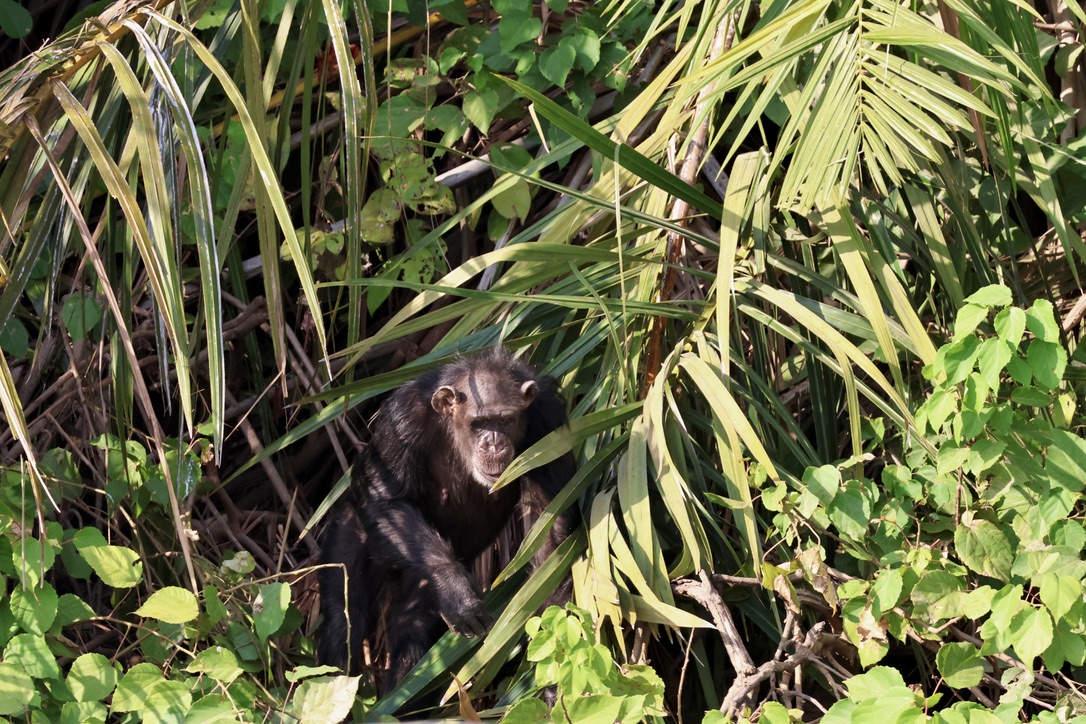
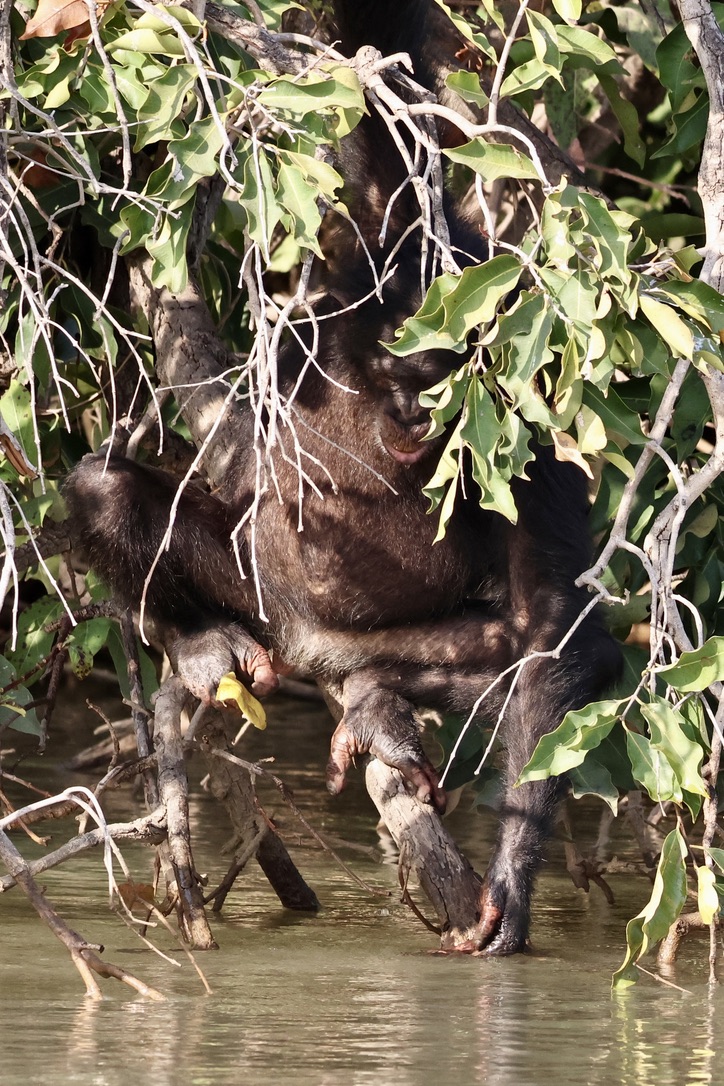
The Supporting Cast
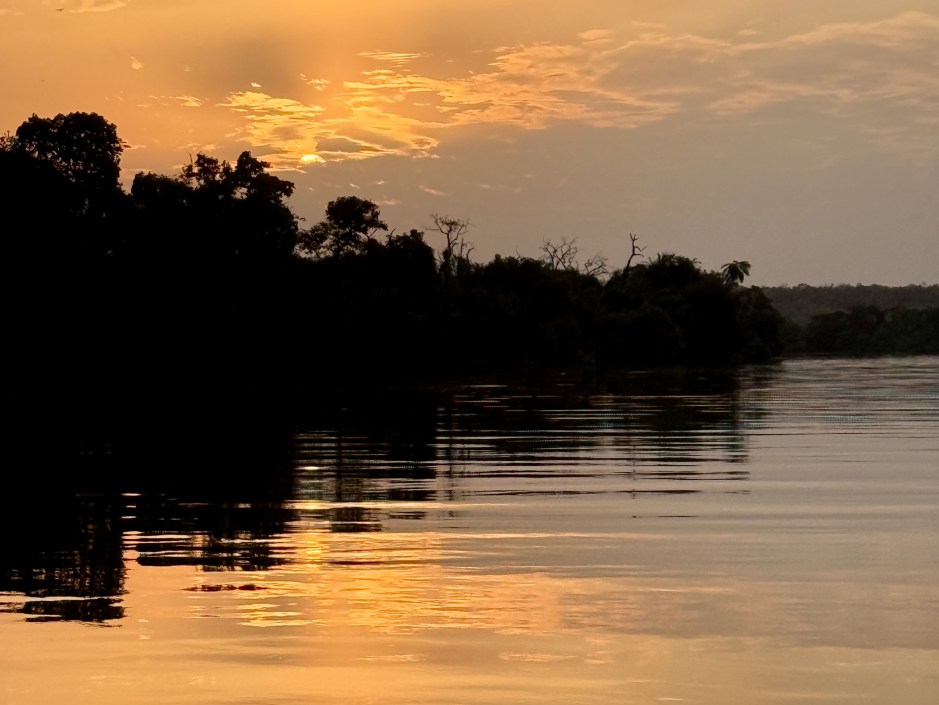
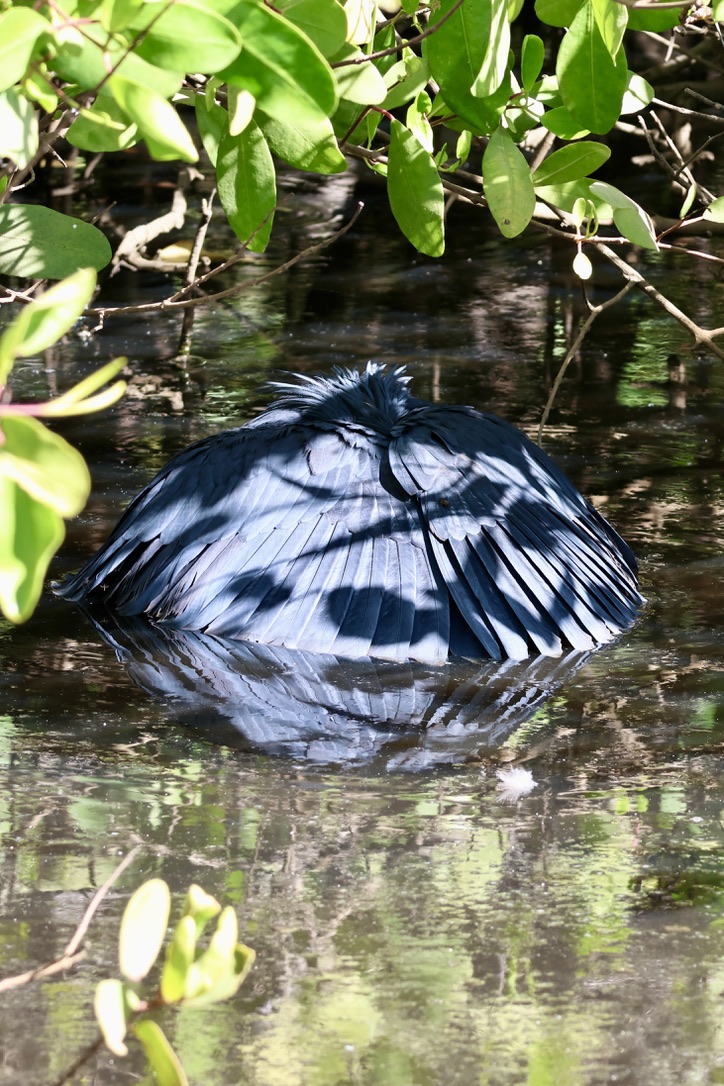
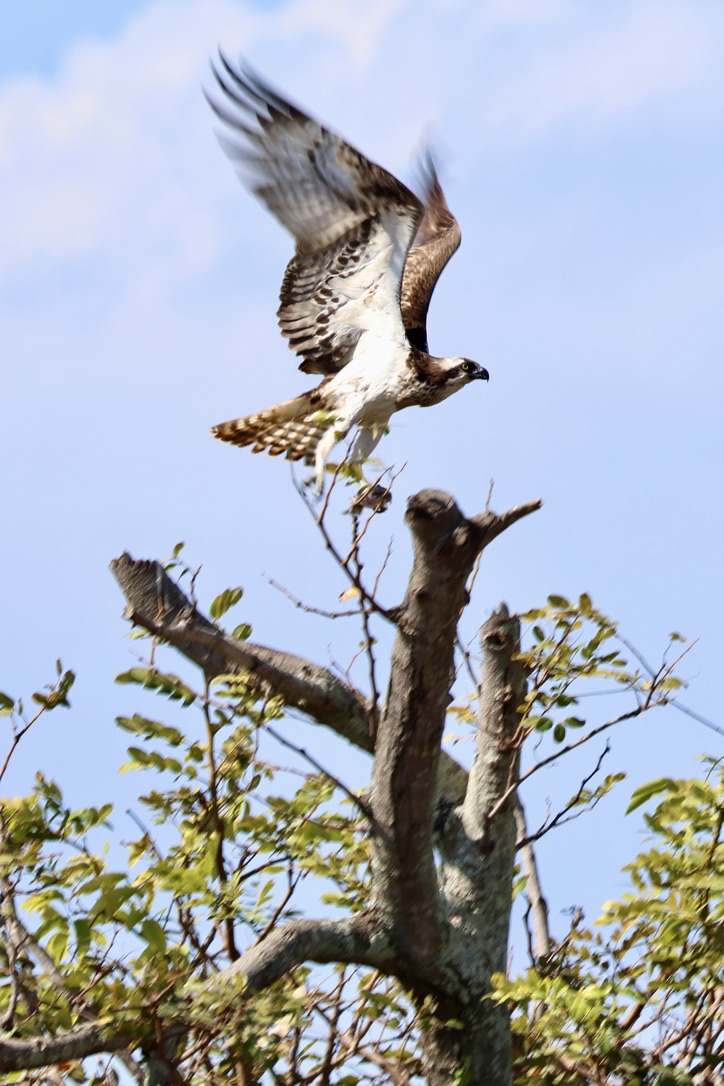
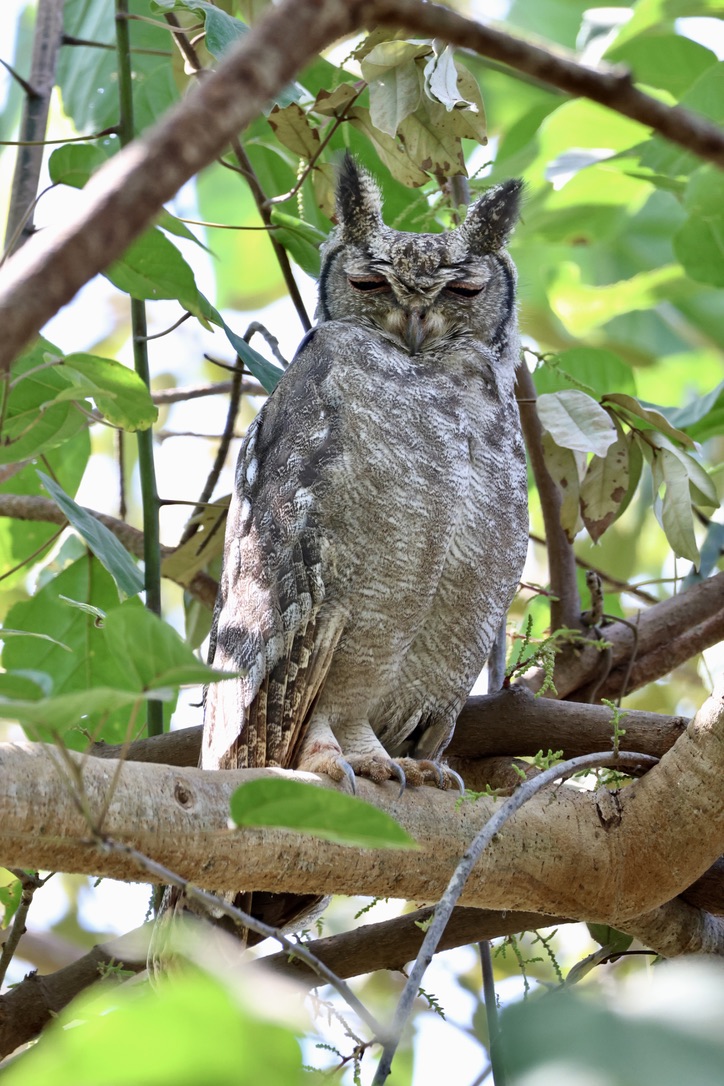
While chimps take a leading role at the CRP, River Gambia National Park is a dream wildlife destination. As a misty sunset performed against the oil-slick water I watched for three types of crocodile, hippos and over 250 species of bird. At dusk, the ape’s whoops grew louder as they settled to sleep. Hippos’ watery snuffles broke the increasing darkness and egrets made V-shapes across a deep purple sky. Dinner was candle-lit and a solar powered lantern guided me up the steep path through dancing tree shadows to bed.
After a night of bright stars, mysterious howls and a six o’clock alarm call from a stone partridge running across my tent roof, I watched darkness slowly bleach into daytime with large sips of flask coffee.
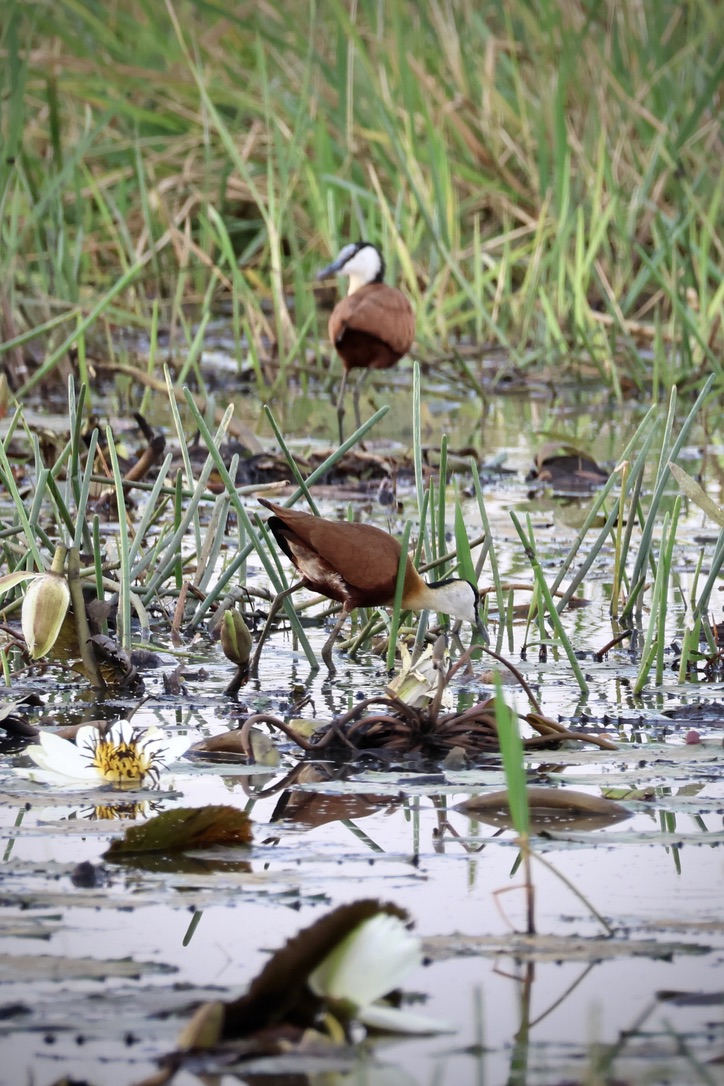
A dawn bush walk with Owaru was my final treat. A large troop of grey baboons scurried away from us as we walked. More red colobus monkeys played in the trees around our heads and a Senegal Parrot sat aloft against the white sky. As we approached a glistening marshland, hundreds of African Jacana’s foraged and chirruped in the early light.
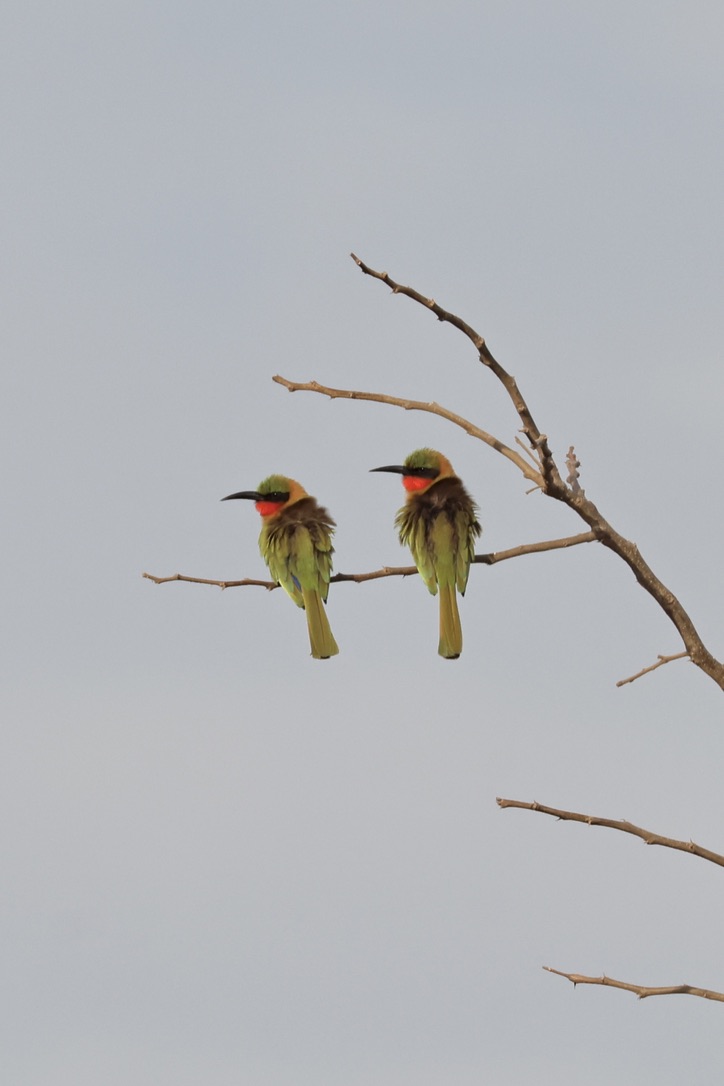
“We have to show people. If they experience it, they care. And if they care they will help us protect it.” Owaru’s wise words spilled into the watery world around us. A pair of nearby red-throated bee-eaters systematically flicked wasps into their beaks, their colours brightening with each second as the sun crawled upwards.