On a stretch of Norfolk’s wild coast I place one boot in front of the other in total darkness. Part of a silent, pre-dawn pilgrimage of more than two hundred people marching towards mudflats in the hope of seeing something sensational.
It’s a chilly October morning. The markers of sky and ocean threaten purple as the first traces of daylight create bright silver lines of lapping shoreline. The tide is rising. I brace against a blustery wind not loud enough to drown out a very distinct sound. Through a cloak of navy shadows the wibbles and churls of hundreds of thousands of wading birds are unmistakable. At moments a mellow backdrop to our procession then, on occasion, a deafening climax of calls and shrills broken and tossed around by the boisterous honks of geese.
Every year on specific dates around the Autumn and Spring equinoxes, Snettisham plays host to one of wildlife’s great wonders. Beautiful facets of the natural world combine: The extreme speed of a rising estuary tide; the migration of bird species south from their Artic breeding grounds; the plentiful food sources of the UK’s shorelines; and lastly, the ever changing times of dawn as summer becomes winter and winter becomes spring.
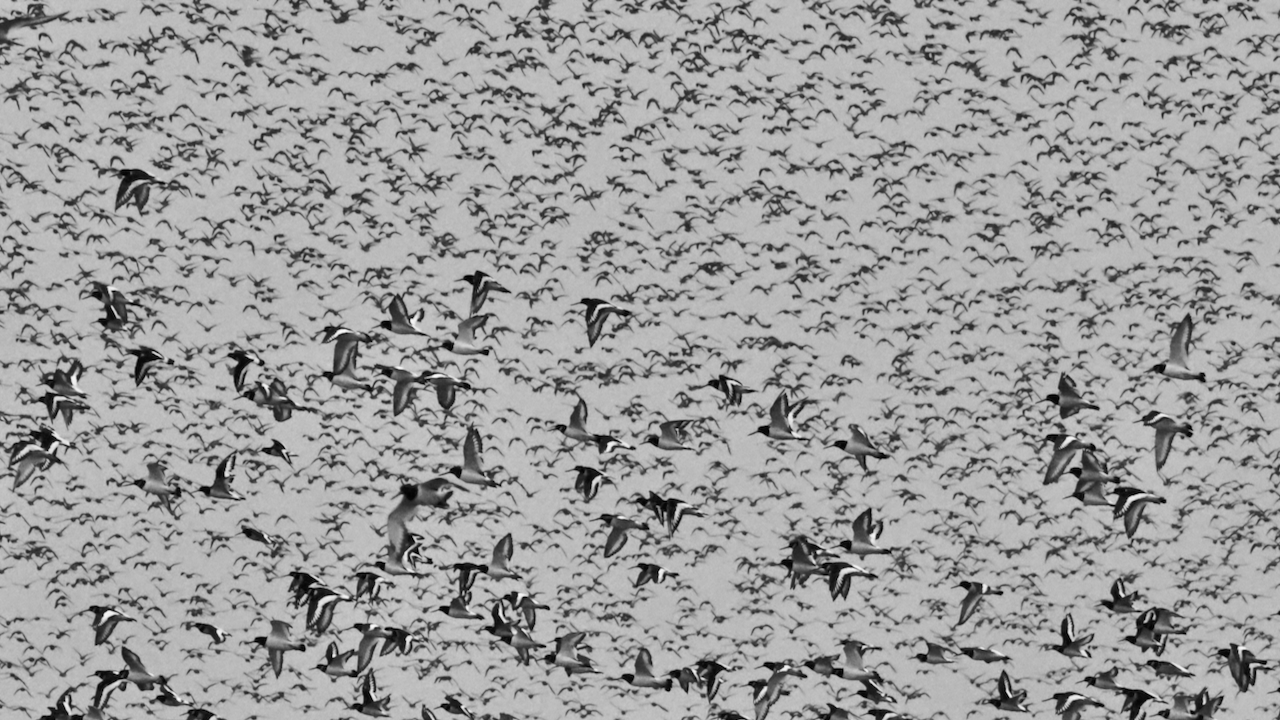
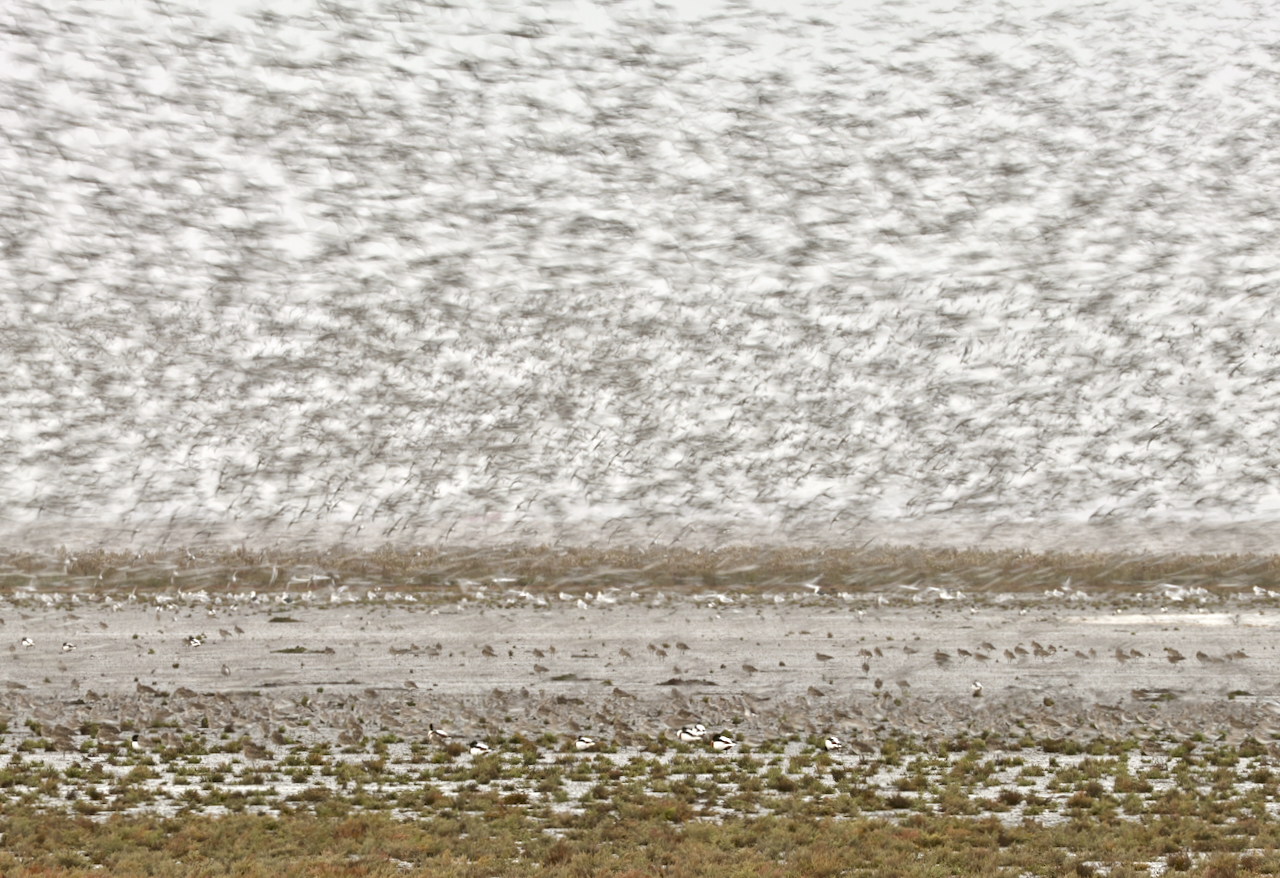
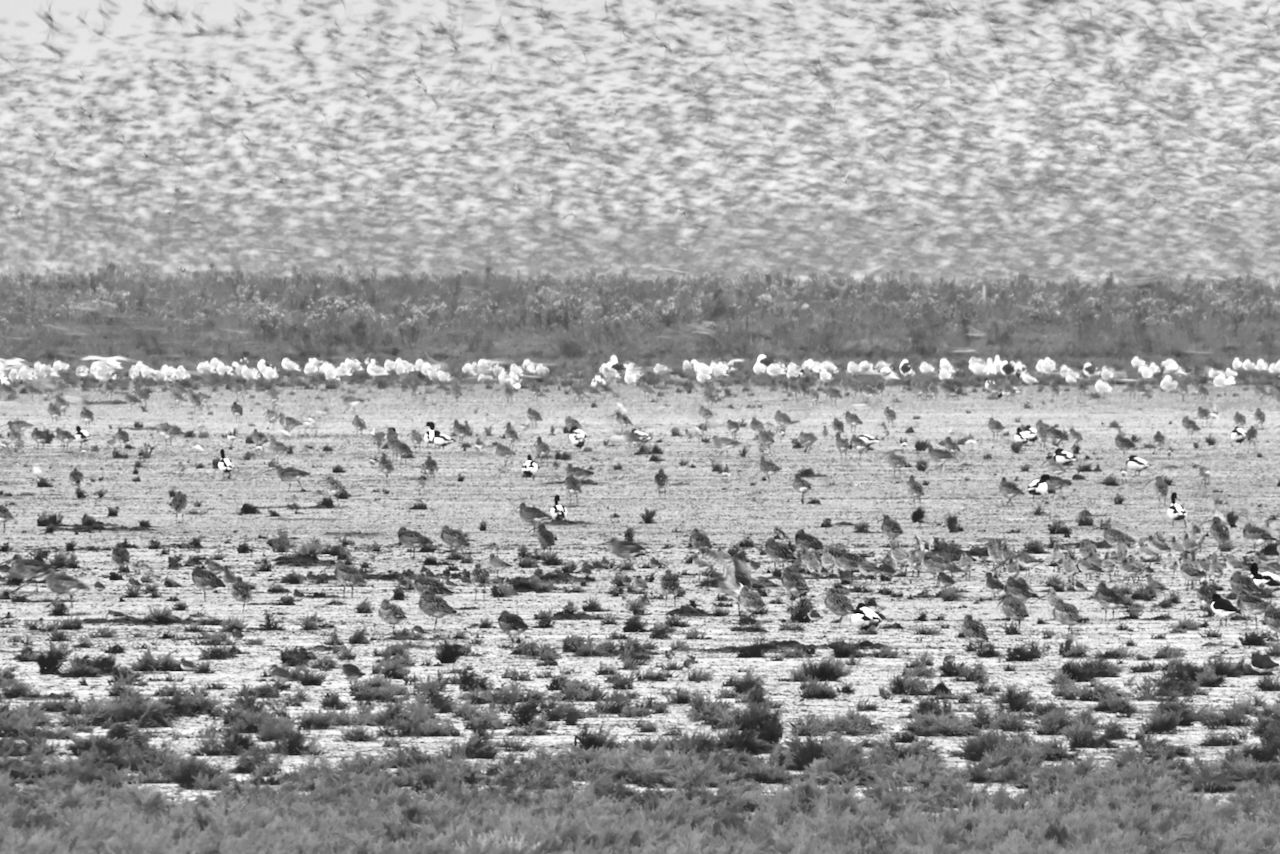
The result? A rapidly shifting shoreline that throws thousands of wading birds into the air at once. Red Knot, Oyster Catchers, Black and Bar-tailed Godwits, Sanderlings, Curlews, Lapwing and many more. They fly in unison, forging swirling shapes across the dawn skies at Snettisham for hours. Moments that are known as The Snettisham Spectacular.
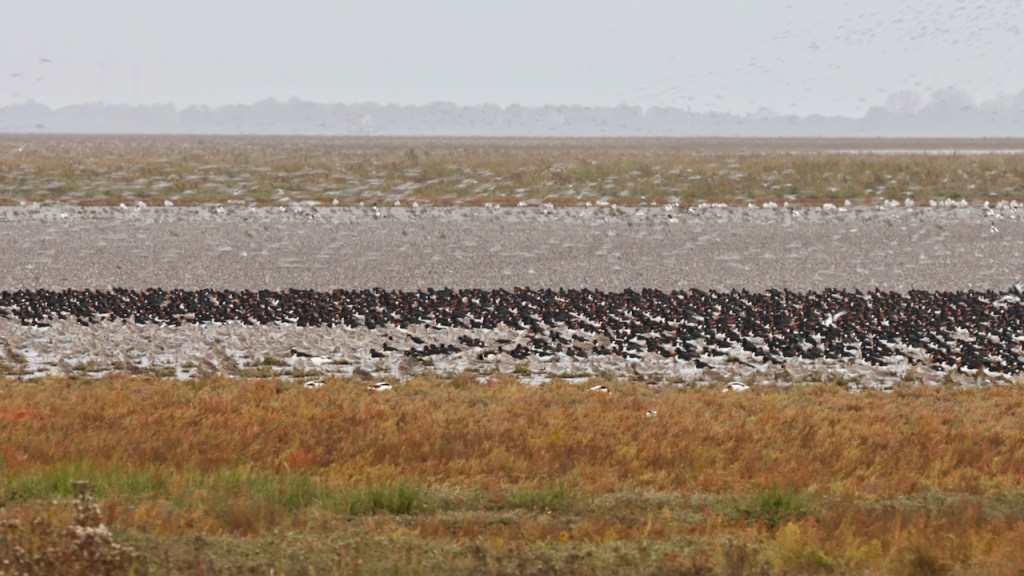
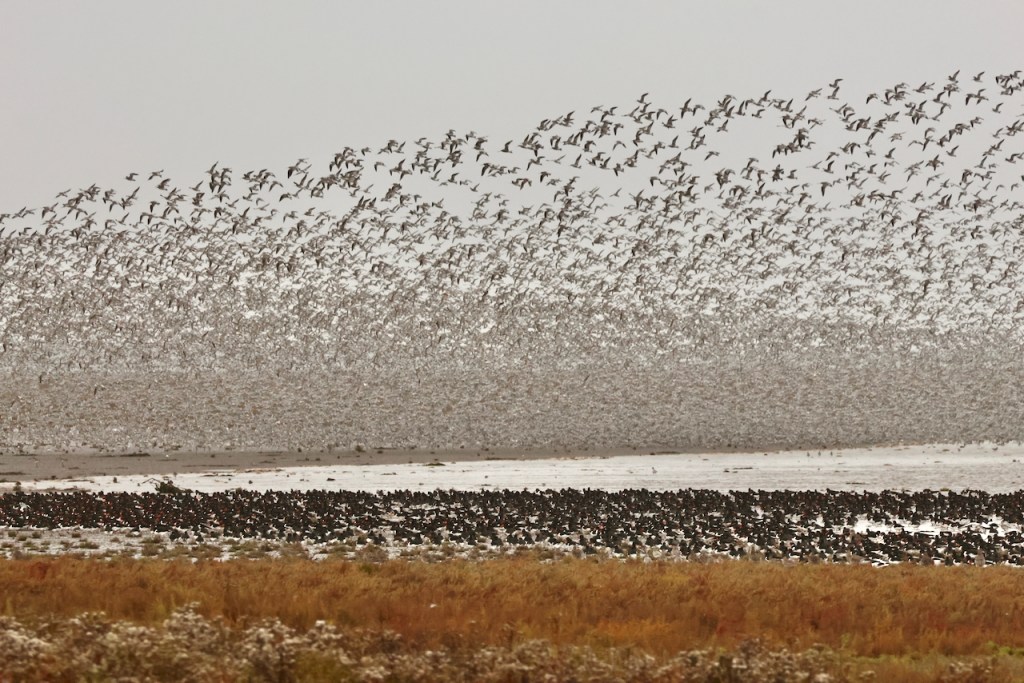
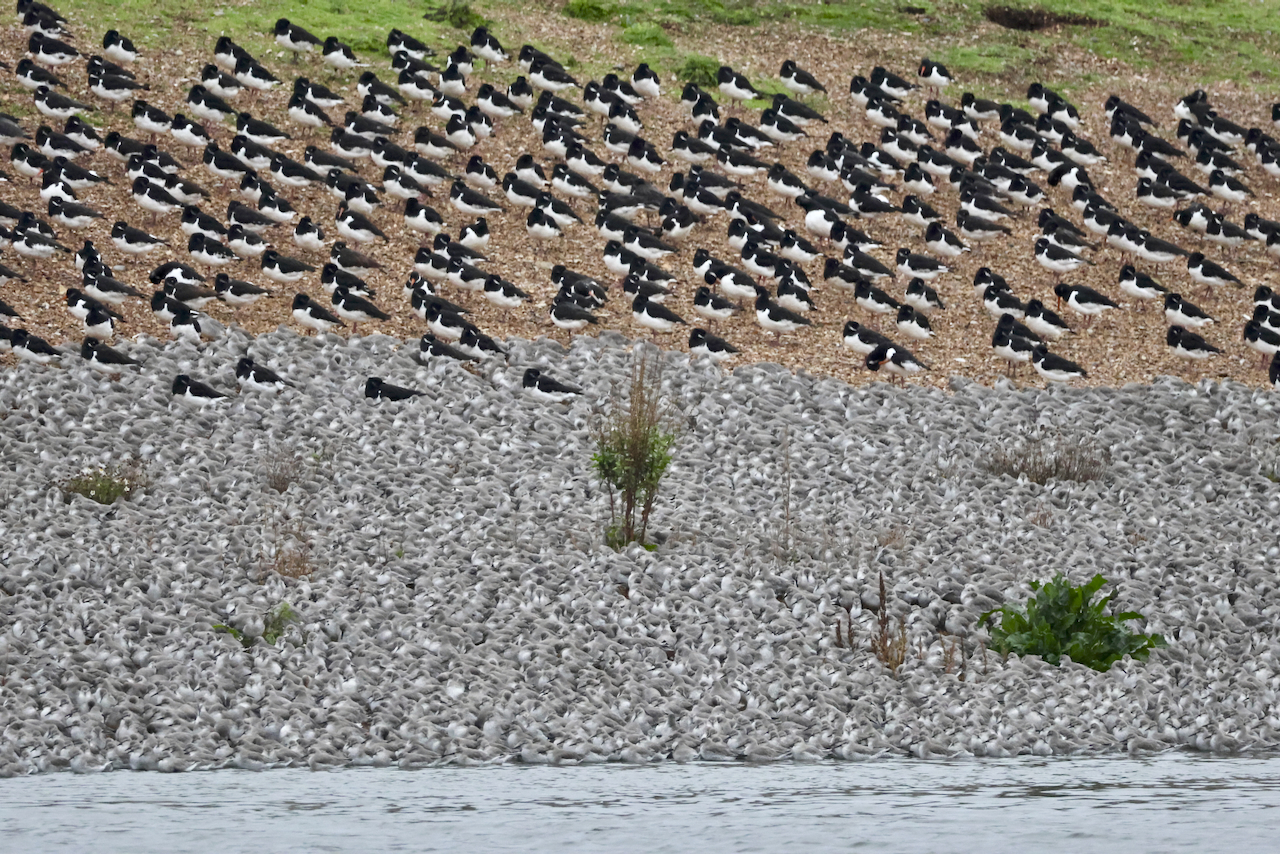
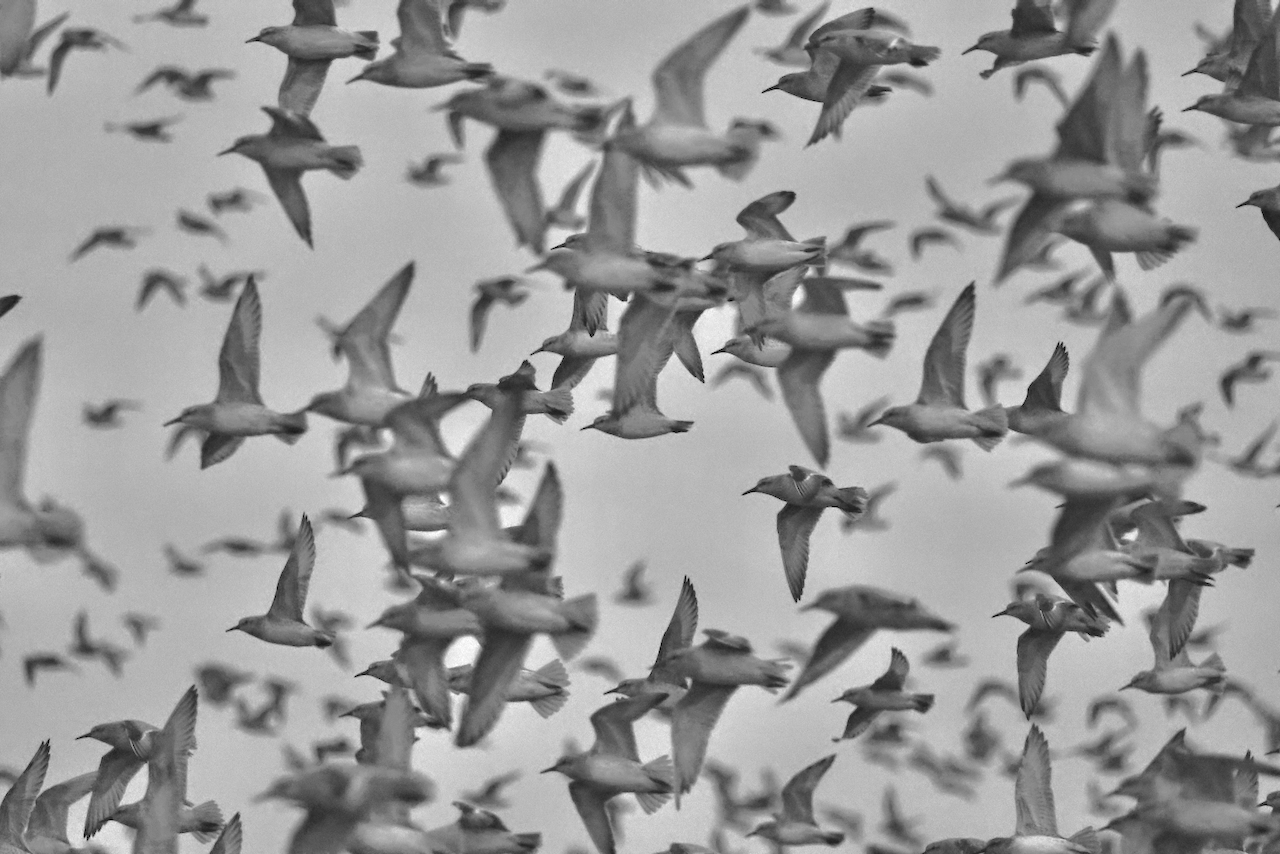
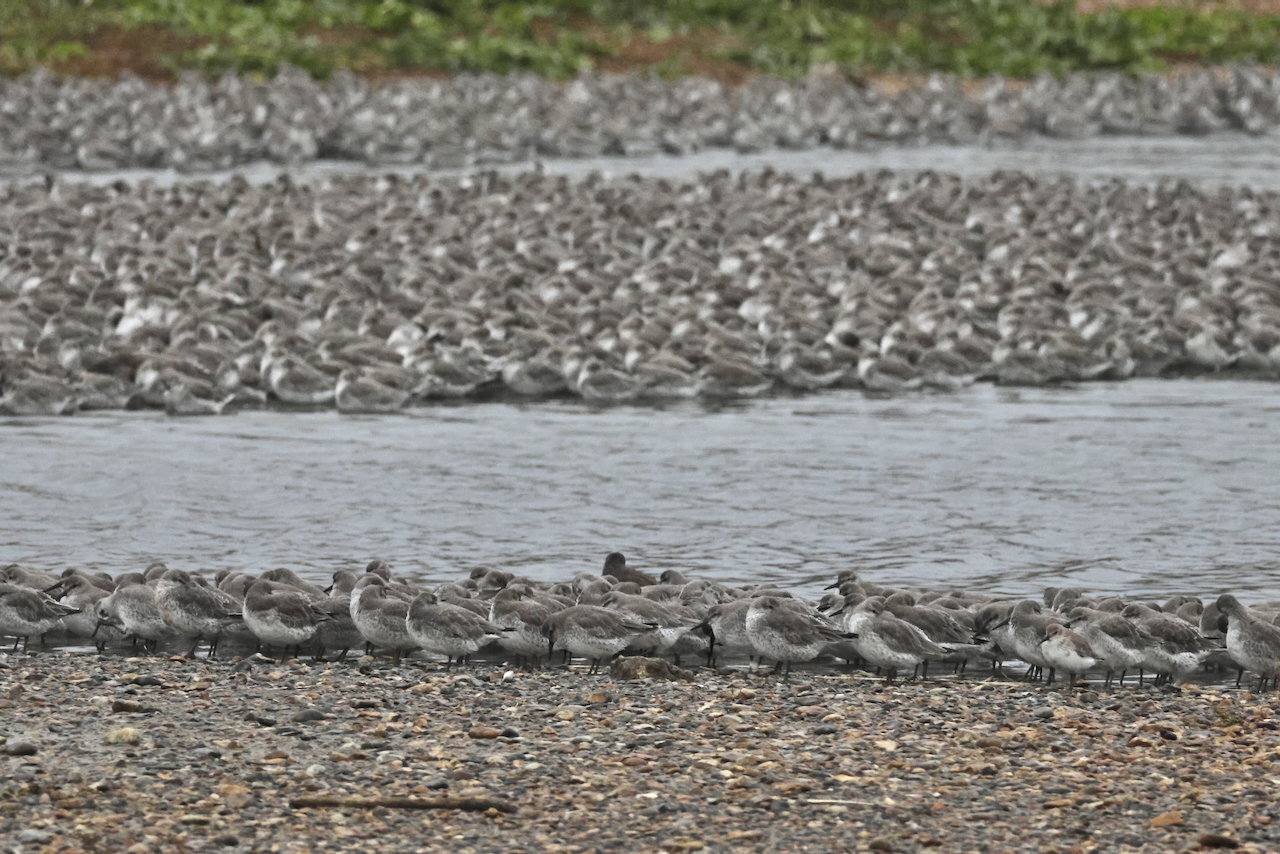
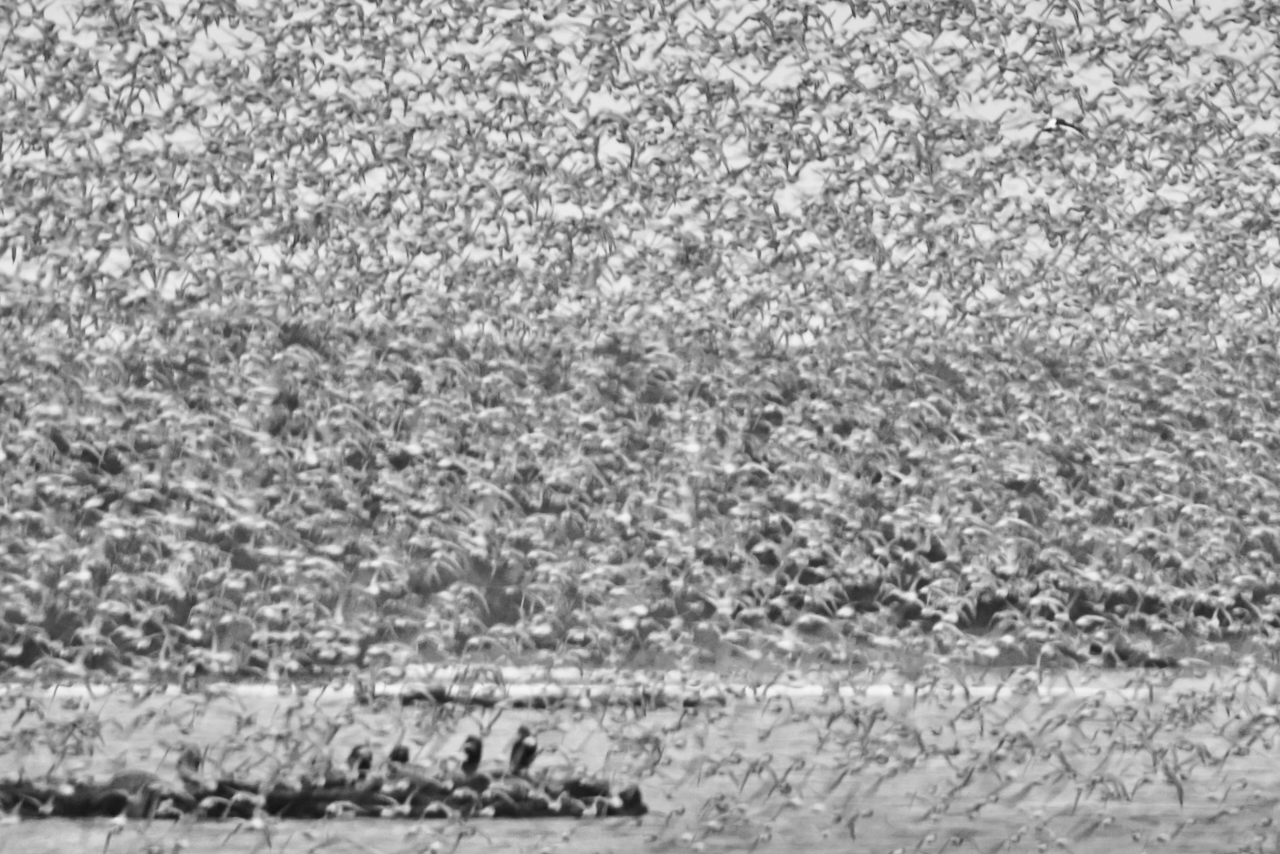
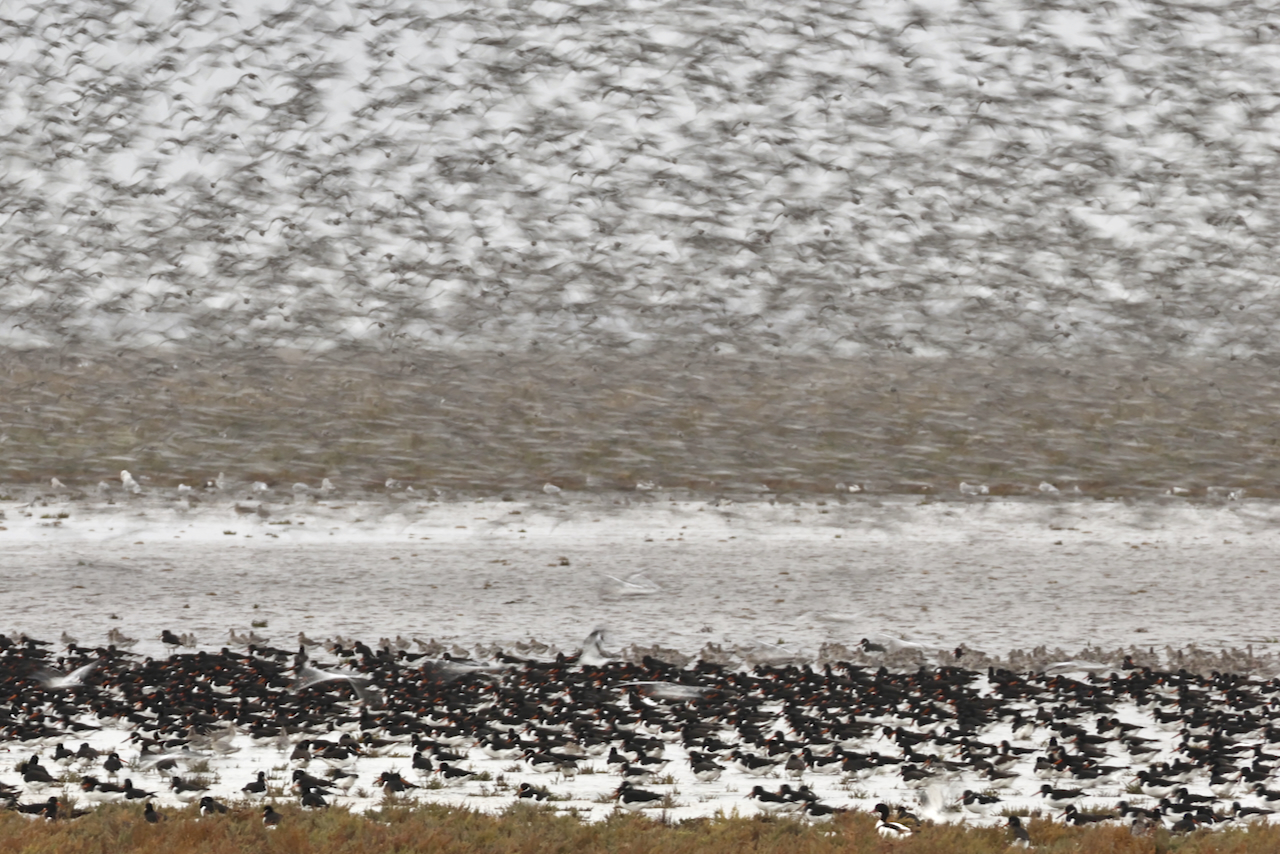
Red Knot, a stunning medium sized wader that breeds on the Artic tundra is generally considered to be the star of the show. These photos show the knot’s size and shape relative to more well known oyster catchers as well as a closer view of their feathers. In Autumn the knot show their winter plumage; A neat grey and white compared to the salmon pink of their breeding colours.
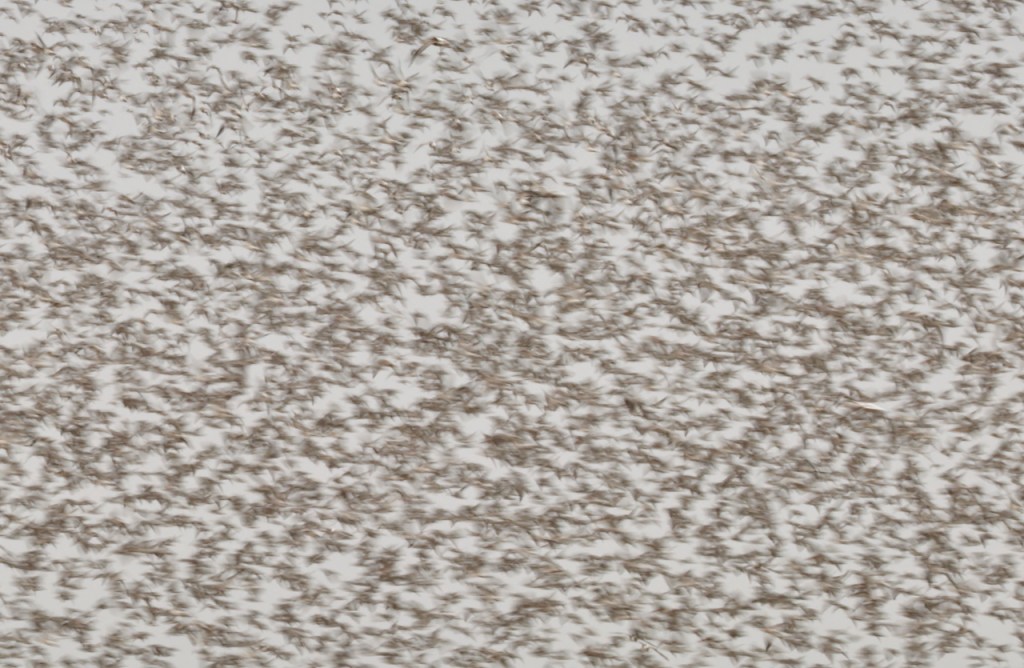
My experience of The Spectacular went beyond my imagination. The noise, the sheer volume of birds in the air and the sense of companionship from others gasping with me was fantastic enough. Although above all of this, I was astounded by the continual sense of natural motion around me. The sea encroaching onto land without mercy, the patterns that different bird species made as they were flushed upwards and the constant swirling of waders jostling for position is something I’ll never forget.
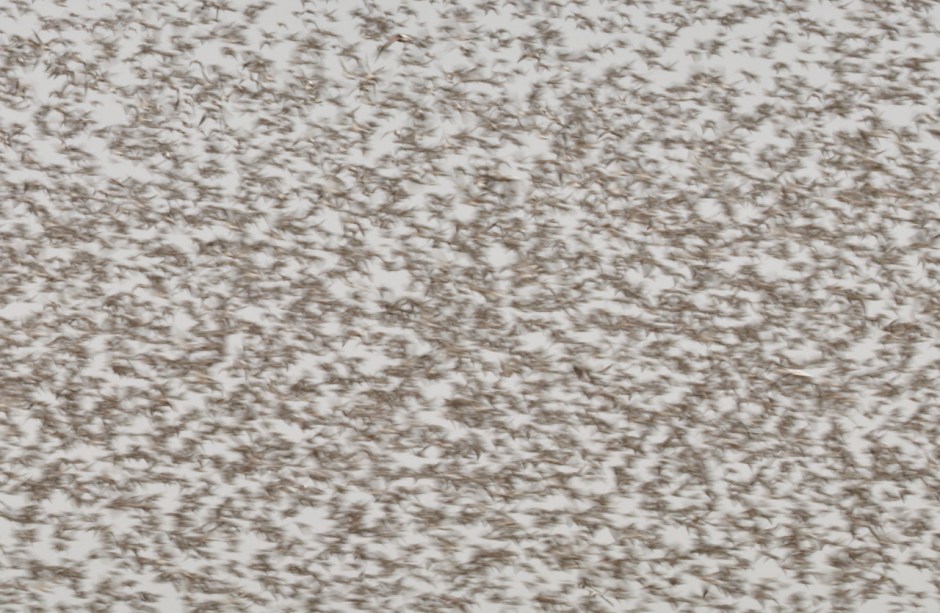
It was more important to me to capture this movement rather than achieve exact identification of each animal. I slowed my camera’s shutter speed and slowed myself, as the knots swelled again ready for their encore.