Most of us are aware of Japan’s unmistakable aesthetic before we arrive. By embracing its most famous haunts we become part of the postcard.
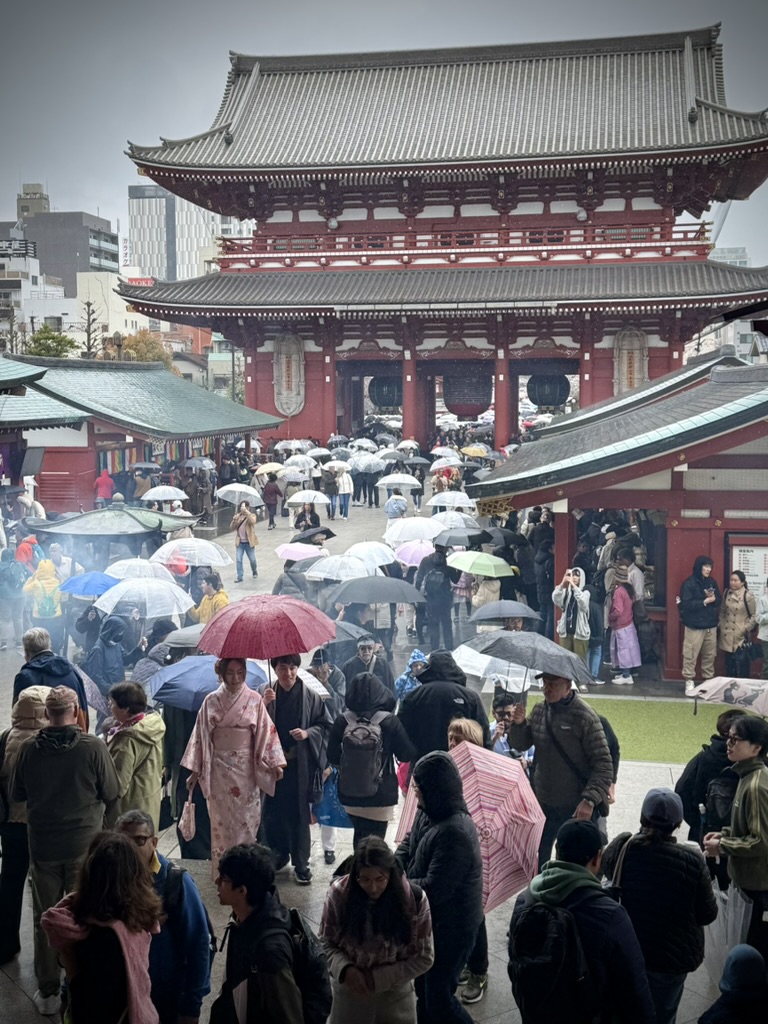
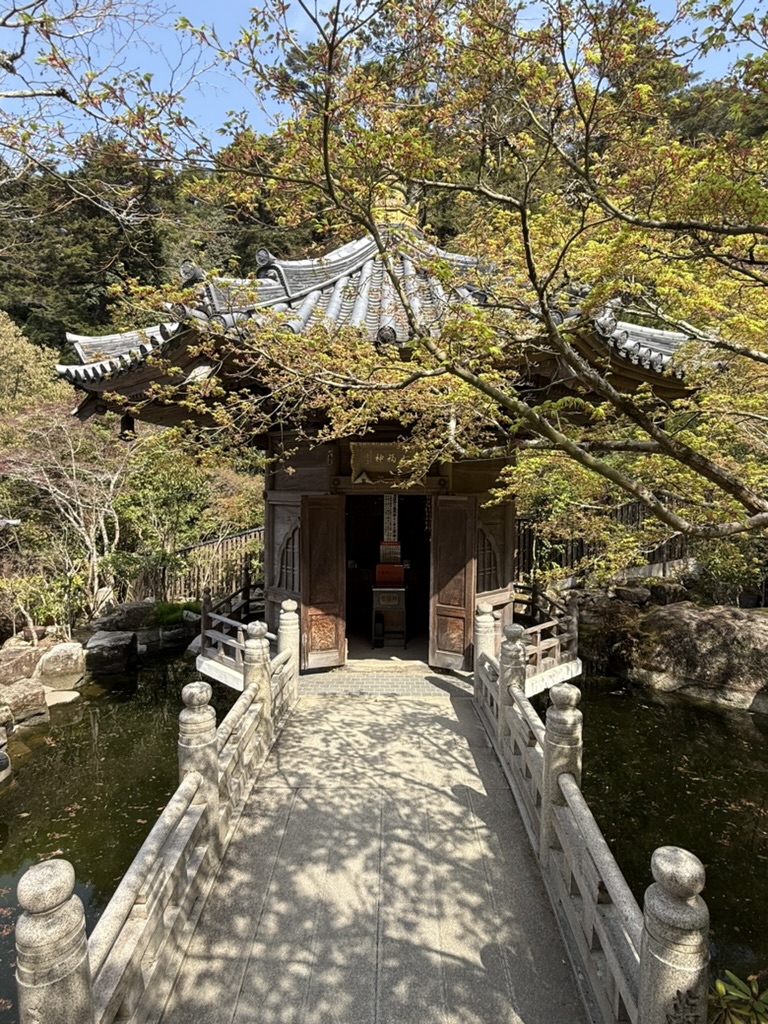
If you’re beamed down into any part of Japan’s mainland it’s instantly recognisable. The bold reds and sharp monotones of its urban alleyways. Each one a tentacle slipping expertly through garish billboards and titanic shards of skyscraper glass. The bronzes and greens of its tranquil temples and palaces, each iteration identical as they rise from the rubble of natural disasters complete with water features and bamboo gardens. Its quintessential kitsch everywhere you turn, from Betty Boop signs to giant electronic cats and all manner of anime poster-chic in between.
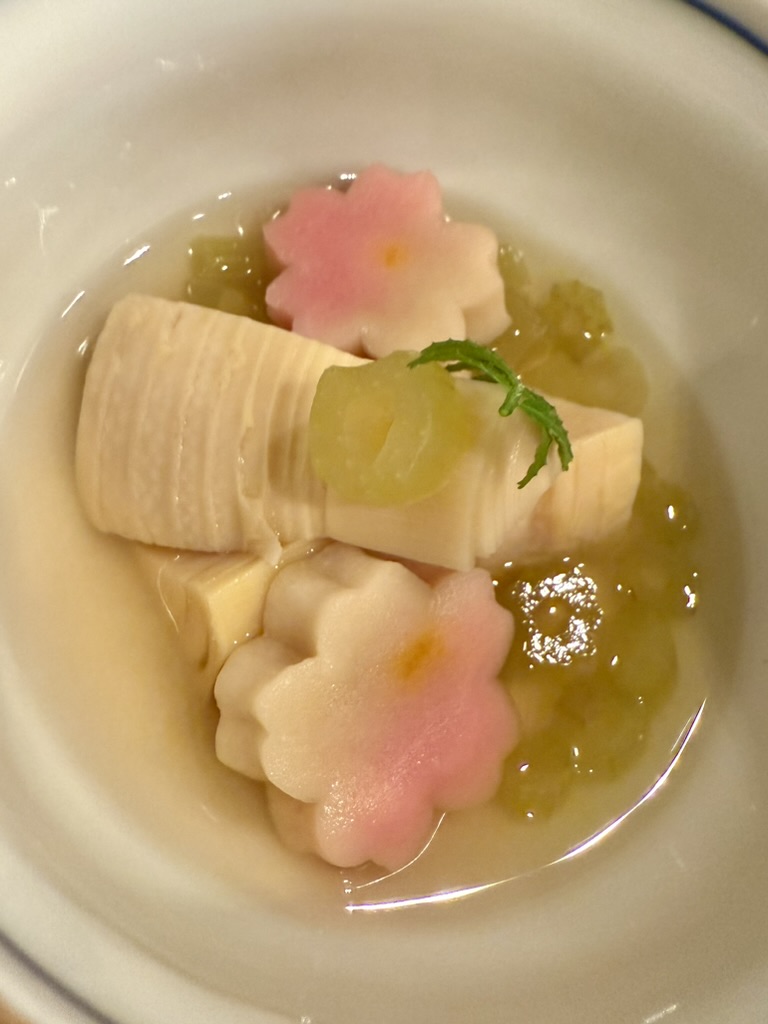
Even the food is undeniably Japanese. From the bright greens of mochi and matcha to convenience store strawberries the size of your fist. Every moment here is a snapshot from social media that you may well have caught before.
Where does a first time visitor start?
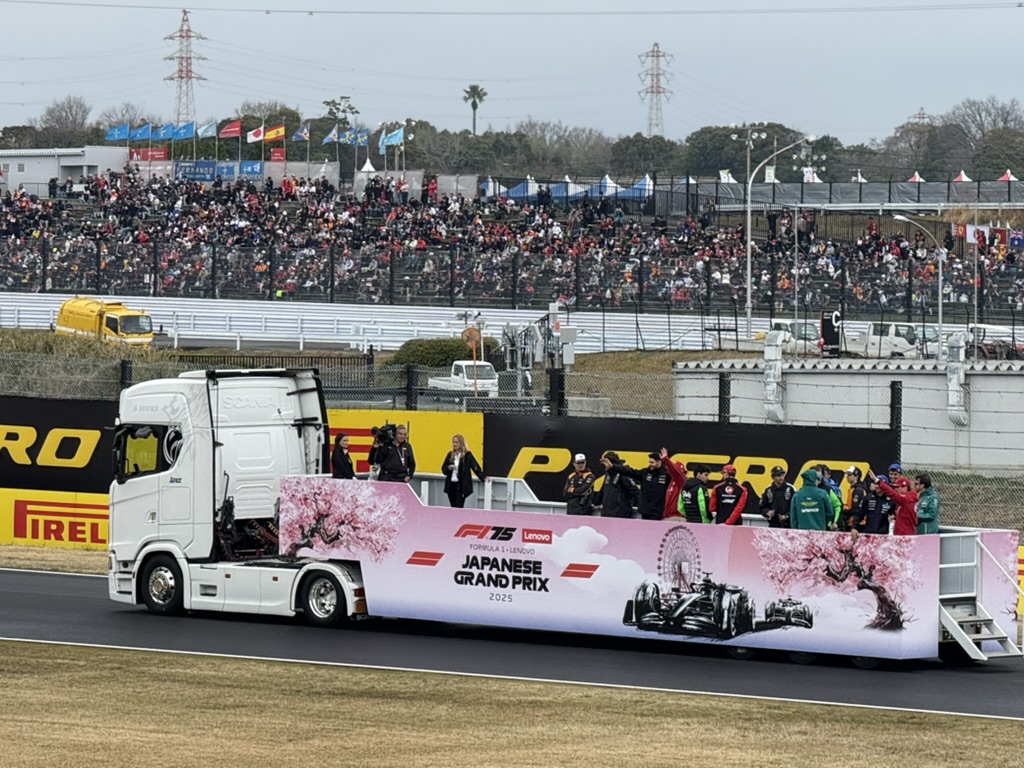
I chose to trace a teardrop around Japan’s main island, Honshu. Starting in Tokyo and moving south at pace on the Shinkansen to Hiroshima via Nagoya for a brief but frenetic Formula One pit stop. Before tracking back up the west coast, spending time in Kyoto and Japan’s alpine region, returning to Tokyo almost two weeks later.
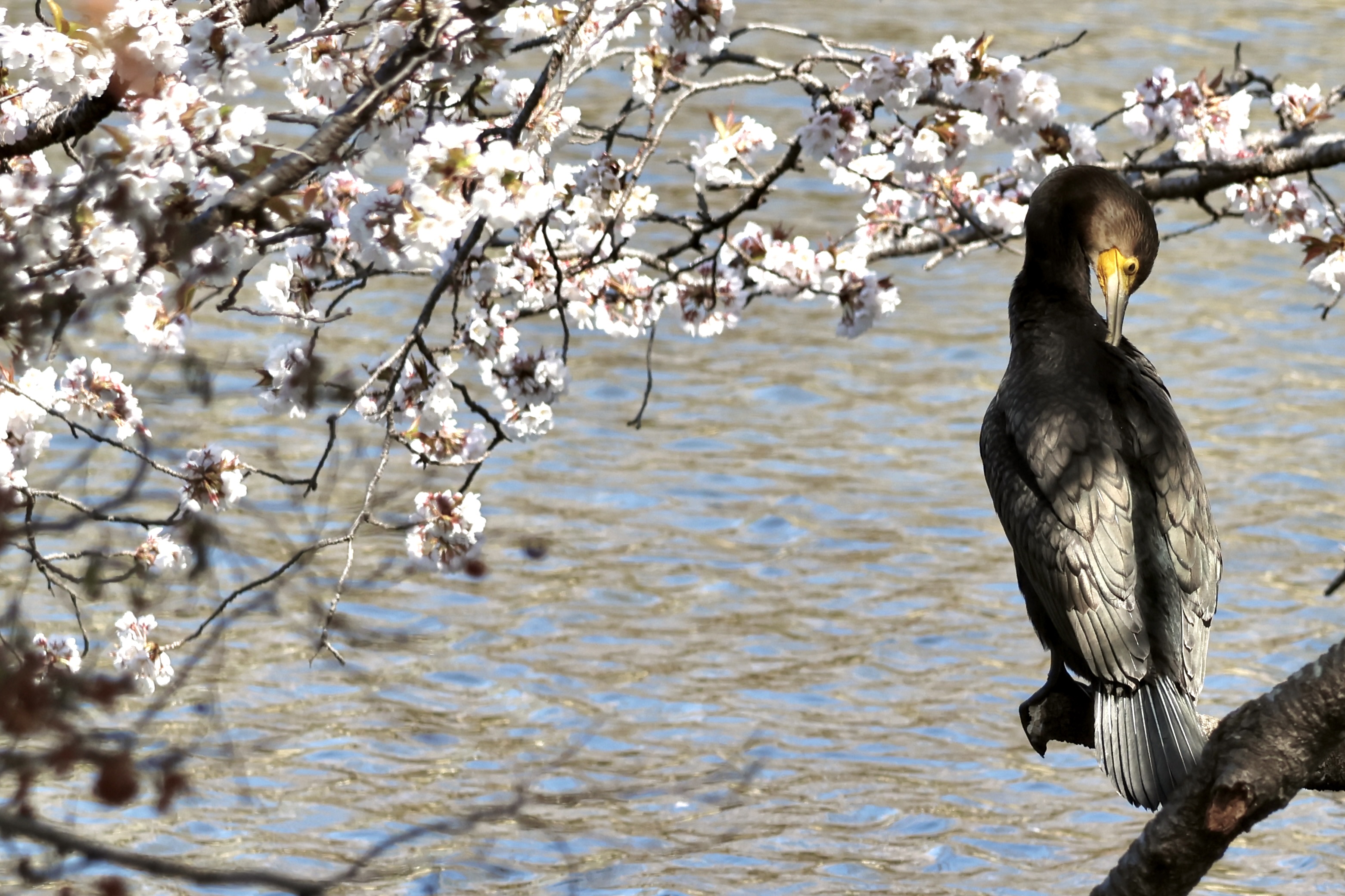
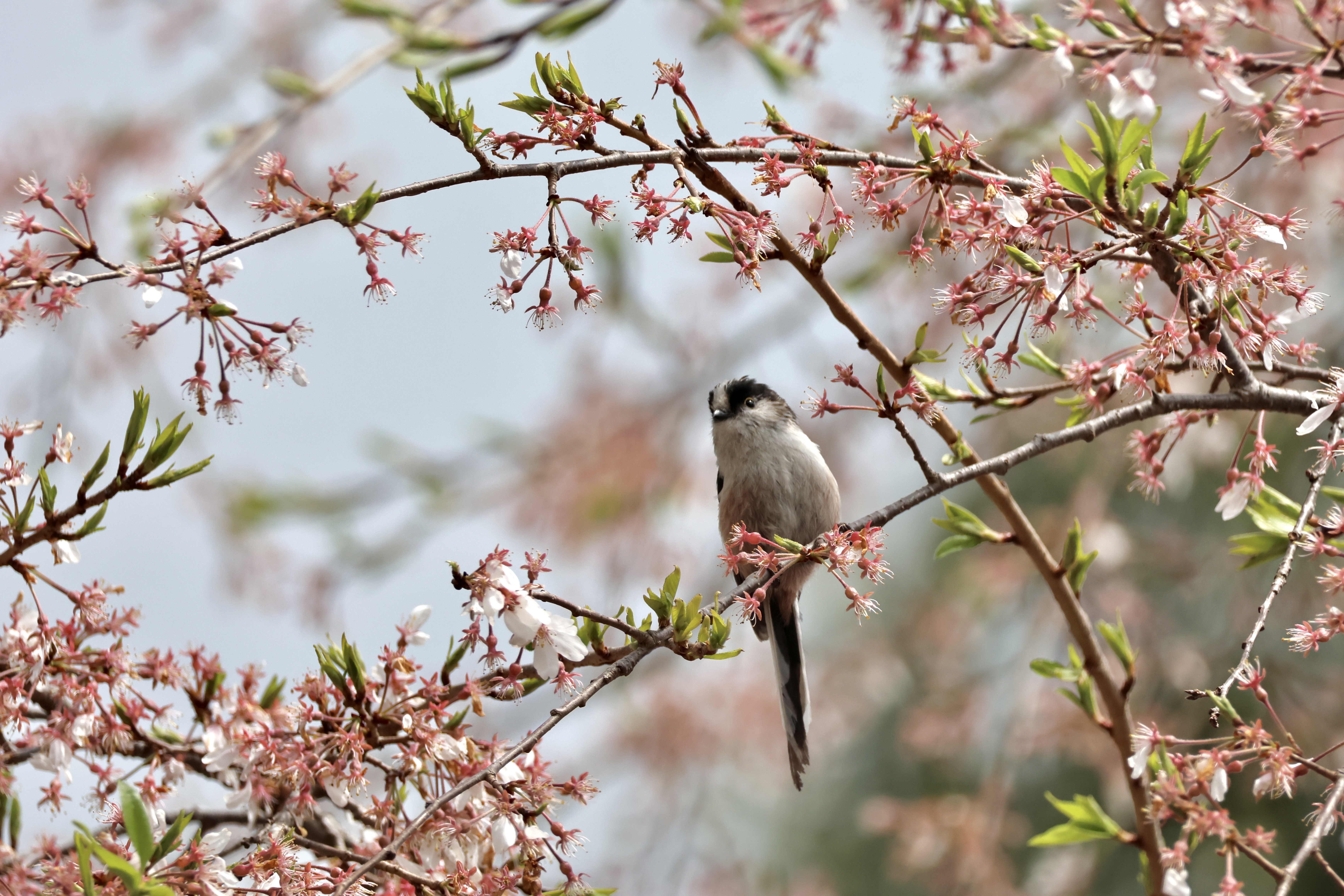
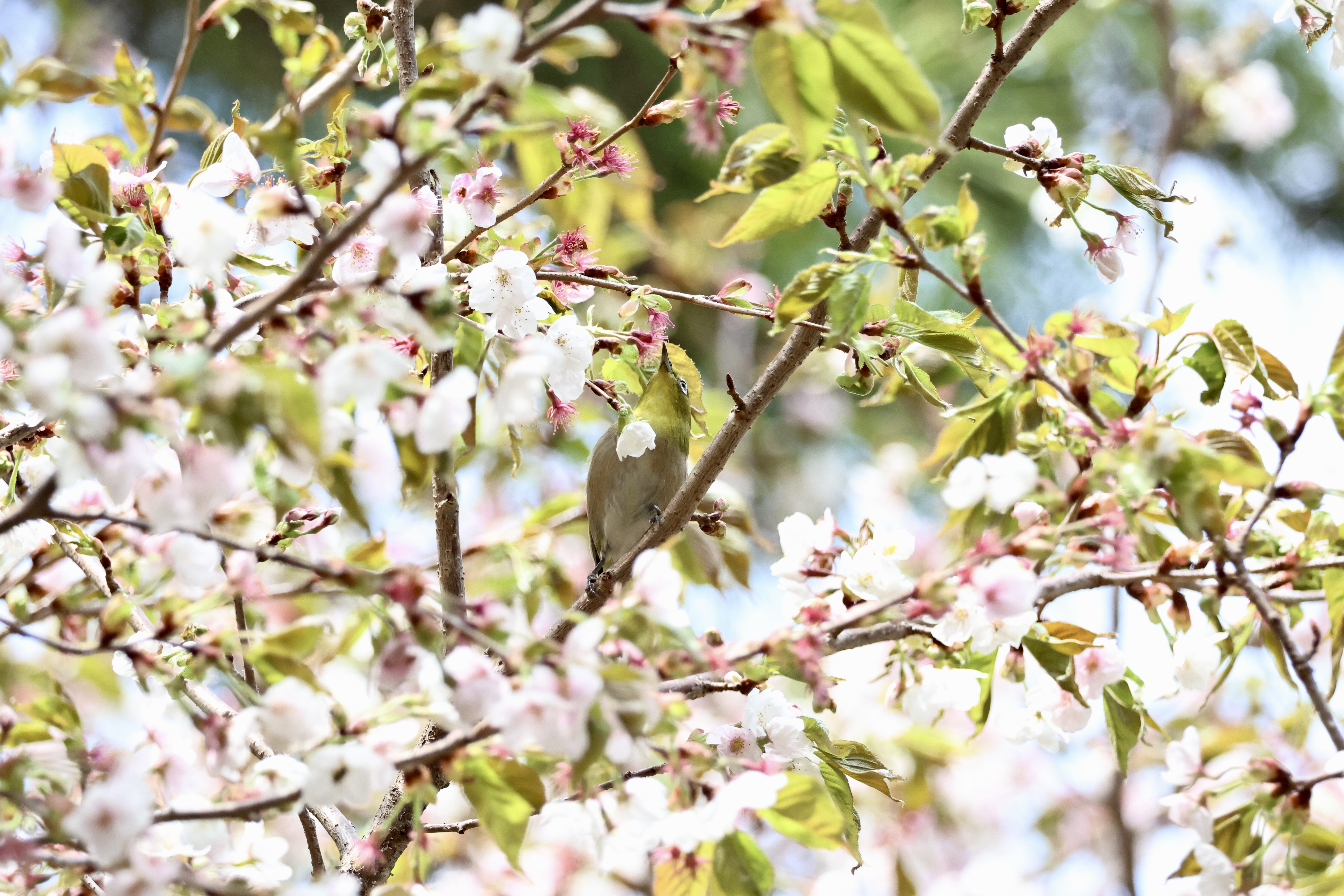
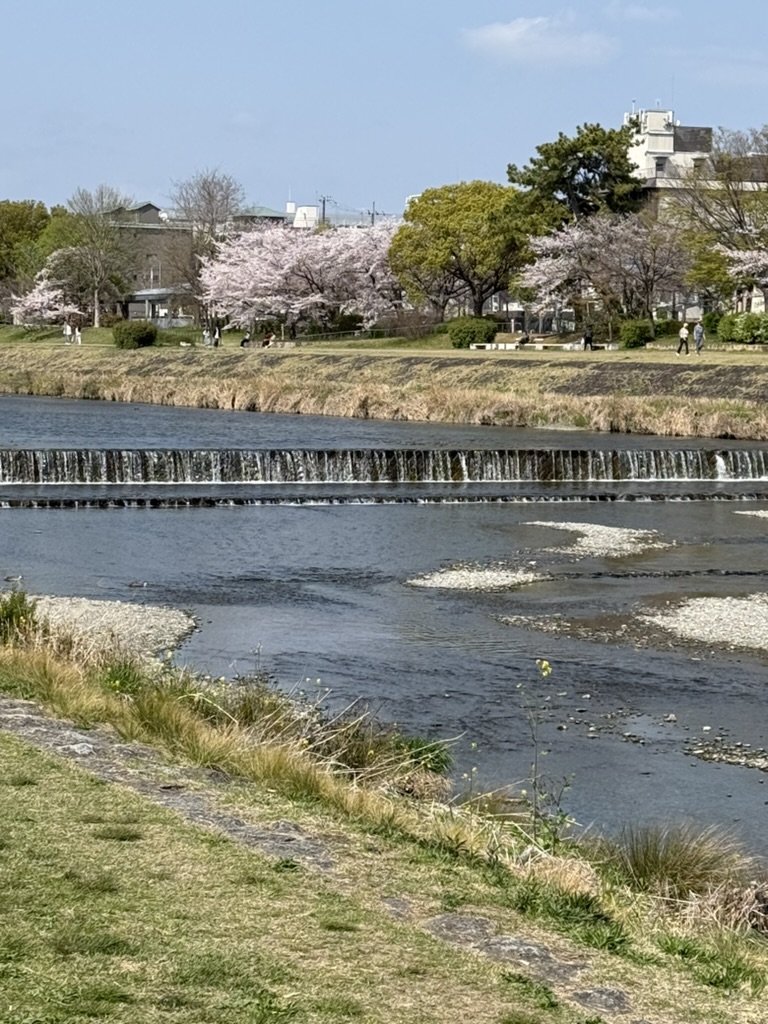
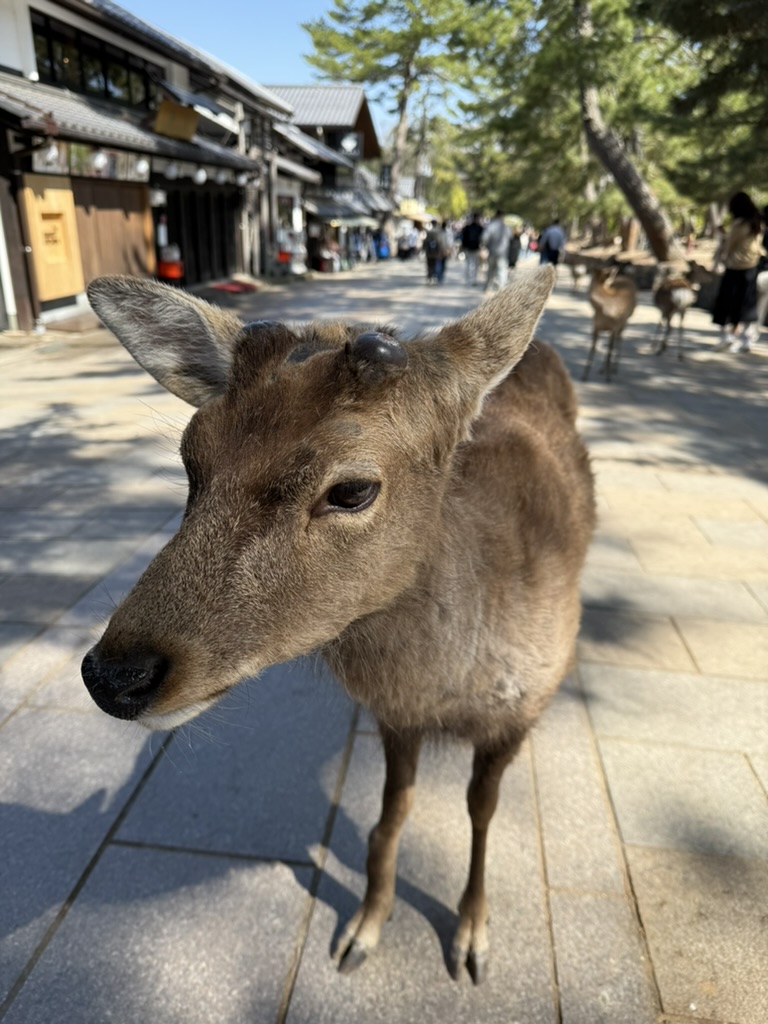
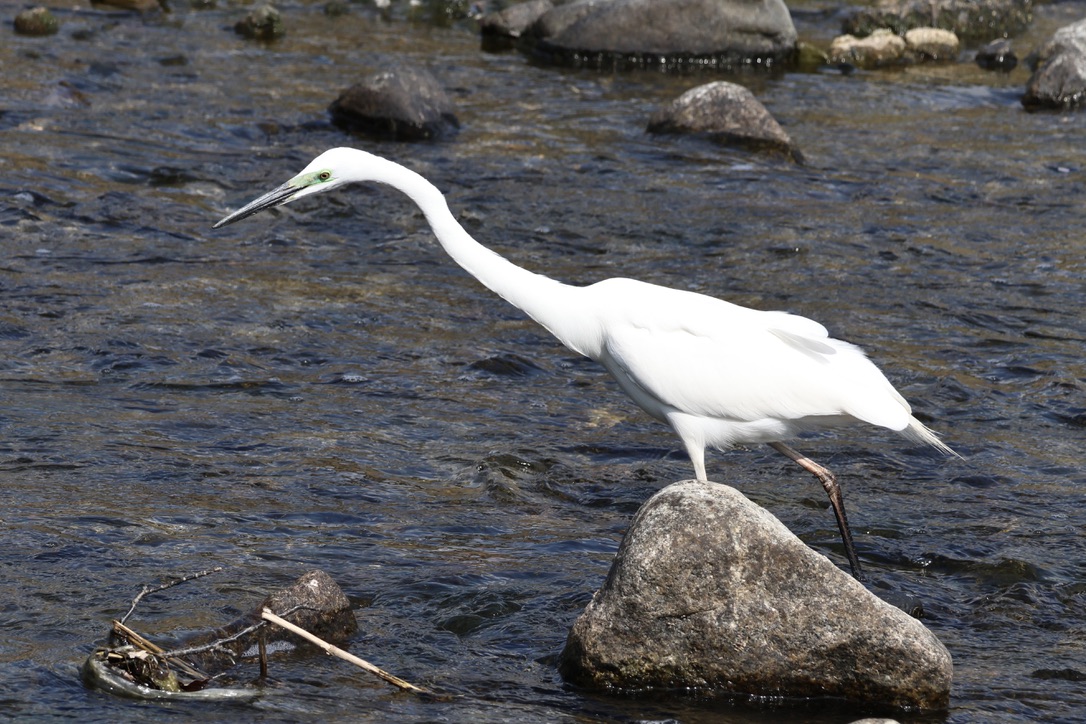
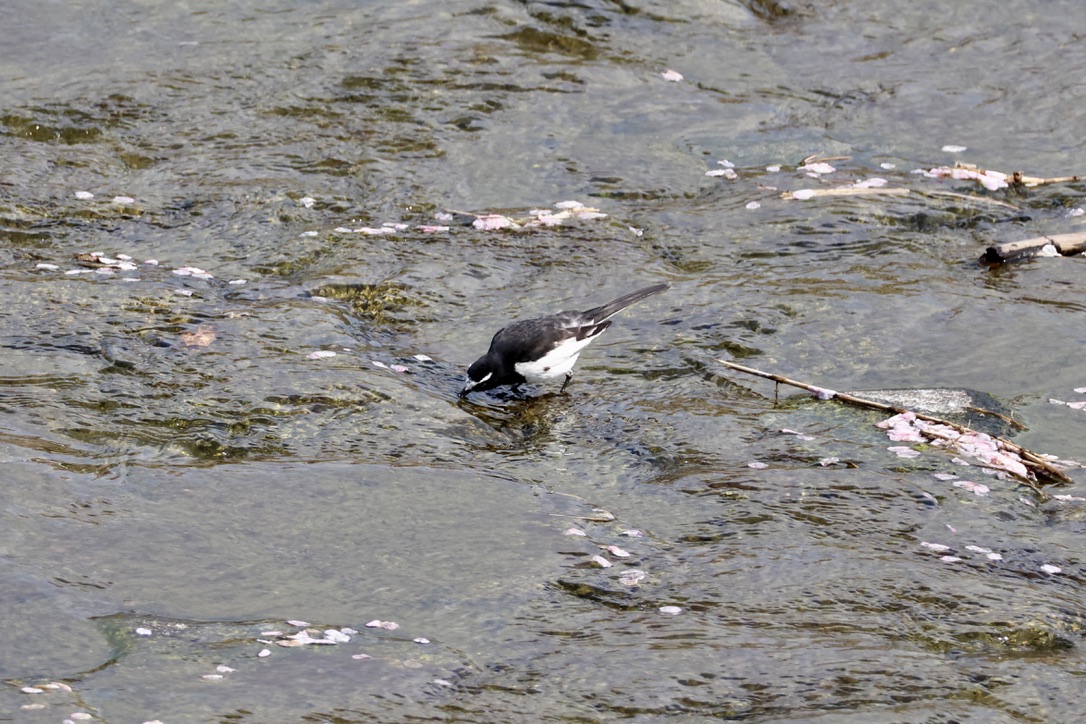
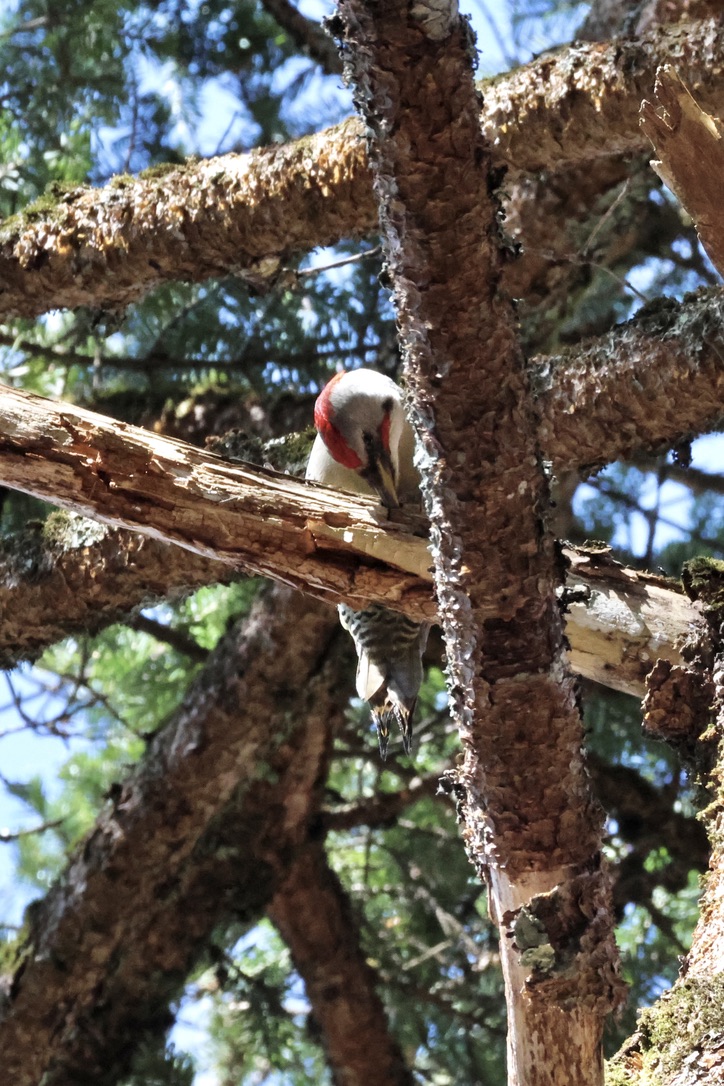
Along the way, I experienced a 90s style mix-tape of the nation’s greatest hits, while making sure I didn’t lose myself in what everyone else was doing. I spent an entire day birdwatching in Hiroshima’s Shukkeien Garden and strolled Kyoto’s river for an afternoon until my belly gave into unagi (eel) off a side street. That said, I let myself be swept up in the essence of what makes the country unique. Yes, I fed the Nara deer crackers and visited Shinjuku at night just to cross roads with the crowds a few times. To feel a small part of what makes Tokyo tick.
Wabi Sabi, Hanami and other highlights
Japan’s top trump is that there’s something for everyone. I was indifferent to anime, video game culture, drinking traditions and the dynamics of the adult entertainment scene, which helped hone my curiosity.
I was fascinated by Japan’s ancient philosophies and faiths. Its policies that had kept it insular for hundreds of years and more recently, its people’s resilience in the face of huge adversity. One of my favourite ideas from Japanese culture is ‘wabi sabi’. The concept that nothing lasts forever and everything is imperfect. I also wanted to find out how the historical blending of Shinto and Buddhist faiths – a heady mix of natural spiritual mythology and stoic advice fit for modern life – created temples where two beliefs sat comfortably alongside each other.
The most powerful memories of my travels through Japan are marked by this cocktail of traditional wisdoms and their tangible impact on people and places.
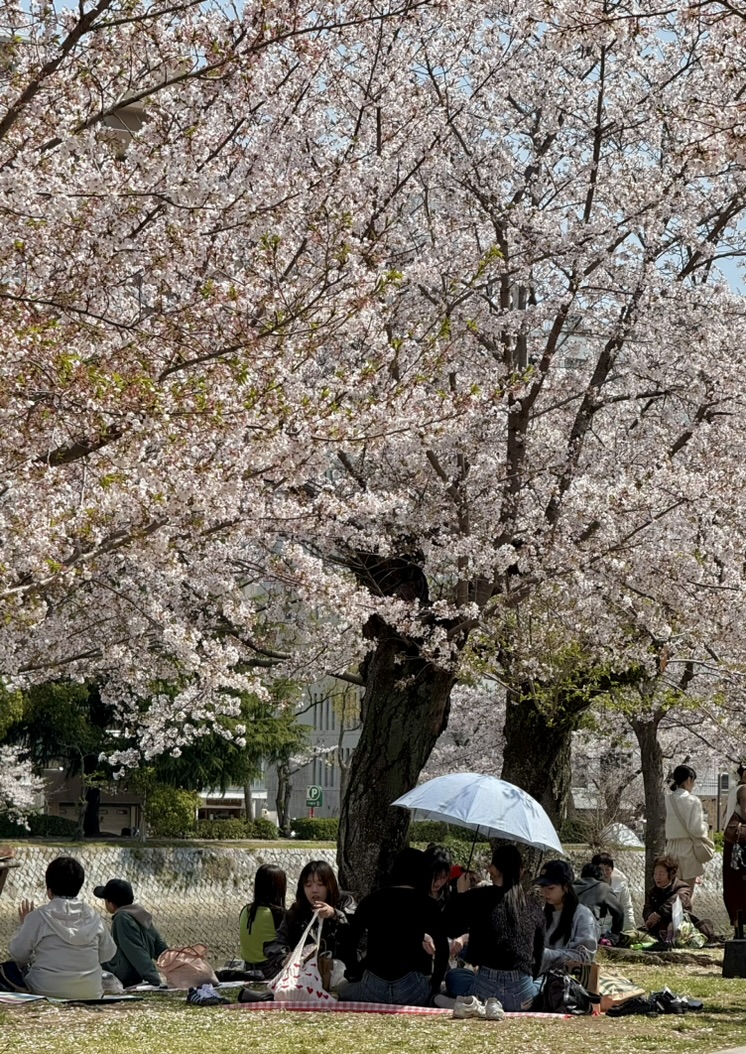
I witnessed two hours of Sumo training. Powerful wrestlers of varied rankings undertaking a rhythmic thumping of the dust below them, that took on a ceremonial quality beyond the moving and sweat of human bodies. I hiked an old pilgrimage path on Miyajima Island, where tiny shinto shrines and buddhist effigies sat next to each other amid the trees. I spent time reflecting in Hiroshima’s Peace Park. Watching locals munch food under sakura blossom, in the eye-line of the Atomic Bomb Dome. Showing a collective inner fortitude that I couldn’t being to fathom.
I also found myself in situations where I had to search a little harder for inspiration. Like Arashiyama bamboo forest. A rolling wave of angry tourists sporting selfie sticks and moaning about each others’ presence as if they had expected to rediscover a hidden idyll a ten minute bus ride from the city. And Shibuya Starbucks, where visitors gather with bland coffees and tuna-melts, waiting for the lights to turn red at the famous crossing below so they can grab a photo for their socials.
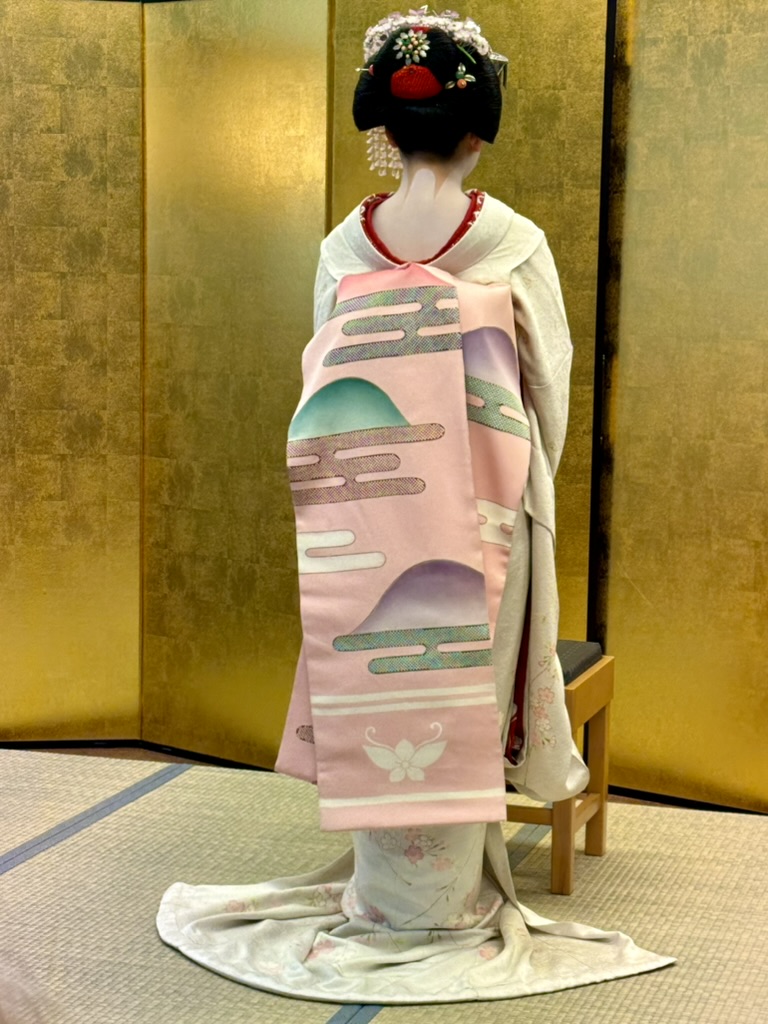
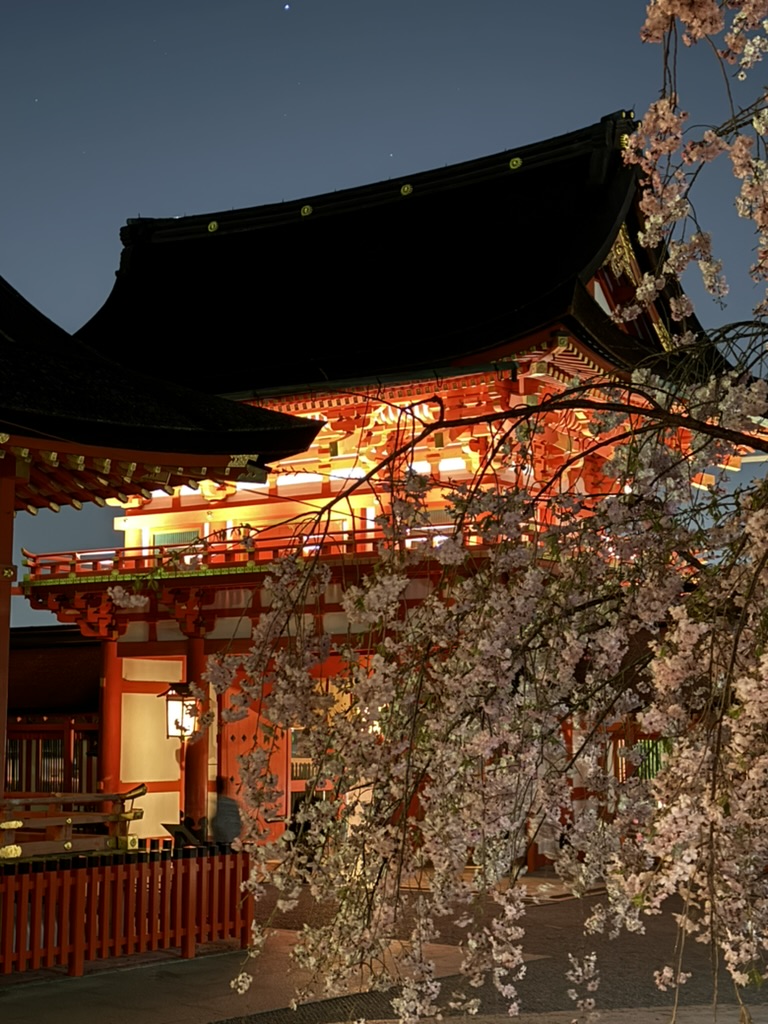
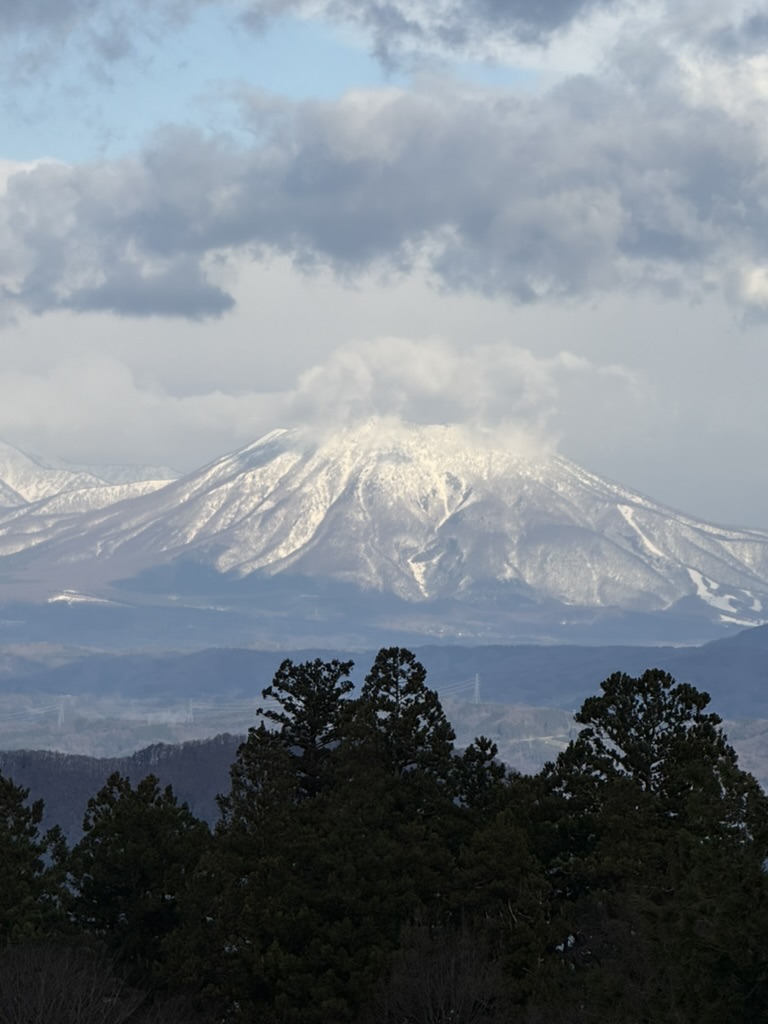
Despite the tide of mass tourism turning specific sites into no-go zones, magical moments still outweighed my frustrations. On my nighttime walk around Kyoto’s famous Fushimi Inari shrine and its thousand bright red Tori gates, I was alone in the darkness and managed to spot wild boars. Less a spiritual awakening than a startled arousal! I was lucky enough to meet a Geisha in a quiet setting and ask questions about her life. In the mountains, I came close to physical contentment. Letting the powerful hose of my daily post-onsen shower pummel each muscle in turn after mornings spent amid tall pines with Nagano’s snow monkeys.
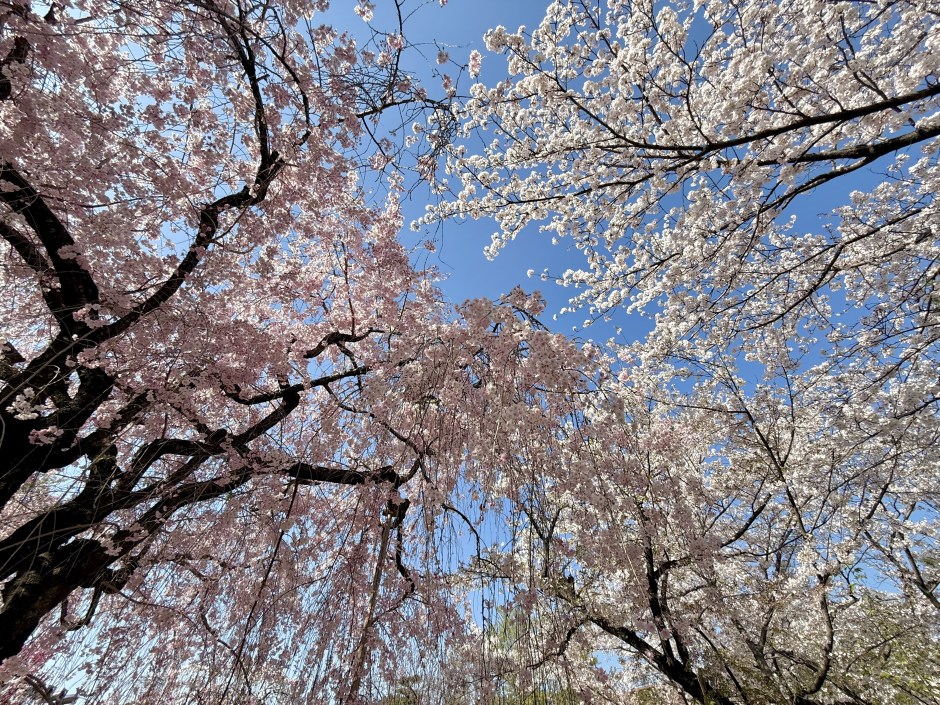
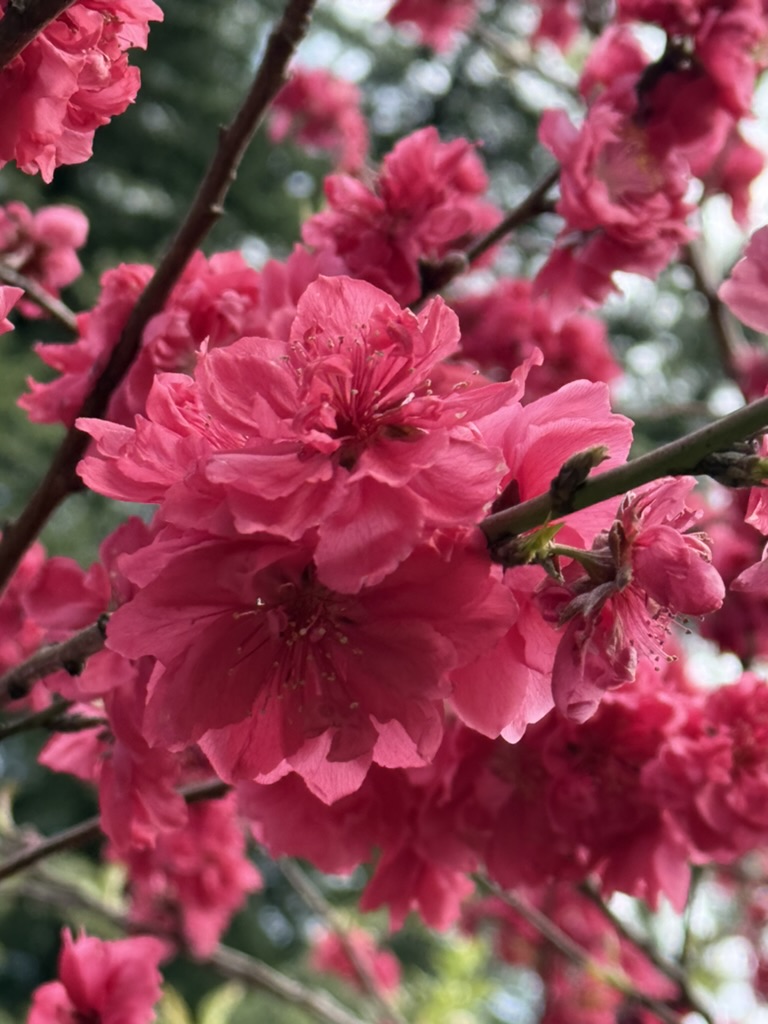
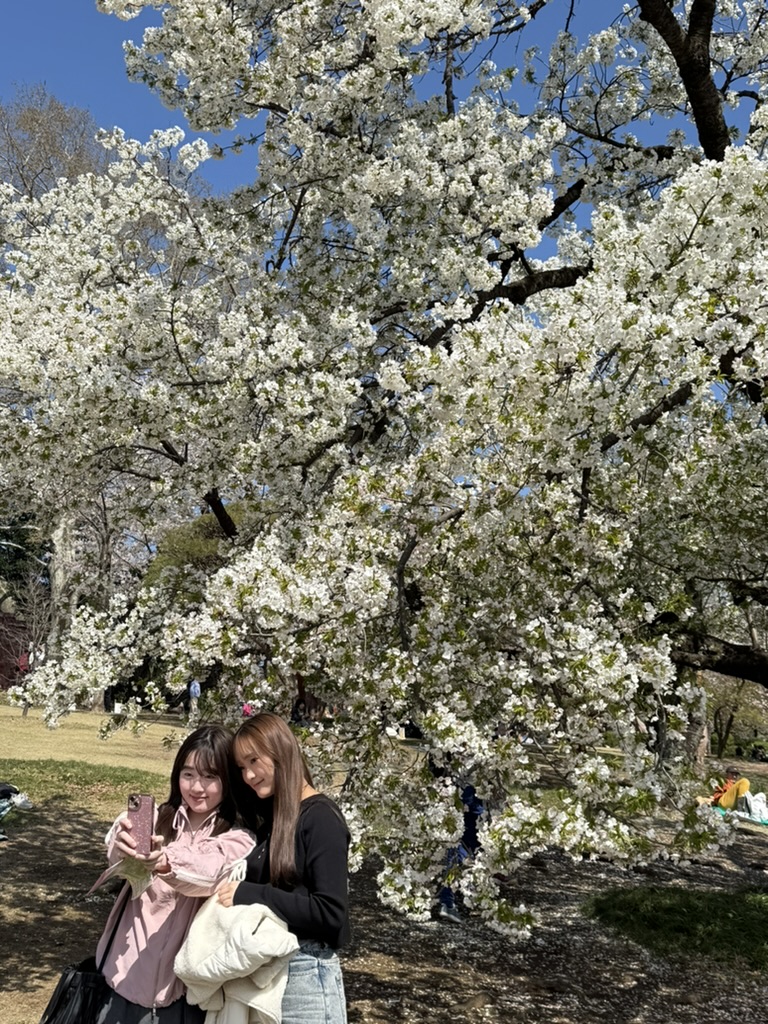
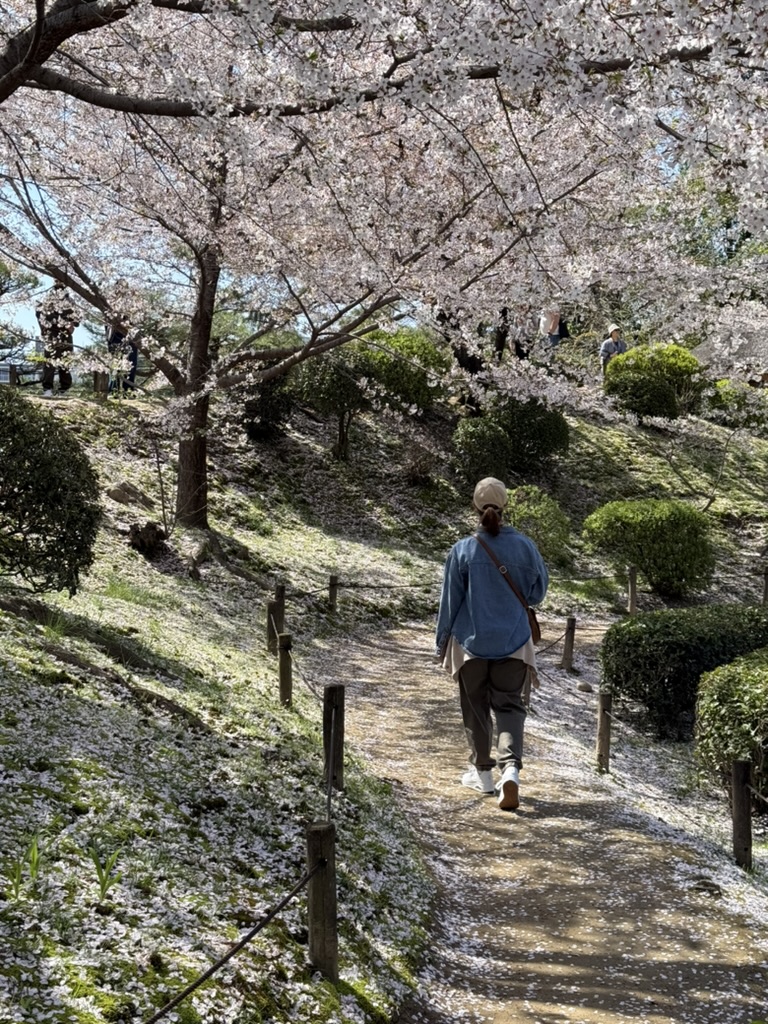
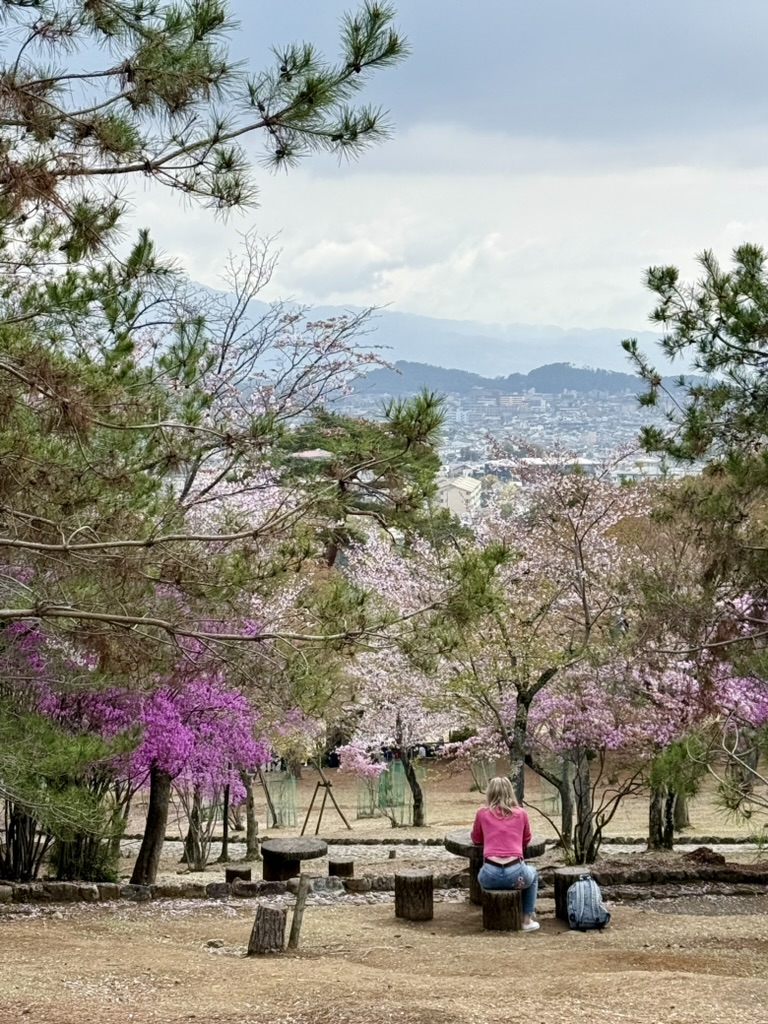
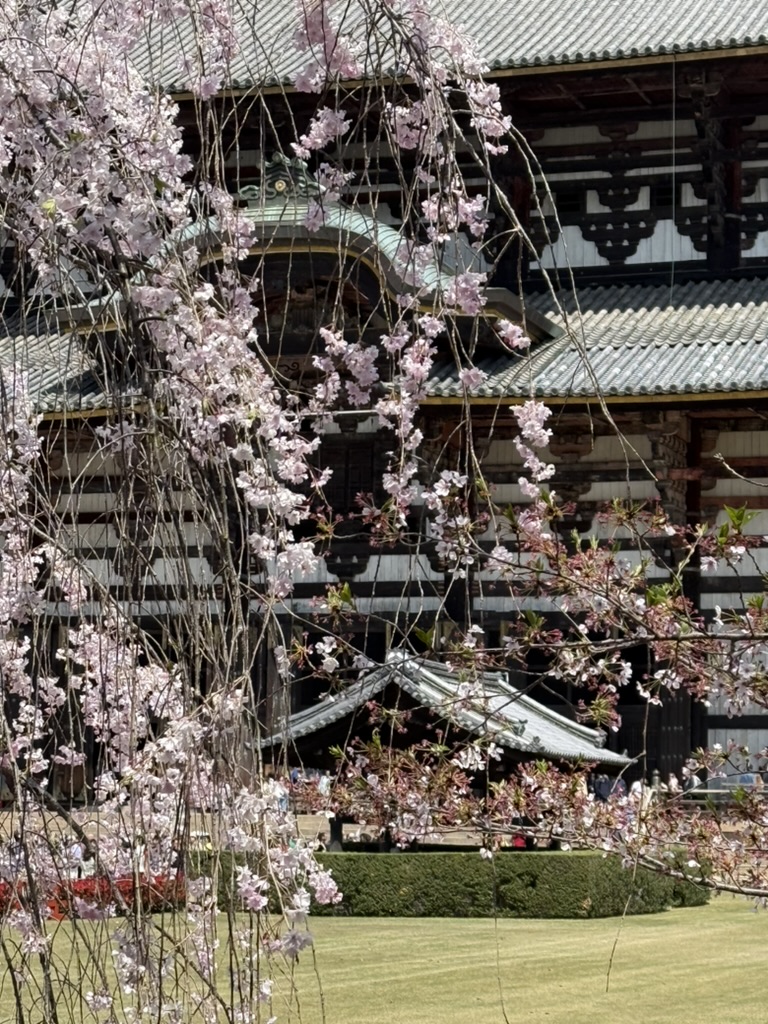
As if by design, my spring journey that I’d actually planned around the annual Formula One racing calendar, happily collided with full bloom of Japan’s cherry blossoms. In fact, as my high-speed train pulled into each new destination, the App reliably informed me I was within 24 hours of peak Sakura. Picnicking with friends and family under the blossom-heavy trees is known as Hanami. And it gave me the perfect opportunity to follow the locals to pristine parks, slow down and take it all in. A national institution, even snacks and drinks were themed Hanami-pink throughout my stay. I did enjoy a bit of kitsch-couture after all.
Dining out and taking away
I can’t rattle through a Japanese journey without mentioning its cuisine. It’s phenomenal. From steaming ramen bowls on cooler days to fresh onigiri as a light snack, every time I put something in my mouth it was a travel experience all of its own.
Japan has a reputation as an expensive foodie holiday and you could spend every evening eating at Michelin star venues but it’s unnecessary. I treated myself to a few highly rated restaurant meals. A wagyu tasting menu and onsen-style dining at Kanbayashi Hotel Senjukaku. Although most of the time I ate delicious, great value food on the go. Konbini (convenience store) sushi, salads and fruit were very high quality. Ekibens (food boxes showcasing local produce at train stations) were a great option to take on day trips. While street vending machines selling everything from coffee to hot sauce, became a daily staple.
Overall, snacking little and often was a fabulous way of sampling a wide range of produce, while not blowing the budget. Eat what you like, when you like – just don’t eat in the street and take your rubbish with you.
My Japan
What Japan became to me it will never be to you. Moving with characteristic Shinkansen efficiency along a beaten path, I found small moments that were my own. Minutes where I thought I had started to understand its complexities before it threw me another of its mysterious quirks. I suppose this is why no one ever visits just once; and why a beginner’s route works.
I never did break beyond its quintessential aesthetic on my first encounter but it didn’t really matter. After all, nothing is perfect. Wabi Sabi, as they say…