Tag: History
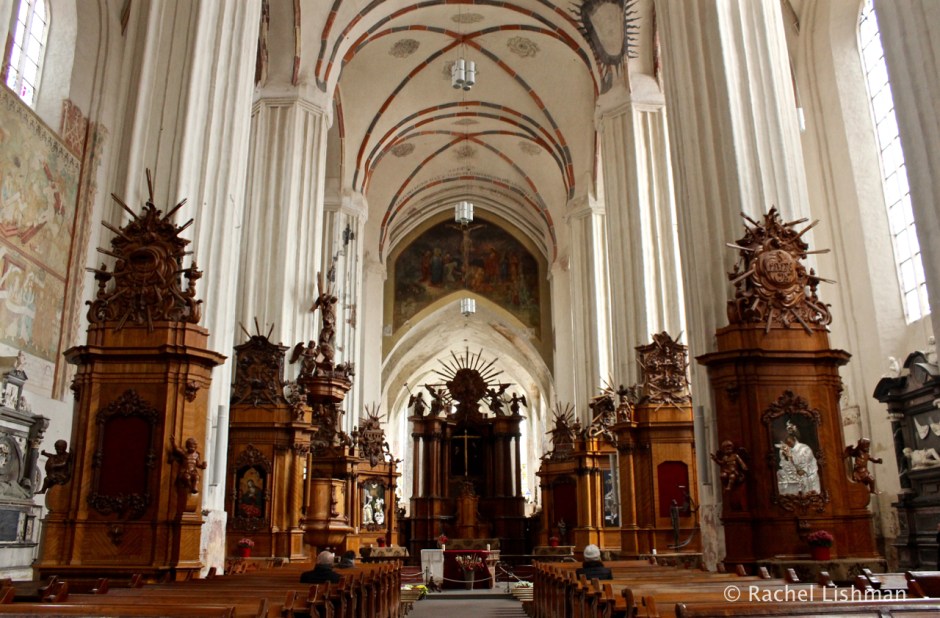
Behind Closed Doors: A Brief History Of Lithuania’s Capital
A drizzly day in Vilnius can be deceptive. Rain hits the greys of dilapidated tower blocks and the cobbled streets of the old town are shiny underfoot.
Continue reading “Behind Closed Doors: A Brief History Of Lithuania’s Capital”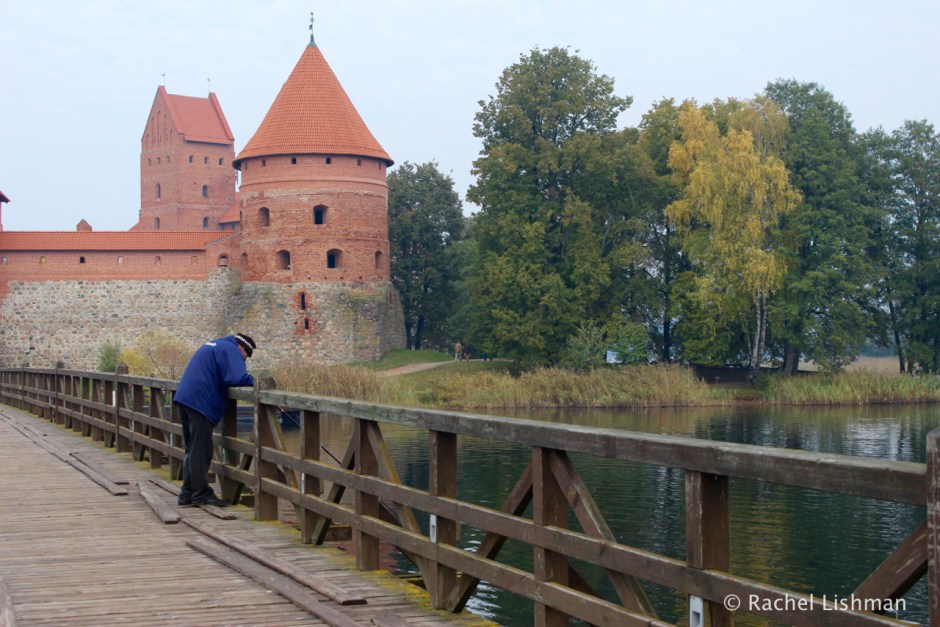
A Baltic Bargain: History And Nature In Trakai, Lithuania
From a thin slice of fertile land that extends into the lakes of Lithuania’s southeast, wooden jetties push into the still water dangling narrow fishing boats and colourful pedalos.
Continue reading “A Baltic Bargain: History And Nature In Trakai, Lithuania”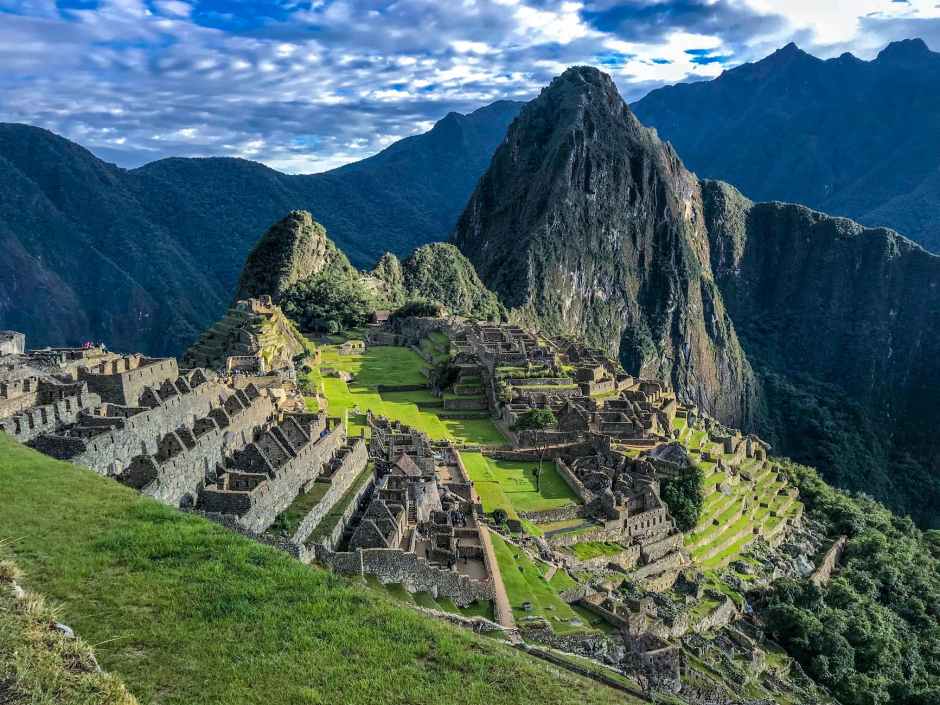
Following In Inca Footsteps At Machu Picchu, Peru
In a world where few corners remain unexplored, it’s easy to become cynical about well-trodden paths.
Continue reading “Following In Inca Footsteps At Machu Picchu, Peru”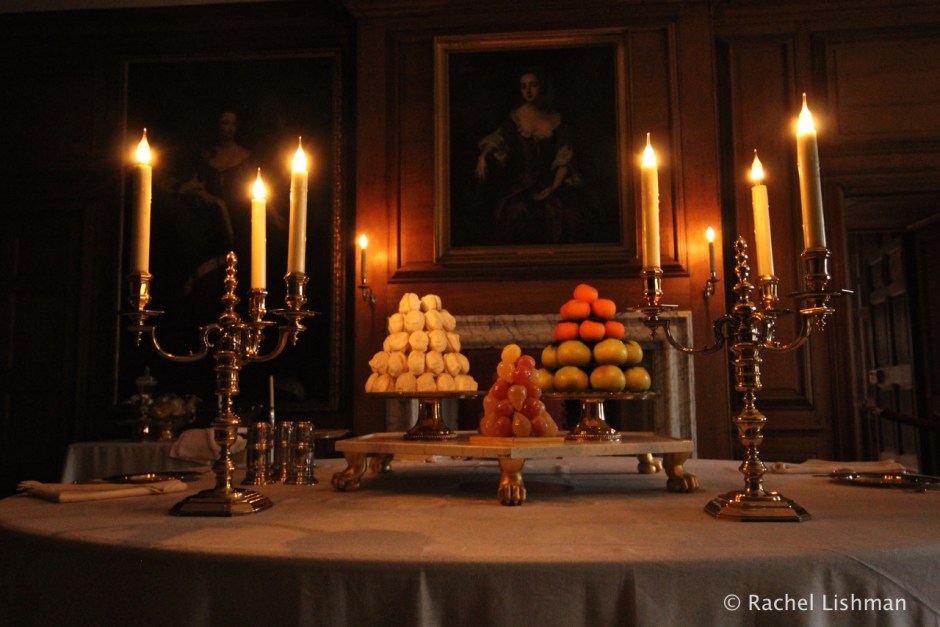
Walking Through 500 Years At Hampton Court Palace
“Of all losses, time is the most irrecuperable for it can never be redeemed.” (Henry VIII of England)
Continue reading “Walking Through 500 Years At Hampton Court Palace”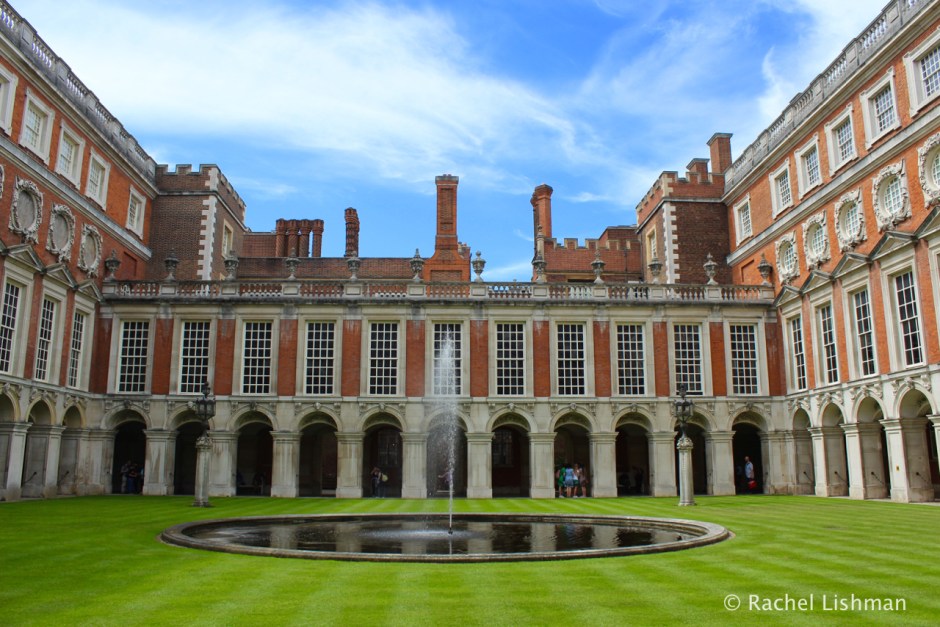
Celebrating 500 Years At Hampton Court Palace
There are few places that evoke the past better than Hampton Court Palace.
Continue reading “Celebrating 500 Years At Hampton Court Palace”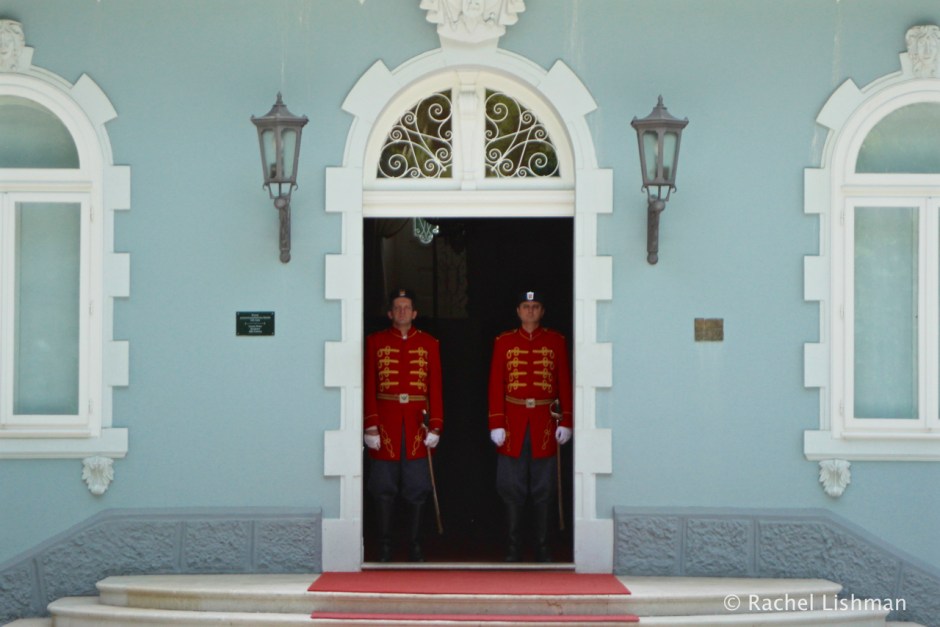
Guardians Of A Mountain Kingdom: A Drive Through Montenegro
From across the dark water, it looked like fairy lights had been flung against the jagged mountain slopes. Forming arcs and triangles, occasionally broken by backlit towers, Kotor’s twinkles put on quite the show. “You see…” Slavko my guide explained, “The lights form the shape of an old man. He guards this city”.
Continue reading “Guardians Of A Mountain Kingdom: A Drive Through Montenegro”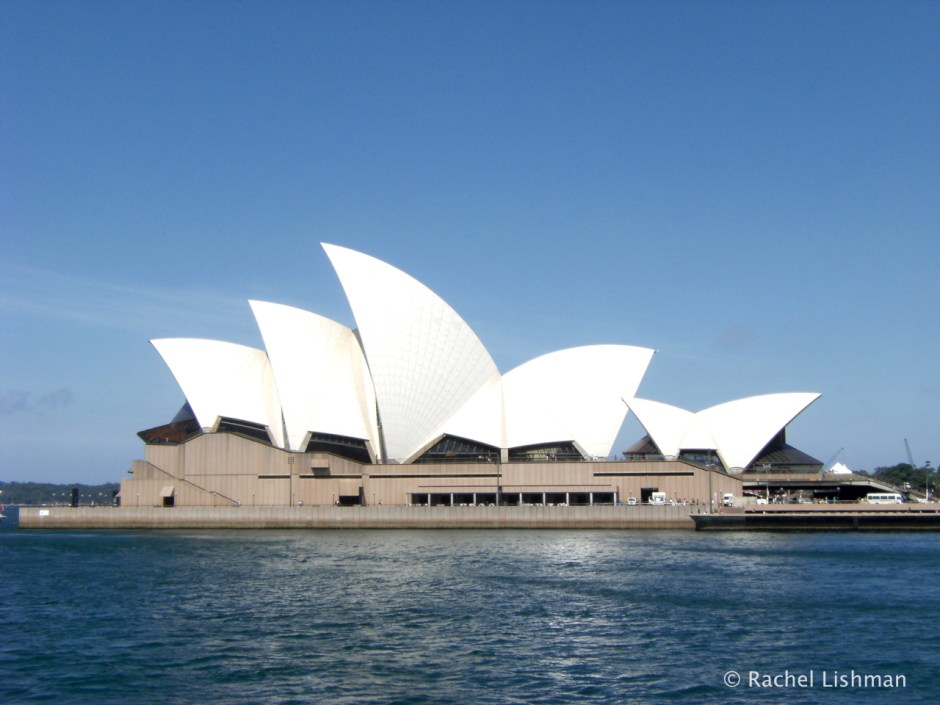
My Twenty Favourite UNESCO Sites Around The World
This week, UNESCO added 24 new sites to its ever-growing list of places worth protecting on this planet. The UK’s notable offering was the Forth Bridge in Scotland, a masterpiece of Victorian engineering, which I was lucky enough to see first hand last summer.
Continue reading “My Twenty Favourite UNESCO Sites Around The World”
Walks Through Wildflowers: Exploring Slovenia’s North West
Two hours from the queues at Stansted Airport, I was transported to a world of snowy peaks and bubbling springs.
Continue reading “Walks Through Wildflowers: Exploring Slovenia’s North West”
 The Curious Traveller