Tag: Longread
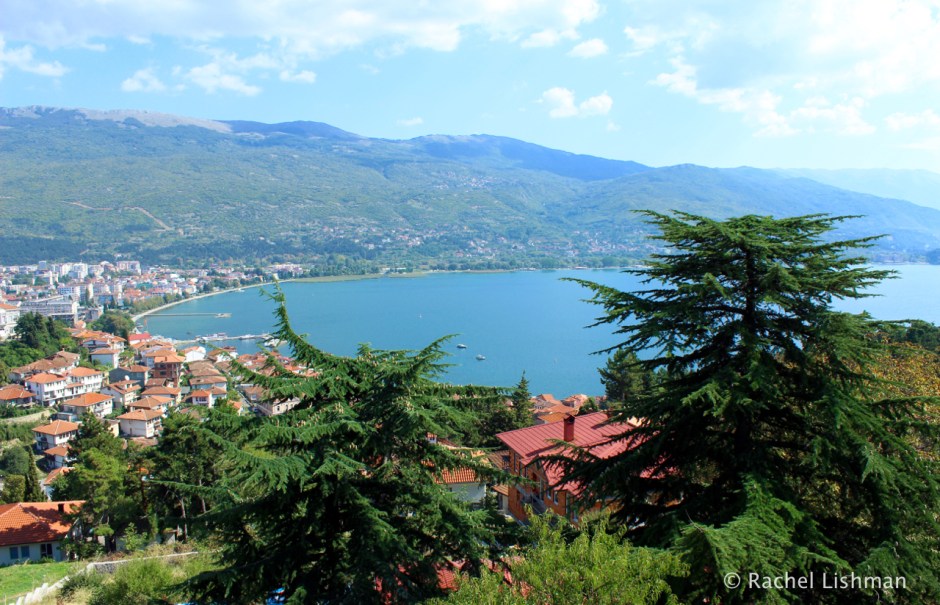
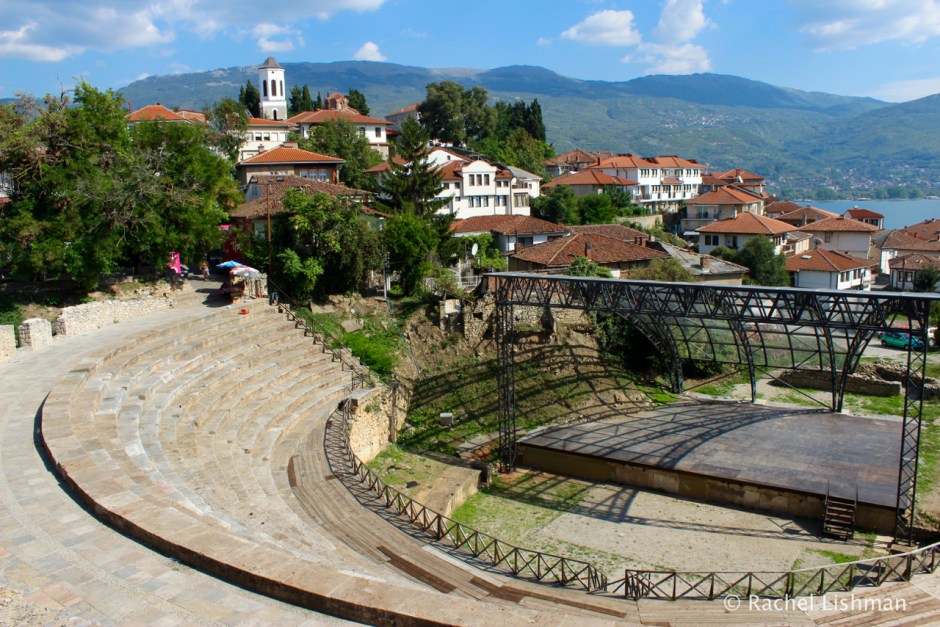
An Introduction To Ohrid, Macedonia
As I looked down from Samuel’s Fortress, I marvelled that its 11th century guards would have taken in a similar view. Misty mountainous slopes, seasonally snow-capped, plunge towards slithers of shoreline that border the city of Ohrid’s ancient lake.
Continue reading “An Introduction To Ohrid, Macedonia”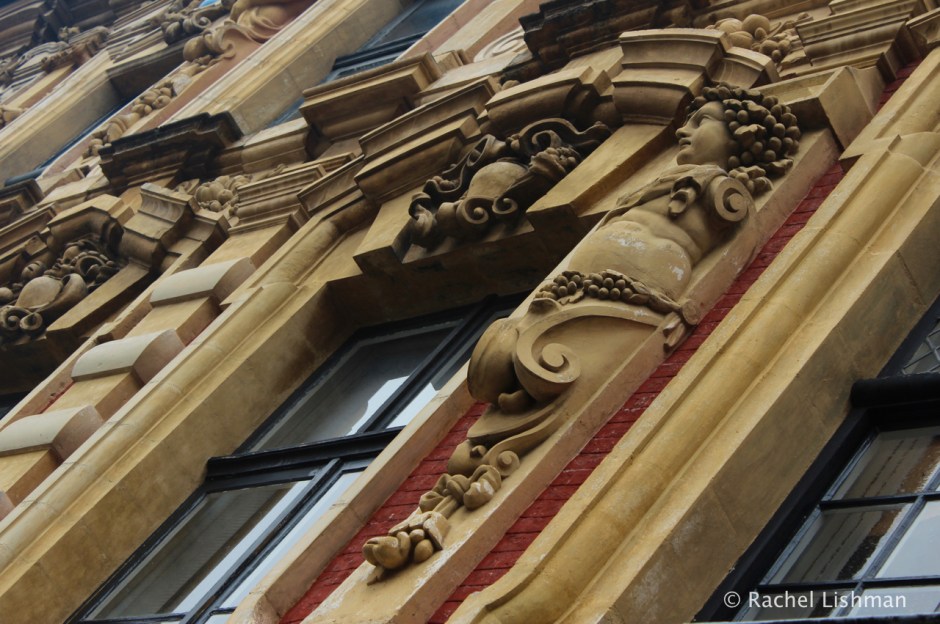
Lille’s Historic Façades In Photos
Lille’s complex history is visible in the architecture of its prominent buildings. From the cobbled quarter of Saint André, to the tinted glass of the Euralille shopping centre, a walk through the city tells a story of constant evolution through the diversity of its façades.
Continue reading “Lille’s Historic Façades In Photos”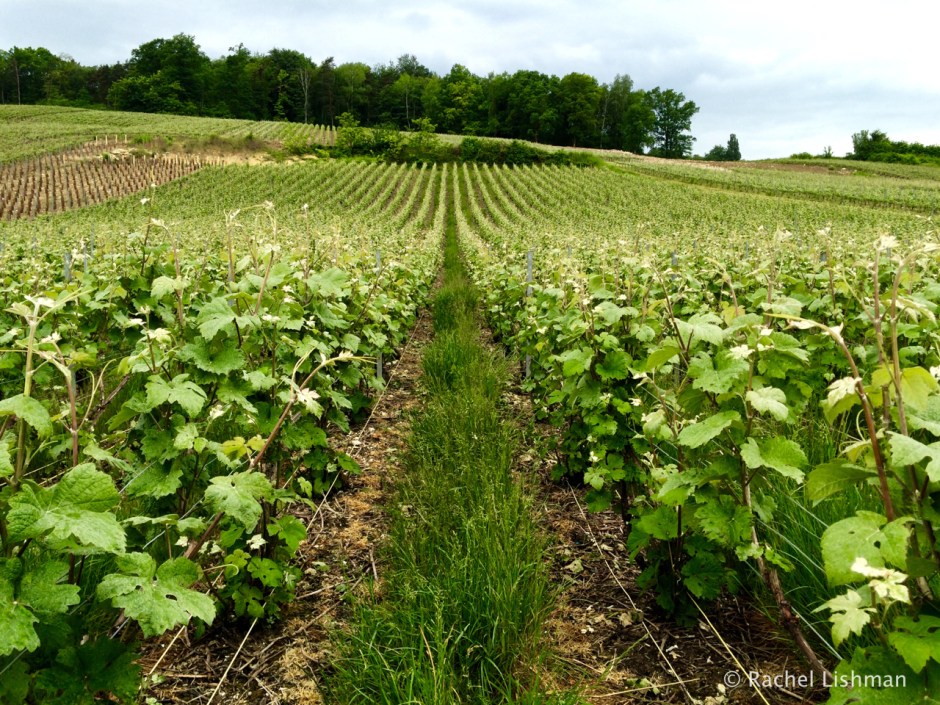
Fuelled By Bubbles: Running La Champenoise, France
I hadn’t expected it to start with a hill. As a lime green man-kini and its host buttocks pulled away up the gravel path, the tiny town of Reuil dropped away behind me, and I puffed my way through the first kilometres of France’s strangest sporting event.
Continue reading “Fuelled By Bubbles: Running La Champenoise, France”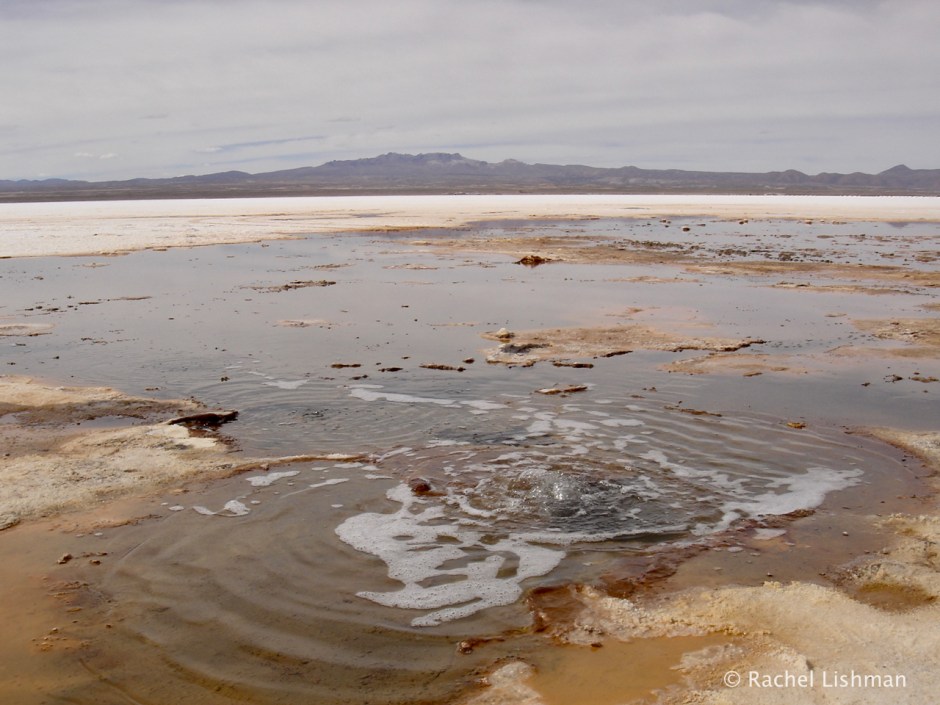
The White World Of Bolivia’s Uyuni Salt Flats
Some places have to be seen to be believed. During my second month in South America I drove south from La Paz towards the town of Uyuni in southern Bolivia: A base for the world’s largest, and highest salt lake.
Continue reading “The White World Of Bolivia’s Uyuni Salt Flats”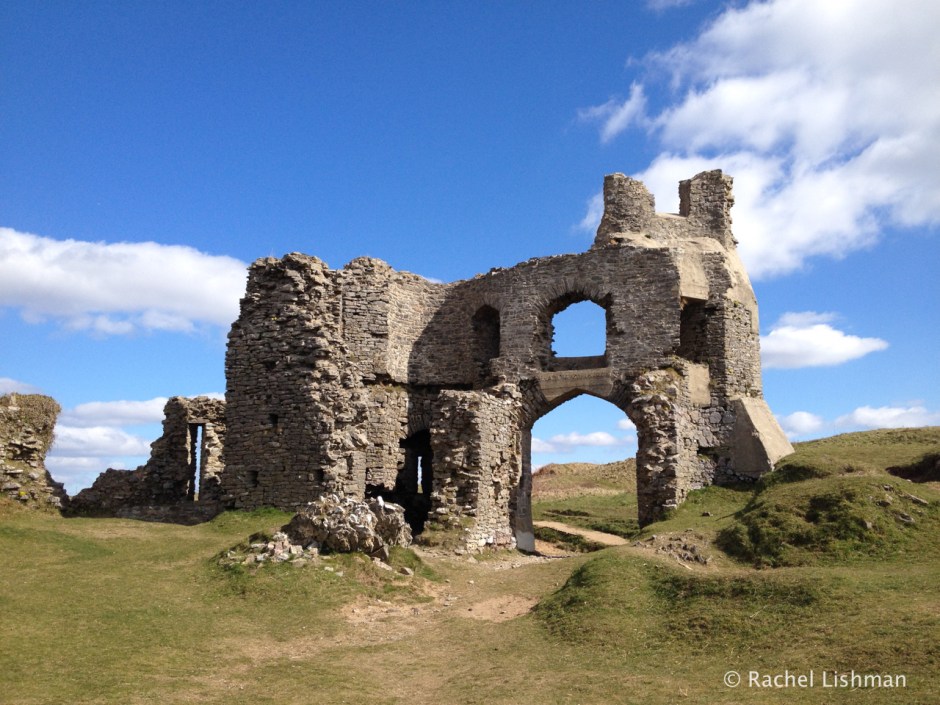
From Coast To Castle: A Long Weekend On The Gower Peninsula
A few oblivious sheep ambled across my path as I reached my seat: a bouncy patch of heather.
Continue reading “From Coast To Castle: A Long Weekend On The Gower Peninsula”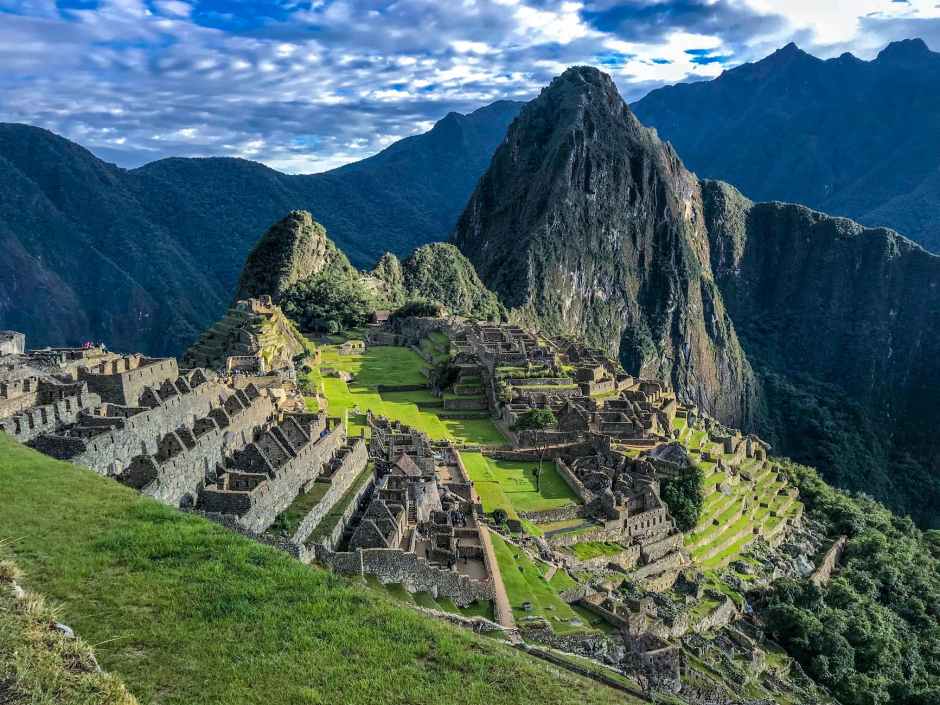
Following In Inca Footsteps At Machu Picchu, Peru
In a world where few corners remain unexplored, it’s easy to become cynical about well-trodden paths.
Continue reading “Following In Inca Footsteps At Machu Picchu, Peru”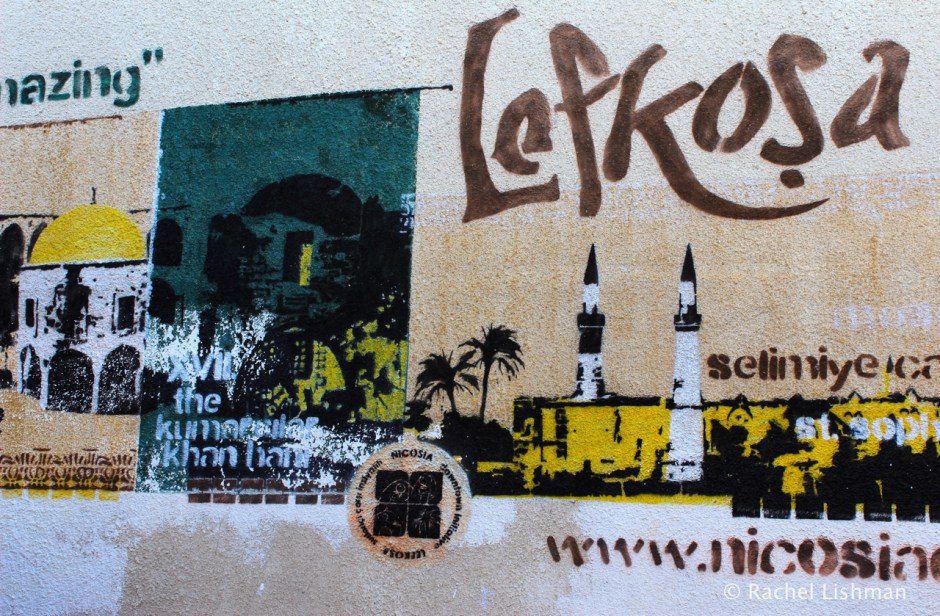
Across The Border Into Turkish Cyprus
What is a country? As I walked towards the border I suddenly realised I had no idea what that word actually meant. A few minutes later I crossed into the Turkish Republic of Northern Cyprus; the first place I’ve visited that technically, doesn’t exist.
Continue reading “Across The Border Into Turkish Cyprus”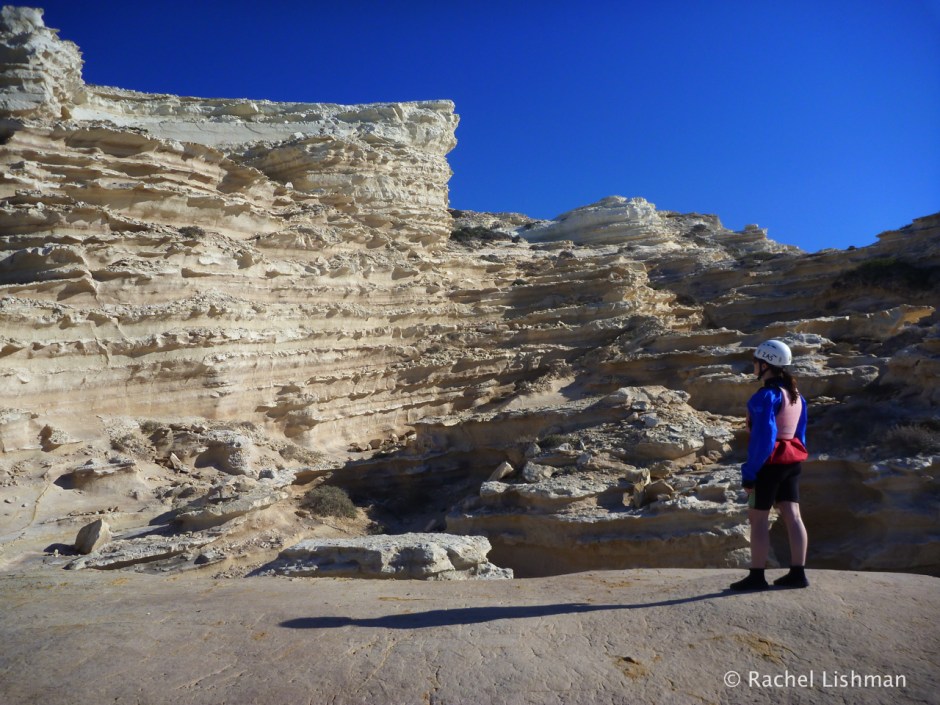
Cyprus: A Lesson In Escaping The Resort
After more than a decade of nothing but backpackers hostels, a last minute decision to get some winter sun dumped me in a 4 star, beachside resort in Paphos, southern Cyprus.
Continue reading “Cyprus: A Lesson In Escaping The Resort”
 The Curious Traveller