Author: Rachel Lishman

The Old Fishing Port of Mogán, Gran Canaria
Mogán is the perfect mixture of tourist frenzy and chilled out harbour chic.
Continue reading “The Old Fishing Port of Mogán, Gran Canaria”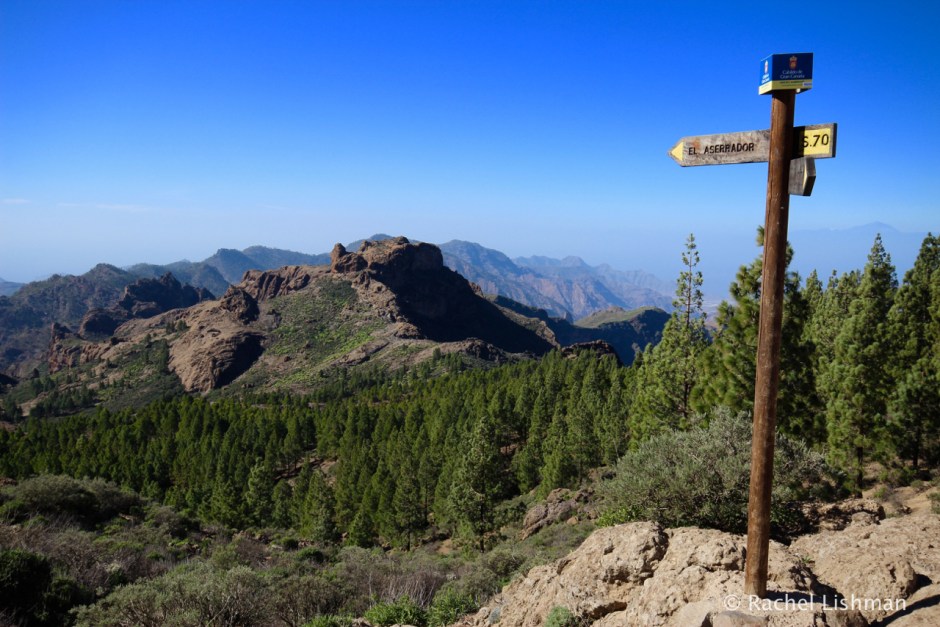
Walking Gran Canaria’s Volcanic Past
The pristine swimming pools of Gran Canaria’s coastal resorts are a far cry from the island’s origins.
Continue reading “Walking Gran Canaria’s Volcanic Past”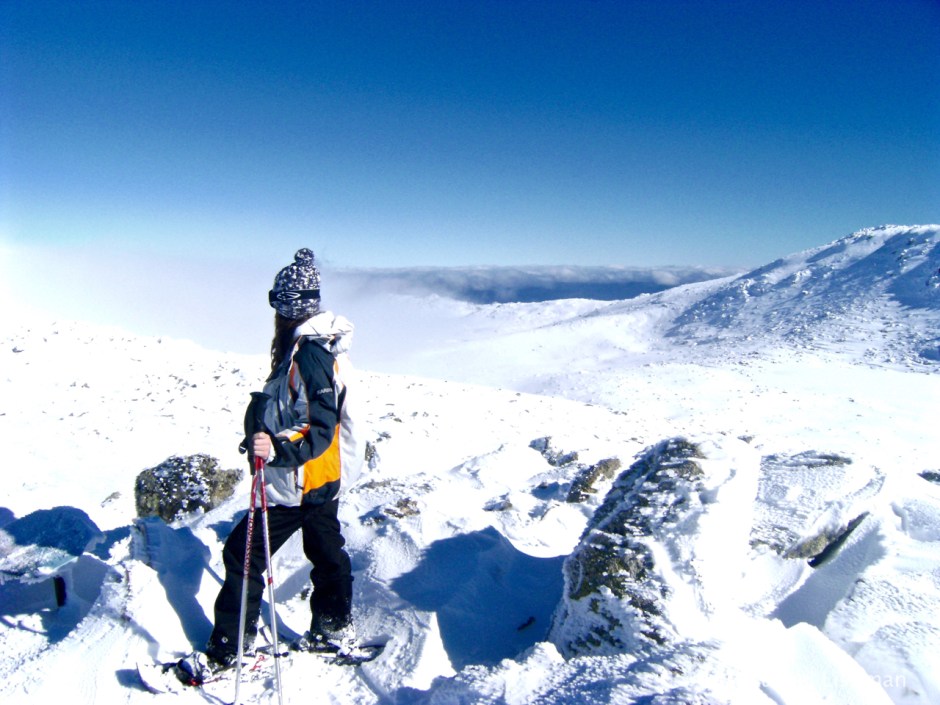
It Does Snow In Australia: Winter Play In The Snowy Mountains
Many consider sun, surf culture and endless sprawling coastline to be synonymous with Australia. Of course, it has all the above in droves, but it also has frosty winter mornings, ski fields and snow. As we enter the deep dark depths of British winter, I look back at a colder version of the world’s hottest country.
Continue reading “It Does Snow In Australia: Winter Play In The Snowy Mountains”
Travel Blogging: A Chicken And Egg Tale
From the moment we began walking the earth, we found ways to record our experiences and explain the world around us. Be it through cave paintings, stone carvings or the printed word, we’re experts at describing our surroundings.
Continue reading “Travel Blogging: A Chicken And Egg Tale”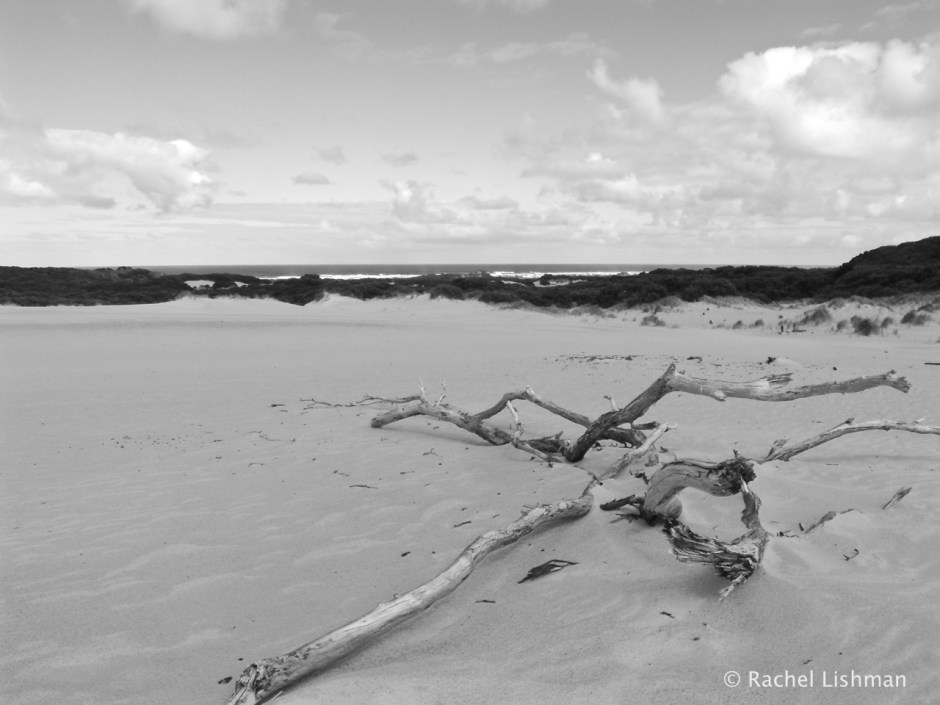
The Tasmanian Wilderness In Photos
Tasmania is expansive and magnificent yet sometimes daunting. As I stood atop the state’s peaks and battered west coastline, I sensed that I was almost at the end of the earth.
Continue reading “The Tasmanian Wilderness In Photos”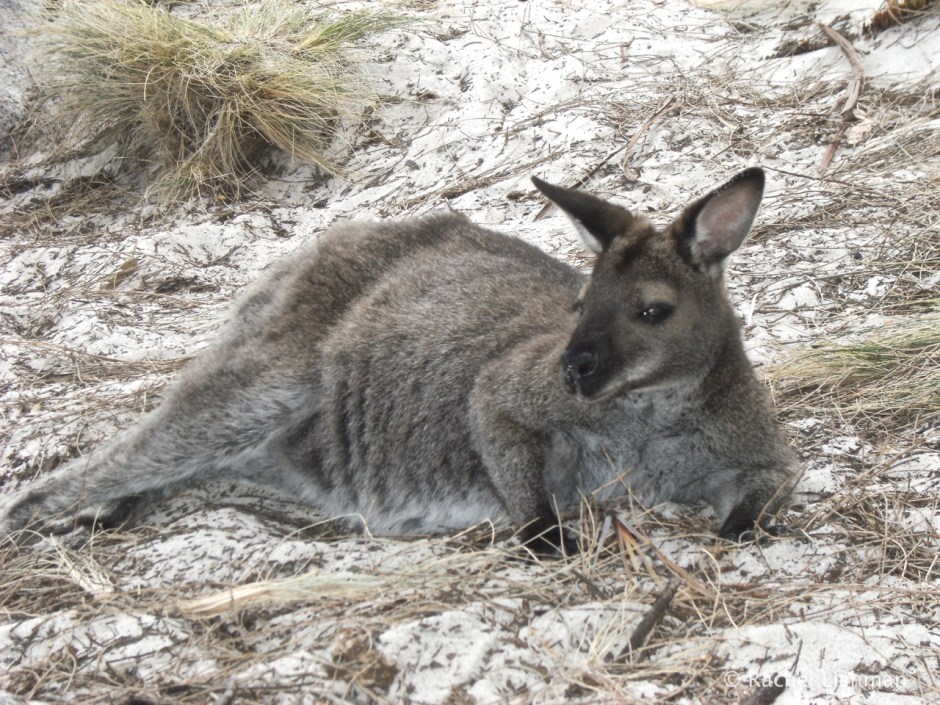
Powered By Flowers: An Itinerary For Tasmania
I thought I was hallucinating when I arrived in Bicheno. In the middle of the campsite sat another vehicle exactly like mine: A compact campervan covered in purple and yellow flowers.
Continue reading “Powered By Flowers: An Itinerary For Tasmania”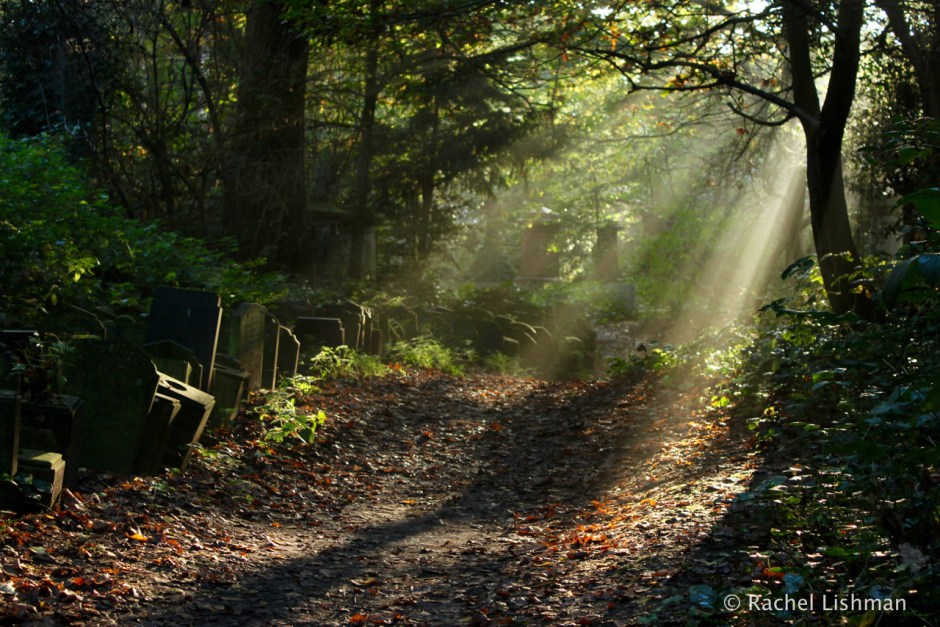
Abney Park Cemetery, London
At the edge of London’s Zone 2 there’s a wilderness. The constant hum of traffic is replaced by nesting birds, damp ground underfoot and a thick canopy that drops dappled shadows onto the pale faces of long-forgotten gravestones.
Continue reading “Abney Park Cemetery, London”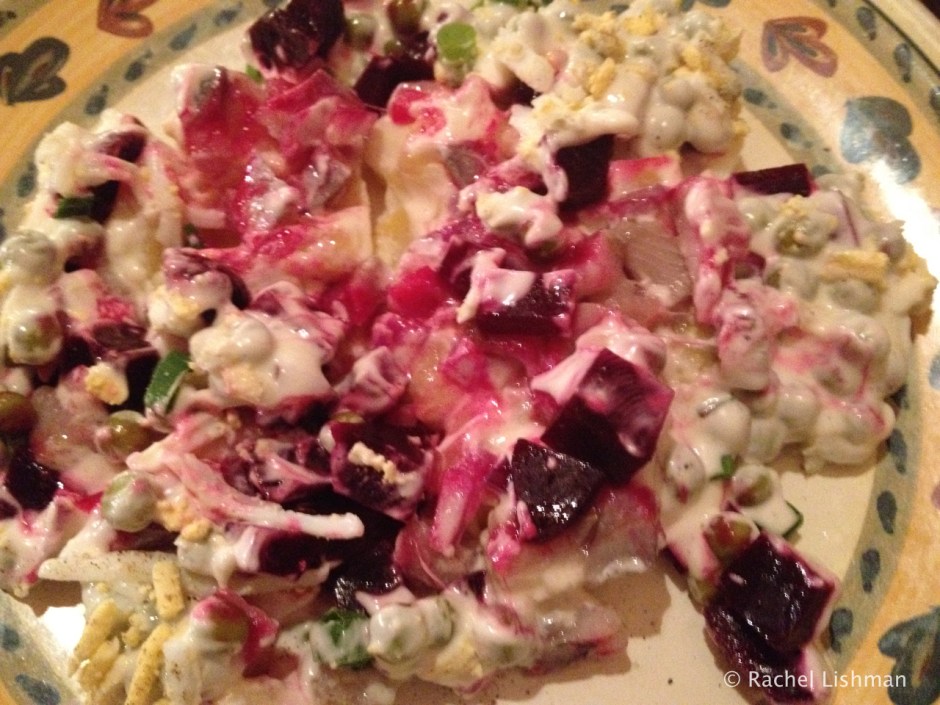
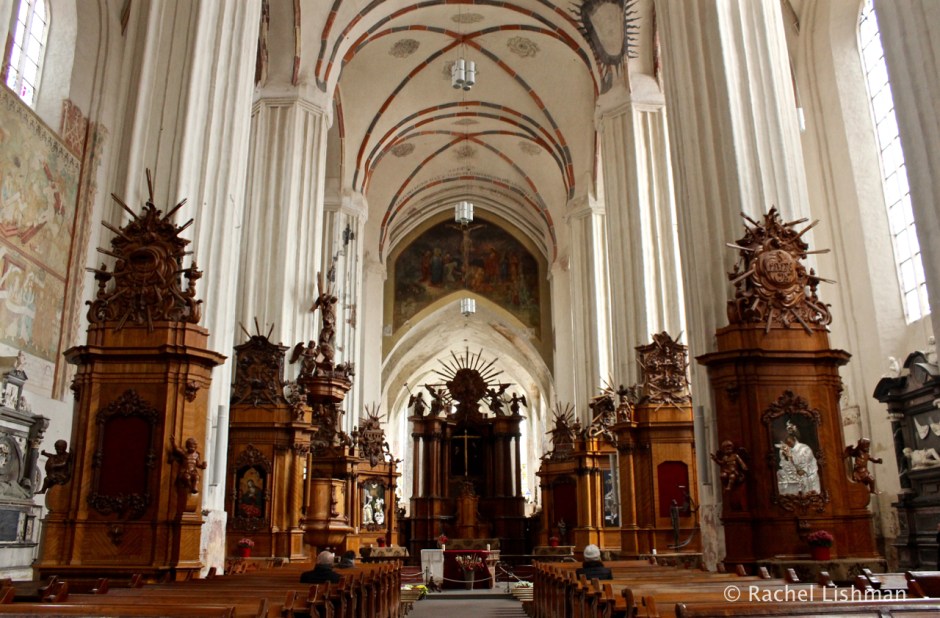
A Foodies’ Guide To Lithuania
I have some advice: Don’t holiday in Lithuania if you don’t like carbs, if you wince at the thought of loosening a belt buckle or if, for whatever reason, you don’t enjoy eating.
Continue reading “A Foodies’ Guide To Lithuania”