Tag: Americas
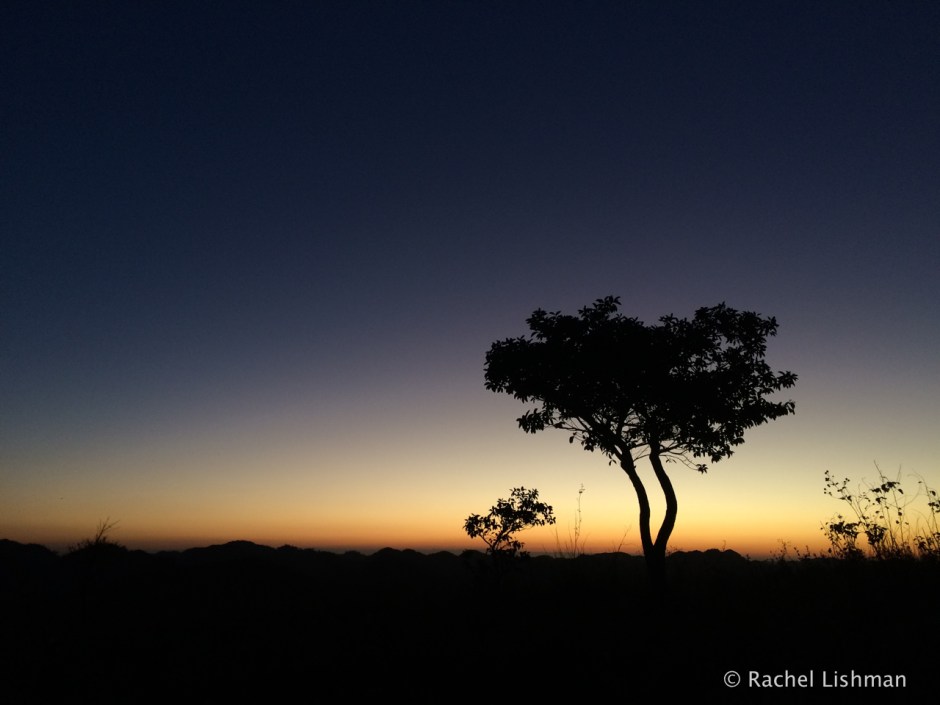
Unexplored Guatemala: Remote Trails And Wild Friends
Part Three: Roaming in the wilderness
Continue reading “Unexplored Guatemala: Remote Trails And Wild Friends”
Unexplored Guatemala: Working Away
Part Two: Daily life on the finca in Poptun.
Continue reading “Unexplored Guatemala: Working Away”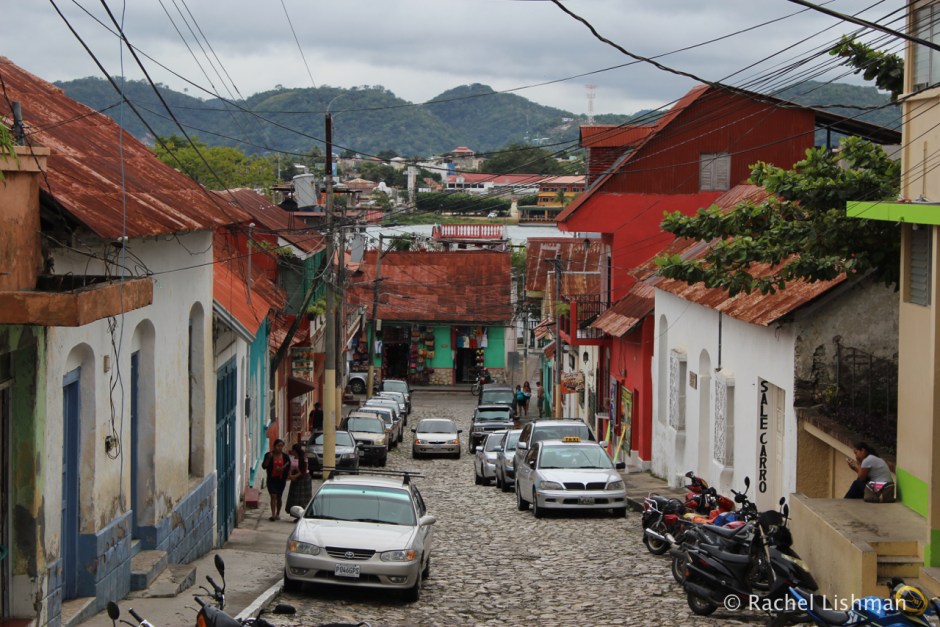
Unexplored Guatemala: Accidentally East
Part One: From Flores south, to Poptún
Continue reading “Unexplored Guatemala: Accidentally East”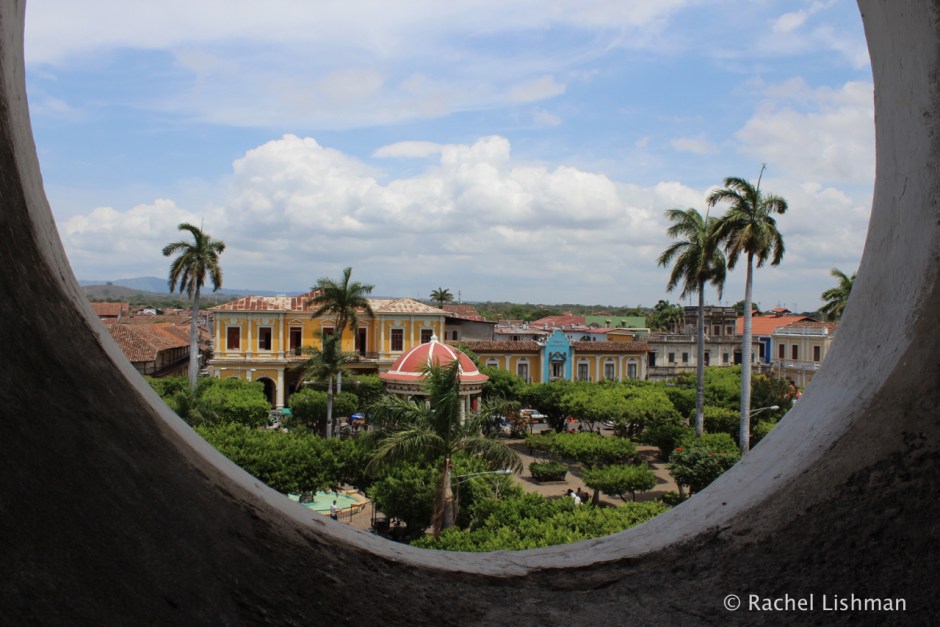
A Photo Essay Of Granada, Nicaragua
In Nicaragua, almost half the population sit below the poverty line, which is why Granada comes as a surprise. Its colonial-era riches stand strong in its architecture and a recent tourism boom has given rise to a high-end foodie culture and niche shops.
Continue reading “A Photo Essay Of Granada, Nicaragua”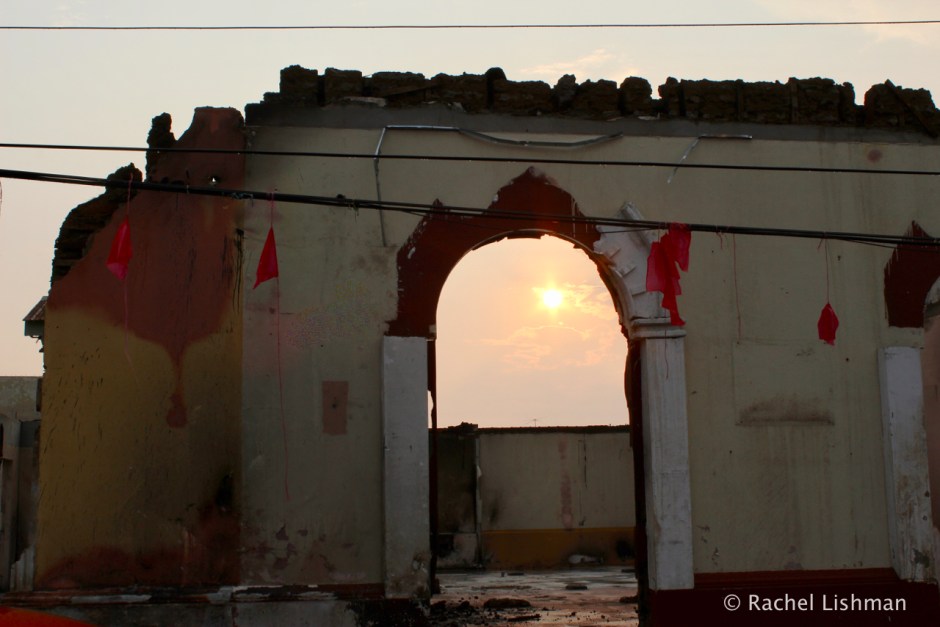
History Repeating In León, Nicaragua
I wasn’t able to spend long enough in León. Nicaragua’s most northern city has long been respected as the country’s seat of intellectual and political challenge. A few days before I planned to cross the border, it started a new and important fight.
Continue reading “History Repeating In León, Nicaragua”
Postcard From San Juan Del Sur, Nicaragua
Waves draw people to this coastal town in southern Nicaragua. The remote beaches either side of San Juan Del Sur offer some of the best surf in the Americas. Although the town itself is also worth a day or two.
Continue reading “Postcard From San Juan Del Sur, Nicaragua”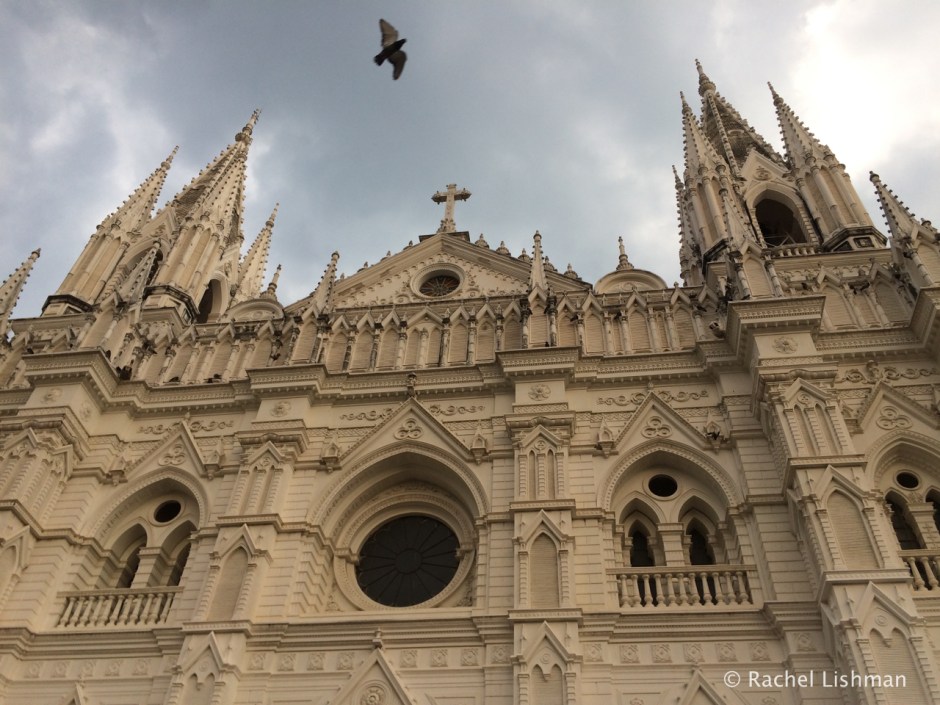
The Unsung Pleasures Of Santa Ana, El Salvador
Rain clouds are gathering over Santa Ana’s main square. The cream facade of the gothic cathedral looms spookily against the dull sky. Below, a chaotic arrangement of food stall owners serve up curly fries, oblivious to the approaching storm.
Continue reading “The Unsung Pleasures Of Santa Ana, El Salvador”
The Importance Of Being Neither Corrupt Nor A Thief In Guatemala
I felt uncomfortable that my time in Guatemala, though wonderful, was influenced by a recent rise in robberies and attacks on tourists. Perhaps I ran a fine line between exercising caution and hindering my experience.
Continue reading “The Importance Of Being Neither Corrupt Nor A Thief In Guatemala”
 The Curious Traveller